










28 Impressive DIY Pallet Garden Ideas to Upcycle Your Wooden Pallets
Why Wooden Pallets Are the Ultimate Garden Upcycling Material
Wooden pallets have quietly become a favorite in the DIY gardening world, and honestly, it’s not hard to see why. These sturdy shipping platforms get tossed out by businesses all the time after just one use, which means you can often snag them for free from hardware stores, garden centers, warehouses, and grocery distributors. Giving them a second life in your garden means you’re cutting down on waste, keeping money in your pocket, and ending up with something that actually looks great and works even better. The eco-friendly angle alone is enough to get most people hooked.
Beyond the environmental appeal, pallets have a structural flexibility that most reclaimed materials just can’t touch. Their evenly spaced slats make them easy to modify, paint, stain, or leave raw. Whether you’re going for a cozy farmhouse vibe or something a bit more sleek and modern, pallets can bend to your vision without requiring a whole workshop full of tools. Honestly, a hammer, some nails, sandpaper, and a spark of creativity are usually all you need to get something going.
The ways you can use wooden pallets in a garden are almost endless — vertical wall planters, raised beds, potting benches, compost bins, decorative fencing, you name it. These projects tend to be beginner-friendly, easy on the budget, and totally scalable, so you can start small and keep building as your confidence grows. If you’ve ever looked at your outdoor space and thought “I want more green but I have zero room or money,” pallet gardening might just be exactly what you’ve been looking for.
Getting Started: Choosing and Preparing the Right Pallets
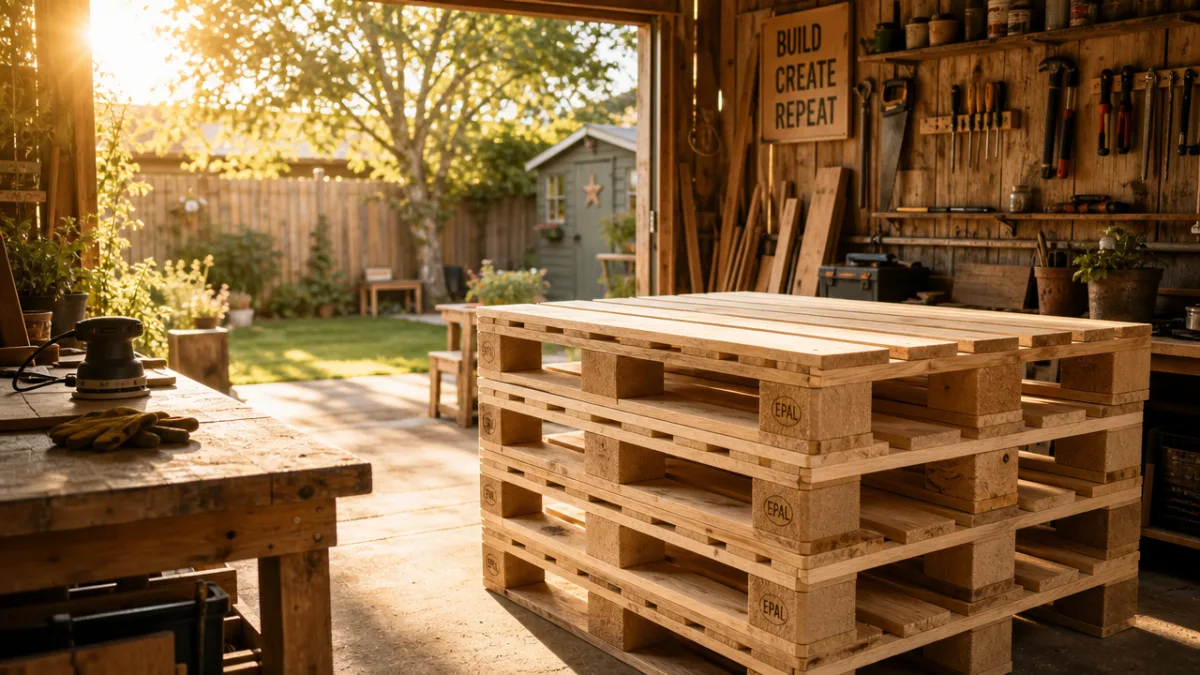
Not all pallets are created equal, so before you dive into any project, it’s worth knowing how to pick safe, solid ones. The most important thing to look for is the HT stamp, which stands for Heat Treated. Heat-treated pallets have been processed at high temperatures to kill off pests and pathogens, making them genuinely safe to use in the garden — especially if you’re growing food. Steer clear of anything stamped MB, which means it was treated with methyl bromide, a fumigant that’s bad news for plants, soil, and people.
Once you’ve got your pallets home, take a good look at each one before doing anything else. Check for broken slats, nails sticking out, splinters, mold, and any suspicious chemical staining. Fix or replace damaged slats where you can, and make sure to hammer down or pull out any exposed nails and staples. Sand the whole surface down to reduce splinter risk and give paint or sealant something to grip. If you’re planning to grow food in them, it’s also a good idea to line the planting pockets with landscape fabric or food-safe plastic before filling with soil.
Sealing your pallets before putting them outside will make a real difference to how long they last. Untreated wood sitting in contact with soil and rain can start rotting within a season or two, so don’t skip this step. An outdoor wood sealant, linseed oil, or a good exterior paint all do the job well. If you’re going painted, prime first and put on at least two coats of weather-resistant paint. If you’d rather keep things looking natural, raw linseed oil soaked into the wood gives a gorgeous warm finish while doing a solid job of protecting against moisture and sun damage.
Vertical Pallet Garden Ideas for Small Spaces
One of the most popular things you can do with a wooden pallet is turn it into a vertical garden — a living wall of plants that transforms a blank fence, exterior wall, or balcony railing into something genuinely lush and inviting. The gaps between slats on a standard pallet are perfectly sized for tucking in small pots, stapling in landscape fabric pockets, or even fitting small mason jar holders. With some creative planting, a single upright pallet can hold a dozen or more plants in less than six square feet of floor space, making it a game-changer for apartments, patios, and tight urban gardens.
Strawberries are one of the best plants you can grow in a vertical pallet setup. They trail beautifully over the slat edges, and since they don’t need deep soil, they’re right at home in the shallow pockets a pallet naturally provides. Herbs like basil, thyme, oregano, parsley, and mint are a natural fit too. Mount a vertical herb wall near your kitchen door and you’ve got fresh flavors within arm’s reach whenever you need them — and the dense planting helps crowd out weeds while you’re at it.
For a more decorative look, succulents and trailing flowers like petunias, lobelia, and sweet alyssum create a stunning tapestry of color and texture. Succulents are especially forgiving in vertical pallet setups since their low water needs mean you don’t have to stress as much about uneven watering across different levels. Mix up leaf shapes, colors, and textures and you’ve got a living piece of art that shifts subtly through the seasons. Hang two or three of these side by side on a fence and the effect honestly rivals those expensive commercial green wall systems.
Raised Garden Beds and Planting Boxes from Pallets
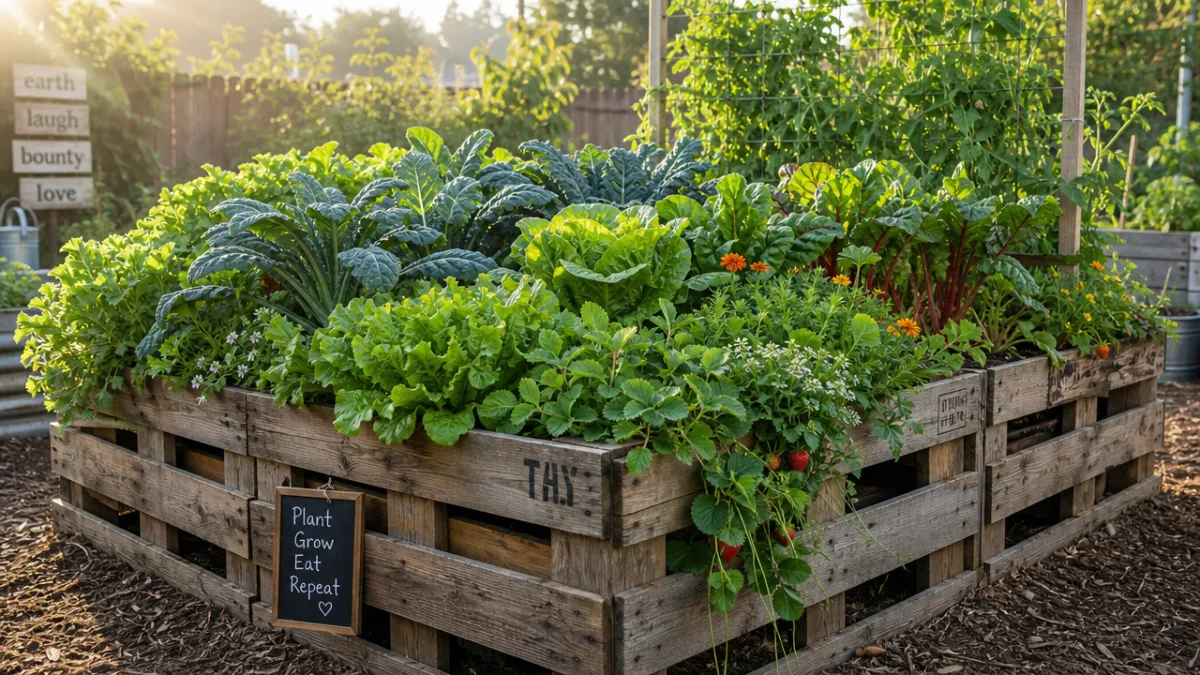
Raised garden beds made from pallets are one of the most celebrated DIY garden projects out there, and for good reason. Lifting your growing area off the ground improves drainage, gets soil warming up faster in spring, cuts down on weeds, and makes gardening much more manageable for anyone dealing with back pain or mobility issues. Pallet wood is strong enough to hold a serious volume of soil, and since you’re building to fit your own space, everything can be sized exactly the way you want it.
A simple raised bed can be built by breaking down two or three pallets for their planks and reassembling them into a rectangular box frame. Or, if you’d rather keep things simple, stand full pallets on their sides and secure the corners with galvanized brackets for instant raised walls. Line the inside with heavy-duty landscape fabric, fill with a good mix of topsoil, compost, and aged manure, and you can have a productive growing bed ready to plant in a single afternoon. This works brilliantly for tomatoes, peppers, lettuce, kale, and most root vegetables.
If you want to get a bit more ambitious, try building tiered beds at two or three different heights across a slope or flat area. It creates a lovely visual effect while also giving you distinct growing zones for different plant families. The tallest tier might go to deep-rooted vegetables, the middle to herbs and flowers, and the shallowest to lettuce and spinach. Finish it off with labels cut from pallet offcuts — painted with plant names or variety markers — and you’ve got a growing space that looks as organized as it is productive.
- Vegetable beds: Perfect for tomatoes, peppers, beans, and cucumbers that need rich, deep soil and good drainage.
- Herb gardens: Compact pallet boxes near the kitchen door keep culinary herbs convenient and well-organized.
- Flower borders: Low pallet frames define garden edges beautifully while giving annuals and perennials a structured home.
- Strawberry patches: Shallow pallet beds with amended soil are perfect for runners and prolific summer fruiting.
- Root vegetable beds: Deeper pallet builds with loose, stone-free compost mix give carrots and parsnips room to grow straight.
Creative Pallet Furniture and Functional Garden Structures
Pallets aren’t just for planting — they’re also fantastic raw material for garden furniture and structures that can completely change how you use your outdoor space. Pallet sofas, daybeds, coffee tables, and dining sets have become a staple of budget garden design, and it’s easy to understand the appeal. Stack and bolt a few pallets together, throw on some outdoor foam cushions, add a coat of weather-resistant paint or stain, and you’ve got seating that looks right at home in a high-end garden for a fraction of what it would cost to buy.
One of the most practical things you can build for a working garden is a pallet potting bench. Stand a pallet upright and attach a horizontal work surface at waist height using extra pallet planks. The gaps between the back panel slats become instant storage for small pots, trowels, gloves, and spray bottles — everything organized and in easy reach. Add some hooks along the sides from bent nails or screw-in cup hooks, and you’ve got a proper outdoor workstation that would set you back a couple hundred dollars at a garden center if you bought it new.
Pallet fencing and garden dividers are another area where things get creative. Pallets stood upright and fixed to fence posts make a surprisingly effective privacy screen, and they’re a great backdrop for climbing plants like clematis, roses, and runner beans. Cut pallets into shorter sections to edge pathways, divide lawn from beds, or mark out a kitchen garden. And if you want the most practically satisfying pallet project of all, wire four pallets together at the corners to make a compost bin — it gives your heap the airflow it needs while keeping everything neat and contained.
Decorative and Artistic Pallet Garden Projects
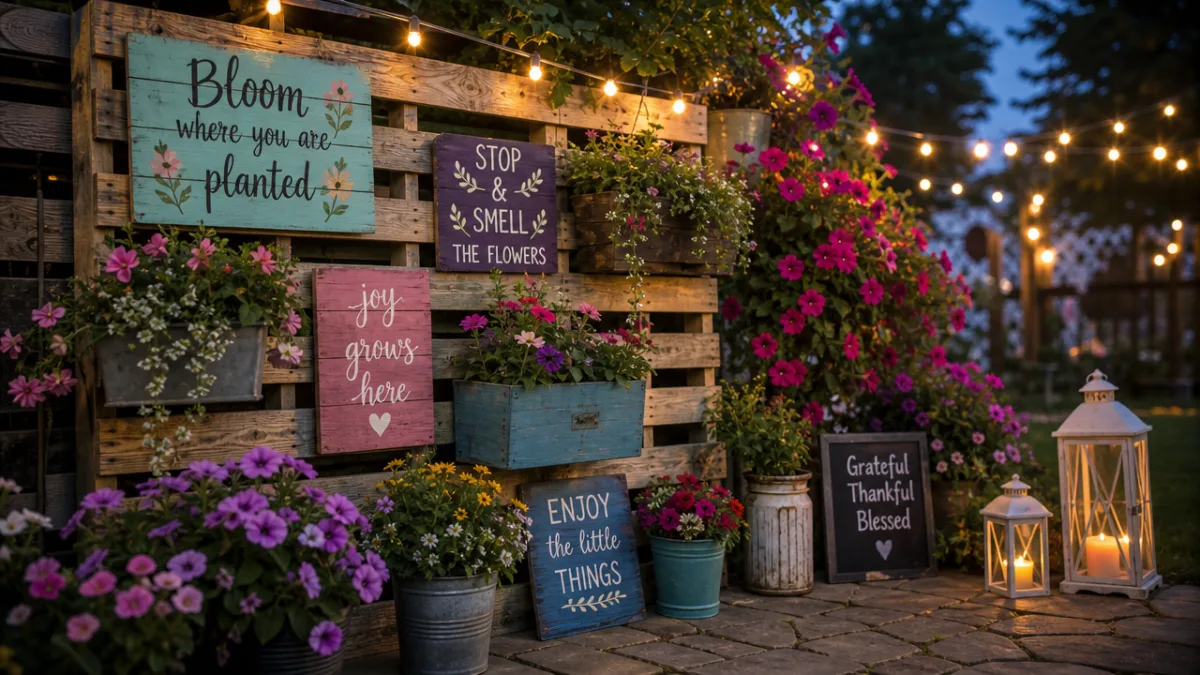
Once you’ve got the functional stuff sorted, a whole world of decorative and artistic projects opens up. Painted pallet signs make wonderful garden art — house numbers, plant names, a favorite quote, or something a bit whimsical painted onto rustic pallet wood adds real warmth and personality to any outdoor space. Stencils make it easy to get a clean, professional-looking result even if you’re not a confident painter, and outdoor chalk paint means you can refresh the design whenever the mood strikes.
Pallet planter towers are a particularly eye-catching project that also squeezes a lot of growing capacity into a small footprint. By stacking modified pallets with offset planting pockets, you can build a three-dimensional column of cascading flowers or herbs that becomes an instant focal point. Plant trailing varieties at the top so they spill down the sides, and use upright or bushy plants toward the base. Thread solar string lights through the slats after dark and the whole thing takes on a magical quality that’s just as beautiful at night as it is during the day.
Pallet art installations, decorative garden gates, picture frame-style planters, and miniature fairy gardens built into pallet frames are all ways to mix gardening with real creative expression. The beauty of pallet wood is that its imperfect, weathered character brings a kind of authenticity that brand-new timber simply doesn’t have. Every knot, grain variation, and faded ink mark has a history, and weaving that character into your garden art gives it a soul that no mass-produced garden accessory can replicate. Lean into the imperfections — they’re exactly what make each pallet project feel like your own.
- Pallet signs and garden markers: Paint or stencil plant names, welcome messages, or botanical illustrations directly onto pallet planks for charming garden art.
- Mirror frames: Sand and paint a pallet section to create a rustic outdoor mirror frame that adds the illusion of depth to a small garden.
- Planter towers: Stack and stagger pallets into a vertical column packed with cascading flowers for a dramatic focal point.
- Fairy garden displays: Use a flat pallet as a stage for miniature houses, figurines, and tiny plants to create an enchanting display.
- Seasonal displays: Swap out plants and decorations on a wall-mounted pallet planter to reflect the changing seasons and holidays.
Maintenance, Longevity, and Sustainable Practices for Pallet Gardens
Building your pallet garden is the fun part, but keeping it in good shape is what makes it last. Wood left out in the elements will eventually give way, but with a little ongoing care you can slow that process down considerably. Reapply sealant or exterior paint every year or two, and pay extra attention to the end grain and any spots where wood meets soil — those are the areas most vulnerable to moisture and rot. Propping your pallet planters up slightly off the ground on bricks or small feet also makes a real difference by improving airflow and reducing the moisture that builds up underneath.
Watering pallet gardens does take a bit more attention than in-ground planting. Because the soil volumes are relatively small, pallet planters and raised beds can dry out fast during a hot spell. Mulching the surface of your planting pockets with bark chips, straw, or cocoa shell helps hold moisture in between waterings and enriches the soil as it breaks down over time. If you want to make life easier, a simple drip irrigation system or soaker hose run through your raised beds takes the daily watering off your plate and keeps your plants getting consistent moisture right at the roots.
From a bigger-picture perspective, pallet gardening fits naturally into a reduce, reuse, recycle mindset. When a pallet eventually reaches the end of its useful life, the wood can be composted, used as kindling, or broken down for other projects. The edibles you grow — vegetables, herbs, fruit — chip away at your grocery bill and your household’s carbon footprint at the same time. And if you fill some of your pallet displays with pollinator-friendly flowers, you’re also giving bees, butterflies, and beneficial insects a little haven to call home. It’s a small thing, but a stack of reclaimed wood turned into a thriving garden is, in its own quiet way, a genuinely meaningful contribution to a healthier world.








What do you think?
It is nice to know your opinion. Leave a comment.