










10 Must-Try Garden Landscape Décor Ideas for a Fresh, Polished Outdoor Space
Why Garden Landscape Décor Transforms Your Outdoor Living Experience
Your outdoor space is an extension of your home, and with the right landscape décor, it can become one of the most enjoyable areas of your entire property. Far too many homeowners neglect their gardens, treating them as purely functional spaces rather than opportunities for genuine creative expression. When you invest thoughtful attention into garden design, you create an environment that invites relaxation, encourages connection with nature, and dramatically increases the curb appeal and overall value of your home.
The most beautifully landscaped gardens don’t happen by accident. They are the result of intentional decisions about color, texture, structure, and flow. Whether you are working with a sprawling backyard or a modest courtyard, every outdoor space has the potential to become something extraordinary. The key is understanding which elements work together harmoniously and how to layer décor choices in a way that feels cohesive rather than cluttered or random.
Modern garden landscape décor has evolved far beyond simple flower beds and lawn ornaments. Today’s outdoor design vocabulary includes architectural plants, artisan lighting, statement furniture, water features, and carefully curated hardscaping elements. By combining these components with a clear vision for the mood and function you want your garden to serve, you can craft an outdoor sanctuary that feels polished, personal, and genuinely welcoming throughout every season of the year.
Defining Your Garden’s Style and Creating a Cohesive Design Vision
Before purchasing a single plant or decorative element, the most important step is deciding on an overarching style for your garden. Just as interior design benefits from a consistent aesthetic language, outdoor spaces thrive when all the individual components speak to the same visual theme. Consider whether you are drawn to the clean geometry of a contemporary garden, the romantic abundance of a cottage-style space, the serene minimalism of a Japanese-inspired design, or the warm earthiness of a Mediterranean landscape.
Once you have identified your preferred style, it becomes significantly easier to make decisions about every other element in the garden. Your chosen aesthetic will guide your plant selection, your choice of materials for paths and borders, the style of furniture you select, and even the color palette you follow when choosing pots, cushions, and decorative accessories. A well-defined design vision acts as a filter, helping you avoid the common pitfall of accumulating mismatched elements that result in a space feeling busy and unfocused.
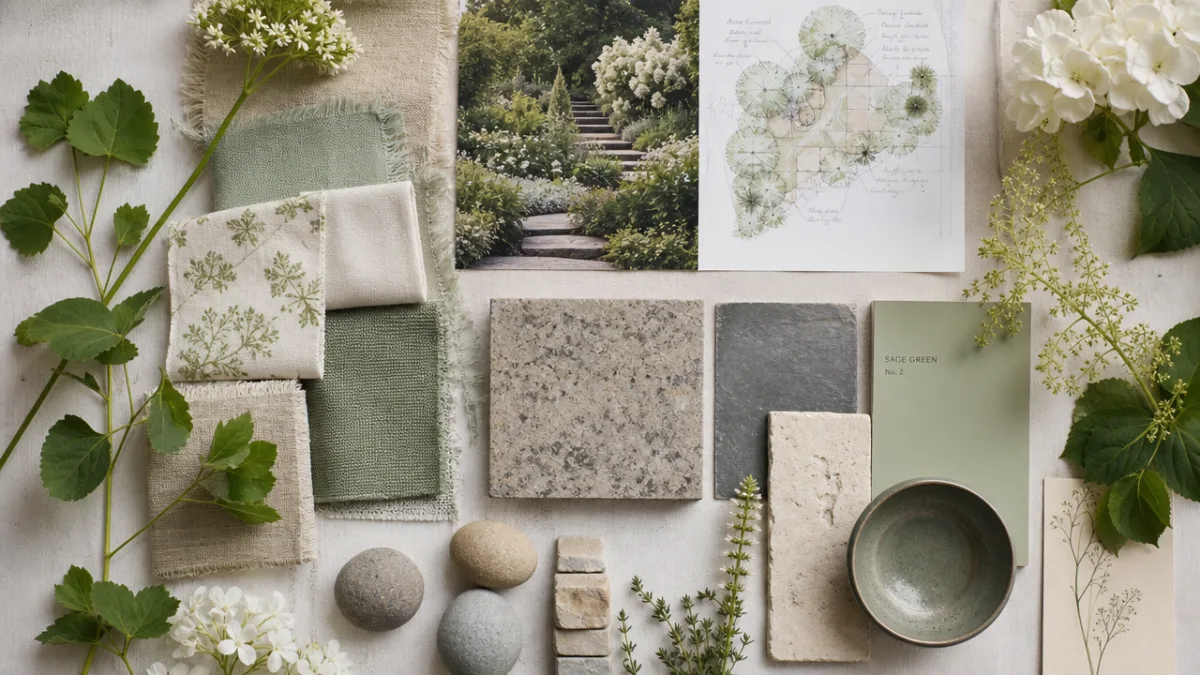
Creating a mood board before you begin any physical work is a practice borrowed from interior design that translates brilliantly to garden planning. Gather images from magazines, design websites, and platforms like Pinterest that capture the feeling you want your outdoor space to evoke. Pay attention to recurring colors, materials, and plant types across the images that appeal to you most. This process will reveal your instinctive preferences and give you a concrete reference point to return to as you make purchases and planting decisions throughout the project.
Incorporating Hardscaping Elements for Structure and Visual Interest
Hardscaping refers to all the non-living, structural elements within a garden, and these components provide the architectural backbone that gives a landscape its sense of permanence and polish. Pathways, patios, retaining walls, pergolas, and raised garden beds are all examples of hardscaping that can dramatically elevate the overall appearance of an outdoor space. The materials you choose for these elements, whether natural stone, poured concrete, reclaimed brick, or composite decking, will set the visual tone for the entire garden.
A well-designed pathway does far more than simply connect two points in a garden. It creates a sense of journey, drawing the eye and inviting exploration. Consider using irregular flagstone set into gravel or ground cover plants for a naturalistic effect, or opt for crisp poured concrete with clean lines for a contemporary aesthetic. Edging your pathways with low-growing plants, ornamental grasses, or neatly trimmed hedges adds definition and gives the path a purposeful, finished quality that elevates the whole garden’s appearance.
Raised garden beds are among the most versatile and impactful hardscaping additions you can make to any outdoor space. Beyond their practical benefits for soil management and accessibility, raised beds add height variation and visual structure to what might otherwise be a flat, undifferentiated landscape. Constructed from timber sleepers, cor-ten steel, stone, or even reclaimed materials, raised beds can be designed to complement any garden style while providing a clearly defined, organized framework for your planting scheme.
- Natural stone: Offers timeless elegance and blends beautifully with planted areas; ideal for cottage, Mediterranean, and rustic garden styles.
- Poured or stamped concrete: Provides clean lines and durability; suits contemporary and minimalist garden designs perfectly.
- Reclaimed brick: Adds warmth, character, and a sense of history; works especially well in traditional and cottage-style gardens.
- Gravel and crushed stone: Cost-effective, low-maintenance, and incredibly versatile; pairs beautifully with architectural plants and drought-tolerant schemes.
- Composite decking: Weather-resistant and available in many tones; excellent for creating seamless indoor-outdoor transitions in modern homes.
Choosing Plants Strategically for Year-Round Color and Texture
Plants are, of course, the heart and soul of any garden, but strategic plant selection goes far beyond simply choosing flowers you find attractive. A truly polished garden incorporates a thoughtful mix of plants chosen for their contributions across all four seasons. This means considering not only bloom times and flower colors but also foliage texture, plant structure, winter interest, and how different species will look together at various stages of their growth throughout the year.
Layering plants by height is one of the most effective techniques for creating gardens that look professionally designed. The general principle involves placing taller structural plants, such as ornamental trees, large shrubs, or tall grasses, at the back of borders or as focal points, mid-height perennials and flowering shrubs in the middle ground, and low-growing ground covers, trailing plants, or edging plants at the front. This tiered approach creates visual depth and ensures that every layer of the planting is visible and contributing to the overall composition.
Beyond color, foliage texture plays an enormous and often underappreciated role in garden design. Contrasting fine, feathery textures with bold, broad leaves creates dynamic visual interest that persists even when plants are not in bloom. Consider pairing the wispy, airy quality of ornamental grasses with the architectural boldness of hostas, or the delicate fronds of ferns with the chunky rosettes of sedums. This kind of thoughtful textural contrast is a hallmark of expertly designed gardens and makes a planting scheme appear rich and intentional rather than random.

Elevating Your Space with Outdoor Furniture and Decorative Accessories
The furniture and decorative accessories you choose for your garden have a profound effect on how welcoming and livable the space feels. Outdoor furniture has advanced remarkably in recent years, with high-quality materials like powder-coated aluminum, teak, all-weather wicker, and durable stone composites offering both beauty and longevity. When selecting furniture, think carefully about scale and proportion in relation to your available space, ensuring that pieces are large enough to be functional and impactful without overwhelming the garden’s planted areas.
Outdoor rugs, cushions, and throws in weather-resistant fabrics are among the simplest and most effective ways to bring warmth, color, and a sense of interior-style comfort to an outdoor setting. These soft furnishings allow you to introduce pattern, texture, and your chosen color palette in a flexible, easily updated way. Layering an outdoor rug beneath a dining set or seating arrangement immediately defines the space as a distinct room within the garden and creates the kind of deliberate, styled look that elevates a simple patio into a true outdoor living area.
Decorative accessories, including garden sculptures, ceramic pots, lanterns, and wall art, provide the finishing touches that make a garden feel curated and complete. The key to using accessories successfully is restraint and intentionality. Rather than scattering multiple small objects throughout the space, consider investing in fewer, more impactful pieces that genuinely catch the eye and contribute to your overall design narrative. A single striking sculpture, a grouping of beautifully glazed pots in varying heights, or a collection of lanterns hung from a pergola can add enormous character without creating visual noise.
Lighting Design for Atmosphere and Extended Outdoor Enjoyment
Outdoor lighting is one of the most transformative elements you can add to a garden landscape, yet it remains one of the most commonly overlooked. Well-designed garden lighting extends the usability of your outdoor space well into the evening hours and creates an entirely different, magical quality that daytime views cannot replicate. Just as interior lighting designers speak of layering light sources, garden lighting benefits enormously from a combination of ambient, task, and accent lighting working together to create a balanced and atmospheric effect.
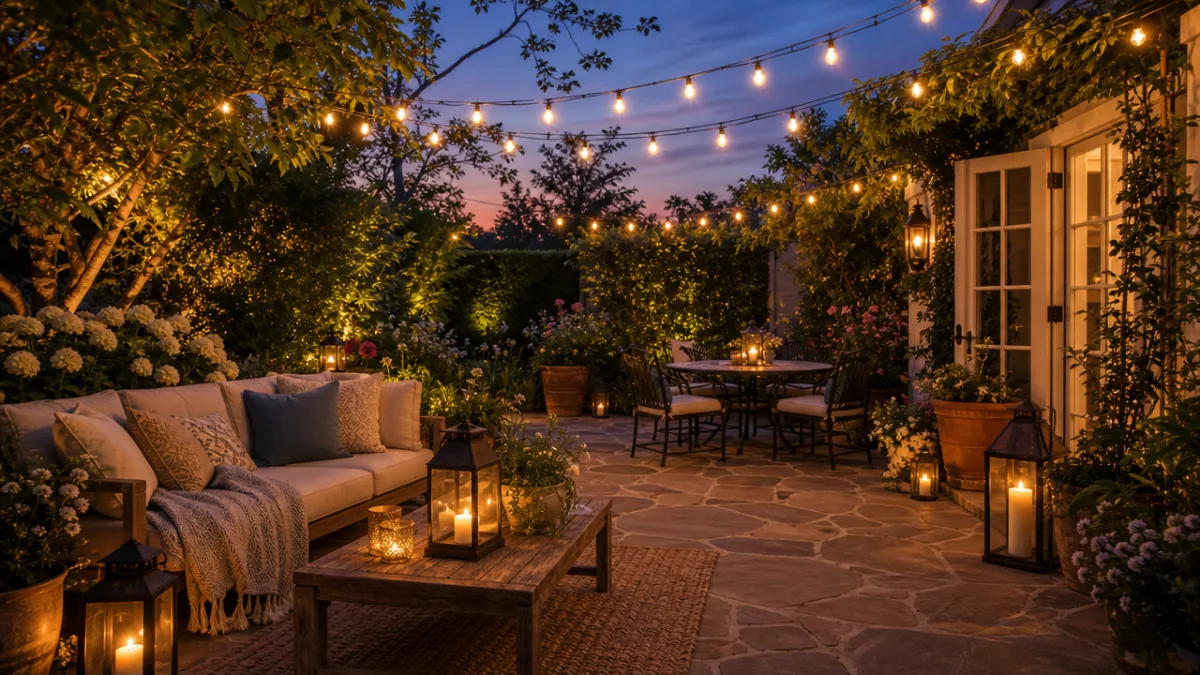
Solar-powered path lights and stake lights have improved dramatically in quality and are now a genuinely viable option for illuminating walkways, borders, and planting areas without the need for electrical installation. For a more dramatic effect, consider low-voltage LED spotlights aimed upward through the canopies of trees or behind large ornamental plants to create stunning silhouettes and depth. String lights or festoon bulbs draped across a pergola, between posts, or through the branches of garden trees create an irreplaceable warm, celebratory ambiance that instantly makes any outdoor gathering feel special.
When planning your lighting scheme, think about what you want people’s eyes to be drawn to after dark. Identifying the key focal points in your garden, whether a beautiful specimen tree, a water feature, a striking sculpture, or an inviting seating area, and positioning lights to highlight these elements will ensure your night garden has the same sense of intentional composition as its daytime appearance. Avoid the common mistake of lighting everything uniformly; strategic pools of light and areas of shadow are what create the atmosphere, drama, and depth that make a garden truly beautiful after sunset.
- Path and step lighting: Ensures safe navigation through the garden at night while adding gentle, ambient illumination along walkways and borders.
- Uplighting: Positioned at the base of trees, large shrubs, or architectural features, uplighting creates dramatic silhouettes and adds considerable vertical interest.
- String and festoon lights: Perfect for dining and entertaining areas, these create warm, inviting ambiance that encourages lingering outdoors after dark.
- Lanterns and candles: Portable and flexible, lanterns can be moved to suit different occasions and add a romantic, intimate quality to any outdoor setting.
- Underwater and feature lighting: Installed within or around water features, these lights create mesmerizing reflections and make ponds and fountains focal points even at night.
Water Features and Focal Points That Anchor the Garden’s Design
A water feature has the unique ability to add multiple sensory dimensions to a garden simultaneously. The sound of moving water is inherently calming and can help mask unwanted urban noise, creating a greater sense of seclusion and tranquility in even the most densely surrounded gardens. Visually, water introduces reflectivity, movement, and a dynamic quality that no static element can replicate. Whether you choose a formal stone fountain, a naturalistic wildlife pond, a sleek wall-mounted water blade, or a simple container water garden, a well-placed water feature becomes an immediate and irresistible focal point.
Beyond water features, every garden benefits from having at least one strong focal point that draws the eye and gives the design a sense of purpose and destination. This might be a beautifully placed garden bench framed by an archway of climbing roses, a striking specimen tree underplanted with shade-loving perennials, a decorative obelisk or trellis smothered in annual climbers, or a sculptural container grouping positioned at the end of a pathway. The focal point acts as the garden’s visual anchor, the element that the rest of the design relates back to and that gives the space its sense of narrative and composition.
Container gardening deserves special mention as a versatile and powerful tool for creating focal points and adding flexible, moveable interest throughout the garden. Large statement pots planted with architectural specimens, such as clipped topiary, ornamental grasses, or dramatic agaves, can be used to flank entrances, punctuate the corners of a patio, or mark transitions between different garden zones. The beauty of container planting is its adaptability; pots can be rearranged seasonally to maintain visual freshness, and tender plants can be moved under cover when temperatures drop, extending the range of species you can grow successfully in your climate.
Sustainable and Low-Maintenance Landscaping Approaches for a Lasting Garden
One of the most significant shifts in contemporary garden design is the growing emphasis on sustainability and ecological responsibility. A polished garden does not have to come at the expense of environmental health, and in fact, some of the most beautiful and thoughtfully designed landscapes today are built on principles of sustainability. This includes choosing drought-tolerant and climate-appropriate plants that require minimal supplemental irrigation once established, reducing lawn areas in favor of low-maintenance planted borders, and incorporating organic mulches that improve soil health while suppressing weed growth.
Creating habitats for wildlife within your garden is both an ecologically valuable practice and an aesthetically rewarding one. A garden that buzzes with pollinators, sings with birdsong, and comes alive with the gentle movement of butterflies and beneficial insects is a garden that feels genuinely alive and connected to the natural world. This can be achieved by incorporating native plants that provide reliable food sources for local wildlife, installing a small wildlife pond, providing nesting habitat through log piles or bug hotels, and reducing or eliminating the use of pesticides that disrupt natural ecological balances.
Adopting a low-maintenance approach to garden design does not mean settling for a less attractive or less interesting space. In fact, gardens designed around low-maintenance principles, featuring well-chosen plants suited to local conditions, efficient irrigation systems, generous mulching, and simplified planting schemes, often look remarkably polished because they are not struggling against their environment. Gravel gardens, prairie-style plantings, drought-tolerant Mediterranean schemes, and native wildflower meadows are all examples of low-maintenance approaches that deliver outstanding visual impact while demanding far less ongoing time and resources than traditional high-maintenance gardening styles.
Pulling It All Together: Creating Flow and Harmony Throughout Your Garden
A truly exceptional garden is more than the sum of its individual parts. What elevates a collection of attractive elements into a genuinely beautiful and harmonious landscape is the quality of flow, the way the eye moves through the space, transitions between different areas feel natural and considered, and a consistent design language connects every corner of the garden. Achieving this quality of flow requires stepping back regularly as you plan and implement your design to assess the garden as a whole rather than focusing exclusively on individual details.
Color repetition is one of the most effective tools for creating visual continuity across a garden space. By repeating key colors in different areas, whether through plant choices, pots, furniture, or accessories, you create a thread that ties the whole design together and makes it feel intentional rather than accidental. This doesn’t mean everything must match precisely; variations in shade and tone within a chosen color family can add richness and sophistication while still maintaining the underlying sense of cohesion that makes a design feel unified and professionally considered.
Finally, remember that a great garden is never truly finished. The most beautiful outdoor spaces evolve and improve over time as plants mature, design ideas develop, and your relationship with the space deepens. Embrace this ongoing nature of garden design as one of its greatest pleasures rather than a source of frustration. Start with a clear vision, implement the core structural and decorative elements that will define your garden’s character, and allow the living, breathing elements of the space to grow and develop into the lush, layered beauty that only time in a garden can produce. Your outdoor space is a living artwork, and tending it is one of the most rewarding creative practices available to any homeowner.








What do you think?
It is nice to know your opinion. Leave a comment.