










10 Spring Craft Ideas to Sell Your Handmade Wares
Why Spring Is the Perfect Season to Launch Your Handmade Business
Spring carries with it an almost irresistible energy of renewal and fresh starts, and for craft sellers, this seasonal momentum translates directly into buyer enthusiasm. After the long, quiet months of winter, shoppers are eager to refresh their homes, update their wardrobes, and find unique gifts for the many celebrations that cluster in spring — from Easter and Mother’s Day to graduation parties and outdoor weddings. This natural surge in consumer interest creates a golden window for handmade sellers to introduce new products and attract customers who are actively searching for something special and one-of-a-kind.
Beyond the emotional pull of the season, the practical timing works in a crafter’s favor as well. Farmers markets, craft fairs, and pop-up events return in full force during spring, giving makers face-to-face access to buyers who would otherwise only find them online. These in-person opportunities allow sellers to build genuine relationships, receive immediate feedback on new product lines, and create the kind of memorable brand impressions that turn casual browsers into loyal repeat customers. A well-prepared spring launch can set the financial and reputational tone for the entire year ahead.
For those selling on platforms like Etsy, Pinterest, or Instagram, spring also offers a significant algorithmic advantage. Seasonal search traffic spikes dramatically in March through May, with buyers typing in terms like “spring home decor,” “handmade Easter gifts,” and “floral wreaths” at record volume. Crafters who align their product listings, photographs, and descriptions with these seasonal keywords can ride the wave of organic traffic without spending heavily on advertising. The key is preparation — having your inventory, photography, and shop ready before the peak search season arrives.
Floral Wreaths and Botanical Door Decor
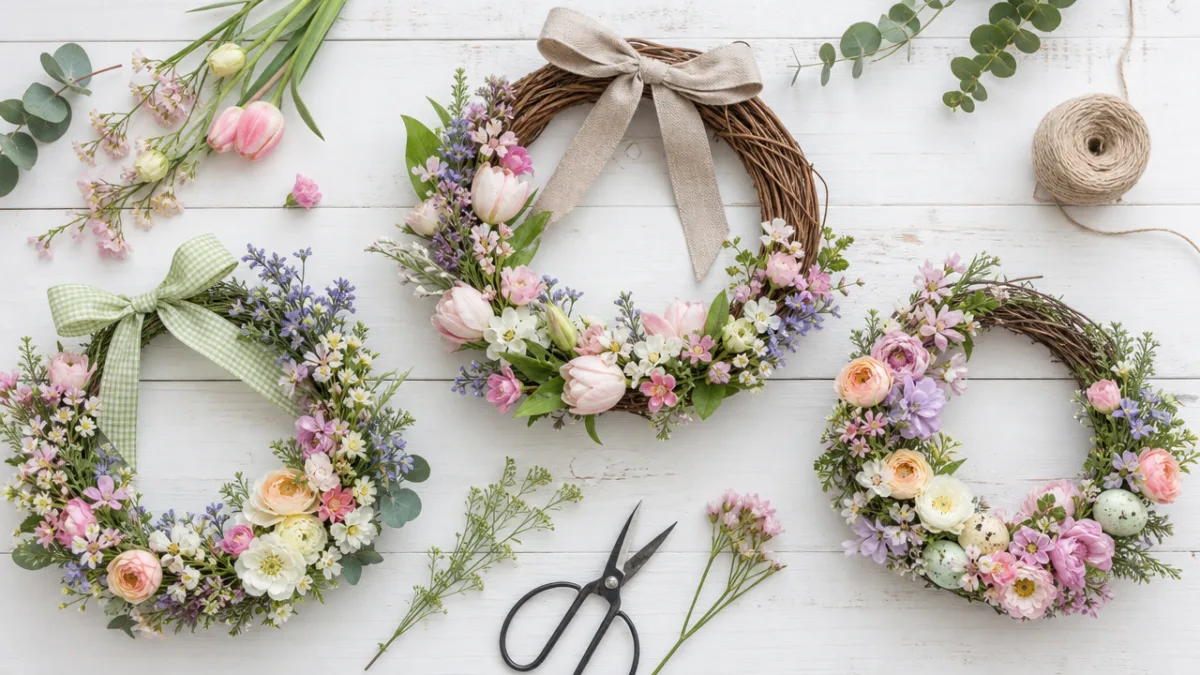
Few handmade items capture the spirit of spring quite as visually and immediately as a beautifully crafted floral wreath. Whether made from preserved dried botanicals, faux silk blooms, or freshly foraged greenery, a spring wreath signals warmth, welcome, and the arrival of something new. Sellers who specialize in wreaths consistently report strong performance in the lead-up to Easter and throughout April and May, when homeowners are motivated to refresh their entryways after months of bare winter decor. The product category also lends itself well to customization, allowing crafters to offer personalized color palettes, monograms, or seasonal theme variations that command premium pricing.
The materials and techniques used in wreath making have expanded considerably in recent years, opening up a diverse range of aesthetic options for sellers. Traditional grapevine and wire frames remain popular bases, but crafters are also experimenting with macramé-wrapped hoops, geometric metal frames, and even upcycled materials like salvaged wood slices. Buyers are responding enthusiastically to wreaths that blend natural textures — think cotton stems, eucalyptus sprigs, and dried pampas grass — with pops of seasonal color from ranunculus, tulips, and cherry blossoms rendered in high-quality silk. These mixed-media creations photograph beautifully and tend to generate strong engagement on visual platforms like Pinterest and Instagram.
For crafters considering adding wreaths to their product lineup, the startup investment is relatively modest and the learning curve is manageable. Basic supplies including a glue gun, floral wire, wire cutters, and a selection of stems and greenery can be sourced affordably from wholesale floral suppliers or repurposed from thrift store finds. As your skills grow, you can develop a signature style that distinguishes your wreaths from the mass-produced alternatives available at big-box retailers — and that distinctive quality is exactly what handmade buyers are willing to pay more to find.
Hand-Poured Spring Candles and Botanical Wax Melts
The candle market continues to be one of the most consistently profitable categories for handmade sellers, and spring offers a particularly strong opportunity to introduce fresh seasonal scents and aesthetics that feel distinct from holiday or winter offerings. Spring candle collections centered around botanical scents — think lavender and honey, fresh linen and citrus, or garden rose and green tea — resonate deeply with buyers who are transitioning their home atmospheres along with the season. These sensory products also make excellent gifts, which expands your potential customer base well beyond people shopping for themselves to include those searching for Mother’s Day presents, hostess gifts, and spring wedding favors.
Beyond scent, the visual presentation of spring candles gives crafters ample room to create truly distinctive products. Embedding dried flowers and botanical elements directly into the wax has become a popular technique that results in a stunning, gift-worthy product that doubles as home decor even before it is burned. Pressed violets, lavender buds, rose petals, and chamomile flowers all work beautifully in clear container candles and produce photographs that perform exceptionally well on social media and product listing platforms. Crafters who invest time in developing a cohesive, aesthetically considered product line — consistent color palettes, coordinated labels, thoughtful packaging — tend to see significantly higher average order values and stronger repeat business.
Wax melts deserve particular attention as a complementary product that can dramatically increase your per-transaction revenue with minimal additional production effort. Because wax melts use less material than full candles and can be packaged in small, affordable sets, they serve as an accessible entry point for customers who might hesitate at a higher-priced candle. Offering a spring sampler set of four to six melts in a coordinated floral package gives buyers a low-risk way to try your scents and, more often than not, converts them into full-candle customers with their next purchase. Bundles and sampler sets also tend to photograph attractively and perform well as promoted listings.
Resin and Pressed Flower Jewelry
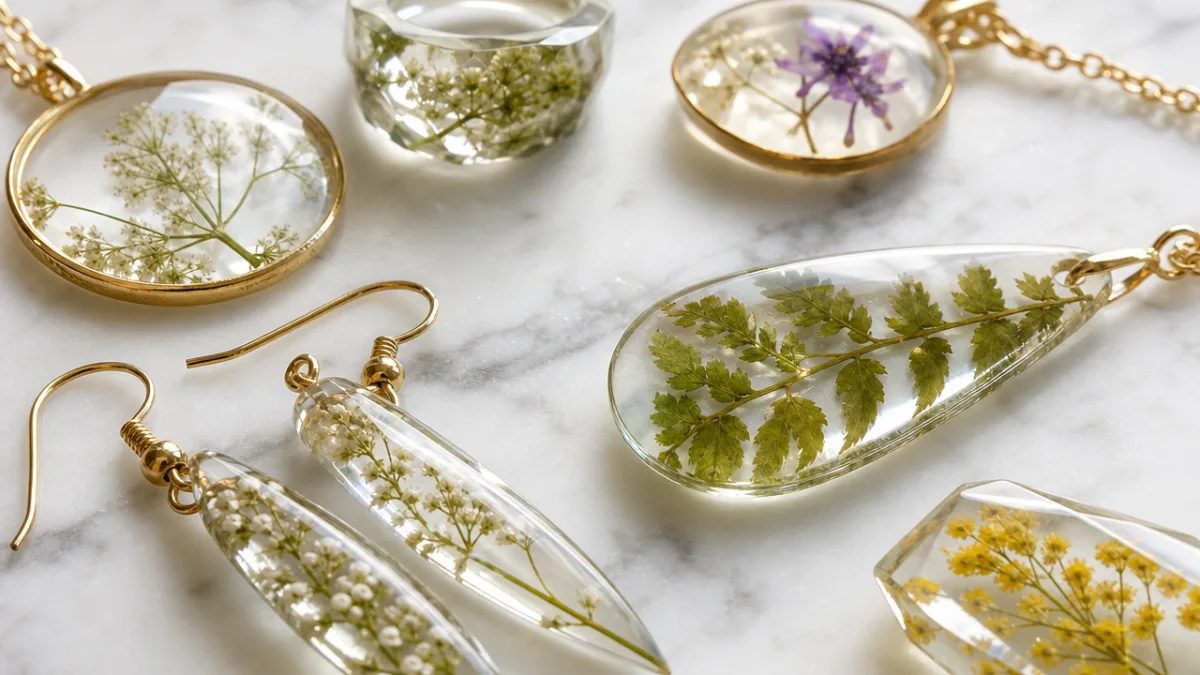
Handmade jewelry has always been a strong category for craft sellers, but the intersection of resin casting and pressed botanicals has created a particularly exciting niche that aligns perfectly with spring’s aesthetic themes. Earrings, pendants, rings, and hair accessories that encase real pressed flowers, leaves, and ferns in clear resin carry an almost magical quality — they are wearable pieces of nature, preserved at the peak of their beauty. This category appeals strongly to buyers who value the uniqueness and story behind each piece, since no two pressed flowers are identical and no two finished resin pieces will ever be exactly alike. That inherent individuality is one of the most compelling selling points you can highlight in your product descriptions and marketing.
The production process for resin jewelry is accessible to crafters of all experience levels, though achieving professional-quality results does require attention to detail and some practice. UV resin, which cures quickly under a UV lamp, is particularly popular for small jewelry pieces because it allows for fine control and fast iteration. Two-part epoxy resin works well for deeper molds and larger pieces. The real artistry lies in the pressing and preparation of the botanical materials — flowers must be thoroughly dried before embedding to prevent air bubbles and discoloration — and in the thoughtful composition of each piece. Sellers who develop a distinctive style, whether that means a preference for certain flower types, color families, or jewelry silhouettes, tend to build a recognizable brand that attracts dedicated followers.
Marketing resin botanical jewelry effectively means investing in quality photography that captures the translucency and delicacy of the pieces. Natural light is your best friend here — shooting near a bright window on a clear day will bring out the luminous quality of the resin in a way that artificial lighting rarely replicates. Flat lays against neutral backgrounds like white marble, linen, or dried grasses allow the jewelry to be the clear focal point. Short video content showing light playing through a resin pendant or earring can be particularly compelling on platforms like TikTok and Instagram Reels, often generating far more organic reach than static images alone.
Hand-Stamped and Watercolor Stationery Sets
Spring is a season rich with occasions that call for beautiful, personal correspondence — Easter cards, Mother’s Day notes, graduation congratulations, wedding invitations, and simple “thinking of you” messages that feel especially meaningful after a long winter. For crafters with a love of paper goods, hand-stamped and watercolor stationery sets represent a product category with strong demand, excellent gift potential, and the ability to be produced in batches that make the economics work well for a small handmade business. A thoughtfully assembled spring stationery set — perhaps featuring watercolor floral illustrations, custom stamps, and coordinating envelopes — can command prices that reflect both the artistry and the emotional value buyers attach to beautiful paper.
Watercolor florals in particular have a timeless appeal that translates beautifully to paper products. Loose, impressionistic blooms in soft spring palettes — blush, sage, lavender, butter yellow, and soft coral — feel both contemporary and classic, making them appropriate for a wide range of buyers from teenagers to grandmothers. Crafters who develop a consistent watercolor style that can be reproduced through high-quality digital printing can scale their production significantly beyond what purely hand-painted originals would allow, while still maintaining the artisan quality and aesthetic that buyers seek. Offering both original hand-painted pieces and printed editions at different price points gives you flexibility to serve multiple market segments simultaneously.
Hand-stamped designs using carved rubber or foam stamps offer another avenue for producing stationery with a clearly handmade character. Custom stamp sets in spring motifs — bees, butterflies, tulips, birds, garden vegetables — allow for mix-and-match designs that buyers can arrange in their own personal compositions, making the stationery feel interactive and creative rather than passive. Pairing stamped cards with coordinating washi tape, stickers, or embellishments creates a “happy mail” aesthetic that has cultivated a devoted following in the stationery community and drives strong word-of-mouth referrals among buyers who love to share their purchases on social media.
Macramé Plant Hangers and Fiber Art Decor
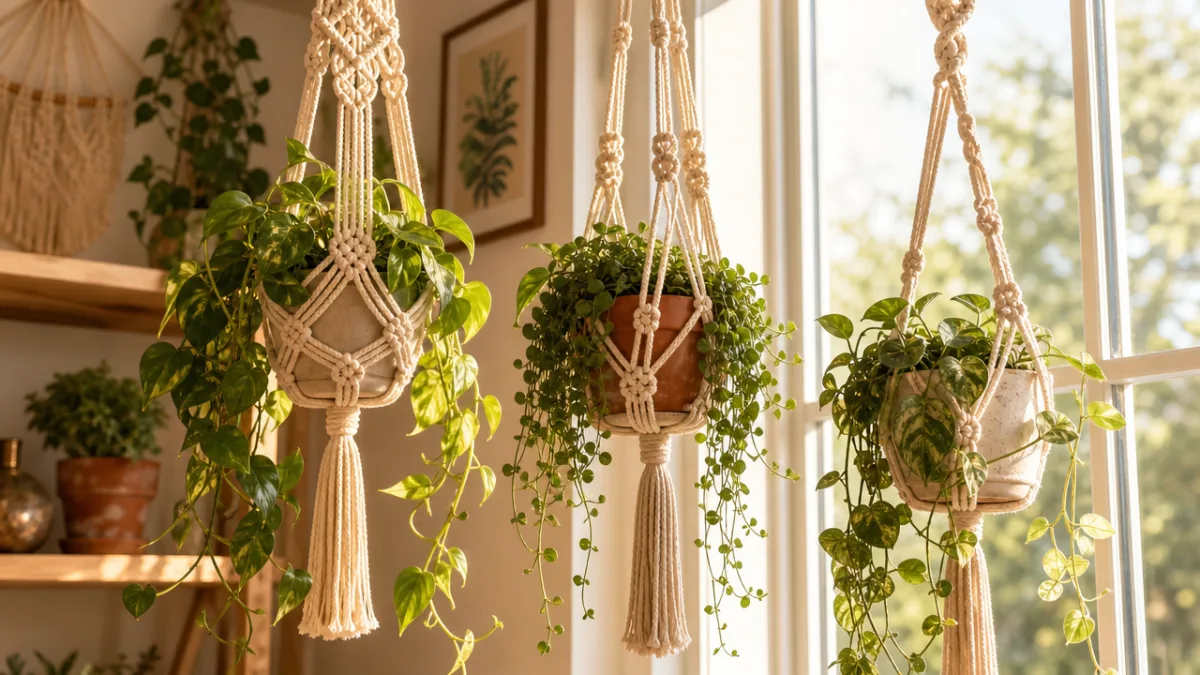
The macramé revival that began several years ago shows no signs of slowing down, and spring’s association with lush greenery and the return of houseplant season creates a natural moment to position fiber art products as both functional and decorative home essentials. Macramé plant hangers remain one of the most consistently searched handmade home decor items online, with buyers ranging from apartment dwellers creating indoor jungles to homeowners designing outdoor patio spaces. The combination of natural cotton rope, trailing pothos or trailing string-of-pearls plants, and warm wooden beads creates an aesthetic that feels organic, artisanal, and deeply on-trend across multiple design communities simultaneously.
Beyond the classic plant hanger, spring presents an opportunity to expand into complementary fiber art pieces that share materials and techniques while offering buyers additional ways to bring the macramé aesthetic into their spaces. Wall hangings featuring botanical motifs, woven in spring color palettes, are particularly popular as gifts and home refresh purchases. Smaller items like macramé keychains, bag charms, and coasters offer accessible price points that make excellent add-on items at craft fairs or as the kind of “while I’m here” impulse purchase that significantly increases your average transaction value. Having a range of products at different price points — from a five-dollar keychain to a hundred-dollar large wall hanging — ensures that every customer who visits your booth or online shop can find something within their budget.
For crafters building a macramé product line with sales in mind, efficiency of production deserves serious consideration alongside aesthetic quality. Because fiber art can be time-intensive to create, developing a system for producing your most popular pieces in streamlined batches — pre-cutting rope lengths, preparing bead supplies in advance, working on multiple pieces simultaneously — is essential for maintaining profitability. Documenting your most popular patterns and refining them for speed without sacrificing quality is a practice that pays dividends over time. Many successful fiber art sellers also offer beginner workshops or pattern downloads as additional revenue streams that leverage the same expertise without requiring additional material costs.
Practical Tips for Selling Your Spring Crafts Successfully
Creating beautiful handmade products is only half of the equation for a thriving craft business — the other half is strategic, consistent marketing that puts your work in front of the buyers who will love it most. Pinterest deserves a prominent place in every craft seller’s marketing strategy, particularly for visually driven products like the ones explored throughout this article. Pinterest functions as a visual search engine, meaning that well-optimized pins with strong photographs and keyword-rich descriptions continue driving traffic to your shop long after they are first published, unlike social media posts that disappear from feeds within hours or days. Investing time in creating vertical, high-quality pin images with text overlays and clear product descriptions is a high-return activity for handmade sellers.
Pricing your handmade work appropriately is one of the most common challenges craft sellers face, and spring — with its increased buyer enthusiasm and gift-giving occasions — is an ideal time to ensure your prices reflect the true value of your labor, materials, and expertise. A useful framework for pricing handmade goods involves calculating material costs, multiplying your hourly labor rate by production time, and adding a percentage for overhead and profit margin. Many crafters chronically underprice their work out of fear that buyers will not pay fair prices, but the handmade marketplace has demonstrated repeatedly that customers who actively seek out artisan goods are willing and eager to pay prices that reflect genuine quality and craftsmanship. Raising prices thoughtfully, with confidence, is often one of the most impactful business decisions a craft seller can make.
Building an email list remains one of the most valuable and underutilized tools available to independent craft sellers. Unlike social media platforms where your reach is subject to algorithm changes and platform policy shifts beyond your control, an email list is an asset you own and control entirely. Offering a small incentive — a discount code, a free printable, or early access to new spring collections — encourages customers and fair booth visitors to subscribe. Regular newsletters featuring new products, behind-the-scenes glimpses of your creative process, and personal stories about your craft journey build the kind of genuine connection that transforms one-time buyers into enthusiastic, loyal advocates who recommend your work to their own networks. In a marketplace crowded with options, that personal connection is your most durable competitive advantage.
- Start preparing your spring inventory at least six to eight weeks before peak selling season to avoid last-minute production pressure and ensure you have adequate stock for both online sales and in-person events.
- Photograph your products in natural spring settings — near blooming flowers, on garden tables, or beside bright windows — to create images that feel seasonally relevant and emotionally resonant to buyers.
- Research local spring markets, farmers markets, and craft fairs early in the year, as popular events often fill their vendor spots months in advance and waiting too long means missing prime selling opportunities.
- Develop a cohesive seasonal brand identity with consistent color palettes, fonts, and packaging so that your spring collection feels intentional and professional rather than assembled from unrelated products.
- Engage actively with the handmade seller community on platforms like Instagram and in Facebook groups, as peer relationships lead to collaboration opportunities, cross-promotion partnerships, and invaluable practical advice from makers who have navigated the same challenges you face.
Finally, remember that building a sustainable handmade business is a long-term endeavor that rewards patience, consistency, and a genuine commitment to your craft. Each spring season is an opportunity not only to generate revenue but to refine your product offerings, deepen your understanding of your customers, and develop your creative skills in ways that will compound over time. The makers who build lasting businesses are those who approach each season with both enthusiasm for what is possible and honest reflection on what they have learned — treating every craft fair, every customer interaction, and every product launch as both an end in itself and a stepping stone toward the thriving handmade business they are steadily building.








What do you think?
It is nice to know your opinion. Leave a comment.