










✨ The Secret to a Stunning, Weed-Free Flower Bed: Easy Methods That Actually Work
Why Weed Control Is the Foundation of a Beautiful Garden
Every gardener dreams of a lush, vibrant flower bed bursting with color and life, but the reality of maintaining one often involves an exhausting, never-ending battle against weeds. Weeds are not simply an aesthetic nuisance — they compete aggressively with your flowers for water, nutrients, sunlight, and root space. Understanding why weed control matters so deeply is the first step toward building a garden that looks effortlessly beautiful rather than constantly struggling to survive beneath a carpet of unwanted plants.
The frustrating truth about weeds is that they are extraordinarily well-adapted survivors. Many species produce thousands of seeds per plant each season, and those seeds can remain dormant in the soil for years, just waiting for the right moment to germinate. Every time you till or disturb the soil, you’re potentially bringing a fresh batch of dormant seeds to the surface where light and moisture will wake them up. This is why reactive weeding — pulling weeds only after they appear — often feels like a losing battle no matter how diligent you are.
A proactive, layered approach to weed prevention changes everything. Rather than spending your weekends on your knees pulling dandelions and crabgrass, you can design your flower bed from the ground up with weed suppression built directly into its structure. The methods explored in this article are not complicated or expensive — they rely on simple materials and smart timing to create conditions where weeds simply cannot thrive, giving your flowers the room, light, and resources they need to truly flourish.
The Power of Landscape Fabric and Proper Ground Preparation
Before you plant a single flower, the single most impactful thing you can do for long-term weed control is to prepare your ground properly. This means removing all existing vegetation — including the roots — and addressing the existing weed seed bank in the soil. Start by clearing the bed of any grass, weeds, or debris. If the area is heavily overgrown, consider smothering it with cardboard or a thick black plastic tarp for several weeks before you begin planting. This process, known as solarization or sheet mulching, kills existing plants and begins to break down root systems without the need for harsh herbicides.
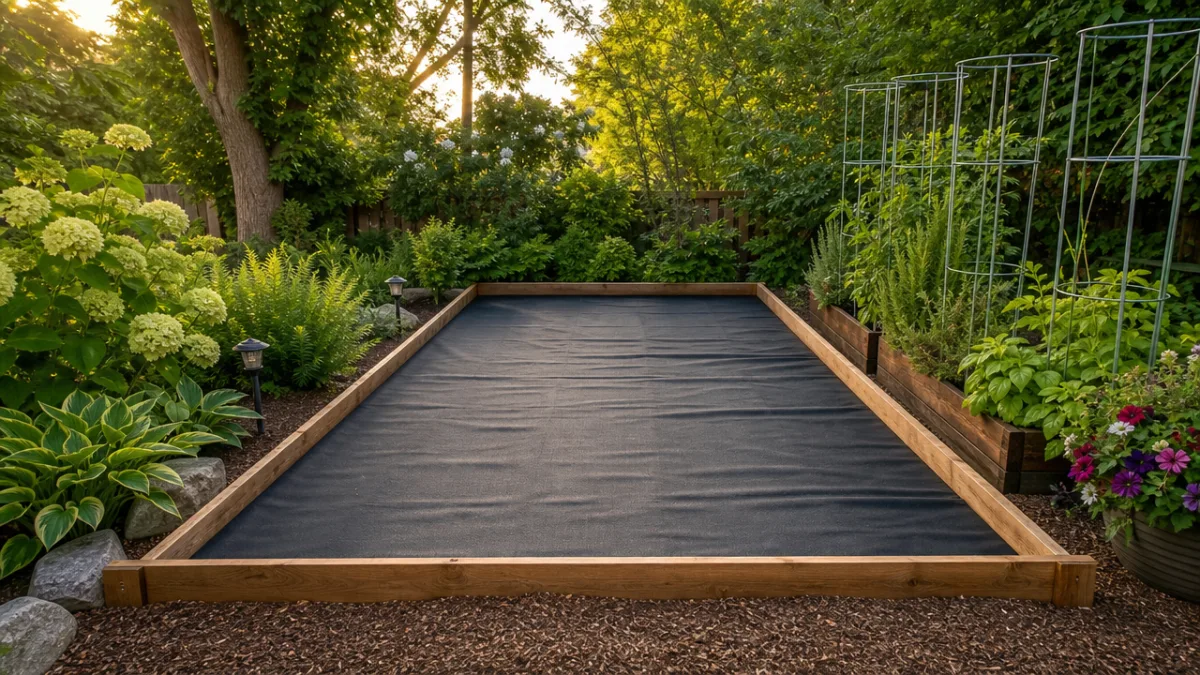
Landscape fabric is one of the most effective tools available to home gardeners for long-term weed suppression, but it must be used correctly to deliver real results. Choose a high-quality, woven geotextile fabric rather than the cheap, thin plastic sheeting often found at discount stores. Woven fabric allows water and air to pass through to your plants’ roots while physically blocking light from reaching weed seeds below. Lay it in overlapping strips across your prepared bed, securing the edges with landscape staples every twelve to eighteen inches to prevent shifting.
The preparation stage is also the ideal time to amend your soil with compost, aged manure, or other organic material. Work these amendments into the top several inches of soil before laying your landscape fabric. Healthy, nutrient-rich soil supports vigorous flower growth, and strong, well-established plants are themselves a form of weed control — their dense foliage shades the ground and leaves less room and light for opportunistic weeds to take hold. Investing time in preparation pays dividends for every season that follows.
Mulching: Nature’s Best Weed Suppressant
If landscape fabric is the foundation of a weed-free flower bed, mulch is the finishing layer that makes the system complete. Mulch serves multiple critical functions simultaneously: it blocks light from reaching weed seeds, retains soil moisture so you water less frequently, regulates soil temperature to protect plant roots, and as organic mulches break down over time, they actually improve the quality and structure of your soil. Few gardening investments offer this many simultaneous benefits for such a modest cost and effort.
When it comes to choosing a mulch for your flower beds, you have several excellent options depending on your garden’s aesthetic and your plants’ specific needs. Shredded hardwood bark is a popular choice for its natural appearance and longevity, typically lasting one to two seasons before needing to be refreshed. Wood chips from a local arborist are often available free of charge and work beautifully in larger beds. Pine straw is a lightweight, attractive option that is particularly well-suited to acid-loving plants like azaleas and hydrangeas. Straw, cocoa hull mulch, and even gravel or stone mulch are all viable depending on your planting style and climate.
The depth of your mulch layer matters enormously. A layer that is too thin — less than two inches — will allow light to filter through and weeds to germinate. Aim for a consistent layer of three to four inches across the entire bed, taking care to keep the mulch pulled a few inches back from the base of each plant stem. Mulch piled against plant stems creates a moist, dark environment that invites rot and pest damage. Refresh your mulch layer each spring to maintain adequate depth as the previous season’s organic material decomposes into the soil below.
One often overlooked benefit of mulching is its effect on soil temperature and plant establishment. During hot summer months, a thick mulch layer can keep soil temperatures several degrees cooler, significantly reducing heat stress on shallow-rooted annuals and perennials. In autumn and winter, that same layer acts as insulation, protecting the crowns and root systems of perennial plants from freeze-thaw cycles that can heave them out of the ground. From spring through winter, mulch is actively working to keep your garden healthier with essentially zero ongoing effort on your part.
Strategic Plant Spacing and Ground Cover Selection
One of the most elegant weed control strategies available to gardeners is also one of the most visually rewarding: designing your flower bed so that your desired plants themselves close the canopy and deny weeds the light they need to survive. This requires thoughtful planning of plant spacing and a deliberate selection of low-growing, spreading plants that act as living ground covers beneath and between taller specimens. When done well, this approach makes your garden look fuller, more naturalistic, and more professionally designed while actively suppressing weed growth.
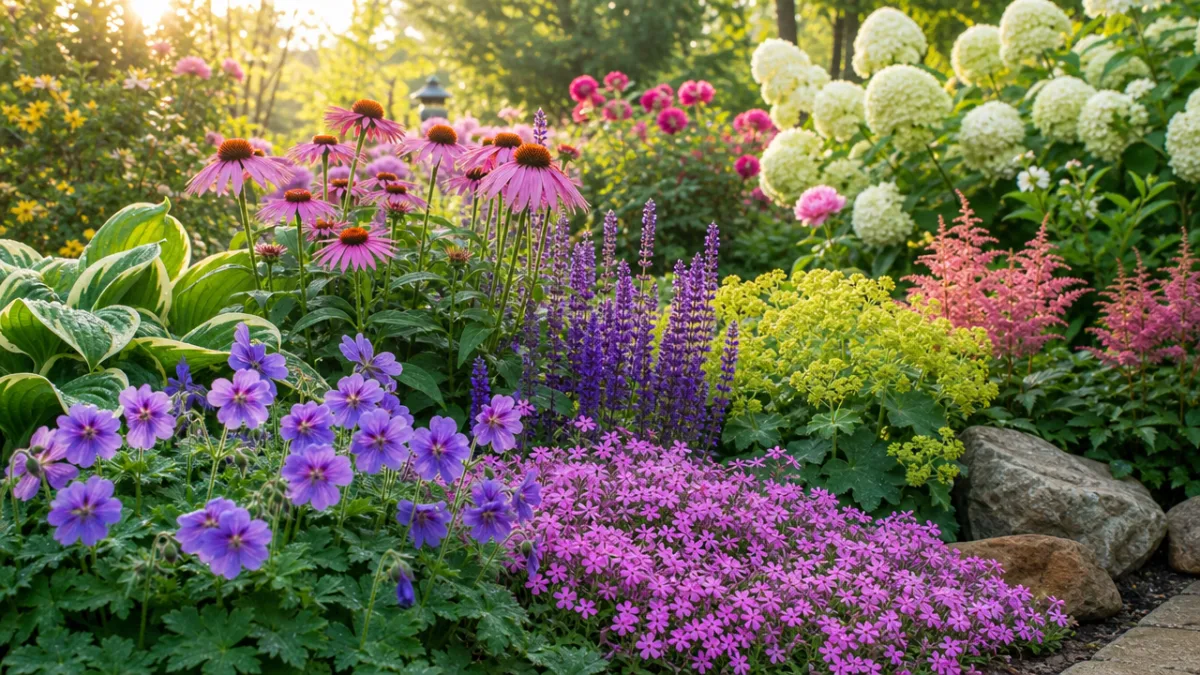
When selecting plants for ground-cover duty, look for species that spread readily, have dense low foliage, and are aggressive enough to outcompete weeds without becoming invasive problems themselves. Some outstanding choices for sunny beds include creeping phlox, which forms dense mats of color in spring; catmint, which sprawls attractively and deters many pests; and sedum varieties, which tolerate drought and spread steadily to fill gaps. For shaded beds, consider hostas, sweet woodruff, or ajuga, all of which form weed-suppressing carpets beneath taller plants. Native groundcovers are especially worth considering, as they tend to thrive with minimal care in their home climates.
Spacing your primary flowers appropriately is just as important as your ground cover selections. Resist the temptation to space plants according to their immature size at planting time — instead, space them according to their mature spread as listed on the plant tag or in your reference materials. Yes, your bed will look sparse in the first season, but by the second or third year, well-chosen perennials will have filled in beautifully, eliminating the open soil patches where weeds love to establish. Fill those first-year gaps with annual flowers or a temporary extra layer of mulch rather than allowing weeds to colonize the space.
Natural and Organic Weed Control Methods
For gardeners who prefer to avoid synthetic herbicides, there is an impressive arsenal of natural and organic weed control methods that genuinely deliver results without harming the broader garden ecosystem. These approaches work best as part of a layered strategy — no single organic method will eliminate weeds on its own, but used together and consistently, they can keep even a large flower bed remarkably weed-free. The added benefit of organic methods is that they tend to improve soil health and support beneficial insects rather than disrupting the ecological balance of your garden.
Corn gluten meal is one of the most well-researched organic pre-emergent weed control products available to home gardeners. Applied to the soil surface in early spring before weed seeds begin to germinate, corn gluten meal releases compounds that inhibit seed germination without harming established plants. It also contains approximately ten percent nitrogen by weight, making it a mild fertilizer for your existing flowers at the same time. Timing is critical — it must be applied before seeds germinate to be effective, so watch your local soil temperature and apply when the ground reaches approximately fifty degrees Fahrenheit.
Boiling water is a surprisingly effective and cost-free spot treatment for weeds that appear in cracks, along bed edges, or in areas where you cannot use other methods. Simply pour boiling water directly onto the weed, targeting the base where the roots meet the surface. The heat destroys plant tissue instantly and penetrates an inch or two into the soil to damage the root system as well. This method works best on young, shallow-rooted annual weeds and is less effective on established perennial weeds with deep taproots. It is, however, completely safe for use around children, pets, and beneficial insects when applied carefully.
Among the most practical organic methods is plain old hand weeding — but done strategically rather than reactively. The key principle to understand is that weeds are vastly easier to remove when they are small and young. A tiny weed seedling with a shallow root system can be flicked out of the soil with a finger or a quick pass of a hand hoe in seconds. That same weed, left to grow for two more weeks, may require significant effort to remove and could already be setting seed. A quick ten-minute sweep of your flower beds once a week — targeting any weed seedlings the moment you spot them — is far more effective than a grueling two-hour weeding session once a month.
There are several tools and homemade solutions that many experienced gardeners keep on hand for organic spot treatment. A useful toolkit might include the following:
- A sharp hoe or stirrup hoe — ideal for severing weed seedlings just below the soil surface on a dry day, causing them to wilt and die quickly
- A dandelion digger or taproot weeder — designed to extract deep-rooted perennial weeds like dandelions and thistles with minimal soil disturbance
- Diluted horticultural vinegar (20% acetic acid) — a contact herbicide that burns plant tissue effectively but must be applied with care to avoid contacting desirable plants
- Newspaper or cardboard sheet mulching — an effective technique for smothering weeds in new or renovated beds, using overlapping layers of paper before topping with decorative mulch
- Salt solutions applied to hardscaping only — effective along pavement edges but must never be used near flower beds as sodium accumulates in soil and damages plant health over time
Maintaining Your Weed-Free Flower Bed Through the Seasons
Creating a weed-resistant flower bed is genuinely achievable, but sustaining it requires a consistent seasonal maintenance rhythm. The good news is that this rhythm becomes easier each year as your perennial plants mature and spread, your mulch layers become well-established, and you learn your specific bed’s vulnerability points and weed pressure patterns. The first season demands the most vigilance — catch weeds early and often, refresh mulch promptly after rain compacts it, and address any gaps in your fabric or ground cover layers before weeds exploit them.
Spring is the most critical season for weed prevention. As soil temperatures rise, dormant weed seeds begin germinating in enormous numbers, and the window between germination and establishment is short. Inspect your beds in early spring before your perennials have fully leafed out, since this is the time when bare soil is most exposed and vulnerable. Apply or refresh your mulch layer as early in the season as practical, ideally before soil temperatures reach fifty degrees. If you are using corn gluten meal or another pre-emergent treatment, this is the time to apply it, following package directions carefully regarding timing relative to rainfall.
Summer maintenance focuses primarily on monitoring and spot treatment. Walk through your flower beds weekly if possible, removing any weeds you find while they are still young and before they have a chance to flower and set seed. Pay particular attention to bed edges, where grass and lawn weeds frequently attempt to encroach, and to any areas where mulch has been displaced by rain, foot traffic, or wildlife. Edge your beds cleanly with a half-moon edger or a spade to create a physical barrier between lawn and bed, and consider installing a metal or plastic edging strip for a more permanent solution.
Autumn brings a second flush of weed germination as temperatures cool, and it is also the season when many perennial weeds set seed for the following year. Do not let weeds go to seed in or around your garden — a single mature dandelion, for example, can produce up to two hundred seeds, and each of those seeds is capable of producing a new plant the following spring. Clean your beds thoroughly in late autumn, cutting back spent perennial foliage, removing any annual weeds that escaped your summer inspections, and applying a final generous layer of mulch to protect the bed through winter while suppressing early spring germination of weed seeds already present in the soil.
Seasonal maintenance tasks can be organized into a simple yearly checklist to help you stay on track without feeling overwhelmed. The following schedule summarizes the most important actions for each season:
- Early Spring: Refresh mulch layer to three to four inches; apply corn gluten meal pre-emergent if desired; edge bed perimeters cleanly; inspect for winter damage to landscape fabric
- Late Spring: Begin weekly weed monitoring; hand-pull or hoe any seedlings immediately; fill gaps in ground cover plants; replant any bare areas with annuals or additional perennials
- Summer: Maintain weekly inspection routine; spot-treat persistent weeds with boiling water or horticultural vinegar; ensure mulch depth has not compressed below two inches; water deeply and infrequently to discourage shallow-rooted weeds
- Early Autumn: Remove any weeds before they set seed; cut back spent annual plants; plant spring bulbs and fill gaps with fall perennials or ornamental grasses
- Late Autumn: Apply a fresh mulch layer for winter protection; remove all dead annual material; cut back perennials as appropriate for your climate; note any problem areas to address with improved fabric or edging the following spring
Bringing It All Together: Your Weed-Free Garden Is Within Reach
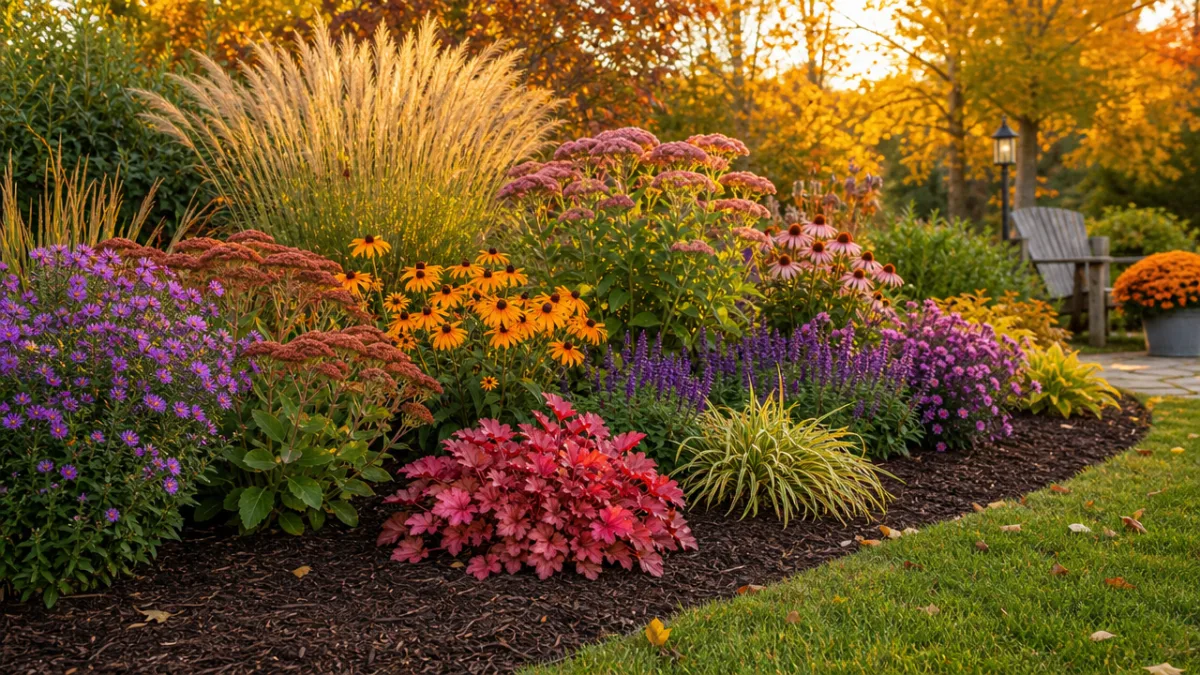
The vision of a stunning, low-maintenance flower bed filled with thriving flowers and entirely free of weeds is not a gardening fantasy reserved for professionals with unlimited time and budgets. It is a genuinely achievable goal for any home gardener willing to invest in proper preparation, a smart layered strategy, and a modest amount of consistent seasonal attention. The key insight that separates successful, beautiful gardens from frustrating ones is this: weed control is most effective and least effortful when it is built into the design of the bed from the very beginning, not applied as a desperate remedy after weeds have already taken over.
Every method described in this article works in harmony with the others. Landscape fabric alone will not give you a weed-free bed if you skip the mulch layer. Mulch alone will not stop perennial weeds with established root systems if you did not address them during initial ground preparation. Ground cover plants cannot do their job if they are spaced too far apart and weeds colonize the gaps before they can fill in. But when you combine thorough soil preparation, quality landscape fabric, generous mulching, strategic plant selection, and consistent seasonal maintenance into a single cohesive approach, the results are genuinely transformative — not just in the first season, but year after year as your garden matures and becomes increasingly self-sustaining.
It is also worth remembering that even the most meticulously maintained garden will occasionally produce a weed — and that is perfectly fine. The goal is not sterility but rather a manageable, beautiful space where you spend far more time enjoying your flowers than fighting unwanted plants. With the right foundational strategies in place, the occasional weed becomes a minor five-second task rather than a source of ongoing frustration. Your flower bed can be the stunning, thriving, colorful sanctuary you have always envisioned — and with the methods outlined here, it is well within your reach starting this very season.








What do you think?
It is nice to know your opinion. Leave a comment.