










Red Currant Tomato (Lycopersicon lycopersicum ‘Red Currant’): A Complete Growing Guide
Introduction to the Red Currant Tomato
The Red Currant tomato, botanically known as Lycopersicon lycopersicum ‘Red Currant’ — and sometimes referred to by the charming Danish trade name Ribstomat — is one of the oldest and most fascinating tomato varieties available to home gardeners today. Unlike the large beefsteak or roma types that dominate supermarket shelves, this heritage variety produces tiny, jewel-like fruits that cluster in long, graceful trusses reminiscent of actual red currant berries. Their visual appeal alone makes them a prized addition to any kitchen garden, patio container, or greenhouse setting.
Originating from wild tomato populations in South America, the Red Currant tomato is considered by many botanists to be among the closest living relatives to the original wild tomato. It belongs to a distinct botanical grouping characterized by its exceptionally small fruit size, typically measuring just 1–2 centimeters in diameter. This ancestral lineage gives the variety remarkable vigor, disease resilience, and an ability to produce fruit prolifically even under less-than-ideal growing conditions, making it a wonderful choice for beginner and experienced gardeners alike.
When sold in a standard Ø11 cm pot — as is common in Scandinavian garden centers and specialty nurseries across Europe — the plant is usually at the seedling or young transplant stage, ready to be moved into a larger container or directly into garden soil. This compact starter pot size makes it easy to transport, handle, and integrate into your existing growing setup without the need for specialist equipment. The relatively modest root ball at this stage means the plant can transition smoothly into its permanent home, provided the grower understands the basic requirements the Red Currant tomato needs to truly thrive.
Historical Background and Heritage Status
The Red Currant tomato has been cultivated in European and American gardens for centuries, with documented mentions stretching back to at least the eighteenth century. In an era when commercial breeding programs increasingly favored uniformity, yield, and shelf life over flavor and biodiversity, heritage varieties like Red Currant fell out of mainstream production. Their survival today is largely thanks to seed-saving communities, heritage seed libraries, and small-scale specialty nurseries that recognized the irreplaceable genetic and culinary value these older varieties represent.
In Scandinavian countries, this variety has enjoyed a quiet but devoted following. Danish garden culture, known for its emphasis on practicality combined with aesthetic pleasure, has embraced the Red Currant tomato both for its productivity on balconies and terraces and for its extraordinary visual appeal when tumbling over the edges of hanging baskets or climbing supports. The Danish name Ribstomat — a compound of “ribs” (meaning currant) and “tomat” (tomato) — perfectly captures the berry-like character of the fruit clusters and speaks to the affectionate familiarity gardeners in the region have long held for this variety.
Preserving and growing heritage varieties like the Red Currant tomato is an act of horticultural stewardship that extends well beyond personal enjoyment. Each time a gardener chooses an open-pollinated heritage variety over a modern F1 hybrid, they are actively participating in the conservation of agricultural biodiversity. The seeds saved from a Red Currant tomato plant grown this season carry genetic material that has been passed down through generations of careful cultivation, representing a living archive of horticultural history that no seed bank or botanical institution can fully replace on its own.
Understanding the Plant’s Characteristics and Growth Habit
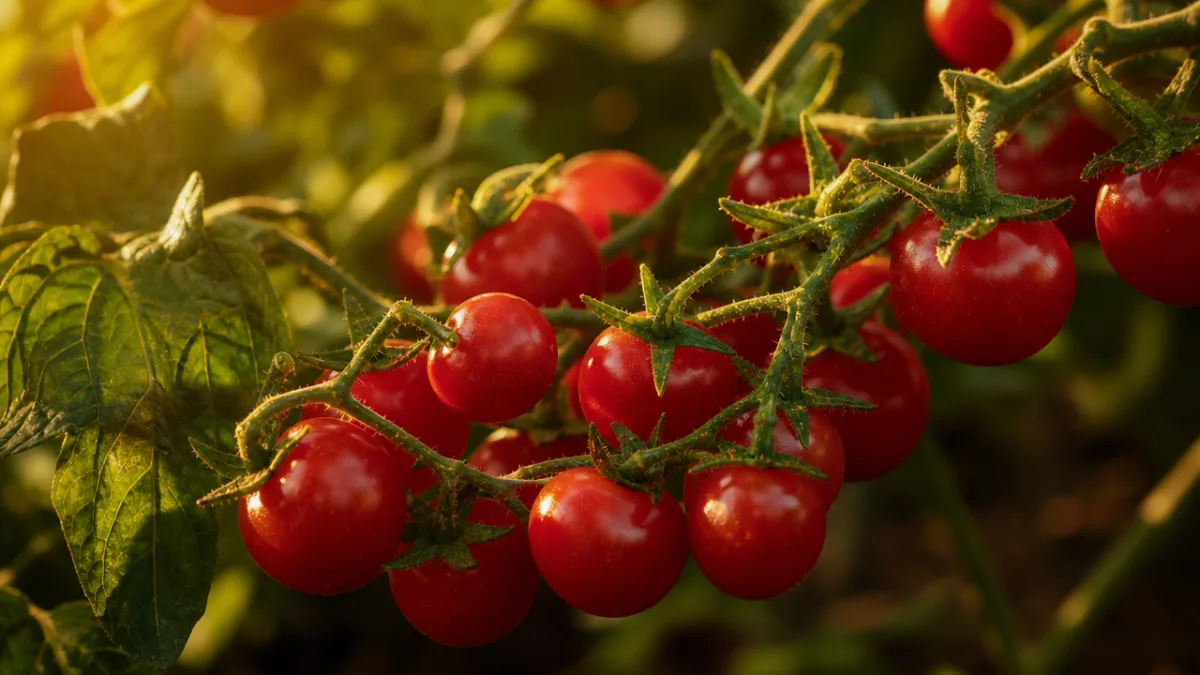
The Red Currant tomato is an indeterminate variety, meaning it will continue to grow, flower, and fruit throughout the entire growing season rather than setting all its fruit at once and then dying back. Left unpruned and given adequate support, these plants are vigorous climbers that can reach heights of 2 meters or more in a single season. The stems are slender but sturdy, covered with fine aromatic hairs that release the distinctive, sharp green tomato scent when brushed — a smell many gardeners find deeply evocative and pleasurable.
The foliage is characteristically fern-like and delicate in appearance, with smaller leaflets than most cultivated tomato varieties. This finer leaf structure gives the plant an elegant, almost wild appearance that sets it apart visually from its more robust commercial cousins. The leaves are a deep, rich green and contribute to strong photosynthetic efficiency, supporting the plant’s remarkable capacity to continuously set fruit throughout a long growing season. Side shoots, known as suckers, emerge prolifically from the leaf axils and, if left unpruned, will each develop into full fruiting branches.
Flowers are produced in long, branching trusses that can carry a dozen or more individual yellow blooms simultaneously. These flowers are self-fertile and pollinate readily in both outdoor and indoor conditions, requiring only gentle vibration — provided naturally by wind outdoors or by a light shake of the stem indoors — to release pollen effectively. After successful pollination, the tiny green fruits develop rapidly, maturing to a brilliant, glossy red within approximately 60–70 days from transplant depending on temperature and light availability. Each mature truss can carry 20–40 tiny fruits, creating a striking visual display that draws the eye and invites immediate tasting.
Flavor Profile and Culinary Uses
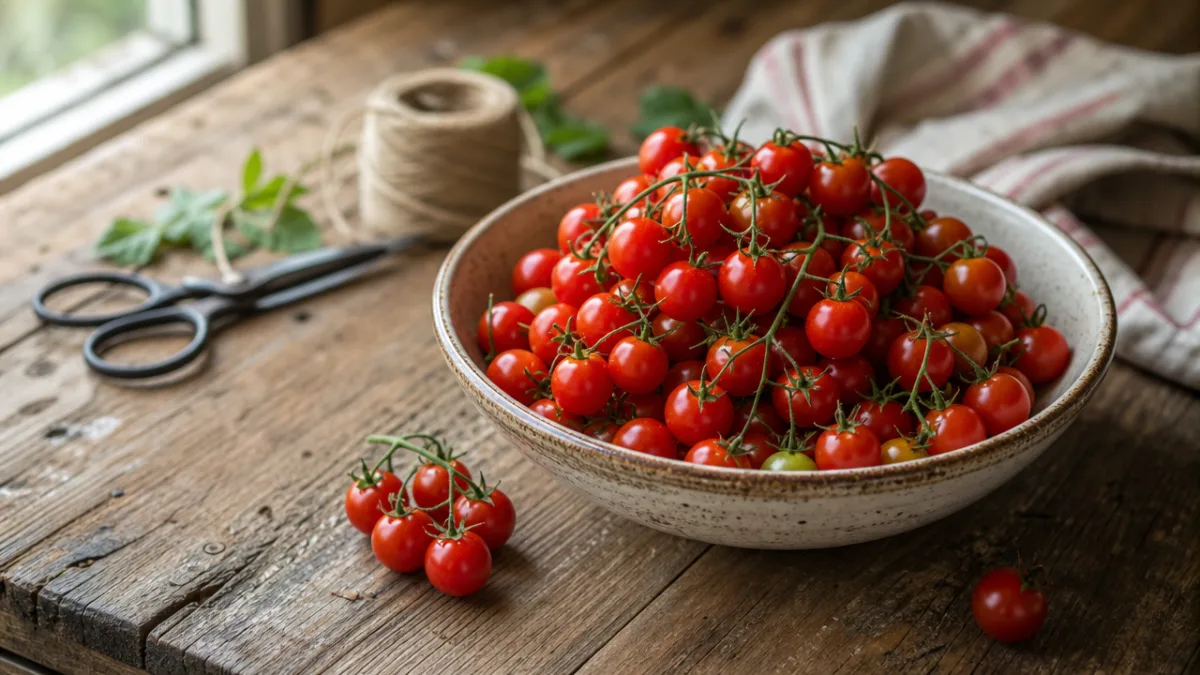
The flavor of a ripe Red Currant tomato is genuinely extraordinary and quite unlike anything available in a typical supermarket. The fruits are intensely sweet with a bright, tangy acidity that creates a complex, almost tropical flavor sensation. Their small size means the skin-to-flesh ratio is high, and the skin provides a satisfying burst followed by an immediate flood of intensely concentrated juice. Many experienced gardeners and chefs describe eating Red Currant tomatoes straight from the vine as one of the defining pleasures of the summer growing season.
In the kitchen, the Red Currant tomato’s most natural role is as a fresh ingredient. They can be scattered over salads, used to garnish charcuterie boards, or simply served alongside cheese and crusty bread as a summery snack. Their visual similarity to actual currant berries makes them a genuinely surprising and conversation-starting ingredient when used in mixed berry salads or as a garnish for desserts. The sweetness profile means they pair particularly well with fresh basil, burrata, olive oil, and flaky sea salt in a miniature caprese-style preparation.
Beyond fresh eating, Red Currant tomatoes perform beautifully in slow-roasted preparations. Halved and roasted at low heat with olive oil, garlic, and thyme, they concentrate into intensely flavored, jammy jewels that work brilliantly on crostini, stirred through pasta, or spooned over grilled fish. They also make exceptional cherry tomato sauces and, given sufficient quantity, a uniquely flavorsome tomato jam. Their natural sweetness means less added sugar is needed in preserves, and their high acidity provides natural preservation qualities that make them well-suited to simple home canning.
Planting, Potting, and Soil Requirements
When you bring home a Red Currant tomato in an Ø11 cm starter pot, the first priority is assessing when and how to move it into its permanent growing position. If nighttime temperatures are still dropping below 10°C, the plant is best kept indoors or in a heated greenhouse until conditions warm sufficiently. Tomatoes are warm-season crops that originated in tropical climates and they respond very poorly to cold soil and cold air temperatures, with growth stalling and susceptibility to disease increasing significantly when temperatures drop below this threshold.
For container growing — an extremely popular approach for this variety given its suitability for balconies and terraces — choose a pot of at least 30–40 liters in volume. This may seem disproportionately large relative to the Ø11 cm starter pot, but the Red Currant tomato’s vigorous growth habit demands significant root space to support continuous fruit production throughout the season. A quality peat-free compost mixed with approximately 20% perlite or coarse horticultural grit will provide the excellent drainage this variety requires while retaining sufficient moisture and nutrients. Avoid compacted or heavy soils that can hold excess moisture around the roots.
If planting directly into garden beds, prepare the soil well in advance by incorporating generous amounts of well-rotted compost or aged manure to a depth of at least 30 cm. Red Currant tomatoes, like all tomatoes, are heavy feeders that respond enthusiastically to fertile, well-structured soil. Planting deeply — burying the stem up to the lowest set of true leaves — encourages the development of adventitious roots along the buried stem, dramatically increasing the plant’s root system and therefore its ability to access water and nutrients. This deep planting technique is one of the most impactful single steps a grower can take to improve overall plant performance.
Support Structures and Training Techniques
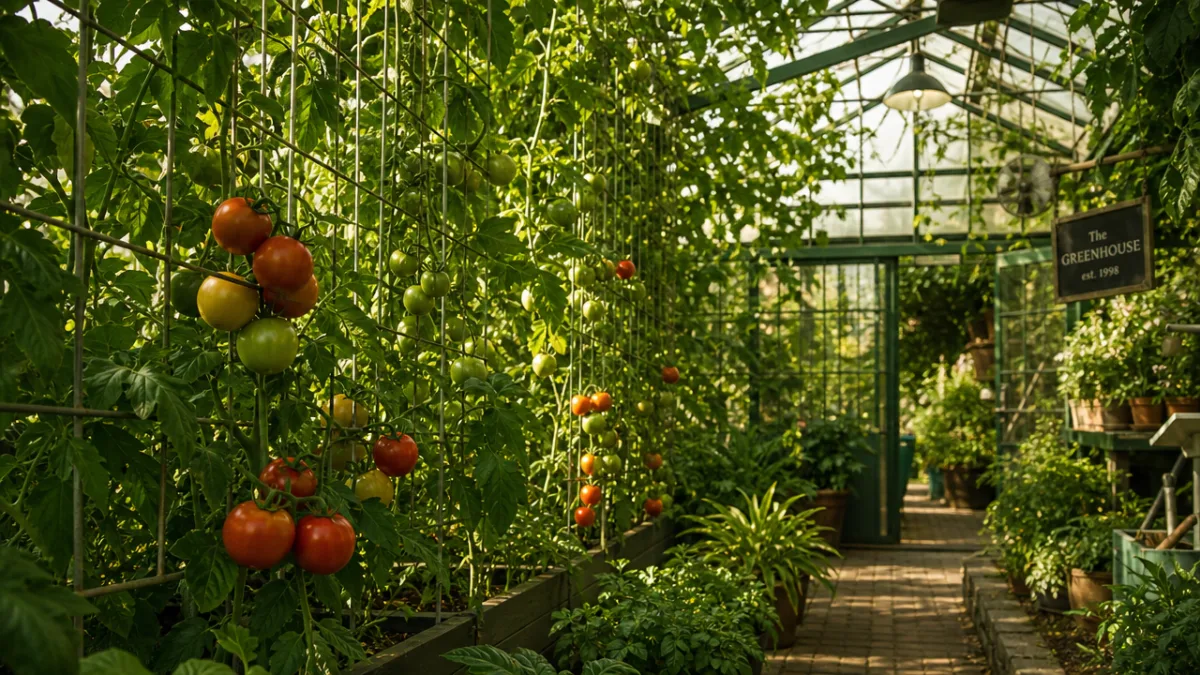
Given the indeterminate growth habit and the considerable height these plants can achieve, providing robust support from the outset is essential. A single bamboo cane or garden stake of at least 1.8 meters is a minimum requirement for container-grown plants, while garden bed specimens often benefit from being tied to taller canes, wooden posts, or integrated into a purpose-built tomato cage or trellis system. Install your support structure at planting time rather than later, to avoid disturbing the developing root system as the plant grows.
Training the Red Currant tomato to a single main stem — a technique known as cordon training — involves regularly removing the side shoots that develop in the leaf axils before they have a chance to develop significantly. This approach concentrates the plant’s energy into the main stem and the fruit trusses, producing earlier and more concentrated fruiting. However, given the naturally vigorous and somewhat wild character of this heritage variety, many gardeners prefer to allow two or three stems to develop, creating a bushier plant that produces extraordinary quantities of fruit over a longer period at the expense of a slight delay in the initial harvest.
Regardless of the training approach chosen, regular tying-in of the growing stem to the support structure is important to prevent wind damage and to keep the fruit trusses accessible and well-exposed to sunlight. Use soft ties, garden twine, or purpose-made tomato clips that allow some movement without cutting into the stem. As the season progresses and the lower portions of the plant have finished fruiting, removing older leaves from the bottom of the plant improves airflow around the base, reduces the risk of soil-borne disease splashing onto lower foliage, and helps the remaining fruit trusses receive maximum light.
Watering, Feeding, and Seasonal Care
Consistent watering is arguably the single most important factor in successfully growing Red Currant tomatoes, particularly in container situations. Inconsistent moisture levels — alternating periods of drought and overwatering — are the primary cause of blossom end rot and fruit splitting, two of the most common and frustrating problems tomato growers encounter. The goal is to maintain evenly moist but never waterlogged soil throughout the growing season. In hot summer weather, container-grown plants may require watering once or even twice daily, while garden bed specimens typically need thorough watering every two to three days.
Feeding should begin approximately two weeks after transplanting into the final growing position, once the plant has had time to establish its root system in the new soil. A high-potassium liquid tomato fertilizer applied weekly according to the manufacturer’s instructions will support strong flowering and fruit development throughout the season. Some growers prefer to use a balanced nitrogen-rich feed during the early vegetative growth phase, transitioning to a high-potassium formulation once the first flowers begin to open. Seaweed-based fertilizers used as a foliar spray can provide useful trace elements and improve overall plant resilience.
As summer transitions into autumn and temperatures begin to fall, the plant’s growth will gradually slow and any remaining green fruits on the vine will be at risk of failing to ripen fully before the first frost. At this point, it is worth removing the growing tip of the main stem — a technique called stopping — to prevent any further upward growth and to redirect all remaining energy into the ripening of existing fruits. Fruits that remain stubbornly green can be picked and brought indoors to ripen on a warm windowsill, wrapped individually in newspaper, or placed in a bowl alongside a ripe banana, whose ethylene gas output accelerates the ripening process.
Common Pests, Diseases, and Prevention Strategies
The Red Currant tomato’s heritage genetics provide it with a degree of natural resilience to many of the diseases that plague modern commercial varieties, but it is by no means immune to problems. Blight — both early blight caused by Alternaria solani and late blight caused by Phytophthora infestans — remains the most serious disease threat, particularly in cool, wet summers. Growing under cover in a greenhouse or polytunnel significantly reduces blight risk by keeping foliage dry, and ensuring adequate spacing between plants to promote airflow is one of the most effective preventive measures available to outdoor growers.
Common insect pests include aphids, which cluster on growing tips and under leaves, and glasshouse whitefly in indoor or greenhouse settings. Both can be managed effectively using a range of approaches:
- Regular inspection of growing tips and the undersides of leaves, with manual removal of aphid colonies using a damp cloth or strong jet of water from a garden hose.
- Introduction of biological control agents such as the parasitic wasp Encarsia formosa for whitefly management in greenhouse settings, or the predatory aphid midge Aphidoletes aphidimyza for aphid control.
- Application of an organic insecticidal soap spray, which disrupts the outer membrane of soft-bodied insects without leaving harmful residues on edible crops.
- Companion planting with strongly scented herbs such as basil, dill, or French marigolds, which can confuse or repel pest insects while adding visual interest and additional culinary value to the growing space.
Spider mites are a particular concern in hot, dry conditions — typically in greenhouses during high summer. These tiny sap-sucking arachnids cause characteristic fine mottling on the upper leaf surface and produce fine webbing between leaves and stems. Maintaining adequate humidity by misting foliage in the morning, ensuring good ventilation, and introducing the predatory mite Phytoseiulus persimilis as a biological control are all effective management strategies. Catching spider mite infestations early, before populations have had a chance to build significantly, is crucial to successful management.
Harvesting, Seed Saving, and Long-Term Cultivation
One of the many joys of growing the Red Currant tomato is the extended harvest period that the indeterminate growth habit provides. Unlike bush varieties that produce a single large flush of fruit and then decline, Red Currant tomatoes ripen progressively throughout the season, providing a continuous supply of fresh fruit from midsummer until the first frosts bring the season to a close. Harvest fruit when fully red, glossy, and yielding slightly to gentle pressure, at which point the flavor and sugar content will be at their peak. Whole trusses can be snipped from the plant and used as a garnish or centerpiece, preserving the visual drama of the clustered fruits.
As an open-pollinated heritage variety, the Red Currant tomato is ideal for home seed saving — one of the most rewarding and economically sensible practices available to any gardener. To save seed successfully, select the best, most vigorous fruits from the healthiest plants, allowing them to fully ripen on the vine to the point of softening. Scoop the seeds along with their surrounding gel into a small jar of water and allow them to ferment at room temperature for two to three days, stirring daily. This fermentation process destroys the germination-inhibiting gel coating and also helps identify and separate viable seeds from non-viable ones, as viable seeds will sink to the bottom while non-viable material floats.
After fermentation, rinse the seeds thoroughly under cold running water, spread them on a non-stick surface such as a ceramic plate or wax paper, and allow them to dry completely in a warm, well-ventilated location for at least two weeks. Store the thoroughly dried seeds in a paper envelope or small glass jar in a cool, dark, dry location. Seeds stored under these conditions will typically remain viable for five to seven years, providing a reliable seed supply for future seasons and the ability to share surplus seeds with other gardeners, contributing to the wider effort of heritage variety conservation.
Why Red Currant Tomatoes Deserve a Place in Every Garden
In a world increasingly dominated by standardized, commercially optimized food production, growing the Red Currant tomato is a small but genuinely meaningful act of resistance and celebration. This variety reminds us what tomatoes once were — wild, intensely flavored, visually extraordinary, and deeply connected to the landscapes and gardening traditions from which they emerged. The experience of picking and eating a warm, sun-ripened Red Currant tomato straight from the vine on a summer afternoon is one that cannot be replicated by any supermarket product, no matter how carefully packaged or elaborately marketed.
The practical benefits are equally compelling. The Red Currant tomato’s exceptional productivity means that even a single well-grown plant in a large container can provide far more fruit over the course of a season than most families can eat fresh, creating delightful surpluses for preserving, gifting, or simply sharing with neighbors and colleagues. The plant’s relative disease resilience reduces the frustration and financial cost associated with crop failures, making it a particularly good choice for gardeners who want reliable results without intensive chemical intervention. Its suitability for container growing also means that gardeners without access to traditional growing spaces — those on balconies, terraces, or in small urban courtyards — can enjoy an abundant harvest.
Whether you are an experienced kitchen gardener expanding your repertoire of heritage varieties, a novice grower looking for a forgiving and rewarding first tomato project, or simply someone who appreciates the extraordinary flavor of a truly exceptional fruit, the Red Currant tomato in its Ø11 cm starter pot represents the beginning of a genuinely special growing journey. Plant it with care, feed and water it consistently, give it the support it needs to climb toward the light, and it will reward you season after season with a harvest that is as beautiful as it is delicious — a living connection to centuries of horticultural tradition and the enduring human pleasure of growing food.








What do you think?
It is nice to know your opinion. Leave a comment.