










Patriot Hosta: The Ultimate Guide to Growing and Caring for This Stunning Shade Perennial
Introduction to the Patriot Hosta
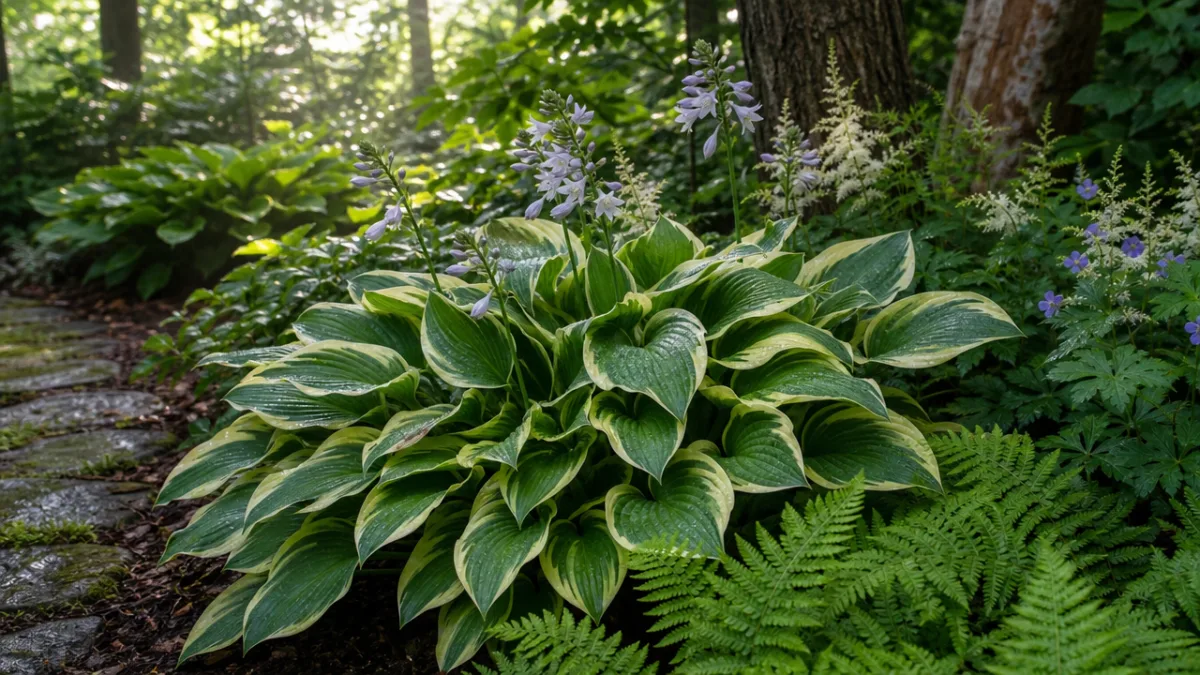
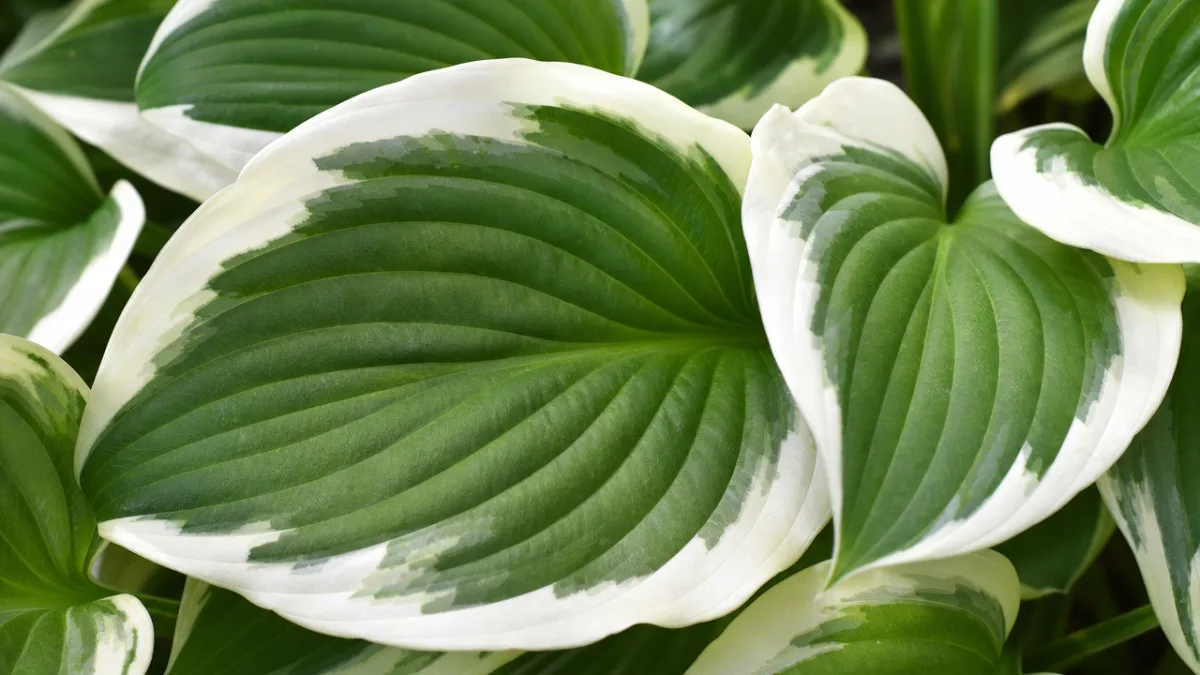
The Patriot Hosta is one of the most beloved and widely planted hosta varieties in American gardens, and for very good reason. With its bold, striking foliage that features deep green leaves edged in crisp, bright white margins, this perennial brings a sense of elegance and structure to shaded garden beds that few other plants can match. Whether you are a seasoned gardener or just beginning to explore the world of shade gardening, the Patriot Hosta offers a rewarding experience that combines visual drama with remarkable ease of care.
Originally introduced by W. George Schmid and registered in 1991, the Patriot Hosta emerged as a sport of the well-known Francee variety. What distinguishes Patriot from its parent plant is the notably wider and more pronounced white margins on its leaves, giving it an even bolder appearance in the landscape. This characteristic has made it a consistent award-winner and a top seller in nurseries across the United States, earning it the American Hosta Growers Association award and cementing its reputation as a must-have garden variety.
As a medium to large-sized hosta, Patriot typically grows to a mound that is approximately 22 to 24 inches tall and spreads up to 36 to 48 inches wide at full maturity. The leaves themselves are a substantial size, measuring around 7 to 9 inches in length, and their broadly ovate shape adds a lush, tropical quality to shaded corners and woodland garden designs. This size and spreading habit make Patriot an excellent choice for filling in large spaces under trees, along shaded walkways, or as a dramatic border planting that draws the eye and anchors a garden design.
Understanding the Ideal Growing Conditions
Like all hostas, the Patriot thrives best when planted in conditions that mimic its natural woodland habitat. It prefers partial to full shade, with the sweet spot being dappled sunlight or morning sun followed by afternoon shade. In hotter climates, particularly in USDA hardiness zones 7 and 8, providing adequate shade is especially important because excessive sun exposure can scorch the white margins of the leaves and fade the vibrant contrast that makes this variety so visually appealing. In cooler northern climates, Patriot can tolerate more sunlight, but shade remains its preference.
Soil quality plays a crucial role in the success of Patriot Hosta plantings. This variety performs best in rich, moist, well-draining soil with a slightly acidic to neutral pH, generally between 6.0 and 7.5. Heavy clay soils should be amended with compost, aged bark, or other organic materials to improve drainage and aeration before planting. Sandy soils, on the other hand, benefit from the addition of compost to improve moisture retention. Investing time in proper soil preparation before planting will pay dividends for years, as hostas are long-lived perennials that can remain in place for decades without needing division.
Moisture is another key factor in creating optimal growing conditions for the Patriot Hosta. While this plant is relatively drought-tolerant once established, it genuinely thrives when provided with consistent, moderate moisture throughout the growing season. Dry spells can cause leaf edges to brown and can diminish the overall vitality and lushness of the plant. Mulching around the base of the plant with a 2 to 3 inch layer of shredded bark or leaf mold is an excellent way to conserve soil moisture, moderate soil temperature, and suppress weeds that compete for resources.
The Patriot Hosta is rated for USDA hardiness zones 3 through 9, making it remarkably adaptable across a wide range of climates throughout North America. In colder climates, the plant will die back completely to the ground each fall and re-emerge reliably each spring. In warmer southern zones, the foliage may persist slightly longer into the fall season. This broad adaptability is one of the reasons Patriot has become so universally popular among gardeners in diverse geographic regions who want a dependable, high-impact perennial for their shade gardens.
Planting Your Patriot Hosta
The best time to plant Patriot Hosta is in the spring after the last frost has passed or in the early fall at least six weeks before the first expected frost. Spring planting allows the plant to establish its root system throughout the growing season before facing the stress of winter dormancy. Fall planting can also be successful, as the cooler temperatures and typically more abundant rainfall in autumn provide favorable conditions for root establishment without the added challenge of summer heat and drought.
When selecting a planting site, consider the mature size of the plant and give each specimen adequate space to spread without crowding. Planting too close together is one of the most common mistakes gardeners make with hostas. While crowded plantings may look intentional and lush in the short term, overcrowded hostas eventually compete for resources and can develop disease problems related to poor air circulation. A spacing of at least 3 to 4 feet between Patriot Hosta plants allows each one to develop its full, magnificent mound shape without interference.
The actual planting process for Patriot Hosta is straightforward. Dig a hole that is approximately two to three times wider than the root ball but only as deep as the root ball itself. Hostas prefer to be planted at the same depth they were growing in their nursery container, as planting too deeply can cause crown rot. Gently loosen the roots if they appear pot-bound, place the plant in the hole, and backfill with the amended soil. Water thoroughly after planting to settle the soil around the roots and eliminate any air pockets that could compromise establishment.
After planting, apply a layer of organic mulch around the base of the plant, keeping the mulch a few inches away from the crown of the plant itself to prevent moisture accumulation that can lead to rot. Water regularly for the first growing season while the plant establishes, aiming to keep the soil consistently moist but never waterlogged. During this establishment period, the plant may not produce its largest, most impressive leaves right away, but patience is rewarded as Patriot Hosta reaches its full glory within two to three growing seasons of proper care and growing conditions.
Watering, Fertilizing, and Seasonal Care
Once established, the Patriot Hosta has relatively modest care requirements, but attention to watering, fertilizing, and seasonal maintenance will keep it looking its absolute best year after year. Watering should be deep and infrequent rather than shallow and frequent, encouraging the roots to grow deeply into the soil and making the plant more resilient during dry periods. A general guideline is to provide approximately one inch of water per week during the growing season, either through rainfall or supplemental irrigation. The best time to water is in the morning, allowing any moisture on the foliage to dry before nightfall and reducing the risk of fungal diseases.
Fertilizing Patriot Hosta is beneficial but should be approached with some care. A balanced, slow-release granular fertilizer applied in early spring as the new shoots emerge from the ground provides nutrients throughout the growing season without the risk of burning the roots that can occur with concentrated liquid fertilizers. A fertilizer with an NPK ratio around 10-10-10 or one formulated specifically for shade perennials works well. Avoid fertilizing after midsummer, as encouraging new growth late in the season can produce tender foliage that is vulnerable to frost damage and may not harden off properly before winter dormancy.
As the growing season progresses, remove any damaged, yellowed, or insect-damaged leaves to maintain the plant’s attractive appearance and overall health. In mid to late summer, Patriot Hosta produces tall flower scapes topped with lavender to near-white tubular flowers that attract hummingbirds and pollinators. These flowers are a lovely bonus to the primarily foliage-focused appeal of the plant, and many gardeners enjoy leaving them in place through the blooming period. Once the flowers fade, the scapes can be removed to keep the planting looking tidy and to prevent the plant from expending energy on seed production.
In fall, after the first killing frost has blackened and wilted the foliage, cut the leaves back to the ground and remove them from the garden. This is particularly important for preventing slug and snail populations from overwintering in the decaying leaf material. Leaving a light layer of mulch over the crown of the plant in colder zones provides some insulation during the harshest winter temperatures. Come spring, pull back the mulch slightly as the soil warms to allow the emerging shoots, known as “eyes,” to push through unobstructed. The first unfurling leaves of spring are one of the great pleasures of growing hostas.
Managing Pests and Diseases
The most notorious pest affecting Patriot Hosta and virtually all other hosta varieties is the slug. These soft-bodied mollusks feed nocturnally, chewing irregular holes through the leaves and leaving behind a characteristic silvery slime trail. Slugs thrive in cool, moist conditions and are particularly problematic in wet seasons or in gardens where moisture is consistently high. The white margins of Patriot Hosta seem especially attractive to slug feeding, which can quickly transform a beautiful plant into a tattered, unattractive specimen if the problem is not addressed promptly and consistently.
Several effective strategies exist for managing slug populations in and around hosta plantings. Iron phosphate-based slug baits are among the most effective and environmentally responsible options, as they are safe to use around pets, wildlife, and children while being genuinely lethal to slugs and snails. Diatomaceous earth sprinkled around the base of plants creates a physical barrier that slugs are reluctant to cross. Beer traps, made from shallow containers sunk into the soil and filled with inexpensive beer, attract and drown slugs overnight. Hand-picking slugs during evening garden walks is labor-intensive but highly effective for smaller infestations.
Beyond slugs, Patriot Hosta can occasionally be troubled by deer, which find the large, succulent leaves to be a palatable browse. In gardens where deer pressure is high, physical barriers such as fencing or the use of deer repellent sprays applied regularly throughout the growing season may be necessary. Voles can also damage hostas by feeding on the roots and crown underground, sometimes destroying an entire plant without obvious above-ground symptoms until the plant fails to emerge in spring. Controlling vole populations through trapping or habitat modification can protect hostas and other vulnerable perennials in the garden.
In terms of diseases, Patriot Hosta is generally quite robust, but a few conditions warrant attention. Crown rot, caused by various fungal pathogens, can occur when plants are kept too wet or planted too deeply. Symptoms include wilting, yellowing, and a soft, brown decay at the base of the plant. Improving drainage, reducing overhead irrigation, and ensuring proper planting depth are the best preventive measures. Anthracnose, another fungal disease, causes irregular brown spots with darker borders on the leaves and is most problematic during warm, wet summers. Removing and disposing of affected foliage and improving air circulation around plants helps manage this condition.
Landscape Design Uses and Companion Planting
The Patriot Hosta is an extraordinarily versatile plant in the landscape, functioning beautifully in a wide range of design contexts and styles. Its bold, high-contrast foliage makes it an outstanding specimen plant when given space to develop its full mound form, but it is equally effective when massed in large drifts under shade trees for a dramatic, cohesive ground cover effect. The crisp white margins of the leaves are particularly valuable for brightening dark, shaded corners of the garden where other plants may struggle to make a visual impact, and they create a luminous quality in the garden that is especially striking in the evening hours.
When designing shade garden plantings, consider the rich contrast that Patriot Hosta creates when paired with plants of different foliage textures and colors. Ferns, with their finely textured, feathery fronds, provide an excellent textural contrast to the bold, broad leaves of Patriot. Astilbes, with their upright plumes of red, pink, or white flowers, add vertical interest and color alongside the horizontal mounding habit of the hosta. Heucheras, available in an extraordinary range of foliage colors from deep purple to caramel to lime green, offer a complementary low-growing companion that fills the spaces between larger hosta clumps with color and texture.
The white margins of Patriot Hosta also create wonderful design opportunities when combined with other white-variegated or white-flowered plants. White-flowering Astilbe, white Bleeding Heart, white Impatiens, and silvery-leaved plants such as Brunnera macrophylla ‘Jack Frost’ all share the same cool, sophisticated color palette that allows the garden to feel cohesive and intentionally designed rather than randomly assembled. This white and green palette is also particularly effective in evening gardens or moon gardens, where light-colored flowers and foliage reflect available moonlight and seem to glow with a soft luminescence after dark.
Container gardening is another excellent use for Patriot Hosta, particularly for gardeners who want to bring shade-loving beauty to patios, decks, or entryways. When growing Patriot in containers, choose a large pot with adequate drainage holes and fill it with a high-quality potting mix enriched with compost. Container-grown hostas will require more frequent watering than those planted in the ground, as pots dry out more quickly. In cold climates, container hostas need protection during winter, either by moving them into an unheated garage or by burying the pots in the ground for insulation. With proper care, container hostas can be spectacular focal points in shaded outdoor living spaces.

Dividing and Propagating Patriot Hosta
One of the great joys of growing hostas is that mature clumps can be divided to create new plants for other areas of the garden or to share with fellow gardening enthusiasts. Patriot Hosta, like all hostas, can be divided every three to five years once it has developed into a substantial clump. Division not only provides new plants but also reinvigorates the parent clump, often resulting in improved vigor and more impressive foliage in the seasons following division. Early spring, just as the “eyes” or new shoots are beginning to emerge from the ground, is the ideal time to divide hostas, though fall division can also be successful.
The division process begins with carefully digging around the entire clump with a sharp spade or garden fork, working outward from the crown to avoid damaging the root system. Once the clump has been lifted from the ground, it can be separated into sections using a sharp knife, spade, or even two garden forks placed back-to-back and levered apart. Each division should contain at least two to three eyes or growing points to ensure vigorous regrowth. Divisions that are too small may struggle to establish and may take several years to reach a presentable size.
After division, replant the sections promptly, following the same planting guidelines as for new nursery plants. Water thoroughly and keep the divisions consistently moist throughout their first growing season as they reestablish their root systems. Providing some additional shade during the first season after division can reduce transplant stress, particularly if dividing in warm weather. It is worth noting that Patriot Hosta, like all hostas, is a slow-growing plant that tends to reward patience. Newly divided sections may look modest and unimpressive for a full growing season before beginning to develop the bold, full mounds that make this variety so desirable.
Patriot Hosta can also be propagated from the offsets or “pups” that naturally develop around the base of mature plants. These small offshoots can be carefully separated from the parent plant with a sharp knife during the spring or early fall and treated as divisions. While seed propagation is technically possible with hostas, it is generally not practical for named cultivars like Patriot because seedlings will not reliably reproduce the parent plant’s distinctive variegation and foliage characteristics. Division remains the most reliable and widely used method for propagating true-to-type Patriot Hosta plants.
Why Patriot Hosta Deserves a Place in Every Shade Garden
When all of the qualities of the Patriot Hosta are considered together, it becomes clear why this variety has achieved such enduring popularity over the more than three decades since its introduction. It offers a combination of bold visual impact, adaptability across a wide range of climates and conditions, ease of care, and longevity that is genuinely difficult to match among shade-tolerant perennials. For gardeners who struggle with difficult shaded areas under trees, along north-facing foundations, or in the dense shade of neighboring structures, Patriot Hosta provides a reliable, beautiful solution that improves year after year with minimal intervention.
The white-margined foliage of Patriot is not merely attractive in isolation but serves a genuine functional purpose in the shade garden by brightening and visually enlarging spaces that might otherwise feel dark and closed in. This light-reflecting quality makes Patriot particularly valuable in urban and suburban gardens where shaded spaces can feel oppressive without the strategic use of light-colored plants. The bold, architectural form of the mature mound also adds structure and a sense of permanence to garden designs that rely too heavily on ephemeral annual flowers for their visual interest.
Beyond its purely aesthetic contributions, Patriot Hosta provides real ecological value in the landscape. Its dense mounding habit suppresses weeds effectively once established, reducing the labor required to maintain garden beds. Its flowers, while not the primary attraction, provide nectar for pollinators and are particularly favored by hummingbirds during the summer blooming period. The broad leaves provide shelter for beneficial insects and small wildlife at the ground level. In a landscape increasingly focused on supporting biodiversity and reducing maintenance inputs, Patriot Hosta fits naturally into a thoughtful, ecologically conscious approach to garden design.
In summary, the Patriot Hosta represents one of the finest achievements in modern hosta breeding and one of the most reliable and rewarding choices available to shade gardeners today. Its combination of exceptional foliage, adaptability, pest and disease resilience, and versatility in the landscape make it a plant that consistently delivers on its promise season after season. Whether planted as a solitary specimen, massed in sweeping drifts, tucked into mixed shade borders, or displayed in elegant containers, the Patriot Hosta brings beauty, structure, and a sense of timeless elegance to every garden it graces.








What do you think?
It is nice to know your opinion. Leave a comment.