










Nymphaea Colorado: The Crown Jewel of Aquatic Gardens
Introduction to Nymphaea Colorado
If you’ve ever stood beside a pond and found yourself completely captivated by a single plant, Nymphaea Colorado is exactly the kind of water lily that does that to people. This stunning hybrid is beloved by pond gardeners for its salmon-pink blooms that actually shift in colour and intensity as the day goes on, turning your pond surface into something that feels almost alive with light. Whether you’ve been gardening with water for years or you’re just starting to dip your toes in (so to speak), Colorado offers a genuinely wonderful combination of beauty, toughness, and manageable size that works well in all sorts of pond settings.
One of the things that makes Colorado so appealing is that it belongs to the hardy water lily family, which means it can handle a temperate winter as long as its rhizome stays tucked below the frost line. You won’t need to bring it indoors when the cold sets in, unlike tropical varieties that need a bit more coddling. It arrives in a 1-litre pot, already established and ready to go into your pond with minimal fuss. Don’t be fooled by the compact starting size, though — given the right conditions, this plant will spread impressively over time.
Colorado’s origins lie in careful hybridisation, drawing on some of the finest water lily genetics around. That heritage shows in how adaptable and vigorous it is — it handles a range of water depths and light levels better than many of its peers. And because it tends to produce several blooms at once throughout summer, your pond is rarely without that gorgeous peachy-salmon colour from late spring right through to early autumn. Months of continuous colour, from a single plant. It’s hard to argue with that.
Appearance and Aesthetic Qualities
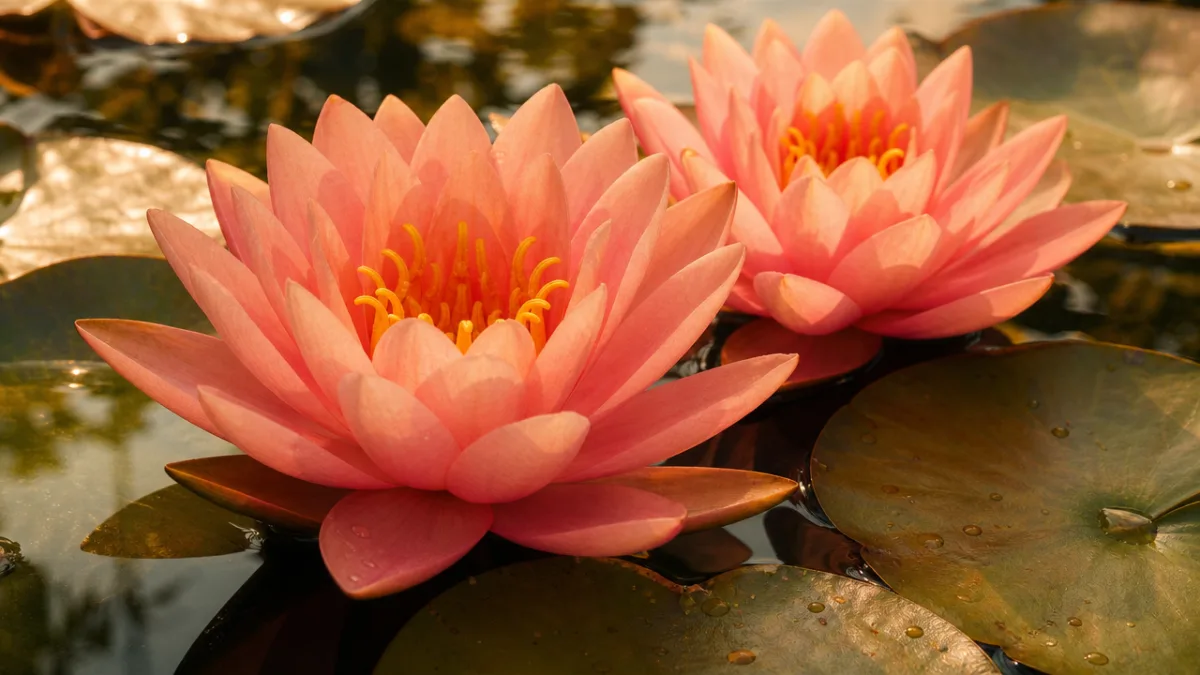
There really is no understating how beautiful Nymphaea Colorado is. When the blooms open each morning, you get these soft, layered petals that start as a deep salmon-apricot at the edges and warm into a more intense peachy-rose toward the centre. As the light shifts through the day, the colours seem to shift with it — sometimes leaning coral, sometimes almost amber in the late afternoon sun. It’s the kind of thing you find yourself checking on throughout the day just to see what it looks like now, which is probably why Colorado shows up in so many pond garden photographs.
Each flower typically reaches somewhere between 10 and 15 centimetres across, held up nicely just above the water on sturdy stems. Newly opened blooms have a lovely cup shape that gradually opens out over their three-to-four-day lifespan. Right at the centre, a cluster of golden-yellow stamens sits in brilliant contrast to all those warm pink petals, which is catnip for bees and hoverflies and makes the flower even more rewarding to look at up close. Each bloom genuinely feels like something worth stopping for.
The leaves deserve a mention too, because they’re not just filler. Colorado’s lily pads are a rich, deep green on top with a striking purplish-bronze mottling that’s especially vivid on younger leaves. Even when the plant isn’t flowering, that patterning adds real texture and visual interest to the pond surface. And once the leaves mature, they develop that beautiful waxy coating that makes water bead up and roll around on the surface — one of those simple, endlessly satisfying things to watch on a quiet morning.
Planting and Establishment
Getting the planting right at the start makes a real difference with Colorado. You’ll want a wide, shallow aquatic planting basket with latticed sides — the kind that lets water move through while keeping the soil contained. When you’re moving it from the nursery pot into its new home, aim for a basket that’s at least 30 to 40 centimetres across. That gives the rhizome enough room to spread and get properly settled during its first growing season without feeling cramped.
Fill the basket with heavy, nutrient-rich aquatic compost — not regular garden soil or multipurpose compost, which can leach nutrients into the water and set off an algae problem before you know it. Fill it about two-thirds of the way up, nestle the rhizome in with the growing tip angled slightly upward and toward the centre, then top it up with more compost, leaving the crown just at or barely above the surface. Finish with a layer of pea gravel or coarse sand over the top to keep the soil in place once it’s underwater and to discourage fish from rooting around in there.
When you first lower the basket into the pond, start it at a shallower depth — around 15 to 20 centimetres of water above the crown works well. The new growth finds the light more easily at that depth, which helps the plant establish faster. As it gets stronger and the stems lengthen, you can move it gradually down to its permanent position, somewhere between 30 and 60 centimetres of water depth. That range is where Colorado really thrives long-term. The gradual lowering mirrors how water lilies naturally establish themselves in the wild, and it genuinely makes a difference to how confidently the plant settles in.
Growing Conditions and Care
Once it’s properly settled, Colorado is fairly easygoing — but it does have some clear preferences, and meeting them is the difference between a plant that flowers reliably and one that just sits there looking leafy. Light is the big one. Colorado needs at least five to six hours of direct sun each day to bloom consistently, and ideally it should be getting that sun from mid-morning through to late afternoon. If your pond sits in shade from trees or walls for much of the day, you might end up with plenty of lush foliage but disappointingly few flowers.
Water quality matters more than people sometimes realise. Colorado does best in still or very gently moving water — strong currents or fountain spray hitting the leaves will actually hold back both leaf and flower development. It prefers a neutral to slightly alkaline pH, and it responds well to a pond that has some biological balance going on, ideally with a mix of submerged oxygenating plants to help keep the water clear and nutrient levels stable. In a natural or wildlife pond without mechanical filtration, those oxygenators really earn their keep alongside your lily.
Feeding during the growing season makes a noticeable difference to how many blooms you get and how good they look. Push aquatic fertiliser tablets into the compost around the roots every four to six weeks from spring through late summer. The key is to use fertiliser specifically made for aquatic plants — it releases slowly and steadily, feeding the roots without dumping excess nutrients into the water. Go easy on the feeding though, because overdoing it can trigger algae blooms and isn’t good for fish or other pond life.
- Minimum 5 to 6 hours of direct sunlight daily for reliable flowering
- Water depth of 30 to 60 centimetres above the crown for established plants
- Use heavy, nutrient-rich aquatic compost in a wide, shallow planting basket
- Feed with aquatic fertiliser tablets every 4 to 6 weeks during the growing season
- Avoid positioning near fountains, waterfalls, or areas of strong water movement
- Top dress the basket with pea gravel to deter fish from disturbing roots
Seasonal Management and Overwintering
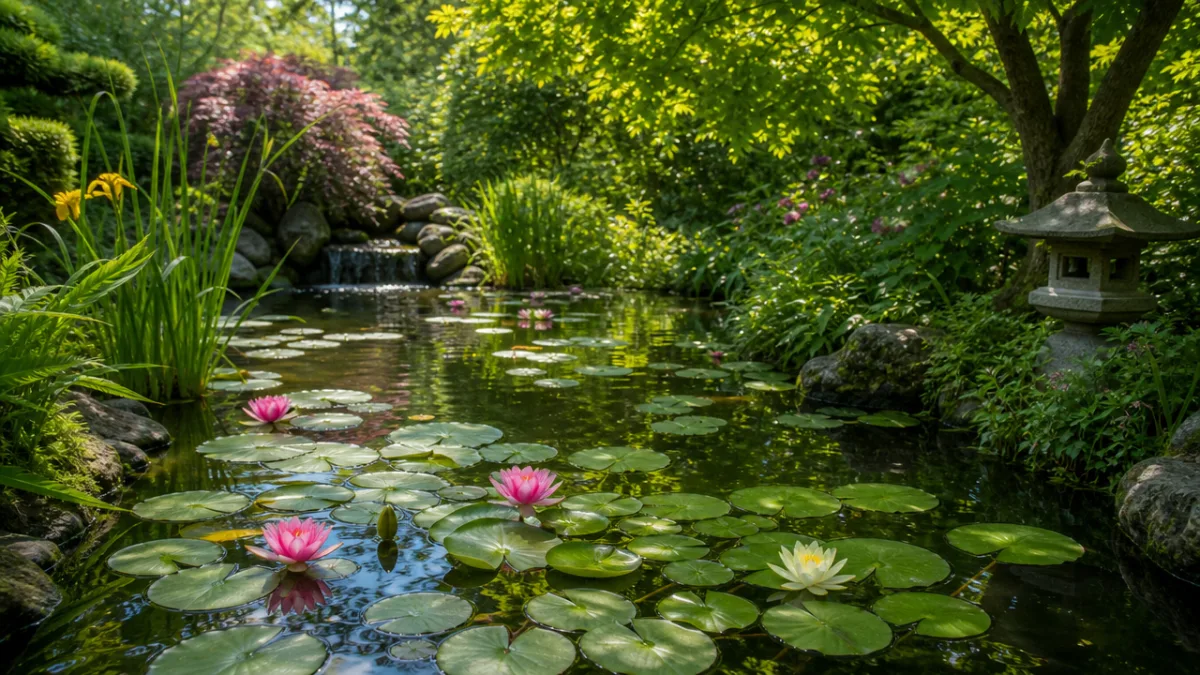
Like any good hardy water lily, Colorado follows the rhythm of the seasons in a really satisfying way. As water temperatures creep above about 10 degrees Celsius in spring — usually from late March or April onward in the UK — the rhizome stirs from dormancy and starts pushing up its first floating leaves. Flower buds follow as temperatures climb further. That first sign of new growth emerging from the water after winter is one of those quiet garden moments that never really gets old, no matter how many years you’ve been doing this.
Through summer, Colorado doesn’t ask for much beyond its regular feeding and the occasional tidy-up. Snip off yellowing or dying leaves at the base of their stems to stop decomposing plant matter affecting water quality, and remove dead flower heads if you want to keep things looking neat — though that’s more about aesthetics than plant health. It’s also worth keeping an eye on how much of the pond surface the lily pads are covering. If they start taking over too much, thinning a few leaves out helps light and oxygen get through to the fish and other life living below.
As autumn sets in and the water cools, Colorado winds down naturally. The leaves yellow and die back, flowering stops, and the plant puts its energy into storing what it needs in the rhizome for the winter ahead. Cut back the dying foliage before it breaks down in the water, and move the basket to the deepest part of the pond so the rhizome stays safely below any ice that forms at the surface during cold snaps. In most parts of the UK, that’s genuinely all you need to do — Colorado will come through winter in good shape and be ready to go again in spring.
Pond Ecosystem Benefits
Colorado earns its place in a pond for more than just looking beautiful. Those broad floating leaves do a surprisingly effective job of shading the water beneath them, cutting off the sunlight that algae depends on to thrive. During the long, warm days of summer when algae can get out of hand quickly — causing real problems for fish and other wildlife by depleting oxygen overnight — that natural shading from your lily pads is genuinely valuable, and it costs you nothing beyond the plant itself.
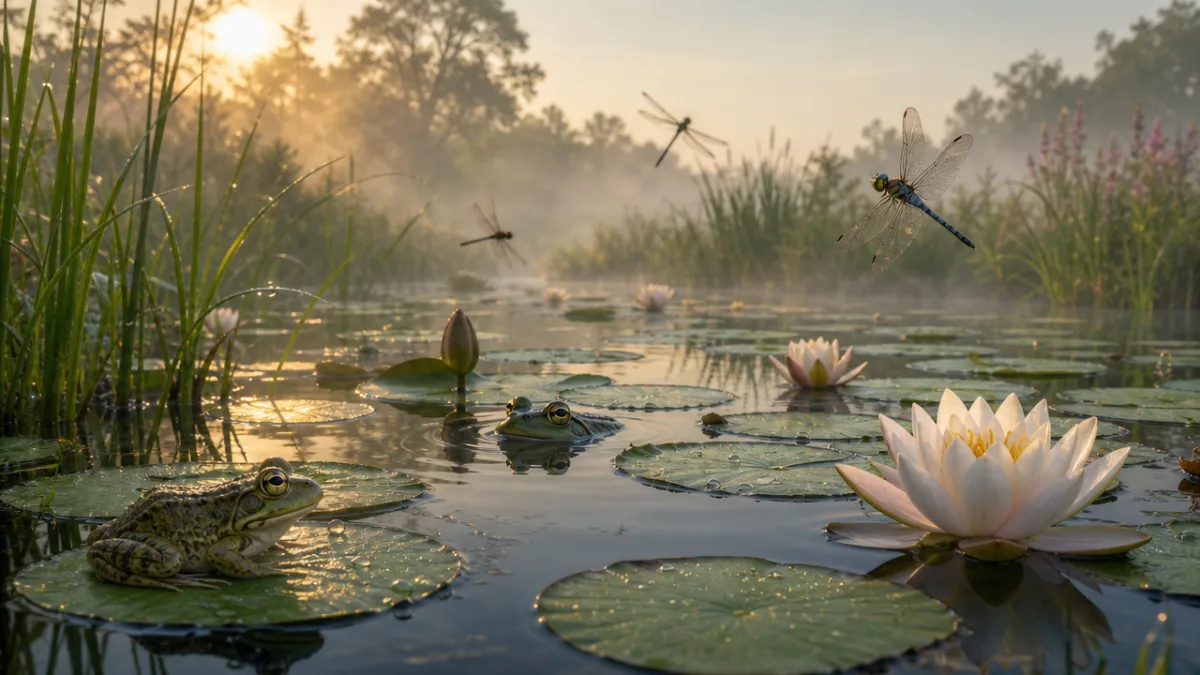
The stems and leaves also create habitat that all sorts of pond creatures are glad to have. Newts, frogs, and invertebrates use the undersides of leaves and the stems as places to spawn and rest. Small fish shelter beneath the leaf canopy when they want shade or concealment. And the flowers bring in bees and hoverflies from the wider garden, which means your pond ends up connecting to the broader ecosystem in a really lovely way. A pond with a healthy water lily in it becomes something more than a water feature — it starts to feel like a genuine little world of its own.
There’s also a water quality angle worth mentioning. An established Colorado develops an extensive root system that draws nitrates and other dissolved nutrients straight out of the water and substrate. Essentially, the plant is competing with algae for the food that would otherwise fuel unwanted blooms, which is a form of biological filtration that happens entirely naturally. It won’t replace proper pond management or mechanical filtration in a heavily stocked fish pond, but it makes a real and meaningful contribution to keeping the water clear and balanced throughout the growing season.
Purchasing Considerations and Value
Buying Colorado in a 1-litre pot gives you a young but well-established plant that’s already been started in a nursery environment and is ready to go straight into pond life. It’s genuinely good value as a starting point, because water lilies grow quickly when conditions suit them — within two or three growing seasons, you can expect a plant that covers a significant spread of water surface. Investing in a quality named cultivar like Colorado is absolutely worth it, because you’re not just buying this year’s flowers. You’re buying decades of reliable blooming with very little ongoing cost.
Before you buy, it’s worth thinking about whether your pond is the right size for Colorado. It’s classified as a medium water lily, with a mature spread of roughly 90 to 120 centimetres across the water surface. That means it’s well suited to ponds with a surface area of at least two to four square metres — enough room to show off properly without crowding everything else out. If you’re working with a smaller container pond or a very compact feature, a miniature or pygmy variety would suit you better. But in a medium to large pond, Colorado will genuinely look magnificent.
When it comes to where you buy, a reputable specialist aquatic nursery or garden centre is well worth seeking out. Named cultivars like Colorado should always be propagated vegetatively rather than from seed — that’s the only way to guarantee you’re getting consistent colour and form — and a good supplier will be happy to confirm that’s how their stock is grown. When your plant arrives, check that the rhizome feels firm and healthy, with a strong, undamaged growing tip and good green foliage. If it looks healthy and vigorous from the start, you’re in for many years of one of the most beautiful things you can have in a garden pond.
- Confirm the plant is a vegetatively propagated named cultivar for colour consistency
- Check that the rhizome is firm and healthy with an active, undamaged growing tip
- Ensure your pond has a minimum surface area of 2 to 4 square metres for a medium lily
- Plan for a mature spread of up to 120 centimetres when positioning the basket
- Purchase from a specialist aquatic nursery for the best quality and expert advice
- Consider the pond depth range of 30 to 60 centimetres when planning planting positions








What do you think?
It is nice to know your opinion. Leave a comment.