










How To Keep Flowers Lasting Long In The Aruban Weather: Top 6 Tips To Care For Your Fresh Flower Arrangement At Home
Aruba is one of the most beautiful islands in the Caribbean, known for its white sandy beaches, turquoise waters, and nearly endless sunshine. But that same tropical climate — with its intense heat, low humidity, and persistent trade winds — can be a serious challenge for anyone trying to keep fresh flowers alive and vibrant inside their home. If you have ever brought home a gorgeous bouquet from Jardin Caribe Flowershop Aruba only to watch it wilt within a day or two, you are not alone. Understanding the local environment is the very first step toward giving your floral arrangements the best chance at a long, beautiful life.
The island sits outside the hurricane belt and enjoys remarkably consistent weather year-round, with temperatures often hovering between 28°C and 32°C (82°F to 90°F). While this makes Aruba a paradise for tourists and residents alike, it creates a uniquely demanding environment for cut flowers. Heat accelerates the metabolic processes in flower stems, causing them to consume water and nutrients at a much faster rate than they would in cooler climates. Add to that the constant airflow from trade winds, and you have conditions that can dehydrate a flower arrangement in a matter of hours if proper care is not taken.
The good news is that with the right knowledge and a few consistent habits, you can significantly extend the life of your fresh flower arrangements. Whether you have a romantic mixed bouquet on your dining table, a stunning tropical arrangement in your living room, or simple sunflowers brightening up your kitchen counter, the tips in this guide will help you enjoy your flowers for much longer than you thought possible in Aruba’s demanding climate. Let us walk through the six most effective strategies, explained in full detail so you can put them into practice starting today.
1. Start With Fresh Water and Change It Regularly
One of the most fundamental yet frequently overlooked aspects of flower care is the quality and freshness of the water in your vase. When you first bring your arrangement home, fill your vase with clean, cool water. In Aruba, tap water is desalinated seawater and is perfectly safe for drinking, but it can sometimes have a slightly higher mineral content depending on your area. If you notice that your flowers seem to deteriorate quickly, consider using filtered or bottled water instead, as the reduced mineral content can make a noticeable difference in how well the stems absorb moisture.
Changing the water every one to two days is essential in a warm climate like Aruba’s. Bacteria multiply rapidly in stagnant water, and these microorganisms block the tiny vascular channels inside flower stems, preventing them from drawing up the hydration they need to stay fresh. When bacteria accumulate unchecked, you will often notice the water turning cloudy or developing an unpleasant odor — clear signs that the flower’s ability to feed itself has been compromised. By replacing the water frequently and giving the vase a quick rinse each time, you are creating a clean environment that allows your flowers to thrive.
Each time you change the water, take the opportunity to re-trim the stems as well. Using a clean, sharp pair of scissors or a knife, cut approximately two to three centimeters from the bottom of each stem at a diagonal angle. This diagonal cut increases the surface area through which the stem can absorb water and prevents the stem end from sitting flat against the bottom of the vase, which would block absorption. Doing this simple step every couple of days can add several extra days of beauty to your arrangement, making it one of the most high-impact habits you can develop as a flower lover in Aruba.
2. Keep Flowers Away From Direct Sunlight and Heat Sources
It might seem counterintuitive — after all, flowers grow toward the sun — but once flowers have been cut, direct sunlight becomes their enemy rather than their ally. In Aruba, where sunlight is intense and relentless, placing your flower arrangement in a sunny window or on a sun-drenched countertop is one of the quickest ways to shorten its lifespan. The heat from direct sunlight causes the petals to dehydrate rapidly, and the ultraviolet rays can bleach and damage delicate petal tissue, causing colors to fade and edges to brown within hours.
The ideal placement for a fresh flower arrangement in an Aruban home is in a bright area that receives indirect or diffused light rather than direct rays. Think of a spot near a window that faces away from the sun’s peak afternoon angle, or a well-lit interior room that benefits from ambient brightness without being in the sun’s direct path. North-facing windows or areas shaded by curtains or overhangs tend to work well. The key is finding a balance between enough light to showcase your arrangement’s beauty and cool enough conditions to slow down the flower’s natural aging process.
Beyond sunlight, you should also keep your arrangements away from other heat sources that are common in Caribbean homes. Air conditioning vents that blow warm air during the initial startup, stovetops, ovens, electronic devices, and even televisions all generate heat that can accelerate wilting. Similarly, drafts from air conditioning units set to very cold temperatures can also be damaging, as they dry out petals quickly. Aim for a stable, moderately cool indoor environment — ideally between 18°C and 22°C — where your flowers are protected from both heat extremes and drying airflow.

3. Use Flower Food and Natural Preservatives
Commercial flower food — those small packets that often come with a bouquet purchased from a professional florist like Jardin Caribe — are not just a marketing gimmick. They are scientifically formulated to do three important things: feed the flowers with sugars that provide energy, lower the pH of the water to improve stem absorption, and introduce a mild antibacterial agent to keep the water clean. In a hot climate like Aruba’s, where flowers burn through energy reserves more quickly, using flower food correctly from the very start can make a meaningful difference in longevity.
When using a flower food packet, always follow the dilution instructions carefully. Adding too little water means the solution becomes too concentrated and can actually damage the stems, while adding too much water dilutes the formula and reduces its effectiveness. If you run out of commercial flower food packets, there are several well-known home remedies that provide similar benefits. A common and effective option is mixing one tablespoon of white sugar (which feeds the flowers), one tablespoon of white vinegar or a few drops of lemon juice (which lowers pH and inhibits bacteria), and a quarter teaspoon of household bleach (which acts as an antibacterial agent) into one liter of clean water.
Another popular home remedy is adding a small amount of clear, unflavored soda such as lemon-lime soda to your flower water, as the sugars and mild acidity help flowers feed and absorb water more efficiently. A copper coin placed in the bottom of the vase is also a traditional trick that works due to copper’s natural antifungal and antibacterial properties. While none of these home methods are quite as precisely effective as professionally formulated flower food, they can absolutely extend the life of your arrangement when used consistently. In Aruba’s heat, every little advantage counts, and combining proper water care with nutritional support gives your flowers a strong foundation.
4. Trim and Prepare Your Stems Correctly From the Start
The moment your flowers arrive home from the shop is one of the most critical windows for establishing their long-term health. Before placing them in a vase, prepare the stems with care. Start by removing any leaves or foliage that would sit below the waterline in your vase, as submerged leaves decompose quickly and become a breeding ground for bacteria that will shorten the life of your entire arrangement. This small step is easy to overlook in the excitement of arranging a beautiful bouquet, but it pays dividends over the following days.
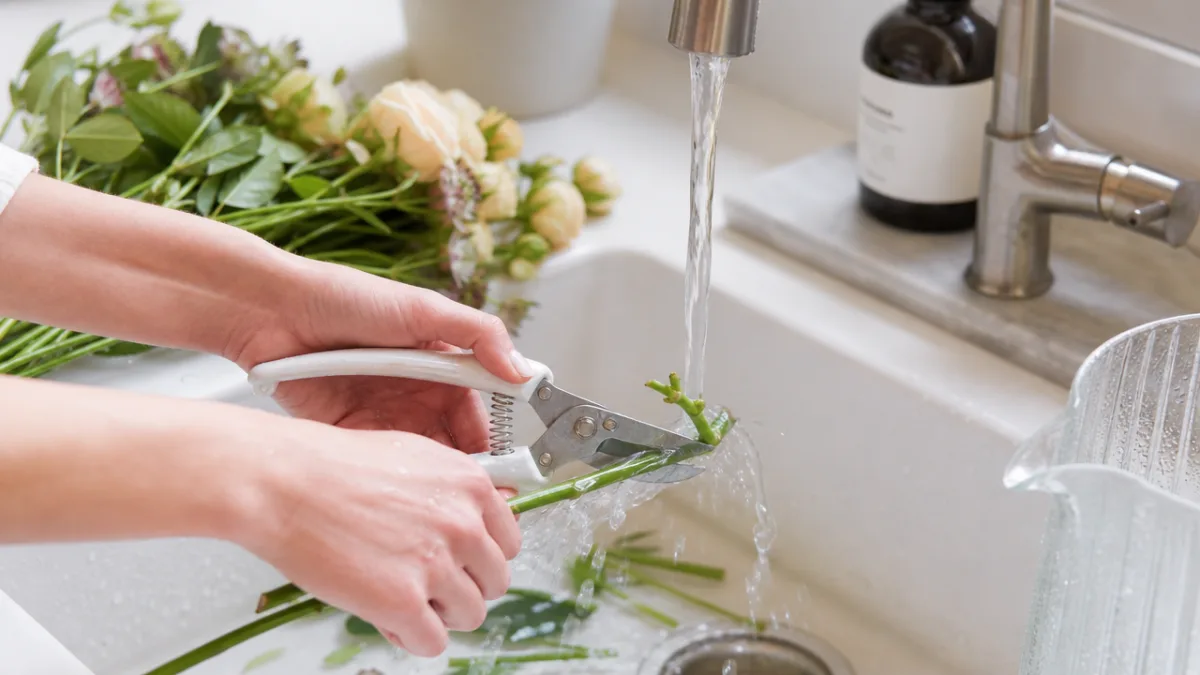
When trimming the stems, always use a sharp, clean cutting tool — a blunt scissors or knife crushes the delicate vascular tissue inside the stem rather than making a clean cut, which significantly reduces the stem’s ability to absorb water. Many florists and flower care experts recommend making the cut while holding the stem under running water or immediately submerging the freshly cut end in water to prevent an air bubble from forming in the stem. In Aruba’s warm conditions, stems dry out even more quickly between the cut and placement in water, so working efficiently and keeping things moist is especially important.
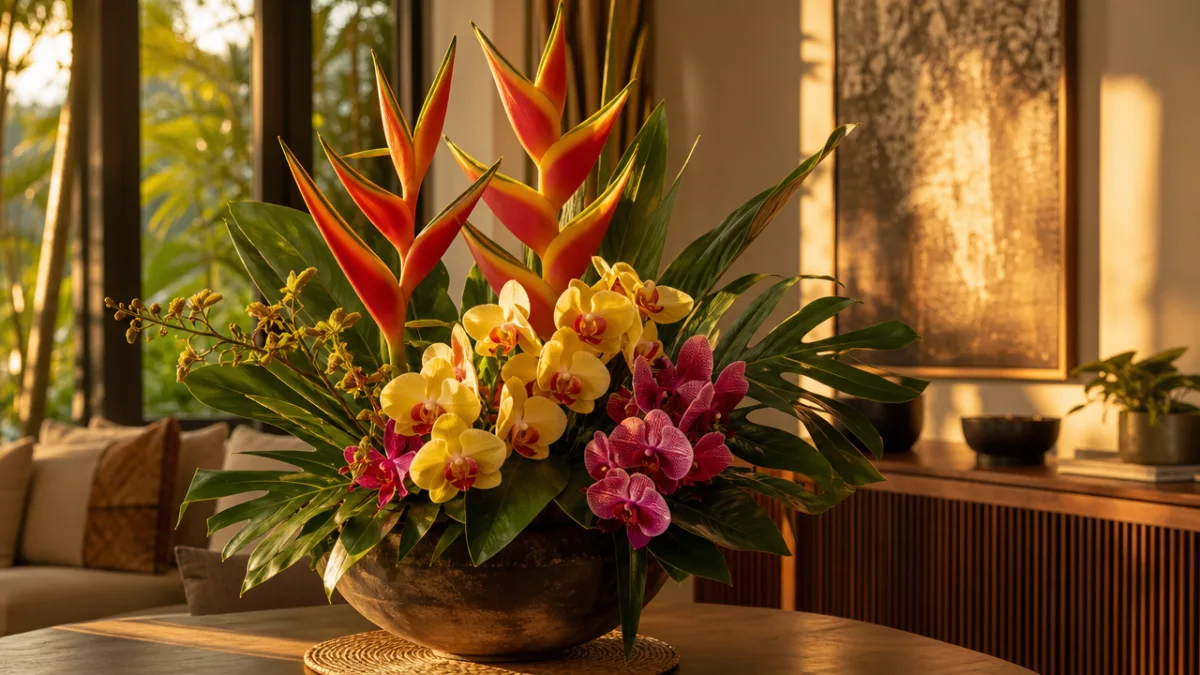
Certain types of flowers require specialized trimming techniques. Woody-stemmed flowers such as roses benefit from a clean diagonal cut that removes any tough outer bark from the bottom few centimeters. Hollow-stemmed flowers like delphiniums can be turned upside down, filled with water, and plugged with a small piece of cotton wool before being placed in the vase, allowing them to stay hydrated from the inside as well as the outside. Tropical flowers such as heliconias, anthuriums, and birds of paradise — all popular in Aruban arrangements — are more heat-tolerant than temperate flowers but still benefit greatly from proper stem preparation and regular water changes.
5. Leverage Aruba’s Air Conditioning Wisely
Most homes and businesses in Aruba rely on air conditioning to manage the tropical heat, and your fresh flower arrangements can benefit enormously from being kept in air-conditioned spaces. The cooler indoor temperatures slow down the biological processes that lead to wilting, reduce the rate at which bacteria multiply in the vase water, and help petals retain their moisture for longer. If you have the option to keep your flowers in an air-conditioned room throughout the day, this single environmental choice can double or even triple the lifespan of your arrangement compared to keeping it in a naturally ventilated room exposed to outdoor heat.
However, it is important to be strategic about how you use air conditioning in relation to your flowers. Direct airflow from an AC unit aimed straight at your arrangement will rapidly desiccate the petals, causing them to dry and brown at the edges even if the room temperature itself is appropriate. Position your vase away from the direct path of any AC vents, fans, or ceiling fans, and instead let the flower benefit from the general ambient cooling of the room without bearing the brunt of a concentrated airflow. A stable, calm, cool room is always preferable to a fluctuating or breezy environment.
At night, when temperatures on the island drop slightly and many households turn off their AC to save energy or simply because the cooler evening air makes it unnecessary, consider moving your flower arrangement to a cooler part of the home or even placing it in the refrigerator for a few hours. Many professional florists store their stock overnight in large refrigerated units, and while your home fridge is not ideal for all types of flowers, a few hours of cool storage away from ethylene-producing fruits and vegetables can give your arrangement a beneficial rest and help it look fresher the following morning. Just make sure it is not placed near ripe bananas, apples, or other ethylene-heavy fruits, as this gas accelerates flower aging.
6. Choose the Right Flowers for the Aruban Climate
Perhaps the most powerful long-term strategy for enjoying beautiful fresh flowers in Aruba is selecting varieties that are naturally more resilient in hot, humid tropical conditions. Not all flowers are created equal when it comes to heat tolerance, and working with nature rather than against it will always produce better results. Tropical flowers such as anthuriums, heliconias, birds of paradise, ginger flowers, and orchids are native to climates similar to Aruba’s and are significantly more robust than delicate temperate flowers like tulips, peonies, or sweet peas. When building your arrangements at home or ordering from Jardin Caribe, prioritizing these heat-tolerant varieties is a smart foundation for lasting beauty.
That said, many non-tropical flowers can still thrive with proper care, and a skilled florist knows how to blend tropical and temperate blooms in a way that maximizes the visual impact while working within the constraints of the environment. Chrysanthemums, alstroemeria, carnations, and certain rose varieties are among the more heat-tolerant temperate flowers available, and they can last well in Aruban conditions when given attentive care. Sunflowers are another excellent choice — they are built for sunshine and warmth and tend to hold up beautifully in arrangements displayed throughout the day. Discuss your climate considerations with your florist, who can help you choose the most appropriate combination for your home and lifestyle.
Beyond flower selection, the type and size of your vase also play a role in longevity. A vase with a narrow neck keeps stems upright and reduces the rate of water evaporation, which is particularly helpful in Aruba’s dry air. Opaque or dark-colored vases help keep the water cooler and inhibit the growth of algae compared to clear glass vases exposed to ambient light. Keeping your vase filled with an adequate volume of water — not just a few centimeters at the bottom — ensures that stems always have access to moisture, even as evaporation occurs more rapidly in warm conditions. Together, these thoughtful choices in flower selection and display create a complete care system that gives your fresh arrangements the best possible chance of brightening your home for a full week or more, even under the beautiful but demanding Aruban sun.
Final Thoughts: Bringing It All Together
Caring for fresh flowers in Aruba requires a little more attention and intention than it might in a cooler climate, but the rewards are absolutely worth the effort. By understanding the specific challenges posed by the island’s heat, intense sunlight, and steady trade winds, and by applying the six strategies outlined in this guide, you can create a home environment where cut flowers genuinely flourish rather than merely survive. The combination of clean, frequently changed water, proper stem trimming, appropriate placement away from sun and drafts, nutritional support through flower food, smart use of air conditioning, and climate-appropriate flower selection forms a complete and highly effective care system.
It is also worth noting that the relationship between a flower lover and their local florist is one of the most valuable assets in this journey. The expert team at Jardin Caribe Flowershop Aruba has deep knowledge of which flowers perform best in the island’s unique environment, how to condition stems before they leave the shop, and how to build arrangements that are not only visually stunning but structurally suited to last. Do not hesitate to ask your florist for specific care advice tailored to the flowers in your arrangement — this kind of expert guidance is one of the most underutilized resources available to anyone who loves fresh flowers.
Ultimately, keeping flowers beautiful in Aruba is a practice of mindfulness and consistency rather than perfection. Even if you cannot do everything on this list every single time, adopting even two or three of these habits will make a visible and meaningful difference. Fresh flowers bring life, color, fragrance, and emotional warmth to any home, and in a place as naturally vibrant and beautiful as Aruba, they are a perfect complement to the island’s own breathtaking palette. With the right care and a little knowledge, your next arrangement from Jardin Caribe can be a centerpiece of joy and beauty in your home for a week or longer — a small daily reminder of why living on this island is such a privilege.
- Change vase water every 1–2 days and re-trim stems each time to maintain clean, open channels for hydration.
- Avoid direct sunlight and heat sources such as windows in direct sun, stovetops, and electronic devices that radiate warmth.
- Use flower food or a homemade preservative to feed stems, lower water pH, and prevent bacterial buildup.
- Remove all submerged foliage before placing flowers in the vase to keep the water clean and bacteria-free.
- Position arrangements in air-conditioned rooms but away from direct airflow that can dehydrate petals quickly.
- Choose tropical or heat-tolerant flower varieties whenever possible, and consult your florist for climate-appropriate recommendations.








What do you think?
It is nice to know your opinion. Leave a comment.