










Beautiful Crochet Wall Hanging Ideas — Gathering Beauty
The Timeless Art of Crochet Wall Hangings
Crochet wall hangings have experienced a remarkable resurgence in recent years, capturing the hearts of craft enthusiasts and interior designers alike. What was once considered a relic of a bygone era has transformed into a celebrated form of textile art that bridges tradition and contemporary aesthetic sensibilities. These handmade pieces bring warmth, texture, and personality to any space in a way that mass-produced décor simply cannot replicate.
The beauty of crochet wall art lies in its incredible versatility. Whether you prefer the clean lines of a modern minimalist home or the layered, eclectic feel of bohemian design, there is a crochet wall hanging style that fits perfectly within your vision. From delicate lacy mandalas to thick, chunky fiber art featuring fringe and tassels, the range of possible creations is genuinely breathtaking. The craft allows for complete creative freedom, making each finished piece a one-of-a-kind work of art.
Beyond aesthetics, creating crochet wall hangings offers deeply satisfying creative and meditative benefits. The rhythmic motion of pulling yarn through loops has been shown to reduce stress and promote mindfulness. Many crafters describe their crochet practice as a form of moving meditation, a quiet space in a busy day where focus narrows to the simple, satisfying work of building something beautiful with their own hands. The finished piece then becomes a visible reminder of that dedicated, peaceful effort.
Choosing Your Materials and Tools
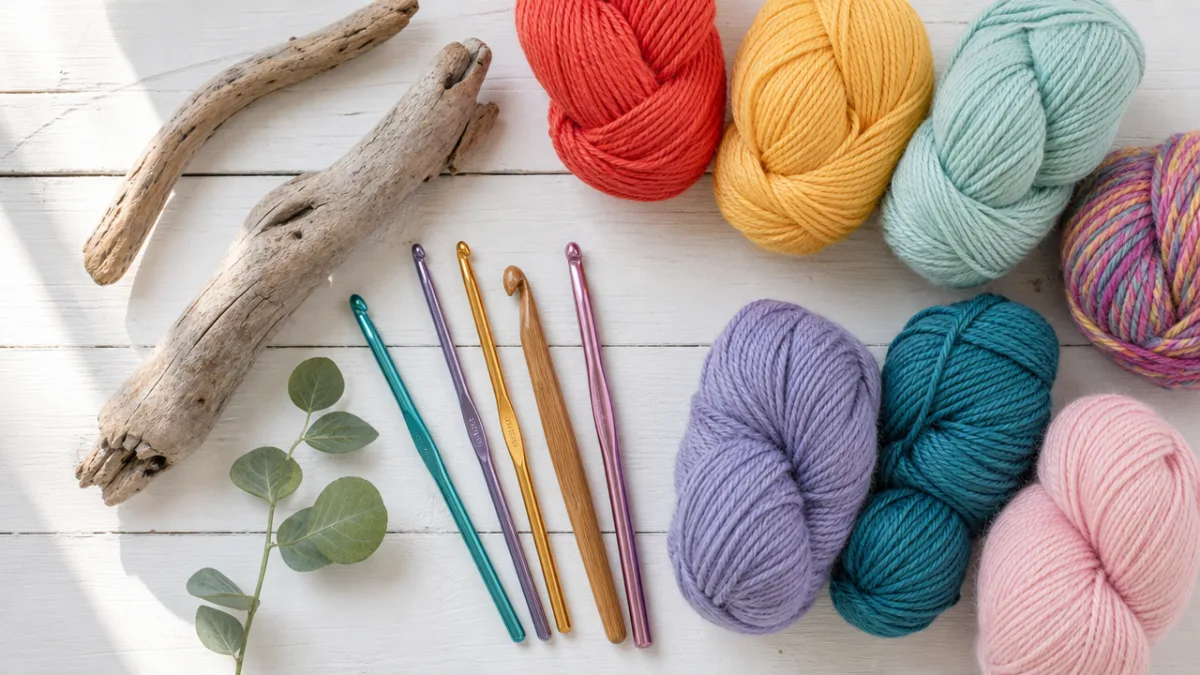
The first step toward creating a stunning crochet wall hanging is selecting the right materials, and the choices available today are more exciting than ever. Natural fibers such as cotton, jute, and wool remain perennial favorites for their texture, durability, and the way they age gracefully over time. Cotton is particularly popular for wall hangings because it holds its shape well, accepts dye beautifully, and produces clean, defined stitches that show off intricate pattern work with exceptional clarity.
For those seeking a more luxurious or dramatic effect, chunky merino wool and roving yarn create incredibly tactile pieces with a rich, sculptural quality. These thicker materials work up quickly, making them excellent choices for beginners who want to see rapid progress. On the opposite end of the spectrum, fine lace-weight yarn allows experienced crocheters to create intricate, almost transparent works that resemble delicate lacework when hung against a light-filled window. The weight and fiber content of your yarn will significantly influence the final character of your piece.
Beyond yarn, a few key tools and materials will ensure your project comes together successfully. Essential supplies include the following:
- A crochet hook sized appropriately for your chosen yarn weight, typically ranging from a 2mm hook for fine thread work to a 15mm or larger hook for chunky fibers
- A sturdy dowel rod, driftwood branch, or decorative piece of copper pipe from which to hang your finished work
- Sharp scissors for clean cuts when finishing off yarn ends and adding decorative fringe
- A tapestry needle for weaving in ends neatly and securely
- Stitch markers to help track pattern repeats in more complex designs
- A spray bottle filled with water and blocking mats if you plan to block your finished piece for a more polished appearance
Sourcing your materials thoughtfully can also add meaning and character to your finished work. Many crafters seek out small-batch, hand-dyed yarns from independent dyers whose color palettes are truly unique and inspiring. Farmers’ markets, local yarn shops, and online platforms like Etsy are wonderful places to discover these treasures. Choosing natural, sustainably produced fibers not only benefits the environment but also tends to produce pieces with a depth of color and texture that synthetic alternatives rarely match.
Popular Styles and Design Inspiration
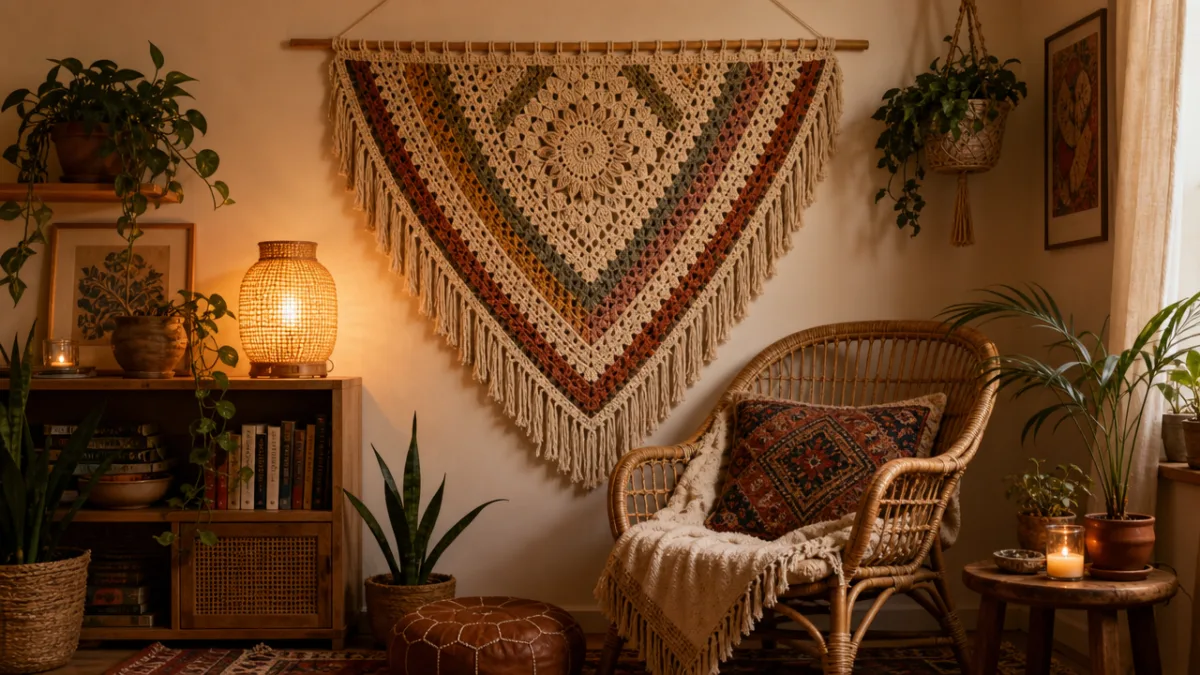
The world of crochet wall hanging design is vast and wonderfully diverse, offering styles to suit every taste and interior aesthetic. The bohemian or boho style remains arguably the most popular, characterized by flowing fringe, earthy tones, organic shapes, and a beautifully undone, artisanal quality. These pieces often incorporate a mix of crochet techniques alongside macramé-inspired elements, feathers, beads, and dried botanicals, creating richly layered compositions that feel both intentional and effortlessly free-spirited.
Mandala-inspired wall hangings represent another beloved category, drawing on the ancient symbolic tradition of the mandala to create circular works of breathtaking geometric complexity. Crocheted in the round from the center outward, these pieces build intricate patterns through repeating motifs that radiate outward in perfect symmetry. When hung on a wall, a well-crafted crochet mandala becomes almost hypnotic, drawing the eye inward and creating a focal point of remarkable visual power. They work beautifully as standalone pieces or grouped in arrangements of varying sizes.
Contemporary and minimalist approaches to crochet wall art have also gained significant traction among design-forward creators. These pieces prioritize clean lines, negative space, and a restrained color palette — often working exclusively in white, cream, or a single carefully chosen accent color. Simple grid stitch panels, elegant elongated rectangles with neatly trimmed fringe, and abstract geometric compositions all fall within this category. These more pared-back designs integrate seamlessly into modern and Scandinavian-influenced interiors, adding handmade warmth without visual clutter.
Seasonal and nature-inspired wall hangings offer yet another rich vein of design inspiration to explore. Crocheters have developed charming patterns mimicking the forms of succulents, leaves, flowers, feathers, and even the texture of a forest canopy. Holiday-themed pieces — think delicate snowflake panels for winter or vibrant floral compositions celebrating spring — allow crafters to rotate their wall décor throughout the year, keeping their spaces feeling fresh and seasonally connected. This approach to decorating with handmade art creates a home that truly reflects the rhythms of the natural world.
Essential Stitches and Techniques to Master
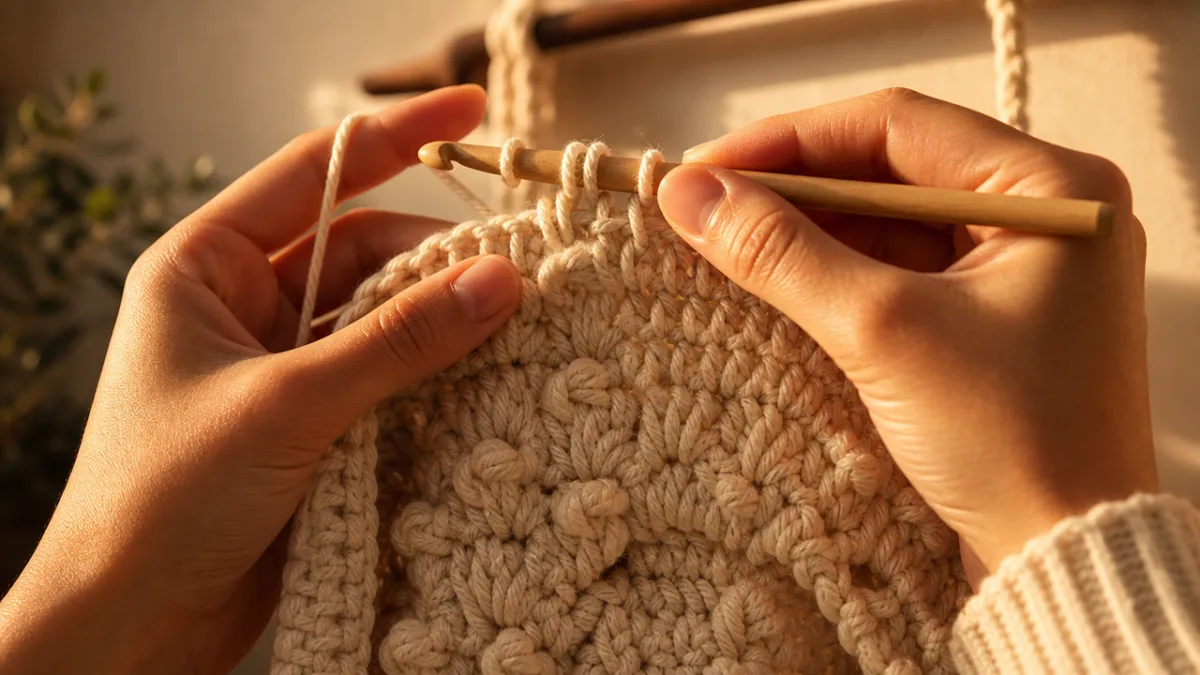
While crochet wall hangings can range from beginner-friendly to genuinely complex, a core set of stitches and techniques forms the foundation of most designs. For those new to the craft, mastering the basic chain stitch, single crochet, half double crochet, and double crochet provides enough vocabulary to create beautiful, satisfying pieces. Many popular beginner patterns rely almost exclusively on these fundamental stitches, proving that simplicity executed with care and quality materials can yield spectacular results.
As skill and confidence grow, exploring more advanced techniques opens up an exciting new world of design possibilities. The following techniques are particularly valuable for crochet wall hanging creators:
- Tunisian crochet — Uses a long hook to create a dense, woven fabric with a distinctive texture that works beautifully for structured wall panels
- Filet crochet — Creates an open mesh fabric with filled squares forming images or geometric patterns, perfect for creating pictorial wall hangings
- Tapestry crochet — Allows for colorwork by carrying unused yarn within stitches, enabling complex multicolored patterns within a single piece
- Broomstick lace — Produces a distinctive elongated loop pattern with an organic, flowing quality ideal for bohemian-style pieces
- Crocodile stitch — Creates a layered, scale-like texture with remarkable dimensional depth that photographs beautifully on a wall
Beyond individual stitches, learning to finish and mount a wall hanging professionally makes an enormous difference in the final presentation of your work. Blocking — the process of wetting, shaping, and drying a finished piece to even out stitches and open up lace patterns — is transformative. A blocked piece has a polished, intentional quality that an unblocked one simply lacks. Similarly, attaching your work cleanly and securely to its hanging rod, trimming fringe to an even length, and concealing all yarn ends neatly are the small finishing details that elevate a handmade piece to something truly gallery-worthy.
Color theory is another dimension of the craft that rewards study and experimentation. Understanding how colors interact — which combinations create harmony and which create dynamic tension — empowers you to design pieces that are visually cohesive and emotionally resonant. Many experienced crocheters keep a collection of yarn swatches, playing with different combinations in natural light before committing to a color palette for a new project. This intentional approach to color selection is one of the hallmarks that distinguishes truly exceptional wall hangings from simply competent ones.
Displaying Your Crochet Wall Hangings with Style
Creating a beautiful crochet wall hanging is only half the journey; displaying it thoughtfully completes the work and allows it to truly shine within its environment. The placement of your piece within a room should consider factors like wall color, surrounding furniture, natural light sources, and the overall visual balance of the space. A large, statement-making wall hanging works beautifully as a solo centerpiece above a sofa, bed, or fireplace, anchoring the room and drawing the eye with quiet authority.
Gallery wall arrangements offer an exciting alternative to single-piece display, allowing you to create a curated collection that tells a layered visual story. Mixing crochet wall hangings of varying sizes, shapes, and styles alongside framed prints, mirrors, and other textile art creates a richly personal display with wonderful depth. When arranging a gallery wall, it helps to lay out all the pieces on the floor first, experimenting with different configurations until the arrangement feels balanced and intentional before committing to hanging anything. Odd-numbered groupings tend to feel more dynamic and visually interesting than even-numbered ones.
The choice of hanging hardware can itself become a decorative element worth considering carefully. Natural driftwood branches found on beach or forest walks lend an organic, grounded quality perfectly suited to bohemian and nature-inspired pieces. Sleek copper or brass rods bring a sophisticated, contemporary edge to minimalist designs. Rustic wooden dowels stained in warm walnut or ebony tones complement earthy, traditional color palettes beautifully. Even the method of attachment — whether tied directly to the rod, clipped with decorative clips, or suspended from leather cord — contributes to the overall aesthetic of the finished display.
Lighting is perhaps the most underappreciated aspect of displaying textile wall art. The way light falls across a crochet piece dramatically affects how its texture reads from across the room. Soft, directional lighting from a nearby lamp or a carefully positioned picture light creates gentle shadows within the stitches that beautifully emphasize the dimensionality and handcrafted quality of the work. Harsh, flat overhead lighting, by contrast, tends to flatten texture and diminish the piece’s visual impact. Taking the time to consider your lighting arrangement is a small investment that pays significant dividends in the overall impact of your display.
Making Crochet Wall Hangings as Gifts and for Sale
Handmade crochet wall hangings make profoundly meaningful gifts for a wide range of occasions. Unlike generic store-bought presents, a hand-crocheted piece represents hours of focused attention, creative decision-making, and genuine care for the recipient. Custom wall hangings created in colors chosen to complement a friend’s home, incorporating meaningful symbols, or sized specifically for a particular wall in a loved one’s space carry an emotional weight that no commercially produced item can match. They are gifts that endure, often becoming treasured heirlooms passed between generations.
For those interested in selling their work, crochet wall hangings occupy a wonderfully receptive market. Platforms like Etsy, local craft markets, and Instagram shops have proven remarkably effective channels for textile artists to reach audiences who genuinely value and are willing to pay well for quality handmade work. Pricing your pieces appropriately is crucial: calculate your material costs carefully, determine a fair hourly rate for your skilled labor, and research comparable pieces in the marketplace to ensure your pricing reflects the true value of your craft without underselling your considerable investment of time and expertise.
Photography plays an enormous role in the commercial success of handmade goods sold online. Investing time in learning to photograph your work well — finding beautiful natural light, choosing clean or complementary backgrounds, capturing both overall composition and close-up detail shots — will significantly increase the appeal and perceived value of your pieces to potential buyers. Lifestyle photos showing a wall hanging displayed in an attractively styled room help customers envision how the piece might look in their own homes, which dramatically increases the likelihood of a purchase. Consistent, high-quality photography also builds brand recognition and trust over time.
Building a community around your craft is another rewarding dimension of sharing crochet wall hanging work with the world. Joining online crochet communities, participating in craft fairs, teaching workshops, and sharing your creative process on social media all connect you with fellow enthusiasts who share your passion. These connections provide invaluable creative inspiration, practical feedback, and genuine encouragement through the inevitable challenges of the creative life. Many of the most successful textile artists credit their communities as central to both their creative development and their commercial success, reminding us that even a deeply personal, solitary craft like crochet flourishes most beautifully in connection with others.
Tips for Beginners Ready to Start Their First Project
If you are new to crochet and feeling excited but perhaps slightly overwhelmed by the possibilities, take heart: everyone who creates beautiful work today was once a complete beginner. The most important first step is simply to begin. Choose a beginner-friendly pattern clearly labeled as such, gather quality basic materials, and give yourself permission to learn through imperfection. Your first wall hanging will not be your best work, and that is entirely as it should be. It will, however, teach you an enormous amount that no tutorial alone ever could.
Starting with a simple rectangular panel worked in rows of double crochet stitches is a wonderfully approachable first project. This basic format allows you to focus entirely on maintaining consistent tension and even stitch counts without the added complexity of shaping or colorwork. Once your panel is complete, adding a few rows of simple fringe at the bottom — cut lengths of yarn looped and knotted through the bottom edge — instantly transforms a practice swatch into something that genuinely looks like a finished piece of wall art. This early win is enormously motivating and sets the stage for increasingly ambitious future projects.
There are abundant free and paid resources available to support beginners on their crochet journey. YouTube tutorials offer the particular advantage of showing stitch techniques in real time from multiple angles, making it much easier to understand exactly what the hook and yarn are doing at each step. Many experienced crochet designers also maintain detailed blogs and Instagram accounts where they share tips, pattern recommendations, and behind-the-scenes glimpses of their creative process. Engaging with these resources and asking questions within the generous crochet community online will accelerate your learning dramatically.
Finally, remember that consistency matters far more than speed. Setting aside even thirty minutes a day to practice builds muscle memory remarkably quickly, and within just a few weeks most beginners notice significant improvement in the evenness and quality of their stitches. Keep your works in progress somewhere visible and accessible so that picking up your hook feels easy and natural throughout the day. Crochet is a craft that rewards regular, relaxed practice above all else, and the wall hangings you will create as your skills develop will stand as beautiful, lasting evidence of your dedication to gathering beauty through the simple, timeless art of yarn and hook.








What do you think?
It is nice to know your opinion. Leave a comment.