










How to Grow Verbena Bonariensis: A Complete Guide
Introduction to Verbena Bonariensis
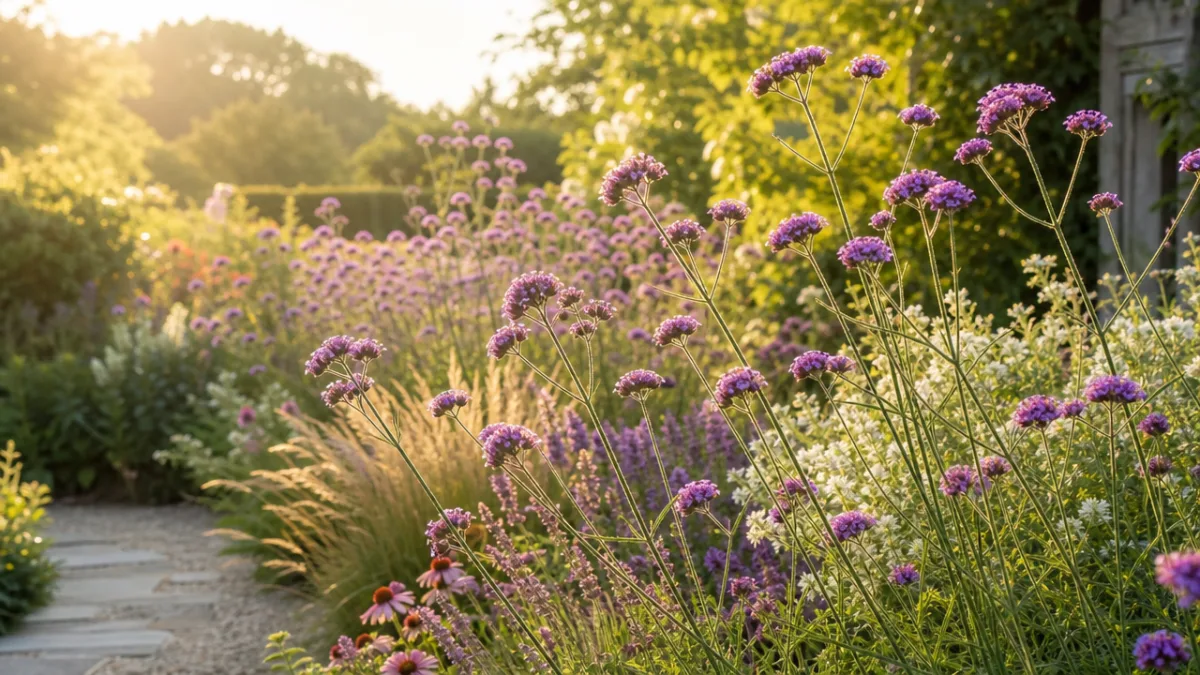
Verbena bonariensis, commonly known as purpletop vervain or tall verbena, is one of the most beloved plants in contemporary garden design. Native to South America, particularly Argentina and Brazil, this graceful perennial has taken the gardening world by storm with its airy, towering stems and clusters of tiny purple-violet flowers that seem to float above the garden border like a lavender-hued mist. Its informal elegance makes it a favourite of professional garden designers and home gardeners alike, and once you understand its needs, it is surprisingly easy to grow.
What makes Verbena bonariensis particularly special is its unique visual character. Rising on slender, square stems to heights of 1.2 to 1.8 metres (4 to 6 feet), the plant produces minimal foliage and instead directs its energy into producing abundant flowerheads at the tips of its branching stems. This gives the plant a transparent quality that allows gardeners to plant it in the foreground without blocking views of plants behind it, a property garden designers call see-through planting. The result is a layered, naturalistic effect that adds tremendous depth to any planting scheme.
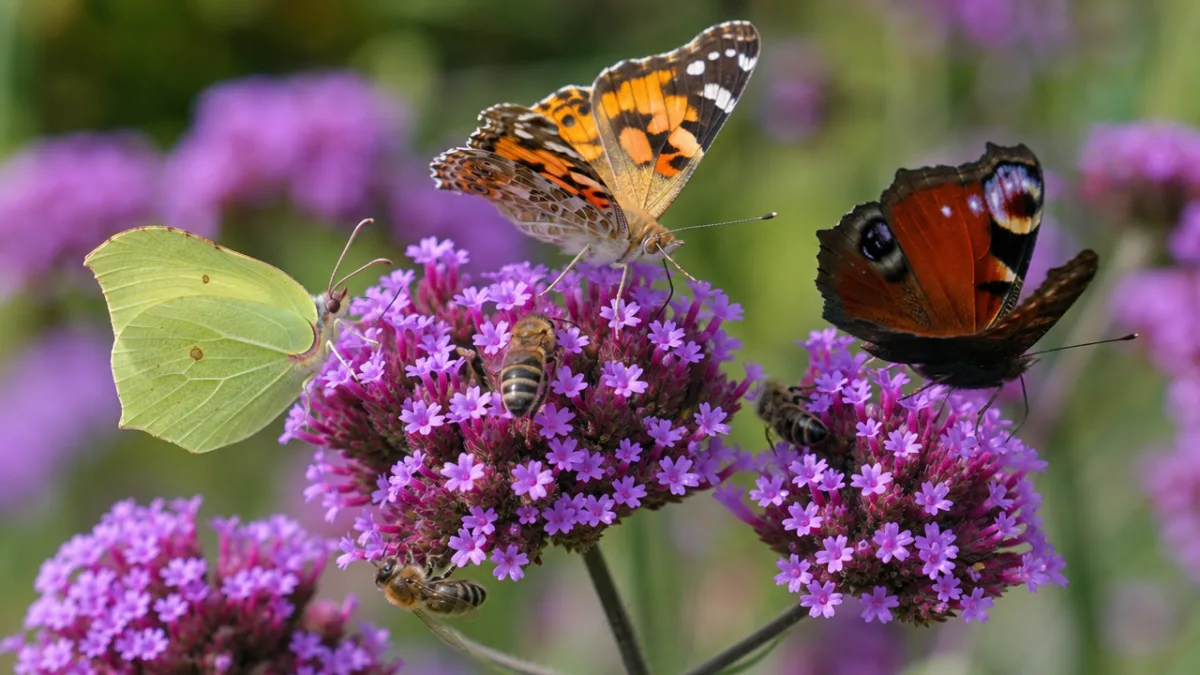
Beyond its aesthetic appeal, Verbena bonariensis is an outstanding wildlife plant. Its nectar-rich blooms are irresistible to butterflies, bees, and other pollinators from midsummer well into autumn. Species such as the painted lady, red admiral, and small tortoiseshell butterfly are frequently spotted feeding on its flowers. Later in the season, the dried seedheads become a valuable food source for finches and other seed-eating birds. Growing Verbena bonariensis is therefore not just a style choice but also an important contribution to your local ecosystem.
Choosing the Right Growing Conditions
Verbena bonariensis thrives in full sun, meaning it requires at least six hours of direct sunlight per day to perform at its best. In shadier conditions the plant becomes weak and floppy, produces fewer flowers, and is far more susceptible to fungal diseases. When selecting a planting position, choose the sunniest spot available in your garden, ideally one with good air circulation. South-facing or west-facing borders are typically ideal in the northern hemisphere, where they receive the maximum amount of light throughout the growing season.
Soil type is another critical factor in successfully growing this plant. Verbena bonariensis strongly prefers well-drained soil and will not tolerate waterlogged conditions, particularly during winter. Heavy clay soils can be amended with horticultural grit and organic matter to improve drainage significantly. Sandy or loamy soils are close to ideal. Although the plant is not particularly fussy about soil fertility, it tends to put on excessive leafy growth at the expense of flowers when grown in overly rich, nutrient-heavy ground. A lean to moderately fertile soil is therefore preferable.
In terms of hardiness, Verbena bonariensis is rated as marginally hardy in temperate climates, typically surviving winters down to around -10°C (14°F) when planted in a sheltered spot with excellent drainage. In colder or wetter climates, the plant is best treated as a half-hardy annual or short-lived perennial. In the UK, for example, it will reliably overwinter in warmer southern counties but may need replacing annually in the north. Regardless of climate, its prolific self-seeding habit means that new plants will frequently appear each spring, effectively replacing any losses from winter cold.
How to Sow and Propagate Verbena Bonariensis
The most common method of raising Verbena bonariensis is from seed, and it is a relatively straightforward process that even beginner gardeners can manage with confidence. Seeds should be sown indoors between February and April, approximately 10 to 12 weeks before the last expected frost in your area. Use a good-quality seed compost in small pots or seed trays, sowing seeds thinly on the surface and covering them with just a fine dusting of compost or vermiculite. Keep the compost moist but not soggy, and maintain a temperature of around 18 to 21°C (64 to 70°F) for germination.
Germination can be somewhat erratic and may take anywhere from 14 to 30 days, so patience is essential at this stage. Once the seedlings are large enough to handle safely, typically when they have produced their first set of true leaves, they should be pricked out carefully and potted on individually into small pots of general-purpose compost. Grow on in a bright, frost-free environment, and begin hardening off the young plants in late spring by placing them outside during the day and bringing them in at night. After the last frost, they can be planted out into their final positions.
Beyond seed propagation, Verbena bonariensis can also be multiplied through stem cuttings or by dividing established clumps. Stem cuttings taken in late summer or early autumn root readily in a mixture of peat-free compost and perlite, and overwintered in a frost-free greenhouse or cold frame, they will produce strong flowering plants the following year. Division of mature plants in spring is also possible, though the fibrous root system can make this somewhat challenging. For most gardeners, however, self-seeding is the easiest and most rewarding form of propagation, as the plant generates its own replacement seedlings abundantly and freely.
Planting, Spacing, and Companion Plants
When planting out Verbena bonariensis, spacing is important for both the health of the plant and the visual effect you want to create. For a naturalistic, meadow-like appearance, plants can be positioned relatively close together at around 45 to 60 centimetres (18 to 24 inches) apart, allowing their stems to weave between one another. For a more structured border planting, spacing of 60 to 75 centimetres (24 to 30 inches) is more appropriate, giving each plant room to develop its full canopy of branching stems without overcrowding neighbours.
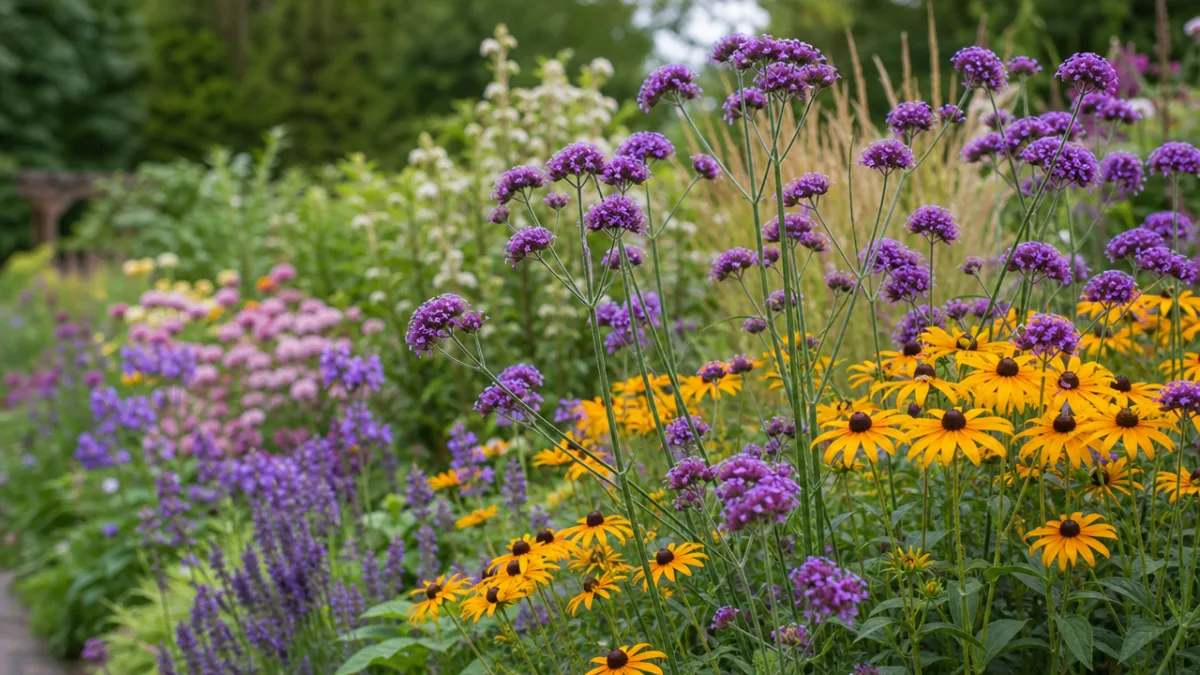
Verbena bonariensis pairs beautifully with a wide range of companion plants, and choosing the right neighbours is one of the most rewarding aspects of incorporating it into a planting design. Its vertical, airy structure contrasts wonderfully with the rounded, soft shapes of ornamental grasses such as Pennisetum or Stipa. It also looks spectacular planted alongside late-summer perennials including echinacea, rudbeckia, and agastache. The deep purple-violet of its flowers harmonises magnificently with warm oranges and yellows, making combinations with heleniums or crocosmia particularly striking.
Some excellent companion planting combinations to consider include the following:
- Verbena bonariensis and Pennisetum alopecuroides: The fluffy, arching grass provides a soft foil to the verbena’s stiff, upright stems, creating a beautifully textured late-season display.
- Verbena bonariensis and Echinacea purpurea: Shared colour tones in the purple-pink range create a harmonious, naturalistic combination that pollinators adore.
- Verbena bonariensis and Rudbeckia fulgida: The deep gold of rudbeckia flowers creates a vibrant and eye-catching contrast with the verbena’s rich purple blooms.
- Verbena bonariensis and Salvia nemorosa: Two vertical, pollinator-friendly plants that together create a strong structural statement in the summer border.
- Verbena bonariensis and Stachys byzantina (Lamb’s Ear): The silvery, felted foliage of stachys provides a cool and elegant contrast at ground level beneath the verbena’s towering stems.
Watering, Feeding, and Ongoing Care
Once established in the garden, Verbena bonariensis is a remarkably drought-tolerant plant that requires very little supplemental watering. During its first growing season after planting, regular watering is important while the root system becomes established, but after that the plant is largely self-sufficient in all but the most extreme dry spells. Overwatering is actually more damaging than underwatering for this species, as consistently wet roots quickly lead to root rot, crown disease, and plant death. If your climate is wet, ensuring excellent soil drainage is far more important than any irrigation strategy.
Feeding requirements are equally modest. In most garden soils, Verbena bonariensis will thrive without any supplemental feeding whatsoever. In very poor, sandy soils a light application of a balanced general fertiliser in spring may be beneficial to give plants an early boost. However, avoid high-nitrogen fertilisers, which promote lush leafy growth at the expense of flower production. If you mulch your borders annually with organic matter such as well-rotted garden compost, this will provide all the nutrition most Verbena bonariensis plants will ever need.
Deadheading spent flowerheads will extend the blooming season and encourage the plant to produce a continuous succession of new flowers from midsummer through to the first frosts of autumn. However, if you wish to encourage self-seeding, which is one of the plant’s most charming qualities, you should allow at least some of the flowerheads to ripen and shed their seeds before cutting them back. In autumn, resist the urge to cut the plant down entirely; leaving the woody stems standing through winter provides a degree of frost protection to the crown below and also adds structural interest to the winter garden.
Dealing with Pests, Diseases, and Common Problems
One of the many virtues of Verbena bonariensis is its general robustness and resistance to most common garden pests and diseases. Unlike many ornamental plants, it is rarely troubled by slug damage, possibly because its tough, slightly hairy stems are not particularly palatable to molluscs. Aphids can occasionally colonise young shoot tips during spring, but these infestations are usually minor and quickly controlled either by hand or through the attentions of natural predators such as ladybirds and lacewings. Encouraging a wildlife-friendly garden is the most sustainable approach to aphid management.
Powdery mildew is the most common disease problem associated with Verbena bonariensis, particularly in dry conditions where plants are stressed or grown in poor air circulation. The disease manifests as a white, powdery coating on leaves and stems, weakening the plant and reducing its ornamental value. Prevention is far more effective than cure: plant in open, sunny positions with adequate spacing to allow free air movement, avoid overhead watering late in the day, and remove and destroy any affected plant material promptly. Fungicide sprays are available but rarely necessary in well-managed gardens.
The following are common problems gardeners encounter, along with their solutions:
- Floppy or leaning stems: Usually caused by insufficient sunlight or overly rich soil. Move plants to a sunnier position or reduce feeding. Staking with thin bamboo canes or brushwood can provide support without compromising the plant’s airy aesthetic.
- Failure to overwinter: Most common in cold, wet climates or heavy clay soils. Improve drainage before planting, or treat as an annual and rely on self-seeded replacements each spring.
- Poor germination from seed: Seeds may require a period of cold stratification. Refrigerate seeds in a damp paper towel for two weeks before sowing to improve germination rates.
- Excessive self-seeding becoming invasive: Deadhead the majority of flowerheads before seeds ripen, leaving only a small number to self-seed. Unwanted seedlings are easy to remove or relocate when young.
Seasonal Care and Year-Round Interest
Understanding the seasonal rhythm of Verbena bonariensis helps gardeners get the very best from this remarkable plant throughout the entire year. In early spring, keep an eye out for self-seeded seedlings emerging around the base of last year’s plants. These can be thinned, transplanted to new positions, or simply left to naturalise where they have chosen to grow. In many gardens a colony of Verbena bonariensis will gradually develop over several years, with the plants appearing in increasingly naturalistic, unplanned groupings that feel entirely at home in the landscape.
Midsummer marks the beginning of the main flowering season, which is truly the peak moment for Verbena bonariensis in the garden. From approximately June through to October, the plant produces a continuous and prolific display of its rich purple flowerheads, attracting enormous numbers of butterflies, bees, and hoverflies. This is also the time to enjoy the plant’s unique visual quality as it weaves among neighbouring plants, its transparent stems creating a sense of depth and movement in the border. Regular deadheading at this stage, combined with an occasional light tidy, will keep plants looking their best.
As autumn transitions into winter, Verbena bonariensis continues to earn its place in the garden even after its flowers have faded. The dried, skeletal seedheads catch frost and morning dew beautifully, creating delicate, sculptural forms that glitter in low winter sunlight. Birds, particularly goldfinches and house sparrows, will visit the seedheads regularly to feed. Rather than cutting everything down in autumn, consider leaving the old stems standing until late winter or early spring, cutting them back only once the worst of the cold has passed and new growth is beginning to emerge from the base of the plant.
Growing Verbena Bonariensis in Containers
While Verbena bonariensis is most commonly grown in open garden borders, it can also be cultivated successfully in large containers, making it accessible to gardeners with patios, balconies, or limited ground space. For container growing, choose the largest pot you can accommodate, with a minimum diameter of 40 centimetres (16 inches) and a good depth to accommodate the plant’s root system. Ensure the container has adequate drainage holes, and use a free-draining potting mix such as a blend of multipurpose compost and perlite or horticultural grit in roughly a 3:1 ratio.
Container-grown Verbena bonariensis will require more regular watering and feeding than its border-grown counterparts, as pots dry out quickly and have a finite nutrient reserve. Water when the top few centimetres of compost feel dry to the touch, and feed with a balanced liquid fertiliser every two to three weeks from late spring through to the end of summer. Because tall stems can make the plant top-heavy and vulnerable to wind damage in a container, positioning pots in a sheltered spot or providing discreet staking is advisable. Despite these additional demands, container-grown specimens can be spectacular, particularly on a sunny terrace where their butterfly-attracting qualities can be enjoyed at close range.
One practical advantage of growing Verbena bonariensis in containers is the ability to move plants to a frost-free environment over winter, significantly increasing their chances of survival in colder climates. Bring pots into an unheated greenhouse, cold frame, or sheltered porch before the first hard frosts, reduce watering to a minimum, and allow the plant to rest through the dormant winter period. Resume watering and move back outdoors once temperatures are reliably above freezing in spring. This approach effectively turns a marginally hardy plant into a more reliably perennial one, allowing you to build up larger, more impressive specimens over multiple growing seasons.








What do you think?
It is nice to know your opinion. Leave a comment.