










Growing Cobaea Scandens: How To Care For The Cup-and-Saucer Vine
Introduction to Cobaea Scandens
Cobaea scandens, commonly known as the cup-and-saucer vine, is one of the most visually spectacular climbing plants you can grow in your garden. Native to Mexico and parts of tropical South America, this fast-growing annual or tender perennial has captivated gardeners for centuries with its extraordinary bell-shaped flowers and vigorous, twining habit. Whether you are looking to cover an unsightly fence, create a living privacy screen, or simply add a touch of exotic elegance to your outdoor space, Cobaea scandens delivers in abundance.
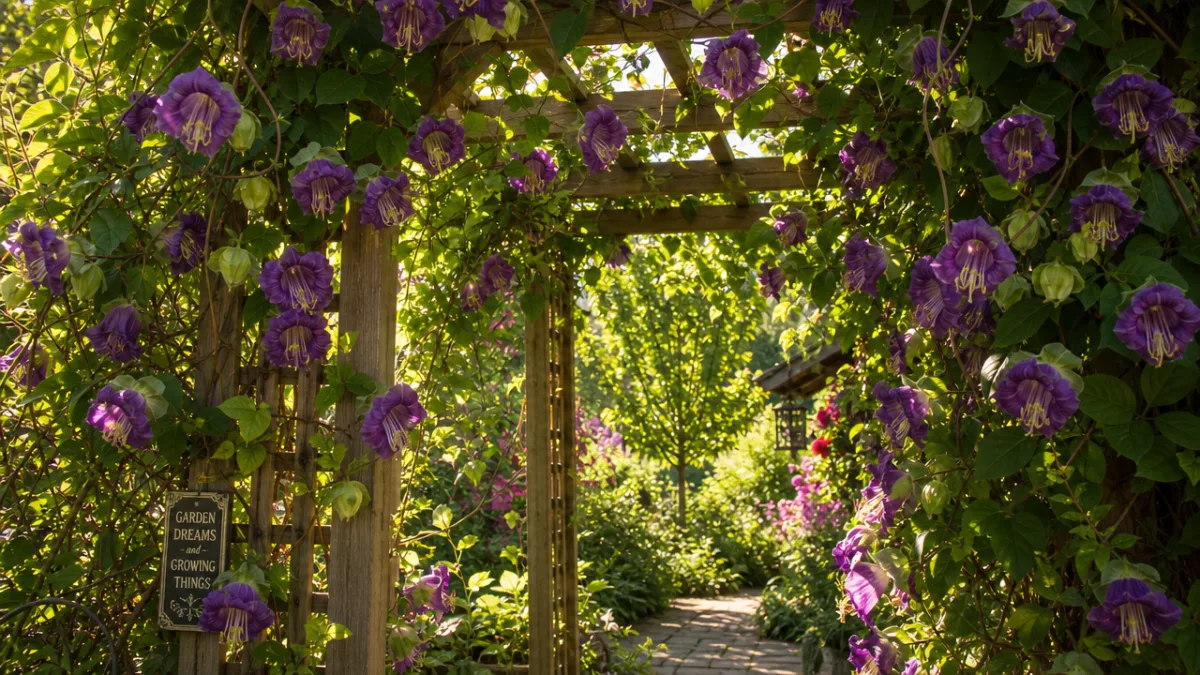
The plant gets its delightful common name from the unique structure of its blooms. Each flower consists of a large, bell-shaped corolla — the “cup” — that sits nestled within a wide, flat, green calyx — the “saucer.” When the flowers first open, they are a soft, creamy green or white color, gradually deepening to rich purple or violet as they mature. This transition creates a beautiful display where a single plant can show flowers in multiple shades simultaneously, making it a true talking point in any garden setting.
Beyond its ornamental appeal, Cobaea scandens is a plant that rewards attentive gardeners with exceptional growth. Under the right conditions, a single plant can easily grow 10 to 20 feet or more in a single season, scrambling over trellises, pergolas, fences, and any other supporting structure with remarkable determination. It is equally at home in a large container on a sunny patio or planted directly into the ground along a south-facing wall. Understanding its origins and habits is the first step toward successfully cultivating this magnificent vine.
History and Origins
Cobaea scandens was named in honor of Father Bernabé Cobo, a Spanish Jesuit priest and naturalist who documented the plant life of South America during the 17th century. The species was formally introduced to European gardens in the late 18th century and quickly became a fashionable ornamental plant among Victorian gardeners who prized its rapid growth and exotic appearance. Its ability to cover large expanses of wall or trellis in a single growing season made it particularly valuable in the grand landscape gardens of the era.
The vine belongs to the Polemoniaceae family and is the sole species in the genus Cobaea that is widely cultivated as an ornamental plant. In its native tropical habitat, it behaves as a true perennial, living for many years and producing flowers from spring through autumn. In temperate climates, however, it is most commonly grown as a half-hardy annual, started fresh from seed each spring and composted at the end of the season when the first frosts arrive. In mild coastal regions, it can sometimes be overwintered successfully indoors or in a frost-free greenhouse.
Choosing the Right Location and Soil
Selecting the ideal growing site for your cup-and-saucer vine is perhaps the single most important decision you will make in its cultivation. Cobaea scandens is a sun-lover at heart, thriving in positions that receive at least six to eight hours of direct sunlight each day. A south- or west-facing aspect is generally ideal in the Northern Hemisphere, offering the warmth and light this plant needs to develop to its full potential. Sheltered spots that protect the plant from strong winds are also beneficial, as the large leaves and climbing stems can be damaged by turbulent air.
In terms of soil requirements, Cobaea scandens is relatively adaptable but performs best in fertile, well-drained soil with a slightly acidic to neutral pH, ideally between 6.0 and 7.0. Rich, loamy soil that has been improved with plenty of well-rotted organic matter will support the kind of vigorous growth this plant is famous for. Waterlogged or compacted soils should be avoided at all costs, as the roots of the cup-and-saucer vine are highly susceptible to rotting in poorly drained conditions. If your soil is heavy clay, consider raising the planting bed or incorporating significant amounts of grit and compost to improve drainage before planting.
Container growing is an excellent alternative for gardeners with limited ground space or poor native soil. Choose a pot that is at least 12 to 14 inches in diameter to give the root system sufficient room to develop. Use a high-quality, peat-free multipurpose compost blended with a small amount of horticultural grit or perlite to ensure good drainage. Position the container in a sheltered, sunny spot and be prepared to water more frequently than you would a garden-planted specimen, as container-grown plants dry out much more rapidly, especially during the heat of summer.
Preparing the Growing Structure
Because Cobaea scandens climbs by means of delicate, coiling tendrils, it requires a structure that offers plenty of anchor points. Unlike some climbers that use adhesive pads or twining stems to cling to smooth surfaces, the cup-and-saucer vine needs something it can wrap its tendrils around. Trellis panels, wire mesh, bamboo cane frameworks, pergola uprights, and chainlink fencing all work very well. Ensure that whatever structure you choose is firmly fixed and robust enough to bear the considerable weight of a fully grown plant at the height of summer.
Before planting, it is worth spending a little time training a few horizontal or diagonal guide wires across wider expanses of wall or fence, as this will encourage the plant to spread evenly rather than simply shooting straight upward in a narrow column. Begin guiding the young shoots toward the structure as soon as they are long enough to reach it. Attaching soft plant ties loosely around the stems in the early weeks will help establish the direction of growth while the tendrils find their own purchase on the supporting framework.
Sowing Seeds and Getting Started
Cobaea scandens is most commonly propagated from seed, and starting the seeds correctly gives the plant the best possible chance of reaching its impressive full size before the end of the growing season. Because this vine needs a long growing season to flower prolifically, it is important to start seeds early indoors — typically from late February through to April in temperate climates. Starting too late means the plant may still be in its vegetative phase when the first autumn frosts arrive, cutting the flowering season disappointingly short.
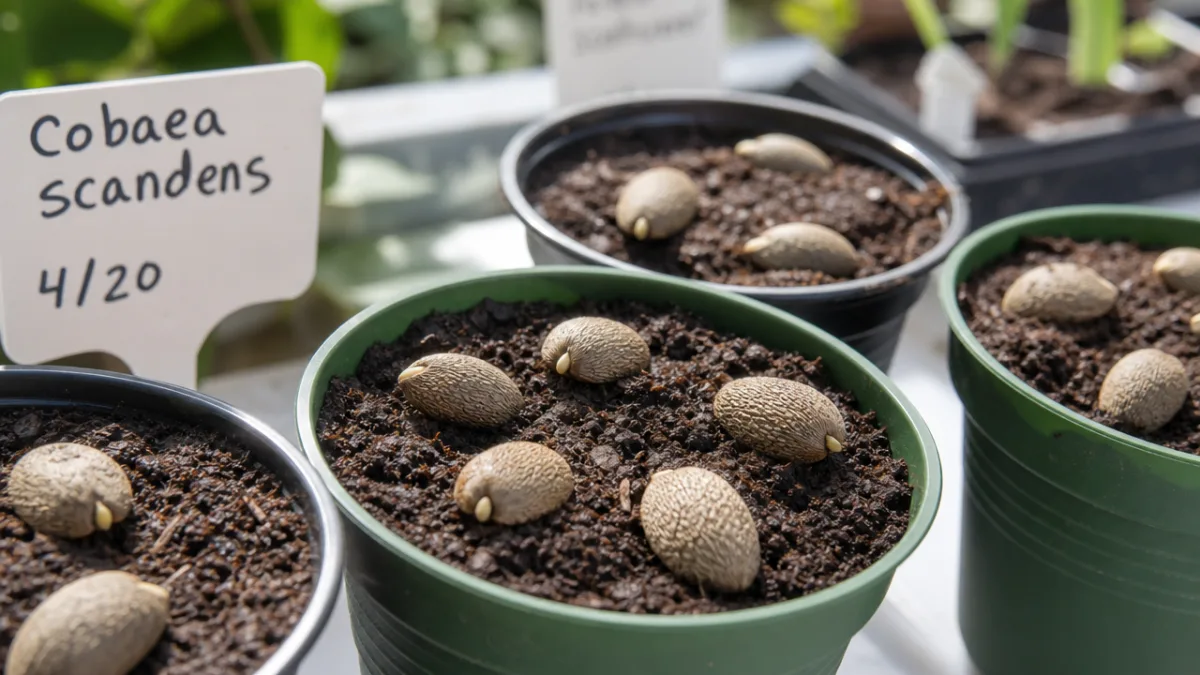
One of the most critical aspects of sowing cup-and-saucer vine seeds is their orientation in the compost. The seeds are large, flat, and papery, resembling small poker chips, and they must be sown on their edge rather than laid flat. Planting them horizontally greatly increases the risk of rotting before germination occurs. Sow each seed individually in a small 3-inch pot filled with moist seed compost, pushing it into the surface so that just the upper edge is visible. This vertical positioning allows the emerging seedling to orientate itself correctly and greatly improves germination rates.
Germination typically takes between 10 and 21 days at a temperature of around 65 to 75°F (18 to 24°C). A heated propagator is extremely useful for maintaining a consistent temperature, though a warm windowsill away from cold drafts can also work well. Once the seedlings have germinated and developed their first set of true leaves, they can be moved to a brighter, slightly cooler position to prevent them from becoming leggy. Pot on into progressively larger containers as the roots fill each pot, and begin hardening off the young plants for two to three weeks before transplanting them outdoors after the last frost date has passed.
Transplanting Outdoors
Transplanting should be done with care, as young Cobaea scandens plants can experience transplant shock if their roots are disturbed roughly. Water the pot thoroughly an hour before planting to help the root ball hold together, then ease the plant out gently and place it into a pre-dug hole that is slightly larger than the root ball. Backfill with a mixture of the original soil and some added compost, firm gently, and water in well. If late frosts are still a risk in your area, keep some horticultural fleece on hand to cover the plant on cold nights during the first few weeks.
Space multiple plants at least three to four feet apart to give each one sufficient room to spread and access sunlight without excessive competition. Closer spacing will result in the plants intertwining heavily, which can make maintenance difficult and may increase the risk of fungal disease by limiting air circulation around the foliage. In the weeks following transplanting, keep a close eye on soil moisture levels and water regularly until the roots have had time to establish in their new location.
Watering, Feeding, and Ongoing Care
Once established, Cobaea scandens is a relatively undemanding plant in terms of day-to-day maintenance, but consistent watering is essential throughout the growing season. The plant has a high moisture demand, particularly during warm summer months when it is producing new growth rapidly and carrying its large load of leaves and flowers. Water deeply and regularly, aiming to keep the soil evenly moist but never waterlogged. During extended dry spells, you may need to water every day, especially for container-grown specimens where the compost can dry out within hours on a hot afternoon.
Feeding generously is one of the surest ways to encourage the lush growth and abundant flowering that makes Cobaea scandens so spectacular. During the early part of the growing season, when the plant is putting on rapid vegetative growth, a balanced general-purpose fertilizer applied every two weeks will help fuel the development of strong stems and healthy foliage. Once the flower buds begin to form, switch to a high-potassium liquid feed — a tomato fertilizer works perfectly — applied weekly to encourage prolific and long-lasting blooms rather than excessive leafy growth.
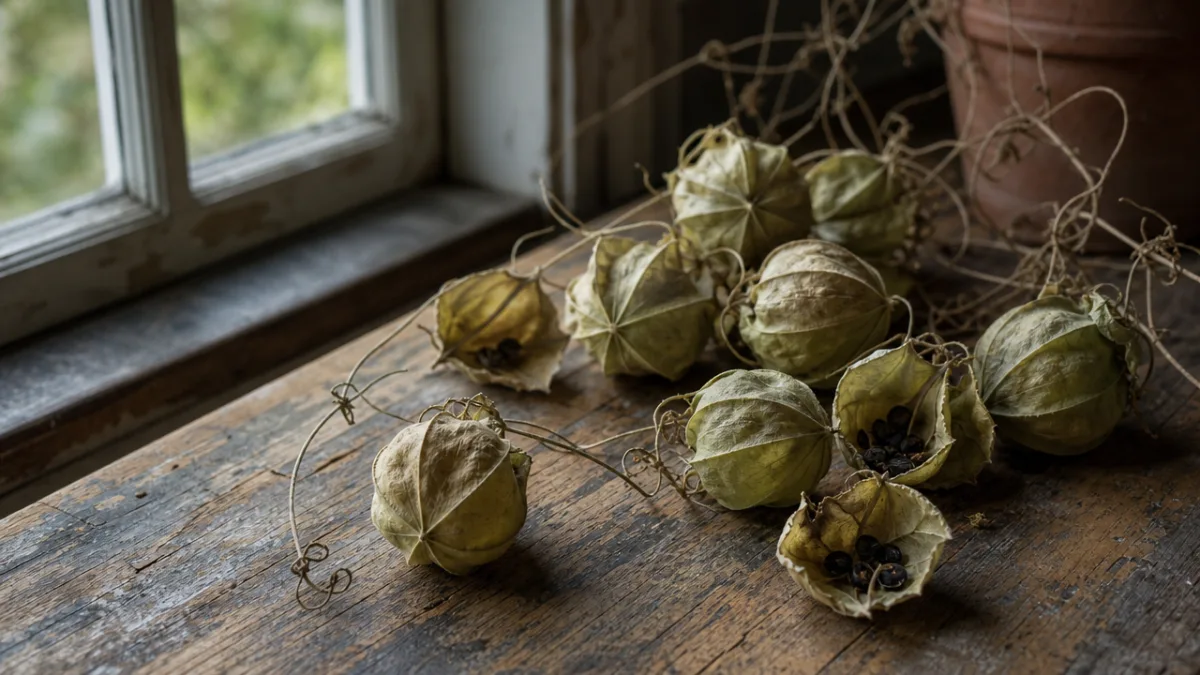
Regular deadheading of spent flowers can help prolong the blooming season by preventing the plant from diverting energy into seed production. However, if you wish to collect seeds for the following year, allow a selection of seed pods to develop and ripen fully on the plant. The seed pods are themselves attractive — large, oval, and leathery — and add an additional ornamental element to the display in late summer and autumn. Mulching around the base of the plant with a layer of garden compost will help retain soil moisture, suppress weeds, and provide a slow-release source of nutrients throughout the season.
Common Problems and Solutions
While Cobaea scandens is generally a robust and resilient plant, it can occasionally be troubled by a handful of common garden pests and diseases. Aphids are perhaps the most frequent problem, clustering on young growing tips and feeding on the sap, which can distort new leaves and weaken the plant if populations are allowed to build up unchecked. Inspect the growing tips regularly and deal with infestations promptly by spraying with a strong jet of water, applying an insecticidal soap solution, or encouraging natural predators such as ladybirds and lacewings into the garden.
Spider mites can also become troublesome during hot, dry spells, causing a distinctive pale, mottled appearance on the upper surface of leaves. Increasing humidity around the plant by misting the foliage regularly and ensuring adequate watering will make conditions less favorable for these tiny pests. Powdery mildew, a fungal disease that manifests as a whitish, powdery coating on leaves, can occur in conditions of poor air circulation or irregular watering. Improving ventilation around the plant and maintaining consistent soil moisture are the best preventive measures.
- Aphids: Treat with insecticidal soap or a strong water spray; encourage beneficial insects to the garden.
- Spider mites: Mist foliage regularly and ensure consistent watering during hot, dry weather.
- Powdery mildew: Improve air circulation and avoid overhead watering late in the day.
- Root rot: Ensure excellent drainage in both garden beds and containers; never allow the plant to sit in standing water.
- Slugs and snails: Protect young transplants with copper tape, organic slug pellets, or regular evening patrols.
Overwintering and Saving Seeds
In most temperate gardens, Cobaea scandens is treated as a half-hardy annual and composted at the end of the season. However, if you have a frost-free greenhouse, conservatory, or brightly lit spare room, it is entirely possible to overwinter the plant successfully and enjoy an earlier, more impressive display the following year. Before the first frost arrives, take cuttings from the current season’s growth — semi-ripe tip cuttings of around 4 to 6 inches root readily in a mixture of compost and perlite and will produce vigorous young plants that can be grown on over winter in a warm, bright position.
Alternatively, you can attempt to overwinter the whole plant by lifting it carefully from the ground, cutting it back to a manageable size, and potting it into a large container. Keep it in a frost-free location with as much light as possible throughout the winter months, watering sparingly and avoiding feeding until growth resumes in spring. This approach is not always successful, particularly if the plant is large or has extensive roots, but it is worth attempting with a particularly fine specimen or a named variety that may be difficult to source as seed again.
Saving seeds for the following season is straightforward and rewarding. Allow selected seed pods to ripen fully on the plant until they begin to turn brown and papery. Harvest the pods before they split open and spread their seeds, then bring them indoors to dry completely in a warm, well-ventilated spot for several weeks. Once fully dry, extract the flat, disc-like seeds, place them in a clearly labeled paper envelope, and store them in a cool, dry, dark location such as a refrigerator drawer or a cool cupboard. Properly stored seeds should remain viable for two to three years, giving you a reliable source of plants for seasons to come.
Varieties and Cultivars Worth Growing
While the classic purple-flowered form of Cobaea scandens is the most widely grown and readily available, there are several cultivars worth seeking out for slightly different effects in the garden. The white-flowered form, often sold as Cobaea scandens f. alba, produces pure white or very pale cream flowers that have a refined, elegant quality and show up particularly well in shady corners or against dark-colored walls. The flowers of the alba form retain their pale coloration as they mature, unlike the species, which deepens to purple, making it a more restrained and consistent choice for certain design schemes.
Some specialist nurseries and seed companies offer variegated-leaved forms that add additional interest to the plant beyond its flowers, though these are somewhat rarer and may be slightly less vigorous than the standard green-leaved types. When choosing which variety to grow, consider the color scheme of your garden, the aspect and size of the space you are trying to fill, and whether you want the bold drama of purple flowers or the softer sophistication of white. Regardless of which form you select, the structural quality of the blooms and the extraordinary vigour of the plant remain consistent across all varieties.
- Cobaea scandens (species): The classic form, opening green-white and maturing to rich purple-violet; the most vigorous and widely available.
- Cobaea scandens f. alba: Pure white or cream flowers throughout the season; particularly beautiful in evening light or against dark backgrounds.
- Variegated forms: Rare cultivars with cream-edged or marbled foliage; less vigorous but highly ornamental even when not in flower.
Design Ideas and Garden Uses
The sheer versatility of Cobaea scandens makes it one of the most useful plants in the garden designer’s toolkit. Its rapid growth and dense, lush foliage make it an ideal candidate for creating quick, temporary screens to hide utility areas, compost bins, or unsightly fences during the growing season. Unlike permanent hedging or screening plants that require years to become effective, Cobaea scandens can cover a substantial area in a matter of weeks, providing an immediate solution to privacy or aesthetic problems in the garden.
In more formal or designed garden settings, the cup-and-saucer vine works beautifully when trained over a substantial pergola or archway, where its flowers can hang down and be appreciated at eye level as you pass beneath. Planting it alongside other vigorous climbers such as sweet peas, morning glories, or black-eyed Susan vine creates a rich tapestry of color and texture that evolves throughout the season as each plant comes into its peak flowering period. The purple-flowered form looks particularly striking when combined with complementary warm tones of orange, gold, and yellow, or with cool contrasting shades of lime green and silver.
For gardeners who enjoy growing plants in the cottage garden or naturalistic style, Cobaea scandens can be allowed to ramble somewhat freely through the supports of neighboring shrubs or trained fruit trees, creating a relaxed, informal effect. The large, intricate flowers attract significant numbers of bumblebees and other long-tongued pollinators, making it a genuinely valuable addition to any garden focused on supporting wildlife. Its extended flowering period, from midsummer right through to the first autumn frosts, means it provides nectar and pollen resources at a time of year when many other garden flowers are beginning to fade.
Pairing Cobaea Scandens with Other Plants
Thoughtful plant partnerships can elevate the visual impact of Cobaea scandens from impressive to truly breathtaking. The vine’s distinctive purple blooms harmonize beautifully with the silvery foliage of plants such as Artemisia or Stachys byzantina planted at its base, creating a cool, sophisticated color palette that works particularly well in shaded or partially shaded aspects. For a bolder, more dramatic combination, try pairing it with the vivid orange flowers of Eccremocarpus scaber or the rich crimson blooms of a climbing rose trained on the same structure.
At ground level beneath the vine, low-growing annuals and perennials can be used to create a seamless transition between the climbing plant above and the garden border below. Lavender, catmint, and salvia all share the cup-and-saucer vine’s love of sunshine and well-drained soil while complementing its color palette beautifully. In containers, trailing plants such as Dichondra ‘Silver Falls’ or Bacopa planted around the edge of the pot can soften the base of the structure and create a more polished, designed appearance that looks good even before the main climber has reached its full height and spread.
Growing Cobaea scandens is ultimately an exercise in patience rewarded exponentially. The plant asks relatively little of its gardener in return for one of the most dramatic and impressive performances available in the annual climbing plant world. From the careful vertical sowing of its distinctive seeds in late winter, through the excitement of watching the first tendrils reach for their support in early summer, to the breathtaking spectacle of dozens of purple chalices opening simultaneously against a warm garden wall in August and September, every stage of its life cycle offers its own particular pleasure and satisfaction to the gardener willing to give it a try.








What do you think?
It is nice to know your opinion. Leave a comment.