










Purple Queen: The Complete Guide to Growing Malope Trifida from Seed
Introduction to Malope Trifida and the Purple Queen Variety
Malope trifida, commonly known as Trechtermalva in Dutch or annual mallow in English, is one of the most captivating and underappreciated flowering annuals available to gardeners today. Originally native to the western Mediterranean region, including Spain, Portugal, and North Africa, this elegant plant has found devoted admirers across Europe and beyond. Its trumpet-shaped blooms and vigorous growth habit make it an exceptional choice for cottage gardens, cutting gardens, and anyone seeking bold vertical color throughout the summer months.
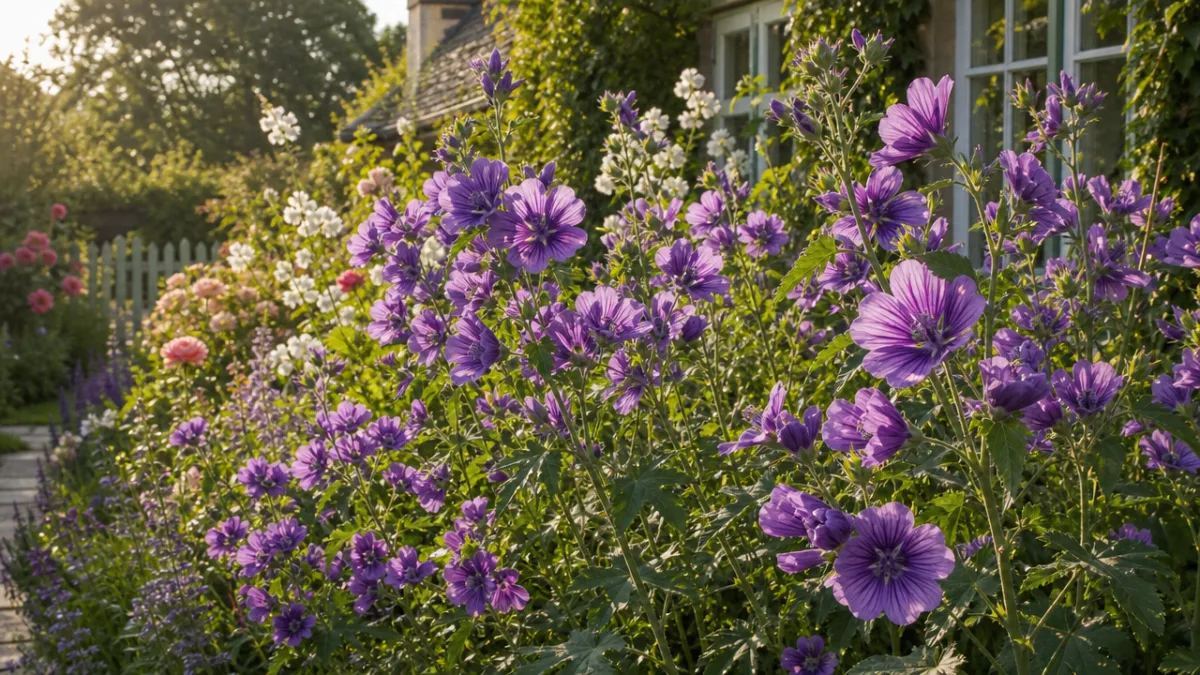
The Purple Queen cultivar represents one of the most stunning selections within the Malope trifida species. As its name suggests, this variety produces an abundance of deep, rich purple flowers that carry a velvety quality rarely seen in annual plants. The blooms are large for an annual, often reaching five to seven centimeters across, and they display delicate darker veining through the petals that adds visual depth and complexity. When planted in generous drifts or along a sunny border, Purple Queen creates a breathtaking display that rivals far more expensive perennials.
What makes Malope trifida particularly appealing for modern gardeners is its remarkable ease of cultivation. Unlike many ornamental annuals that demand constant attention, precise nutrition schedules, or carefully controlled conditions, Purple Queen is content to grow with minimal intervention. It rewards direct sowing into the garden, tolerates a degree of drought once established, and self-seeds generously in suitable climates, meaning that a single packet of seeds can provide years of garden pleasure. Understanding this plant’s natural preferences and growth cycle is the key to unlocking its full potential.
Understanding the Botanical Background and Growth Habit
Malope trifida belongs to the Malvaceae family, a large and diverse botanical family that also includes hollyhocks, hibiscus, and the common mallow. This family connection is clearly visible in the flower structure, which shares the characteristic five-petaled, broadly open form and the central column of fused stamens typical of mallows. The genus name Malope comes from Greek roots, while trifida refers to the three-lobed leaves that distinguish this species from close relatives. Knowing this background helps gardeners anticipate the plant’s needs and recognize potential pest and disease similarities with other Malvaceae family members.
In terms of growth habit, Purple Queen is a tall, upright annual that typically reaches between sixty and one hundred centimeters in height, and sometimes taller in particularly fertile or sheltered conditions. The stems are branching but maintain a generally columnar form, making the plant useful for providing mid-border height without spreading aggressively into neighboring plants. The foliage is pleasantly textured and mid-green, providing a handsome backdrop for the profusion of flowers that appear from midsummer onward. The plant’s overall architecture is airy rather than dense, allowing light and air to circulate freely through the planting.
One of the most important botanical characteristics of Malope trifida from a gardening perspective is its classification as a true annual. The plant completes its entire life cycle within a single growing season, germinating, flowering, setting seed, and dying all within one year. This means that gardeners must either sow fresh seed each spring or allow the plant to self-seed in place. The advantage of this annual habit is that plants remain vigorous and floriferous throughout their entire season without the mid-summer fatigue that affects many perennials. Every flowering stem is in its prime, ensuring a consistent and impressive display from first bloom to first frost.
Seed Selection and Sourcing: Getting Started with Purple Queen
Purchasing high-quality seed is the critical first step toward a successful Malope trifida display. When seeking out Purple Queen seeds, it is worth taking time to research reputable suppliers who specialize in open-pollinated or heirloom varieties. The description of this particular product, offering two sets of Trechtermalva Zaden Purple Queen seeds, suggests a value-oriented approach to sourcing, where purchasing multiple packets ensures both sufficient quantity for a generous planting and some reserve seed for successive sowings or future seasons. Always check the harvest date on seed packets, as fresh seed germinates far more reliably than old stock.
Seed viability is a practical concern with any flowering annual, and Malope trifida is no exception. Generally, mallow seeds retain acceptable germination rates for two to three years when stored correctly, though freshly harvested seed of the same season performs best. To maximize germination success, store any unused seeds in a cool, dry, and dark location, ideally in a sealed paper envelope inside an airtight container. Many experienced seed savers add a small silica gel sachet to absorb excess moisture during storage. Labeling seeds clearly with the variety name and harvest year prevents the confusion that inevitably accumulates in even the most organized seed collection over time.
When evaluating seed packets, look for descriptors that confirm you are purchasing the correct variety. Purple Queen should be specified as Malope trifida and described as producing purple or deep magenta flowers. The term eenjarig, which appears in the Dutch product title, simply confirms the annual nature of the plant, which is standard for all Malope trifida cultivars. Some suppliers offer mixed color strains that include white, pink, and purple, which can be beautiful in their own right but will not provide the unified, dramatic purple display that the Purple Queen cultivar specifically delivers. If a consistent color scheme matters to your garden design, always confirm that you are purchasing a named single-color selection.
Sowing and Germination: From Seed to Seedling
Malope trifida is one of the relatively few annuals that genuinely prefers to be direct sown into its final growing position rather than started indoors and transplanted. This preference stems from the plant’s development of a taproot, which dislikes disturbance once established. Attempting to transplant Malope seedlings often results in checked growth, wilting, and reduced flowering. The ideal approach is to sow seeds directly into prepared garden soil as soon as the risk of hard frost has passed in spring, which typically means sometime between late March and early May depending on local climate. In milder regions, an autumn sowing in sheltered spots can also succeed.
Preparing the sowing site requires only basic soil preparation. Malope trifida performs best in a reasonably fertile, well-drained soil in a position that receives full sun for the majority of the day. Heavy clay soils benefit from the addition of horticultural grit to improve drainage, while very sandy soils may need organic matter to improve moisture retention. However, avoid over-enriching the soil with high-nitrogen fertilizers, as this encourages lush leafy growth at the expense of flowers. A light raking to create a fine tilth, followed by gentle firming, creates the ideal seedbed. Mark sowing areas clearly if mixing with other plants to avoid accidentally disturbing emerging seedlings during subsequent weeding.
Sowing technique for Malope trifida is straightforward. Scatter seeds thinly across the prepared area or sow in shallow drills approximately one centimeter deep. Cover lightly with fine soil or vermiculite and water gently using a fine rose attachment to avoid disturbing the seeds. Germination typically occurs within ten to twenty-one days, depending on soil temperature, with warmer soils accelerating the process considerably. Once seedlings are large enough to handle, thin them to approximately twenty to thirty centimeters apart to give each plant adequate room to develop its branching structure. These thinnings can sometimes be carefully transplanted when very young if handled gently and given plenty of water to settle in.
- Sow directly outdoors after the last frost date for your region
- Choose a full-sun position with well-drained but reasonably fertile soil
- Sow seeds at approximately one centimeter depth and cover lightly
- Thin seedlings to twenty to thirty centimeters apart once established
- Water consistently during germination but avoid waterlogging
- Successive sowings every three to four weeks extend the flowering season
Growing Conditions, Care, and Maintenance Throughout the Season
Once established, Malope trifida Purple Queen is a remarkably self-sufficient plant that asks very little from the gardener in return for its generous floral display. Watering during dry spells is the primary care requirement, particularly during the critical establishment phase in the weeks following germination. Young plants with developing root systems are more vulnerable to moisture stress than mature specimens, and prolonged drought during this early period can permanently reduce the plant’s vigor and flower production. Once plants are well established and actively growing, they demonstrate notable drought tolerance compared to many other popular annuals.
Feeding Malope trifida requires a light hand. These plants evolved in relatively poor Mediterranean soils and do not require the heavy fertilization regimes that some gardeners apply to bedding plants and tender perennials. A single application of a balanced general-purpose fertilizer in late spring, or the incorporation of well-rotted compost into the soil at sowing time, is generally sufficient to support strong growth and flowering. If plants appear unusually pale or slow-growing despite adequate watering, a liquid feed with a balanced or potassium-rich fertilizer can provide a helpful boost. Avoid high-nitrogen feeds that push leafy growth at the expense of the blooms that make this plant so desirable.
Staking may be necessary in exposed or windy gardens, as the tall stems of Malope trifida can become top-heavy when laden with flowers and vulnerable to wind rock. Inserting short canes or using twiggy pea sticks early in the season, before plants reach their full height, allows stems to grow naturally through the support structure in a way that appears invisible from a normal viewing distance. In sheltered gardens, staking is rarely needed, and the plant’s naturally branching habit provides a degree of self-support. Deadheading spent blooms encourages the plant to continue producing new flowers rather than directing energy into seed production, though leaving some flowers to set seed at the end of the season ensures a supply for the following year.
Companion Planting and Garden Design with Purple Queen Malope
The deep purple flowers of Malope trifida Purple Queen offer extraordinary versatility in garden design, combining beautifully with an enormous range of other plants. For a classic cottage garden look, pair Purple Queen with soft pink cosmos, white or cream sweet peas, and the feathery foliage of fennel or bronze-leaved dill. The contrast between the bold, saturated purple of the Malope flowers and the delicate textures of these companions creates a romantic, layered planting that feels entirely natural rather than contrived. Adding ornamental grasses such as Stipa tenuissima introduces movement and a modern sensibility while complementing the overall color palette.
For a more dramatic, bold color statement, consider combining Purple Queen with other richly colored annuals and perennials. Deep golden marigolds, burnt orange calendula, and the rich crimson tones of Knautia macedonica or certain Achillea varieties create a vibrant, jewel-toned border that peaks in late summer. The purple of Malope in this context reads as a sophisticated anchor color that ties together the warmer hues without competing with them. Adding the silver-grey foliage of Stachys byzantina or Artemisia to the mix provides visual breathing space and highlights each individual flower color more effectively than if the planting consisted entirely of vivid tones.
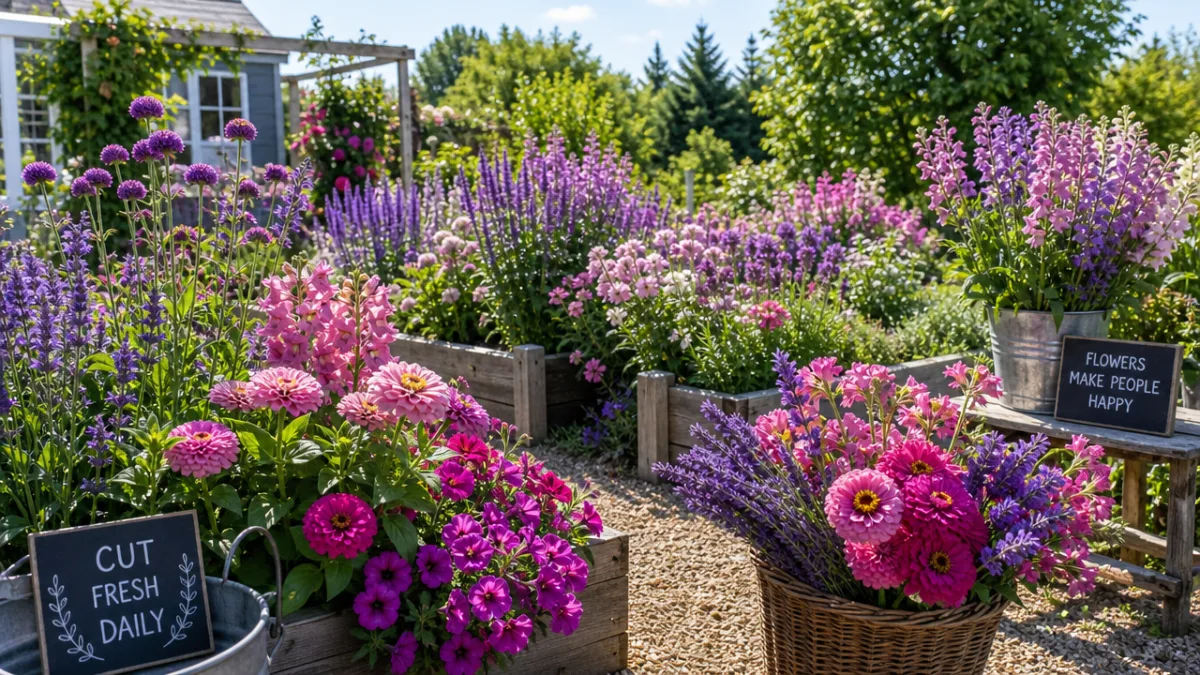
From a practical garden planning perspective, Malope trifida deserves a place in every cutting garden. The long, sturdy stems and vase-like flowers make excellent cut flowers that last well in water and provide vertical height in mixed arrangements. Harvesting flowers when they are just fully open rather than past their peak ensures the best vase life, and regular cutting serves the dual purpose of removing spent blooms to encourage further flower production. Successive sowing from early spring through early summer ensures a continuous supply of cut flowers from midsummer through early autumn, making Purple Queen an exceptional and underutilized contributor to homegrown flower arrangements throughout the season.
Pest, Disease, and Troubleshooting Guide for Malope Trifida
Malope trifida is generally considered a robust and trouble-free annual, but like all garden plants it is susceptible to a handful of pests and diseases that gardeners should be aware of. As a member of the Malvaceae family, it shares some vulnerabilities with hollyhocks and related plants, most notably susceptibility to rust fungus. Mallow rust, caused by Puccinia malvacearum, manifests as orange or rusty-brown pustules on the undersides of leaves and can cause significant defoliation in severe cases. Ensuring good air circulation around plants by appropriate thinning and avoiding overhead watering in the evening helps reduce rust incidence considerably.
Aphids are opportunistic pests that may colonize the soft growing tips of Malope plants, particularly during warm, settled weather when natural predator populations have not yet built up. Small infestations can be removed by hand or dislodged with a firm jet of water from a garden hose. Encouraging natural predators such as ladybirds, lacewings, and hoverflies by growing nectar-rich companion plants nearby provides a sustainable, chemical-free approach to aphid management. In severe infestations where physical removal is insufficient, an insecticidal soap spray applied in the early morning or evening provides effective control with minimal impact on beneficial insects.
Slugs and snails present the greatest threat to Malope seedlings at the vulnerable early growth stages, when young plants have soft stems and limited ability to recover from significant leaf damage. Protecting seedlings with copper tape around pots, beer traps sunk flush with the soil surface, or wildlife-friendly iron phosphate pellets can significantly reduce losses. As plants mature and develop tougher stems, they become far less attractive to mollusks and generally outgrow this vulnerability. Root rot can occur in poorly drained soils, particularly during wet springs, which underlines the importance of adequate soil drainage at the planting site.
- Monitor regularly for aphid colonies on soft growing tips from late spring onward
- Protect young seedlings from slug and snail damage using appropriate deterrents
- Improve air circulation to reduce rust fungus risk in humid conditions
- Avoid overhead watering in the evening to minimize fungal disease pressure
- Ensure adequate soil drainage to prevent root rot in wet seasons
- Encourage beneficial insects by growing companion plants with open flowers nearby
Saving Seeds and Ensuring Future Seasons of Purple Queen
One of the most rewarding aspects of growing open-pollinated annual flowers like Malope trifida Purple Queen is the ability to save seed from your own plants and perpetuate the variety indefinitely at no further cost. Malope trifida produces seed relatively freely, and the seed heads are easy to identify and harvest at the appropriate stage of maturity. As summer progresses and the first flowers begin to fade, watch for the development of characteristic round seed heads that gradually turn from green to brown as they ripen. Collecting at the right moment, when seed heads are fully brown and dry but before they split and scatter seeds, is the key to a successful harvest.
To harvest Malope seeds, cut the dried seed heads from the plant on a dry day and place them in a paper bag or on a sheet of paper in a warm, dry room. Allow the seed heads to dry completely for a further week or two before gently breaking them open and separating the seeds from the surrounding chaff. The seeds themselves are small and dark, roughly kidney-shaped, and should feel firm and dry to the touch when ready for storage. Avoid collecting from plants that show signs of disease or unusually poor vigor, selecting instead from the healthiest and most floriferous specimens to maintain and potentially improve the quality of your saved seed over successive generations.
Storing saved Malope seeds correctly ensures they remain viable for the following season and potentially beyond. Place cleaned, dry seeds in a labeled paper envelope noting the variety name, color, and year of collection. Store envelopes in a cool, dry, and dark location such as a tin box kept in a cool cupboard or unheated room. Many seed savers include a small silica gel sachet in their storage containers to maintain low humidity. Properly stored Malope trifida seeds typically remain viable for two to three years, giving gardeners reassuring flexibility if a particular growing season is unsuitable for sowing or if unexpected circumstances prevent seed collection in any given year.








What do you think?
It is nice to know your opinion. Leave a comment.