










Introduction to Ball-Jointed Crochet Dolls
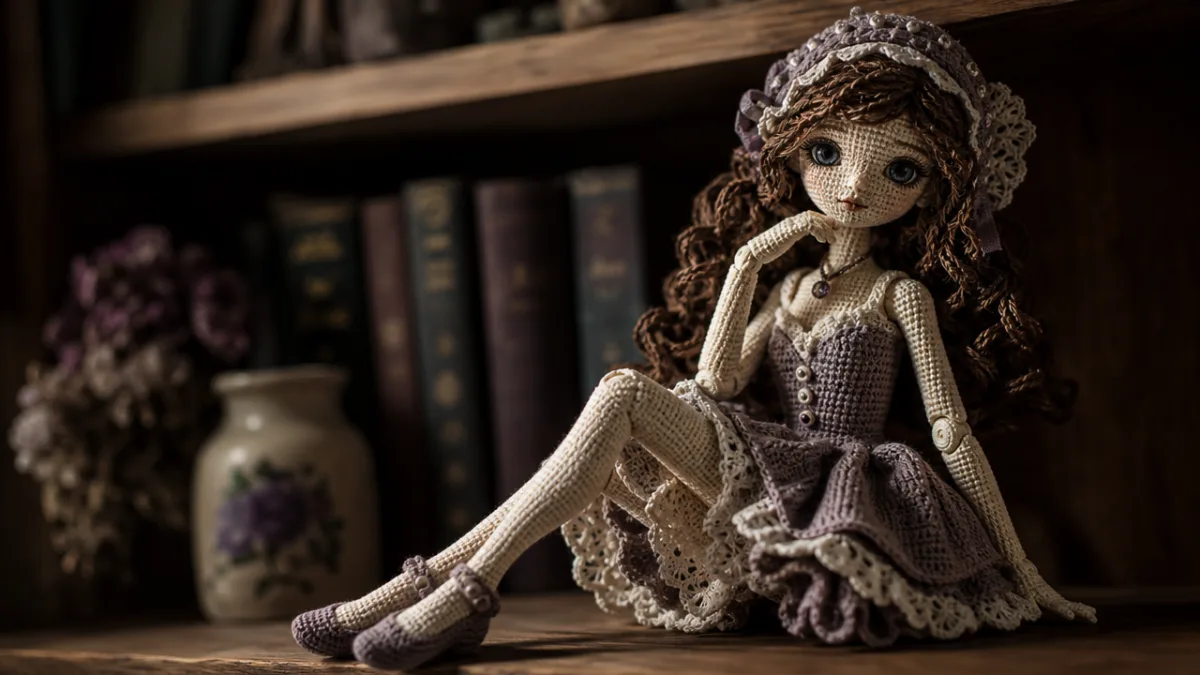
Ball-jointed dolls, often abbreviated as BJDs, have long captivated collectors and craft enthusiasts with their elegant articulation and lifelike poseability. Traditionally crafted from resin or porcelain, these dolls feature spherical joints that allow for a remarkable range of movement at the shoulders, elbows, hips, knees, and other connection points. In recent years, a growing community of crochet artists has begun recreating this iconic doll style using yarn and fiber, blending the timeless art of amigurumi with the sophisticated engineering of ball-joint construction. The result is a soft, tactile, and endlessly customizable version of a beloved collectible form.
Creating a crochet ball-jointed doll is a rewarding yet technically demanding project that sits firmly in the intermediate-to-advanced range of fiber arts. Unlike standard amigurumi figures, which are often stuffed and sewn together permanently, BJD-style crochet dolls require careful planning around joint construction, internal structure, and assembly methods. The individual body parts must be sized and shaped so that the ball joints fit snugly and allow smooth movement without falling apart. This demands not only crochet skill but also a solid understanding of doll anatomy and proportion.
This article is designed to walk you through everything you need to get started on your own crochet ball-jointed doll. Whether you are an experienced amigurumi maker looking to level up your craft or a BJD enthusiast who wants to try something new with yarn, the information here will give you a clear picture of the materials, tools, and techniques involved. By gathering the right supplies before you begin, you set yourself up for a smoother, more enjoyable creative process and a finished doll you can be truly proud of.
Why Crochet BJDs Are Trending
The crochet BJD trend has gained significant momentum on platforms like Pinterest, Instagram, and YouTube, where makers share their stunning creations with a global audience. Unlike purchasing a resin BJD, which can cost hundreds or even thousands of dollars, crafting your own from yarn is a far more budget-friendly option while still delivering an impressively detailed and poseable result. The ability to fully customize every aspect of the doll — from skin tone and hair color to clothing and accessories — appeals strongly to the artistic instincts of crochet hobbyists who love to put a personal stamp on their work.
Community support around crochet BJDs has also grown considerably, with dedicated groups on social media sharing tips, patterns, troubleshooting advice, and inspiration. Many pattern designers now offer specialized BJD crochet patterns that include detailed instructions for creating the ball joints and assembling the doll correctly. This accessibility has lowered the barrier to entry for makers who might otherwise find the concept daunting. The shared knowledge base within the crochet BJD community is one of its greatest strengths, making it welcoming to newcomers while still offering depth for advanced practitioners.
Essential Yarn and Fiber Materials
Choosing the right yarn is one of the most critical decisions you will make when embarking on a crochet BJD project. The yarn you select will affect the doll’s texture, durability, drape, and overall appearance. For the doll’s body, most experienced makers recommend a smooth, tightly spun cotton or cotton-blend yarn. Cotton is ideal because it holds stitch definition extremely well, which is important for maintaining the clean, rounded shapes required for both the body segments and the ball joints. It also tends to be more durable than acrylic under the repeated stress of posing and handling.
Weight matters enormously for crochet BJDs. Fingering weight or sport weight yarn is typically preferred for creating smaller, more detailed dolls with well-defined joints that do not look bulky or misshapen. Using a hook that is one or two sizes smaller than the yarn’s recommended hook size is a standard technique in amigurumi and BJD crochet alike; the tighter gauge prevents the stuffing from showing through the stitches and gives the doll a firmer, more sculptural feel. Some makers prefer to work with size 10 crochet thread for extremely fine, detailed work, though this requires more time and eye strain.
Color selection is another enjoyable aspect of the material-gathering stage. You will need a base color for the doll’s skin, which can range from pale cream to deep ebony, allowing for full representation of diverse skin tones. Additionally, you may wish to select contrasting yarn for any visible body details, or simply use the same skin-tone color throughout the body and focus color expression on the doll’s outfit and hair. Purchasing small amounts of several complementary colors at the outset gives you flexibility as the project develops and avoids the frustration of a discontinued dye lot mid-project.
Specialty Fibers and Alternatives
While cotton is the go-to choice for many makers, other fiber types can produce interesting and beautiful results in crochet BJDs. Bamboo yarn, for example, has a subtle sheen that gives the doll’s skin a slightly luminous quality, reminiscent of the glossy finish on resin BJD bodies. Wool or wool-blend yarns can be felted slightly for a smoother, denser surface, though this technique requires careful planning and testing before committing the approach to your main project. Acrylic yarns are widely available and affordable, and high-quality acrylics can produce excellent results, particularly for makers who are still in the learning stages and do not want to invest heavily in specialty fibers.
For the doll’s hair, makers have a wide array of options. Mohair yarn, with its long, wispy fibers, creates a beautifully realistic hair effect and can be styled in various ways. Specialty doll hair or weaving fiber available from craft and doll-making suppliers can also be attached using needle-felting or sewing techniques. Some makers even use embroidery floss or metallic thread for fantasy-style hair colors and textures. The hair material you choose will significantly influence the overall character and personality of the finished doll, so it is worth experimenting with small samples before making a final decision.

Tools and Equipment You Will Need
Beyond yarn, a crochet BJD project requires a carefully assembled toolkit. The crochet hook is naturally the centerpiece of this toolkit, and having a range of sizes available is advisable. Most BJD patterns will specify hook sizes, but having hooks ranging from 1.5mm to 3.5mm on hand ensures you can adjust your gauge as needed for different parts of the doll. Ergonomic hooks with cushioned grips are a worthy investment for a project of this scale, as the tight gauge required for amigurumi-style work can strain the hand and wrist over long sessions.
Tapestry needles, also called yarn needles or darning needles, are indispensable for sewing parts together, weaving in yarn ends, and attaching embroidered facial features. Choose blunt-tipped needles in a range of sizes to accommodate different yarn weights. Stitch markers are another essential tool — they help you keep track of round beginnings and important points in your pattern, preventing the counting errors that can throw off the shape of a carefully worked body part. Locking stitch markers are particularly useful because they can be moved easily as your work progresses.
Scissors, a ruler or measuring tape, and pins for holding pieces in position during assembly round out the basic toolkit. For the jointing system itself — which is where crochet BJDs diverge most clearly from standard amigurumi — you may need additional specialized supplies. Some makers create internal ball joints from crochet alone, crocheting separate spheres that nestle inside socket openings in the body segments. Others use a combination of crocheted shells and physical materials such as plastic craft balls, which provide a firmer, more stable joint with better poseable properties.
Stuffing and Internal Structure Materials
Polyfill or polyester fiberfill stuffing is the standard choice for filling the body segments of a crochet BJD, and the quality of the stuffing you use matters more than many makers initially realize. A high-quality, low-loft fiberfill will pack more firmly and maintain its shape better over time than a cheap, clumping variety. Firm, even stuffing is especially important in a BJD, where the body parts need to hold their form to support the jointing mechanism properly. Some makers prefer to use plastic pellets or weighted stuffing in the lower body and legs to give the doll a satisfying heft and help it sit or stand more stably.
Wire armatures are another option for BJD makers who want maximum poseability. A thin but sturdy wire, such as aluminum armature wire, can be threaded through the body segments before stuffing to create an internal skeleton. This allows the doll to hold dynamic poses far beyond what crocheted ball joints alone can achieve. However, working with wire requires caution, as sharp wire ends can pierce through the yarn and pose a safety risk. Proper wrapping and capping of all wire ends with craft foam or masking tape is essential if this approach is used.
Elastic cord is another critical material for many BJD assembly methods, mimicking the elastic stringing system used in traditional resin BJDs. Strong, braided elastic cord threaded through the body segments and tied or knotted internally can hold the doll together while still allowing movement at each joint. The tension of the cord determines how easily the joints move and how securely they hold a pose, so selecting the appropriate thickness and elasticity for the scale of your doll is an important step in the planning process.

Facial Feature Supplies and Embellishments
The face of a crochet BJD is its most expressive element and deserves careful attention to detail. Safety eyes are a popular choice for many amigurumi makers and can work well in BJDs, particularly for a cute, stylized aesthetic. They come in a wide range of sizes and colors, including specialty varieties with slit pupils, cat-eye shapes, and irises in dramatic hues. For a more realistic or traditionally BJD-inspired look, however, many makers prefer to embroider the eyes using embroidery floss or silk thread, allowing for far greater customization in shape, color, and expression.
Embroidery supplies are therefore a significant part of the BJD maker’s toolkit. A set of embroidery needles in multiple sizes, a wide palette of embroidery floss colors, and optionally some silk ribbon or metallic thread for highlights and detail work will all come in handy. Blush powder or cosmetic chalk pastels can be gently brushed onto the finished face to add rosy cheeks, subtle shading around the eyes, or a lifelike skin tone gradient. A soft brush for applying these cosmetics and a fixative spray to set them in place are useful additions to your supply list.
For lips, brows, and other fine facial details, some makers use fine-tipped fabric paint pens or acrylic paint applied with a very small brush. These tools allow for crisp, precise lines that embroidery sometimes struggles to produce at small scales. Whichever approach you choose for the face, it is strongly recommended that you practice on a test swatch or spare crocheted circle before committing to the final doll head. Facial expression is deeply personal and worth the extra time it takes to get exactly right, as it defines the doll’s entire personality and emotional presence.
Clothing and Accessory Materials
One of the greatest joys of creating a crochet BJD is dressing it in miniature handcrafted clothing and accessories. Tiny skeins of various yarn colors, miniature buttons, seed beads, small snaps or hook-and-eye closures, and thin ribbon are all useful to have on hand as you plan the doll’s wardrobe. Fabric scraps can be sewn into garments that complement the crocheted pieces, and the combination of crochet and fabric in a single outfit can produce a richly layered, couture-like result. Miniature shoes can be crocheted separately or crafted from craft foam, felt, or polymer clay.
Jewelry and accessories add a finishing touch that elevates the doll from a craft project to a true collectible. Tiny beads strung on thin wire or thread can become necklaces, bracelets, or earrings. Miniature hats, scarves, and bags are all achievable with small amounts of leftover yarn and basic crochet knowledge. For makers who enjoy mixed-media work, incorporating elements like tiny mirrors, polymer clay charms, or miniature resin flowers can give the doll a unique, one-of-a-kind quality that makes it a true artistic statement.
Planning, Patterns, and Assembly Tips
Before purchasing a single skein of yarn or picking up a hook, taking time to plan your crochet BJD thoroughly will save significant frustration later in the process. Start by deciding on the doll’s overall scale — BJD crochet dolls typically range from around 20 centimeters to 45 centimeters in height, and the scale you choose will determine appropriate yarn weight, hook size, and the size of any physical components like safety eyes or craft balls used for joints. Sketching out a rough design or collecting reference images for the style, pose range, and character aesthetic you want will also help guide your material choices.
Sourcing a reliable pattern is the next essential step. Look for patterns specifically designed for ball-jointed construction rather than adapting a standard amigurumi pattern, as the jointing system requires specialized shaping and sizing that standard patterns do not account for. Many talented designers sell BJD crochet patterns on platforms such as Ravelry, Etsy, and Payhip, with varying levels of detail and difficulty. Reading through the entire pattern before beginning will help you understand what materials you need, how the assembly sequence works, and where potential challenges might arise so you can prepare for them in advance.
Assembly is often cited as the most challenging phase of a crochet BJD project, particularly for first-time makers. Working methodically through the assembly sequence specified in your pattern, rather than improvising the order of steps, will produce the most successful results. Pinning parts in position before sewing them permanently allows you to check proportions and symmetry before committing. Keeping the doll’s internal elastic cord or wire at the correct tension throughout assembly is crucial for achieving the fluid, expressive movement that makes a ball-jointed doll so appealing. Taking photographs at each stage of assembly also creates a valuable reference if you need to revisit or troubleshoot any step.
Finishing, Care, and Display
Once your crochet BJD is fully assembled and dressed, a few finishing touches will bring the whole piece to a polished conclusion. Blocking individual body parts before assembly can improve the smoothness and regularity of your crochet fabric, particularly for parts that may have developed slight unevenness during tight-gauge work. A light steam block applied carefully to the assembled doll can also help settle the fabric and even out any areas that look slightly distorted after joining. Be cautious with heat if your yarn contains acrylic fibers, as these can melt or lose their texture under too much steam.
Proper care and storage of a finished crochet BJD will help it remain beautiful for years. Keep the doll away from prolonged direct sunlight, which can fade yarn colors over time. Store it in a breathable bag or display case to protect it from dust while allowing air circulation that prevents moisture buildup. If the doll’s joints become loose over time due to elastic cord stretching, most BJD assembly methods allow for re-stringing by carefully disassembling and reassembling the affected segments with fresh elastic cord. Documenting your construction method with notes and photographs makes this maintenance process much easier.
Displaying your finished crochet BJD is a pleasure in itself. Miniature doll stands designed for BJDs are widely available and can support your doll in elegant upright poses. A curated display shelf with complementary miniature props, fairy lights, and backdrop fabrics can transform a single doll into a captivating vignette worthy of exhibition. Many makers also enjoy creating multiple dolls in complementary styles, building a small cast of characters with distinct personalities, wardrobes, and backstories. Whether kept as a private creative achievement or shared with a community of fellow enthusiasts, a handcrafted crochet ball-jointed doll is a testament to skill, patience, and artistic vision.








What do you think?
It is nice to know your opinion. Leave a comment.