










Printable Phone Case Pattern: A Complete Guide to Crochet Phone Case Ideas
Introduction to Crochet Phone Cases
Crochet phone cases have surged in popularity as crafters everywhere look for creative, personalized ways to protect their devices while expressing their unique style. Unlike mass-produced plastic or rubber cases, a handmade crochet phone case carries with it the warmth of handcraftsmanship, a personal touch that simply cannot be replicated by any machine. Whether you are a seasoned crocheter or someone just picking up a hook for the first time, making your own phone case is an incredibly rewarding project that combines practicality with artistry in a deeply satisfying way.
The beauty of using a printable phone case pattern lies in its accessibility and precision. A well-designed printable pattern gives you exact measurements, stitch counts, and visual diagrams that take the guesswork out of sizing. Because phone dimensions vary so widely across brands and models, having a reliable pattern that you can print, annotate, and refer to repeatedly is invaluable. Many crafters keep a dedicated binder of their favorite printable patterns, and a crochet phone case pattern is almost always one of the first to earn a permanent spot in that collection.
Beyond the functional appeal, crochet phone cases open up a world of design possibilities that rigid phone cases simply cannot offer. From delicate lace-inspired stitches to bold geometric colorwork, from whimsical animal designs to minimalist textured patterns, the range of styles achievable through crochet is virtually limitless. This guide will walk you through everything you need to know, from choosing the right materials to customizing your finished case with embellishments that make it truly one of a kind.
Understanding Printable Phone Case Patterns
A printable phone case pattern is a downloadable document, typically in PDF format, that contains all the information a crocheter needs to create a phone case from start to finish. These patterns generally include a list of required materials, gauge information, a glossary of stitches used, step-by-step written instructions, and often a stitch diagram or chart. The printable format allows you to physically hold the pattern in your hands, check off completed steps, and make handwritten notes without the frustration of constantly returning to a screen, which many crafters find enormously helpful during a project.
When selecting a printable pattern, it is important to pay close attention to the gauge swatch requirements. Gauge refers to the number of stitches and rows that fit into a specific measurement, typically a four-inch square, using your chosen yarn and hook size. If your gauge does not match the pattern’s stated gauge, your finished phone case may end up too large or too small to properly hold your device. Taking the time to crochet a small gauge swatch before beginning the actual project is a step that experienced crafters universally recommend and beginners often skip to their later regret.
Printable patterns also frequently come with sizing guides that let you compare your phone’s dimensions against the pattern’s intended measurements. Some advanced patterns even include multiple size options within a single document, making them versatile enough to be used for everything from a compact smartphone to a larger phablet or even a tablet sleeve. When downloading a pattern, look for those that specify which phone models they were designed for, as this level of detail indicates a thoughtfully tested and reliable resource worth adding to your craft library.
Essential Materials and Tools for Your Crochet Phone Case
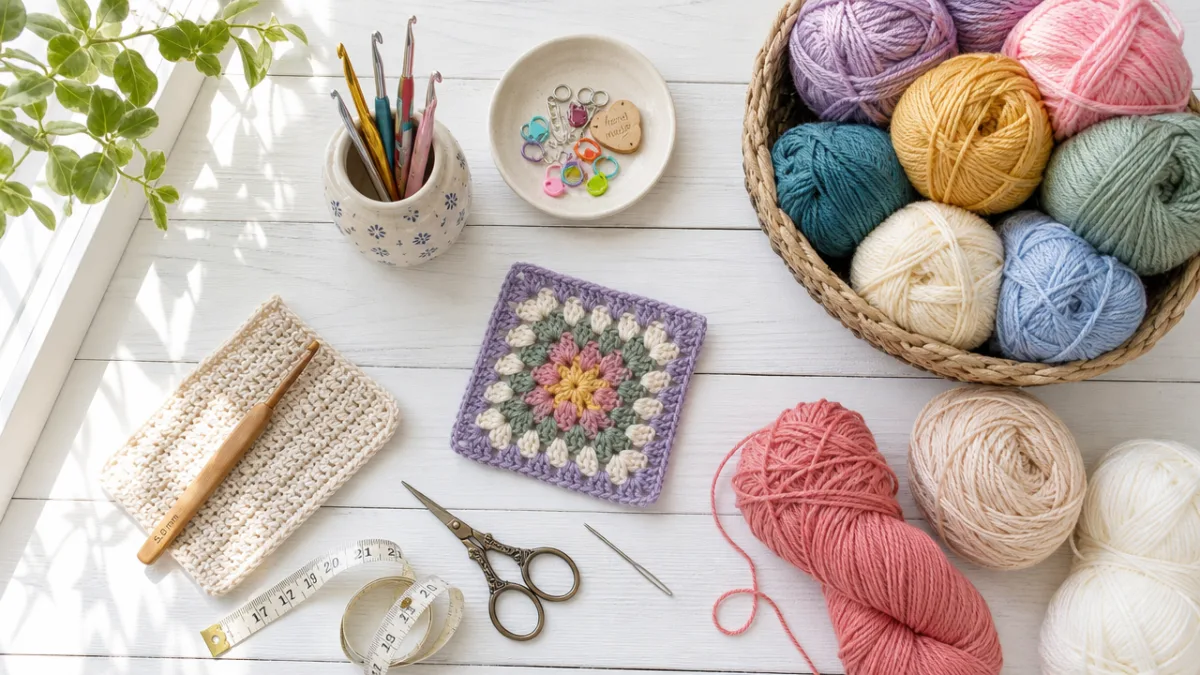
Choosing the right materials is one of the most critical decisions you will make when embarking on a crochet phone case project. The yarn you select will determine not only the aesthetic of the finished case but also how well it protects your phone from everyday bumps and scratches. Cotton yarn is by far the most popular choice for phone cases because it is firm, holds its shape reliably, and comes in an extraordinary range of colors. Mercerized cotton, in particular, has a slight sheen that gives finished projects a polished, professional look that is especially appealing for gifting.
The crochet hook size you use should correspond to the weight of your chosen yarn, but for phone cases specifically, many crafters prefer to go down one hook size from what the yarn label recommends. Using a slightly smaller hook creates a tighter, denser fabric that offers better protection and structure. For standard worsted weight cotton yarn, a size G or H hook (4mm to 5mm) is typically appropriate, but always defer to your gauge swatch rather than relying solely on general recommendations. Your tension as an individual crocheter plays a significant role in the final outcome, and no two crafters crochet in exactly the same way.
Beyond yarn and hooks, a few additional tools will make your phone case project much smoother. You will need a pair of sharp scissors for cutting yarn cleanly, a tapestry needle for weaving in ends securely, stitch markers to keep track of rounds if you are working in the round, and a ruler or measuring tape to check your dimensions as you work. Optional but highly useful additions include a row counter to track your progress, straight pins for blocking if you are using natural fibers, and a small bag or project pouch to keep all your supplies organized and portable so you can crochet on the go.
- Cotton yarn: Firm, colorfast, and available in hundreds of colors; ideal for structure and durability in phone cases.
- Crochet hook: Choose one size smaller than recommended on the yarn label for a denser, more protective fabric.
- Tapestry needle: Essential for weaving in yarn ends neatly so the inside of your case looks as polished as the outside.
- Stitch markers: Invaluable for marking the beginning of rounds and tracking pattern repeats in more complex designs.
- Measuring tape: Use this frequently throughout your project to ensure your case will fit your phone snugly and properly.
- Scissors: A small, sharp pair dedicated to your craft projects ensures clean cuts without fraying the yarn ends.
Step-by-Step Guide to Crocheting Your Phone Case
Before you begin crocheting in earnest, always start by preparing your workspace and reviewing your printable pattern from beginning to end. Reading through the entire pattern before starting might feel unnecessary when you are eager to dive in, but it allows you to spot any unfamiliar stitches or techniques ahead of time, ensuring you can look them up or practice them before they appear in the actual project. Set up your materials within easy reach, print out your pattern and secure it on a clipboard or in a page protector, and take a moment to measure your phone so you have those dimensions fresh in your mind throughout the process.
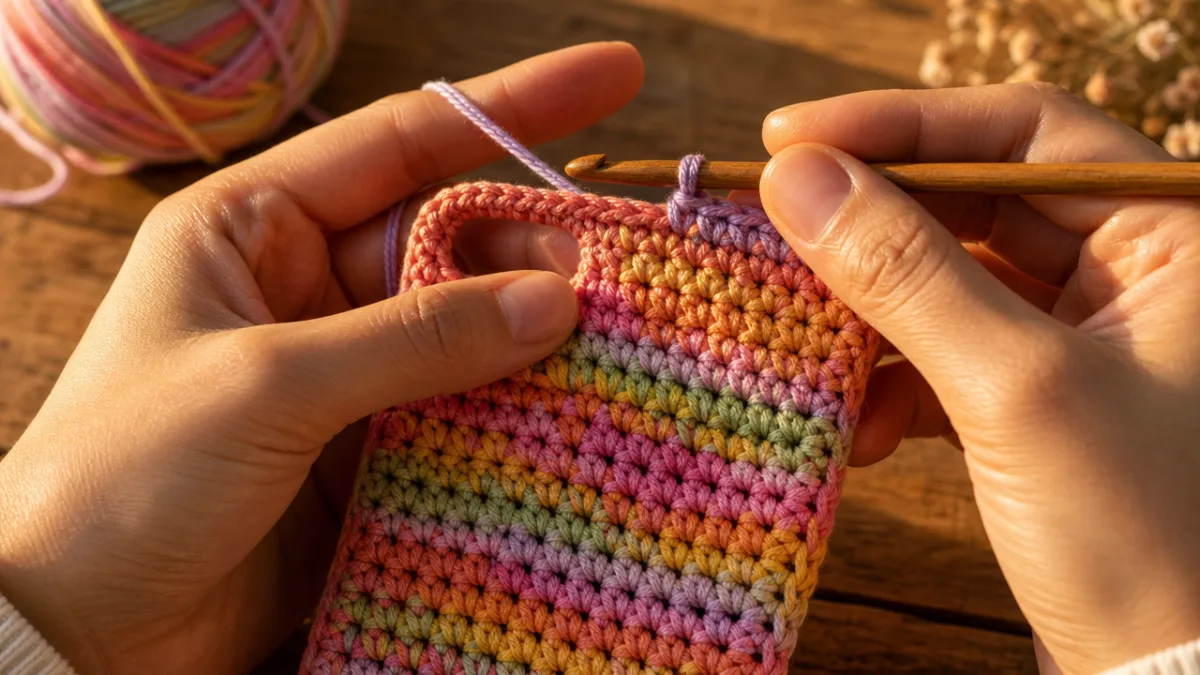
Most crochet phone case patterns begin with a foundation chain that forms the bottom of the case. The length of this chain corresponds to the width of your phone, so it is worth double-checking this measurement before proceeding. From this foundation chain, you will typically work back and forth in rows to build the body of the case, increasing to work around both sides of the foundation to create a seamless rectangular pouch shape. Some patterns alternatively begin with a magic ring or a different foundation method if they are designed to be worked in the round, which produces a slightly different texture and construction method but an equally effective result.
As you work your rows or rounds, periodically pause to slide your phone into the case and check the fit. It is far easier to adjust the length or width of a crochet project while you are still in the middle of it than to realize after binding off that the case is too short or too narrow. Most patterns will tell you to continue working until the case measures a specific length before decreasing or working the top edge, but because yarn brands and individual tension vary, your own measurements take priority over any number of rows specified in the pattern. Trust your gauge, trust your measurements, and trust the process.
Finishing your phone case properly is just as important as the crocheting itself. Once you have reached the desired length, you will typically work a border or finishing row around the top opening to give it a neat, stable edge. This border can be as simple as a single crochet row or as decorative as a shell stitch or picot edging, depending on your aesthetic preferences and the style of your pattern. After completing the border, use your tapestry needle to weave all yarn ends securely through the back of the stitches in multiple directions, which prevents them from working loose with regular use. A gentle blocking with a damp cloth can then help even out stitches and give the finished case a crisp, professional appearance.
Creative Design Ideas and Customization Options
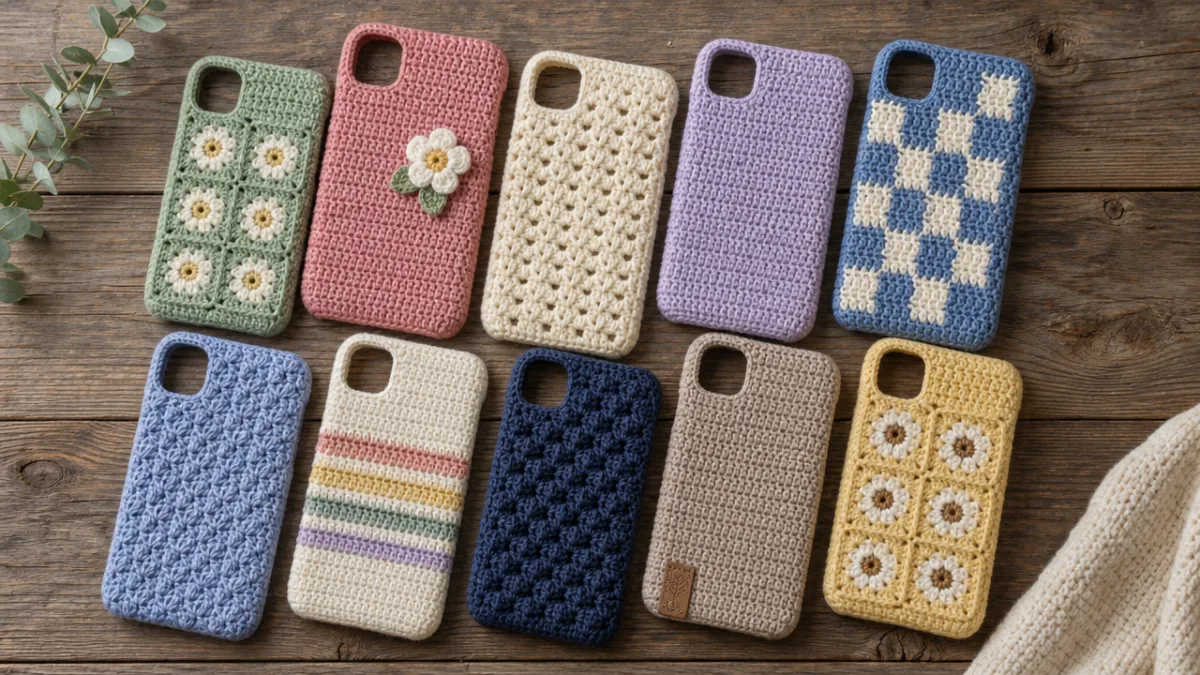
One of the greatest joys of making your own crochet phone case from a printable pattern is the freedom to customize it far beyond what the original designer envisioned. Color is the most immediate and impactful way to personalize any crochet project. Even a simple single-stitch pattern transforms dramatically depending on whether you choose a bold monochrome color, a soft pastel gradient, a striking two-color contrast, or a multicolored self-striping yarn that does much of the design work for you. Before beginning your project, spend some time pulling yarn colors that speak to your personal aesthetic and hold them up against each other in natural light to see how they interact.
Stitch selection opens up even more design possibilities for your phone case. A basic single crochet produces a dense, smooth fabric that is excellent for protection but relatively plain in appearance. Switching to half double crochet adds a bit more texture and height to each row, while double crochet creates a slightly airier, more open fabric that works beautifully when a bit of pattern visibility is desired. For crafters who want something more decorative, stitches like the moss stitch, the waffle stitch, the basket weave stitch, or the bobble stitch each create distinctive surface textures that make even a simple rectangular phone case look like an impressive piece of needlework.
Colorwork techniques such as tapestry crochet or intarsia open the door to creating actual images or geometric patterns on the surface of your phone case. Tapestry crochet involves carrying multiple yarn colors simultaneously and crocheting over the unused colors to create a dense, patterned fabric that is particularly popular for Scandinavian or Aztec-inspired geometric designs. Graph paper or specialized crochet charting software can help you design your own pixel-style motifs, or you can find ready-made charts online specifically designed for use with tapestry crochet phone case patterns. This technique does have a steeper learning curve than basic crochet, but the stunning results are well worth the additional effort and practice.
- Floral appliqués: Crochet small flowers or leaves separately and sew them onto the finished case for a charming dimensional effect.
- Buttons and clasps: Add a functional and decorative button closure at the top opening to keep your phone secure inside the case.
- Fringe or tassels: Attach yarn fringe or knotted tassels along the bottom edge for a boho-chic aesthetic that is hugely popular right now.
- Embroidery details: Use a contrasting thread and tapestry needle to embroider initials, small motifs, or decorative outlines onto the surface.
- Beads or sequins: Thread small beads or sew sequins onto the surface stitches for a glamorous, eye-catching finish perfect for special occasions.
- Wrist strap: Crochet or braid a simple wrist strap and attach it securely to the case so it doubles as a wristlet wallet.
Tips for Sharing and Gifting Your Crochet Phone Cases
Handmade crochet phone cases make exceptionally thoughtful and personal gifts for birthdays, holidays, graduations, or any occasion when you want to give something truly unique. The key to a successful gift phone case is knowing the recipient’s phone model in advance so you can size the case correctly. If you cannot find out discreetly, it is better to make the case slightly larger and include a note explaining that it was made with love and can be gently stretched or slightly blocked to accommodate a specific phone. Most people are deeply touched by the time and care that goes into a handmade gift and will treasure it regardless of minor sizing variations.
Packaging your handmade phone case beautifully elevates the gifting experience considerably. Consider wrapping it in tissue paper in complementary colors, placing it in a small kraft paper box tied with ribbon, or tucking it into a handmade envelope made from decorative paper. Including a small handwritten card that names the stitches used, the yarn brand and color, and any special instructions for care adds a personal and professional touch that transforms a simple handmade item into something that feels genuinely special and considered. If you are selling your phone cases at craft fairs or online, this kind of thoughtful presentation packaging can also significantly increase the perceived value of your work.
If you enjoy sharing your creative work on social media or crafting platforms like Pinterest, Instagram, or Ravelry, photographing your finished crochet phone cases in an appealing way will help your work reach and inspire a wider audience. Natural light is your best friend for craft photography; position your finished case near a window during morning or afternoon hours when the light is soft and directional rather than harsh and overhead. A clean, uncluttered background such as a wooden surface, a marble tile, or a piece of linen fabric lets the texture and color of your crochet work take center stage. Sharing both the finished project and your favorite printable pattern source helps build a generous, supportive community of fellow crafters who will appreciate and reciprocate your openness.
For those who find themselves making multiple phone cases and discovering a passion for the craft, there are wonderful opportunities to turn this hobby into a small creative business. Platforms like Etsy make it straightforward to sell both finished handmade phone cases and your own original printable patterns if you feel ready to design and share your own work. Pricing handmade items fairly requires accounting for the cost of materials, the time invested in making each piece, any platform fees, and packaging costs. Many successful craft sellers also offer custom order options, allowing customers to specify their phone model, preferred colors, and any embellishments they desire, which commands a premium price and creates deeply satisfied customers who return again and again.
Caring for Your Crochet Phone Case
Proper care will extend the life of your crochet phone case significantly and keep it looking fresh and beautiful through regular use. Cotton yarn phone cases are generally quite easy to care for and can typically be hand washed in cool water with a small amount of gentle liquid soap. Gently squeeze the soapy water through the fabric without twisting or wringing, then rinse thoroughly in cool water until no soap remains. Roll the damp case in a clean towel to absorb excess moisture, then reshape it carefully and allow it to air dry flat on a clean surface away from direct heat or sunlight, which can cause colors to fade prematurely over time.
Machine washing crochet items is generally possible for cotton yarn, but it carries more risk than hand washing, particularly for items with embellishments like buttons, beads, or appliqués that could snag or come loose in the machine. If you choose to machine wash, use a delicate or hand wash cycle with cool water and place the phone case inside a mesh laundry bag for added protection. Always check the yarn label for specific washing instructions, as some cotton blends or specialty yarns have unique care requirements that differ from standard cotton. When in doubt, hand washing is always the gentler and safer choice for preserving the integrity of your handcrafted work.
Over time, a well-loved crochet phone case may begin to show signs of wear such as slight pilling, stretched stitches at the opening, or minor staining. Pilling can be carefully removed with a fabric shaver or a fine-toothed comb without damaging the underlying stitches. A stretched opening can often be tightened by working a row of slip stitches or single crochets around the edge with a smaller hook to restore its original shape. Minor stains can usually be spot-treated with a dab of gentle soap and a soft cloth before the stain has time to set. With these simple maintenance strategies, a carefully made crochet phone case can remain a functional and beautiful accessory for many years of daily use.








What do you think?
It is nice to know your opinion. Leave a comment.