










Cute Crochet Tube Top: Your Complete Guide to Making This Summer Staple
The crochet tube top has made one of the most exciting comebacks in modern fashion, blending the timeless charm of handmade craftsmanship with the breezy, carefree energy of contemporary streetwear. Whether you spotted it on a Pinterest board, your favorite influencer, or a boutique rack, this versatile piece has captured hearts across generations of crafters and fashion lovers alike. There is something undeniably satisfying about wearing something you made with your own hands, and a tube top is the perfect canvas for showcasing your crochet skills without overwhelming complexity.
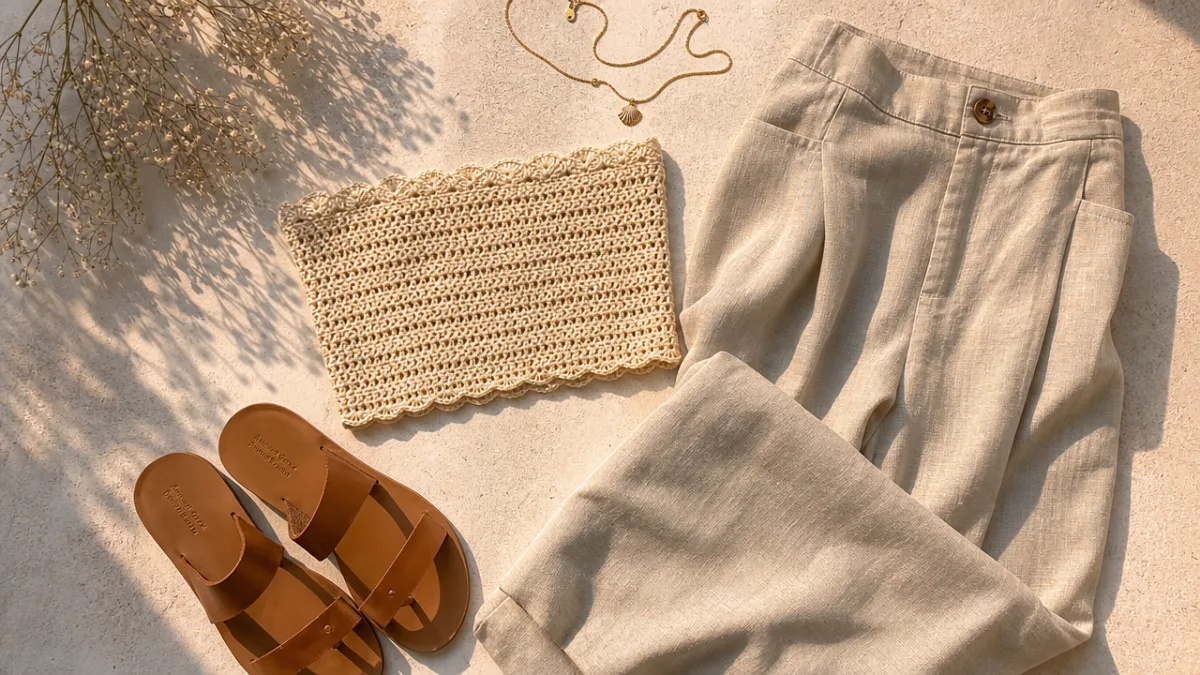
What makes the crochet tube top so irresistible is its adaptability. You can dress it up with high-waisted linen trousers and strappy sandals for a chic brunch look, or layer it over a flowy maxi skirt for a bohemian festival vibe. It works equally well as a beach cover-up, a layering piece over a fitted long-sleeve shirt, or as the statement centerpiece of a warm-weather outfit. The possibilities are genuinely endless, and the more you experiment, the more you discover just how much creative potential is packed into this seemingly simple garment.
Beyond its styling versatility, the crochet tube top also offers something deeply personal. Every stitch carries the touch of the maker, and no two handmade pieces are ever exactly the same. This makes your finished top a true original — something mass production simply cannot replicate. As you work through this guide, you will discover everything you need to know to create your own beautiful crochet tube top, from choosing the right materials to finishing with professional-looking details that elevate the entire piece.
Choosing the Right Yarn and Hook for Your Tube Top
Selecting the right yarn is arguably the most important decision you will make when embarking on a crochet tube top project. Because this garment sits close to the skin and is typically worn in warmer weather, you want a fiber that feels soft, breathes well, and drapes beautifully. Cotton yarn is the overwhelming favorite for this type of project, and for very good reason. It is naturally breathable, holds its shape well after blocking, and comes in a stunning array of colors that photograph wonderfully. Mercerized cotton, in particular, has a subtle sheen that gives finished pieces an elevated, almost luxurious appearance.
Beyond cotton, you might also consider cotton-linen blends, which offer slightly more structure and a beautiful natural texture that adds visual interest even to simple stitches. Bamboo yarn is another excellent option — it is silky soft, eco-friendly, and has a natural drape that works exceptionally well for garments. If you are making a tube top for transitional weather or want something with a little more weight, a lightweight merino blend can work beautifully, though you should be prepared to adjust your tension and gauge accordingly. Always wash a small swatch before committing to ensure the fiber behaves the way you expect after laundering.
Hook size matters just as much as yarn choice. Most lightweight cotton yarns intended for garments work best with a 3.5mm to 5mm hook, but the right size for your project ultimately depends on achieving the correct gauge. A hook that is too small will create a stiff, dense fabric that does not drape well and may feel uncomfortable to wear. A hook that is too large will produce an overly open, looser fabric that stretches out of shape quickly. Always crochet a gauge swatch of at least four inches square, wash and block it, and compare it to the pattern’s specified gauge before casting on your full project. This small extra step saves significant frustration later.
- Cotton yarn: Breathable, durable, easy to wash, and available in hundreds of colors — the gold standard for crochet tops.
- Cotton-linen blend: Adds texture and slight structure, with a beautifully natural, earthy aesthetic.
- Bamboo yarn: Exceptionally soft with a silky drape, and an eco-conscious choice for sustainability-minded crafters.
- Mercerized cotton: Features a subtle sheen that elevates simple stitches and photographs beautifully in natural light.
- Lightweight merino: Best for transitional seasons; provides warmth without bulk and has excellent stitch definition.
Understanding Stitch Patterns and Design Options
One of the most joyful parts of planning a crochet tube top is exploring the universe of stitch patterns available to you. The structure of a tube top — essentially a rectangle or series of panels worked in the round or flat and seamed — means it works with an enormous variety of techniques. For beginners, a simple half-double crochet or single crochet ribbing provides both visual appeal and the stretch needed for a comfortable, flattering fit. Ribbing stitches are especially useful for tube tops because they allow the garment to cling gently without pinching, providing security and shape simultaneously.
More experienced crocheters might gravitate toward lace or mesh-style stitches, which create an airy, intricate look that is absolutely stunning in the warm months. Shell stitches, V-stitches, and fan patterns all produce beautiful textures that add dimension without excessive weight. The classic granny stitch gets an unexpectedly chic update when worked in a solid color with consistent tension across a garment panel. Waistband details, such as a ribbed band worked in a contrasting color or a thicker stitch, can add both structure and a polished finishing touch that makes the top look professionally designed rather than amateur.
Do not overlook the power of colorwork in your tube top design. Even the simplest striped pattern — alternating two colors every few rows — can transform a basic stitch into something visually striking. More advanced crocheters might experiment with tapestry crochet, which allows for intricate pixel-style designs worked directly into the fabric. Floral motifs, geometric patterns, and abstract shapes all translate beautifully using this technique. Whatever design direction you choose, sketch it out or visualize it before you begin. Seeing the whole picture helps you make intentional decisions about placement, proportion, and overall aesthetic from the very first row.
- Half-double crochet ribbing — beginner-friendly, stretchy, and flattering for all body types.
- Shell stitch panels — creates elegant, scalloped texture with a romantic, feminine feel.
- Mesh or lace patterns — light and airy, perfect for beach or resort wear with excellent breathability.
- Granny stitch solid panels — surprisingly modern in a single color with tight, consistent tension.
- Tapestry colorwork — for advanced crafters wanting bold, graphic designs worked directly into the fabric.
- V-stitch rows — creates an open, cascading look that drapes beautifully and works up quickly.

Taking Measurements and Sizing Your Tube Top Correctly
Achieving a great fit begins long before you pick up your hook. Accurate body measurements are absolutely essential when making a fitted garment like a tube top, and taking a few extra minutes to measure carefully will save you the heartbreak of a finished piece that does not sit correctly on your body. You will need three primary measurements: your bust circumference at the fullest point, your underbust circumference where the bottom edge of the top will rest, and the length you want the top to be from underbust to just above or at the bust line. Write these numbers down and keep them handy throughout the project.
Once you have your measurements, factor in ease — the amount of extra space built into the garment beyond your actual body measurements. For a snug, body-hugging tube top, you might want zero to one inch of ease, meaning the finished garment measures the same as or only slightly larger than your body. For a relaxed, casual fit, two to three inches of positive ease gives more breathing room and a less structured silhouette. Keep in mind that crochet fabric, especially in cotton, tends to have some natural stretch, which means working with zero ease is often very comfortable and secure when the stitch pattern itself has inherent elasticity.
If you are following a published pattern, look for one that offers multiple size options and includes a schematic — a simple diagram showing the finished measurements of each size. Compare these finished measurements to your own numbers rather than relying solely on standard size labels like small, medium, or large, which can vary significantly from designer to designer. If your measurements fall between sizes, go up a size and plan to adjust the length as needed. Length is almost always easier to modify than circumference, making it the most forgiving dimension to customize when you are tailoring a pattern to fit your unique body.
Step-by-Step Construction: Building Your Tube Top from Start to Finish
Most crochet tube tops follow one of two basic construction methods: working in the round to create a seamless tube, or working flat in one or two panels that are then seamed together at the sides. Working in the round is elegant and produces a clean, professional result with no visible seams, but it does require comfort with maintaining gauge consistently without the visual breaks that row-by-row flat work provides. Flat construction is more beginner-friendly and allows you to lay your work flat to check gauge and stitch count at every stage, making it easier to identify and correct mistakes early.
Begin your tube top by establishing your foundation. If working in the round, start with a foundation chain equal to your bust circumference measurement divided by your gauge, join into a ring carefully to avoid twisting, and work upward from the bottom edge. Many designers recommend starting with a ribbed band of ten to twenty rows worked in a tighter stitch, then switching to the main body stitch pattern. This ribbed base creates natural tension that keeps the top from sliding down during wear, which is the most common frustration with tube-style garments. A proper foundational band makes all the difference in real-world wearability.
As you work the body of the top, check your stitch count regularly at the end of each row or round and compare your work-in-progress dimensions to your target measurements. Crochet fabric can bias or distort if tension is inconsistent, so catching issues early is much easier than trying to fix them at the end. Continue working in your chosen stitch pattern until the piece reaches your desired length, then finish the top edge with a clean, structured border. Options include a simple slip-stitch edge, a single crochet border, a picot trim for a delicate decorative touch, or a second ribbed band that mirrors the bottom for a polished, symmetrical look.
- Foundation ribbed band keeps the top secure and prevents sliding during wear.
- Regular stitch count checks prevent gauge drift and ensure consistent sizing throughout.
- Top-edge finishing options include slip stitch, single crochet border, picot trim, or a mirrored rib band.
- Weave in all yarn ends securely using a tapestry needle for a professional interior finish.
- Block the finished piece to open up the stitch pattern and help the garment hold its shape after laundering.

Blocking, Finishing, and Caring for Your Crochet Tube Top
Blocking is the transformative final step that separates a polished, professional-looking handmade garment from one that looks visibly homemade in the less flattering sense. When you block your finished tube top, you are essentially relaxing the fibers, opening up the stitch pattern, and gently encouraging the piece into its true final dimensions. For cotton and plant-based fibers, wet blocking is the most effective method. Submerge your finished top in cool water, allow it to soak for fifteen to twenty minutes, then gently press — do not wring — the excess water out with a clean towel before laying it flat on a foam blocking mat.
Once your top is laid flat on the blocking mat, use rustproof T-pins to ease the piece gently into your target measurements, pinning along the edges at regular intervals. Pay particular attention to the top and bottom edges, which can curl or roll if not blocked out carefully. If you have incorporated lace or open mesh stitches, blocking will be especially dramatic and rewarding — those airy patterns bloom beautifully when the fibers are relaxed and stretched slightly, revealing the full elegance of the design. Allow the piece to dry completely before removing the pins, which may take anywhere from several hours to a full day depending on humidity and yarn fiber content.
Proper care extends the life of your handmade tube top significantly. Most cotton crochet garments can be machine washed on a gentle cycle in cool water with a mild detergent, but hand washing is always the safest option for preserving the integrity of the fibers and maintaining the shape you worked so hard to achieve. Always lay the top flat to dry rather than hanging it, as the weight of wet cotton can stretch the fabric vertically in ways that distort the silhouette. Store your tube tops folded rather than on hangers for the same reason. Treated with this level of care, a well-made cotton crochet tube top can remain a beloved wardrobe piece for many seasons to come.
Styling Your Handmade Crochet Tube Top: Outfit Ideas and Inspiration
The beauty of a handmade crochet tube top is that it carries an inherent sense of personality and intention that purchased garments rarely achieve. Styling it thoughtfully amplifies that quality and allows you to express your personal aesthetic with genuine authenticity. For a summery, relaxed look, pair your tube top with high-waisted wide-leg linen trousers in a complementary or contrasting neutral. Add minimalist sandals, a woven tote bag, and simple gold jewelry for a cohesive, effortlessly chic ensemble that works equally well for a farmers market morning or a casual lunch with friends.
Festival and beach styling offer even more creative freedom. Layer your crochet tube top over a simple bikini or bralette for a beach-ready look that provides just enough coverage to feel polished while still embracing the warm-weather mood. A flowing maxi skirt in a solid color that picks up a thread from your crochet color palette creates a bohemian, romantic look that photographs beautifully in natural light. Vintage-inspired denim cutoff shorts and chunky platform sandals give the tube top a more playful, retro energy that nods to the 1970s origins of both the garment style and the craft itself.
Do not underestimate the power of layering your tube top into colder-weather outfits. Worn over a fitted white long-sleeve shirt or a thin turtleneck, a crochet tube top instantly transforms from a summer piece into a transitional layering element that works well into autumn. The texture and pattern of the crochet become a focal point against the clean simplicity of the underlayer, creating visual interest without relying on accessories. This kind of thoughtful layering also extends the wearable season of your handmade piece dramatically, giving you more opportunities to enjoy and show off the work you put into creating it with your own hands.
- Casual daytime look: pair with high-waisted wide-leg linen trousers, minimalist sandals, and a woven tote.
- Beach or festival outfit: layer over a bikini or bralette with a flowing maxi skirt and strappy wedges.
- Bohemian chic: combine with denim cutoffs, platform sandals, and layered gold jewelry for a retro vibe.
- Transitional layering: wear over a fitted turtleneck or long-sleeve shirt with straight-leg jeans for autumn style.
- Elevated evening look: pair with a tailored blazer, wide-leg trousers, and heeled mules for a fashion-forward ensemble.
Troubleshooting Common Problems and Tips for Success
Even experienced crocheters encounter challenges when working on garments, and the tube top is no exception. One of the most common issues is gauge inconsistency, which causes the finished piece to be significantly larger or smaller than intended. If you notice your swatch measured correctly but your finished garment is off, consider whether your tension changes when working larger pieces or when you switch from working flat to working in the round. Many crafters naturally crochet with different tension in different contexts, and simply adjusting your hook size up or down by half a millimeter for one method versus the other can solve this issue completely.
Rolling edges are another frequent frustration, particularly at the top and bottom borders of a tube top. If your edge keeps rolling inward, try working the border stitches at a slightly tighter tension, or add an additional row of reverse single crochet — also known as crab stitch — which has a natural tendency to lie flat and creates a beautifully defined, professional-looking edge at the same time. Alternatively, if you blocked the piece thoroughly and the rolling persists during wear, consider sewing a thin piece of swimwear elastic around the interior of the top edge. This practical addition is invisible from the outside and dramatically improves the wearability of the finished garment.
If the top stretches out of shape after wearing or washing, the issue is most often with fiber choice or hook size rather than the stitch pattern itself. Pure cotton without any elastane content has relatively limited recovery after stretching, which is why the tight foundational ribbing at the base is so important — it provides the structural elasticity the fiber itself lacks. For future projects, consider using a yarn with a small percentage of elastane or nylon blended in, which significantly improves stretch recovery in finished garments. Additionally, always check the care instructions on your yarn label, as washing at too high a temperature is a very common cause of unexpected distortion in cotton crochet pieces.
Finally, remember that every mistake you encounter is also a learning opportunity. The crochet community is one of the most generous and supportive crafting communities in the world, with thousands of free tutorials, pattern support forums, and video walkthroughs available online for virtually every technique and troubleshooting scenario imaginable. Do not be afraid to rip back — or “frog” — your work when something is not right. Experienced crocheters frog constantly and without shame, because they understand that the goal is a finished piece you genuinely love, and the time spent reworking a section is always worth it in the end. Your handmade crochet tube top deserves nothing less than your very best effort and care.








What do you think?
It is nice to know your opinion. Leave a comment.