










The Complete Guide to Candles: History, Types, Uses, and Everything You Need to Know
A Brief History of Candles
Candles have illuminated human civilization for thousands of years, serving as one of the oldest and most enduring sources of artificial light. Archaeological evidence suggests that the earliest candles were developed by ancient Egyptians around 3,000 BCE, who created rudimentary torches by soaking the pithy core of reeds in melted animal fat. These primitive light sources, while far from the elegant candles we know today, provided essential illumination for domestic life, religious ceremonies, and nocturnal activities in a world without electricity.
The Romans are credited with developing the wick-based candle more closely resembling modern versions, typically fashioning them from tallow — rendered animal fat derived from cattle or sheep. These candles played an important role not only in lighting homes and public spaces but also in Roman religious rituals and timekeeping. In fact, candle clocks were used throughout many ancient cultures, including China and Japan, where marked candles measured the passage of hours with remarkable consistency.
The Middle Ages brought significant advances in candle-making across Europe. Beeswax candles became highly prized for their clean burn, pleasant honey-like fragrance, and the prestigious social status they conveyed. However, beeswax was prohibitively expensive for common people, so most households relied on cheaper tallow candles despite their smoky, unpleasant odor. The candle-making trade grew so important during this era that it gave rise to a dedicated guild of craftsmen known as chandlers, whose expertise shaped the development of the craft for centuries to come.
The 18th and 19th centuries ushered in a revolution in candle production. Spermaceti, a waxy substance derived from the sperm whale, produced superior candles that burned brighter and cleaner than tallow. Then came the game-changing discovery of paraffin wax in the 1850s, a byproduct of petroleum refining that was inexpensive, odorless, and easy to work with at scale. Combined with the invention of the braided cotton wick, paraffin wax transformed candle-making into an industrial enterprise and made quality candles accessible to households everywhere.
Understanding Candle Wax: Types and Characteristics
Paraffin wax remains the most widely used candle-making material in the world today, prized for its affordability, versatility, and ability to hold both fragrance and color exceptionally well. Derived from petroleum, paraffin wax is available in a wide range of melting points, making it suitable for everything from container candles to pillar candles and votives. While some consumers have raised concerns about its petroleum origins and the emission of small amounts of soot when burned, high-quality refined paraffin used correctly produces a clean, consistent burn that satisfies millions of candle lovers worldwide.
Soy wax has emerged as a popular natural alternative to paraffin, particularly among environmentally conscious consumers and artisan candle makers. Made from hydrogenated soybean oil, soy wax is renewable, biodegradable, and typically produces less soot than paraffin. Soy candles tend to burn more slowly and at a lower temperature, which can extend the life of the candle significantly. They also have a softer texture and a naturally creamy appearance that many people find visually appealing, making them a staple in the handmade candle market.
Beeswax is perhaps the most ancient and revered of all candle waxes, still celebrated today for its natural origin and exceptional performance. Pure beeswax candles emit a warm, golden light and produce negative ions when burned, which some proponents suggest may help purify the air by neutralizing pollutants and allergens. Beeswax has a naturally sweet, honey-like scent that many find deeply comforting, and it burns remarkably cleanly with minimal dripping or smoking. Its higher cost compared to other waxes reflects both its labor-intensive harvesting process and its premium quality.
Coconut wax and blended waxes represent newer innovations in the candle-making world. Coconut wax, derived from cold-pressed coconut oil, offers excellent scent throw and a luxuriously smooth finish, making it increasingly popular in high-end candle brands. Many candle makers also work with proprietary wax blends that combine the best properties of multiple waxes — for example, a soy-paraffin blend might offer the clean burn of soy with the superior fragrance retention of paraffin. Understanding the differences between these materials helps consumers make informed choices that align with their values and preferences.

The Art of Fragrance: Scented Candles and Aromatherapy
Scented candles have become one of the most popular categories in the home fragrance market, with consumers around the world using them to transform the atmosphere of their living spaces. The science behind a well-scented candle involves more than simply adding fragrance oil to wax — achieving an optimal scent throw, which refers to how effectively a candle releases its fragrance into the surrounding air, requires careful consideration of fragrance load, wax type, wick size, and container dimensions. A poorly balanced candle may smell wonderful in the jar but deliver little fragrance when lit, while an over-fragranced candle can produce unpleasant or even overpowering results.
Fragrance oils used in candle-making fall into two broad categories: synthetic fragrance oils and essential oils. Synthetic fragrance oils are lab-created compounds that can replicate virtually any scent imaginable, from fresh-baked cookies and ocean breezes to exotic florals and complex woody accords. They tend to perform well in candles and are more stable at high temperatures than many essential oils. Essential oils, derived directly from plants through distillation or cold pressing, appeal to consumers seeking a more natural product, though they can be more challenging to work with and some may not provide as strong a scent throw in finished candles.
Aromatherapy candles occupy a special niche within the scented candle category, leveraging the therapeutic properties of essential oils to promote physical and emotional wellbeing. Lavender candles are widely used to encourage relaxation and improve sleep quality, while eucalyptus and peppermint scents are favored for their invigorating, clarifying effects on the mind. Citrus-based candles featuring notes of lemon, orange, or grapefruit are celebrated for their mood-lifting qualities and ability to energize a space. Whether or not one subscribes fully to the clinical claims of aromatherapy, there is no denying that scent has a powerful effect on mood and atmosphere.
Popular candle fragrance families and their associated moods and benefits include a wide spectrum of olfactory experiences. Floral scents such as rose, jasmine, and ylang-ylang tend to evoke romance, femininity, and emotional warmth. Woody and earthy notes like sandalwood, cedarwood, and vetiver create feelings of groundedness and calm sophistication. Spicy fragrances featuring cinnamon, clove, and black pepper add energy and warmth, making them particularly popular during the autumn and winter months. Fresh and aquatic scents bring a sense of cleanliness and openness to a space, ideal for bathrooms, kitchens, and airy living rooms.
Candle Types and Their Many Uses
Container candles are by far the most common type found in homes today, poured directly into heat-resistant vessels such as glass jars, ceramic pots, tins, or concrete containers. The container serves the dual purpose of housing the wax and acting as a decorative element in its own right. Container candles are relatively straightforward to make, which has contributed to the explosive growth of the artisan candle market, and they are generally safer than freestanding candles since the vessel contains the melted wax pool during burning. Their enormous variety in shape, size, and style makes them a versatile choice for practically any interior aesthetic.
Pillar candles are freestanding candles molded into cylindrical, square, or other geometric shapes that do not require a separate container to hold their form. They are typically made from harder wax with a higher melting point to ensure structural integrity during burning. Pillar candles have a timeless, classic appearance and are frequently used in decorative arrangements, on mantelpieces, and as centerpieces for dining tables and special events. When burning a pillar candle, it is important to allow the top layer to melt fully to the edges to prevent tunneling — a phenomenon where the flame burns straight down the center, leaving thick walls of unmelted wax on the sides.
Taper candles are slender, elongated candles designed to be held in candlestick holders or candelabras, and they carry some of the richest historical and symbolic associations of any candle type. Used for centuries in religious services, formal dining, and ceremonial occasions, tapers lend an undeniably elegant and refined quality to any setting. They are available in an extraordinary range of heights, diameters, and colors, from classic ivory dinner tapers to dramatically twisted artisan varieties in deep jewel tones. Taper candles require attentive burning to manage dripping and should always be used with appropriate holders that catch falling wax.
Beyond these primary categories, several other candle types serve specific purposes and have devoted followings among candle enthusiasts. Votive candles are small, squat candles typically burned inside snug glass holders, and they are widely used in religious contexts as well as decorative applications. Tea light candles, housed in small metal or plastic cups, are among the most versatile and affordable candle options available, commonly used in warmers, lanterns, and floating centerpieces. Specialty candles such as birthday candles, floating candles, and novelty candles shaped like animals, fruits, or geometric forms demonstrate the almost limitless creative possibilities within the world of candle-making.
Candle Safety: Best Practices for a Safe and Enjoyable Experience
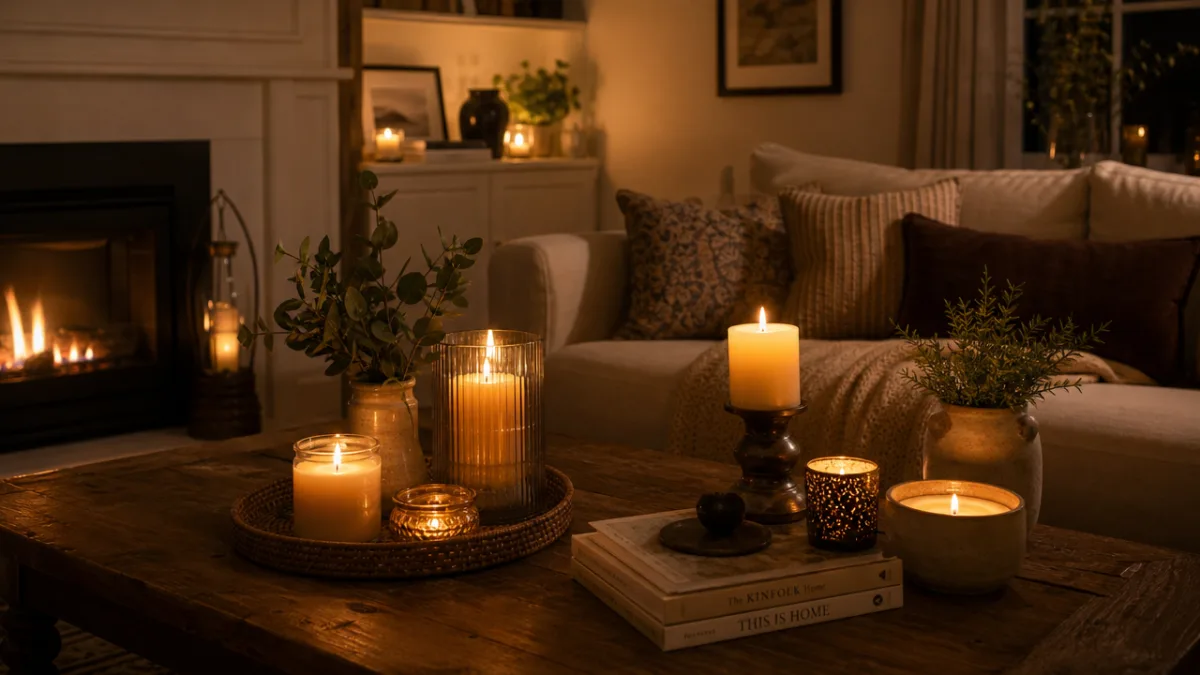
Candle safety is a topic that deserves serious attention, as candles remain one of the leading causes of residential fires in many countries. According to fire safety organizations, the majority of candle-related fires are preventable and result from careless practices such as leaving candles unattended, burning them too close to flammable materials, or allowing them to burn down completely. Developing good candle habits is not only essential for protecting your home and family but also ensures a better, longer-lasting candle experience overall. A few straightforward precautions can dramatically reduce the risk associated with candle use.
Proper wick maintenance is one of the most important and frequently overlooked aspects of safe candle burning. Wicks should be trimmed to approximately one quarter of an inch before each lighting to prevent the flame from burning too large, which can cause excessive heat, soot, and potential hazards. A properly trimmed wick produces a steady, controlled flame with minimal flickering or smoking. Many dedicated candle enthusiasts invest in purpose-made wick trimmers, which allow for a clean, precise cut without disturbing the wax surface and help maintain the aesthetic quality of the candle over time.
The placement of candles within the home requires thoughtful consideration of the immediate environment. Candles should always be set on stable, heat-resistant surfaces well away from drafts, air vents, and ceiling fans, which can cause uneven burning and increase fire risk by blowing flame toward nearby objects. They should be kept at a safe distance from curtains, books, paper, and other flammable materials. Never place candles within reach of children or pets, and always keep them out of high-traffic areas where they might be knocked over accidentally. A dedicated candle tray or holder can help create a defined, safe zone for candle display.
Here is a concise summary of essential candle safety guidelines every candle user should follow:
- Never leave a burning candle unattended, even for short periods of time.
- Keep burning candles at least three inches apart from one another to prevent them from melting each other or creating a combined heat hazard.
- Always burn candles in well-ventilated rooms to minimize soot accumulation and ensure adequate air circulation.
- Extinguish candles before leaving a room or going to sleep, using a snuffer rather than blowing them out to prevent hot wax from spattering.
- Discontinue use of a container candle when approximately half an inch of wax remains to prevent the container from overheating.
- Never use water to extinguish a candle, as this can cause wax to splatter and potentially crack glass containers.
Making Your Own Candles: A Beginner’s Guide to Candle Crafting
Candle-making has experienced a remarkable resurgence in popularity as a creative hobby and small business venture, offering an accessible entry point into artisan crafts with relatively modest startup costs. The basic process of making a container candle involves melting wax, adding fragrance and colorants, securing a wick inside the chosen vessel, and pouring the scented wax to set. While this sounds straightforward, achieving consistently beautiful, well-performing candles requires practice, patience, and a willingness to learn from inevitable early mistakes. Many beginners are surprised to discover just how much science underlies the seemingly simple act of candle-making.
The essential equipment and supplies needed to begin making candles at home form a manageable starter kit that can be assembled without significant expense. A double boiler or dedicated candle-making pitcher is needed to melt wax safely and evenly without risk of scorching. A reliable thermometer is essential for monitoring wax temperature, as adding fragrance at the wrong temperature can affect scent throw and the final appearance of the candle. Pre-tabbed wicks appropriate for the chosen wax type and container size, a heat gun or hair dryer for smoothing the surface, and basic safety equipment such as heat-resistant gloves round out the foundational toolkit.
Color and fragrance selection are among the most enjoyable and creative aspects of candle-making, allowing makers to develop signature products that reflect their personal aesthetic and olfactory sensibilities. Candle dyes are available in liquid, chip, and block forms, each with slightly different handling characteristics and color intensity. Experimenting with fragrance combinations — layering top notes, heart notes, and base notes much like a perfumer — can produce wonderfully complex, original scents that set a handmade candle apart from mass-produced alternatives. Keeping detailed records of each batch, including wax weight, fragrance percentage, wick size, and pour temperature, is invaluable for replicating successful results.
For those interested in taking their candle-making hobby to a professional level, understanding the business side of the craft is just as important as mastering the technical skills. The handmade candle market is competitive but vibrant, with strong consumer demand for artisan, locally made, and small-batch products. Building a recognizable brand identity through cohesive packaging, a distinctive scent palette, and a compelling brand story can make a significant difference in standing out within a crowded marketplace. Platforms such as Etsy, farmers markets, and local boutiques offer excellent starting points for testing products and building a loyal customer base before expanding to a dedicated e-commerce presence.

Candles in Culture, Ritual, and Celebration
Across virtually every human culture and throughout recorded history, candles have served as powerful symbols carrying deep spiritual, ceremonial, and emotional significance. The act of lighting a candle has long been associated with bringing light into darkness — both literally and metaphorically — and this fundamental symbolism resonates across an extraordinary diversity of religious and cultural traditions. In Christianity, candles feature prominently in worship services, from the advent wreath that marks the weeks leading to Christmas to the votive candles lit in memory of the deceased. Jewish tradition incorporates candles into the weekly Shabbat ceremony and the eight-night festival of Hanukkah, where the lighting of the menorah is a central act of religious observance.
Eastern religious and spiritual traditions likewise assign great importance to candle and flame symbolism. In Buddhism, candles represent the light of wisdom cutting through the darkness of ignorance, and they are commonly offered at temples and shrines as acts of devotion and intention-setting. Hindu rituals feature oil lamps and candles extensively in pujas, or prayer ceremonies, where the flame is considered a manifestation of divine presence. Many indigenous and shamanic traditions across Asia, Africa, and the Americas incorporate fire and candlelight into healing ceremonies, rites of passage, and communication with ancestors.
In secular culture, candles have retained their powerful associative meaning even as their practical necessity for lighting has long since passed. Birthday candles on a cake represent perhaps the most universally shared candle ritual in the modern world — the act of making a wish and blowing them out is observed in virtually every corner of the globe. Candlelit dinners are synonymous with romance and intimacy, their warm, flattering light creating an atmosphere of closeness and elegance that no electric lamp can quite replicate. Candlelight vigils bring communities together in shared moments of grief, remembrance, and solidarity, demonstrating how the simple act of holding a flame remains one of humanity’s most moving collective gestures.
The modern wellness movement has further elevated the cultural status of candles as tools for intentional living and self-care. The ritual of lighting a candle before meditation, journaling, or a relaxing bath has become a widely embraced practice for signaling a transition from the busy, distracted pace of daily life to a more mindful, present state of being. Many people curate collections of candles as thoughtfully as they curate their book collections, selecting scents and aesthetics that reflect their values, aspirations, and sense of home. In this way, the humble candle continues to evolve and adapt, finding new relevance in each generation while remaining connected to its ancient roots as a source of warmth, light, and human meaning.








What do you think?
It is nice to know your opinion. Leave a comment.