










The Complete Guide to Crochet Sweaters: From Beginner to Cozy Masterpiece
A Brief History of Crochet Sweaters
Crochet has been around for centuries, but the sweater as we know it really hit its stride in the 19th and early 20th centuries. It started with fishing communities along the coasts of Ireland and France, where crochet was used to make thick, tough garments that could actually hold up in rough maritime weather. Patterns were passed down through families — sometimes with their own unique variations that acted almost like a signature or family crest. Over time, what began as purely practical workwear gradually became something more: a craft that balanced utility with genuine artistry.
By the mid-20th century, crochet sweaters had found a much broader audience. The 1960s and 70s were especially wild for the craft — there was this explosion of interest in handmade, bohemian clothing, and crochet was right at the center of it. Makers started playing with bold colors, geometric shapes, and free-form techniques that threw traditional patterns out the window. Needlework magazines were everywhere, and patterns for crocheted pullovers, cardigans, and vests became a staple in households across the country. The crochet sweater had officially graduated from practical garment to fashion statement.
Right now, crochet sweaters are having a serious moment. Social media — Pinterest, Instagram, you name it — has sparked a whole new generation of makers who have fallen in love with creating wearable art from scratch. Modern patterns run the full gamut, from delicate, lacy pieces worked in superfine merino to chunky, oversized sweaters that feel like wrapping yourself in a blanket. Whether you’re drawn to crochet for the meditative rhythm of it, the sustainability angle, or simply the thrill of wearing something you made yourself, the crochet sweater is one of the most rewarding things you can pick up a hook and make.
Choosing the Right Yarn for Your Crochet Sweater
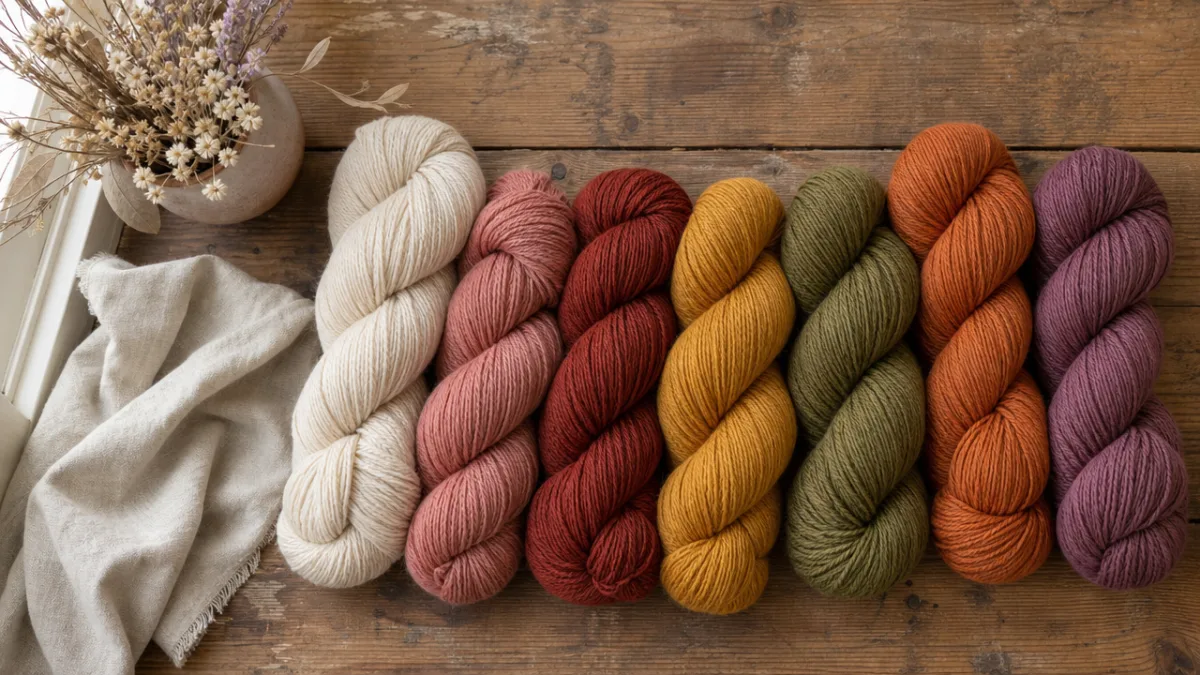
Choosing your yarn is honestly the most important decision you’ll make before casting on a crochet sweater. It affects everything — how the finished piece looks, how it drapes, how warm it is, whether it holds its shape after a few wears, and whether you actually want it touching your skin. With so many options out there, it can feel a little overwhelming at first, but breaking it down by fiber type, weight, and texture makes it a lot more manageable.
Natural fibers are usually the go-to recommendation for sweaters, and for good reason. Merino wool is a perennial favorite — it’s incredibly soft, has great elasticity, and regulates temperature beautifully, so you can wear it on a cool autumn day without that itchy, scratchy feeling you get from coarser wools. Alpaca is another gorgeous option that produces lightweight, supremely soft sweaters with a lovely halo. If you prefer plant-based materials or live somewhere warm, cotton and linen are both excellent choices that breathe well and have a crisp, clean drape. Bamboo yarn is also worth a look — it has a silky sheen that’s been growing in popularity for a reason.
Yarn weight has a huge impact on how your sweater turns out. Fingering or sport weight gives you fine detail and delicate stitch definition, which is lovely for lightweight layering pieces or lacy designs. Worsted weight is probably the sweet spot for most sweater projects — it works up at a satisfying pace and produces fabric that’s substantial without feeling like a lead blanket. Bulky and super bulky yarns are ideal if you want to finish quickly or you’re chasing that cozy, oversized look that’s been everywhere lately. Whichever weight you go with, please swatch first — your future self will thank you.
- Merino Wool: Soft, elastic, temperature-regulating, and widely available in a vast spectrum of colors. Ideal for all-season sweaters.
- Alpaca: Incredibly lightweight with a luxurious halo; perfect for sophisticated, drapey designs with a high-end feel.
- Cotton: Breathable and crisp, best suited to spring and summer sweaters or warmer climates where wool would feel too heavy.
- Acrylic Blends: Budget-friendly, machine washable, and available in virtually every color imaginable; great for beginners who want low-maintenance care.
- Bamboo: Silky, eco-friendly, and beautifully fluid; works wonderfully in openwork or lace-weight sweater patterns.
Essential Stitches and Techniques for Sweater Construction
Before you dive into a full sweater pattern, it’s really worth spending some time getting comfortable with the core stitches and construction techniques that show up again and again in crochet sweater designs. Crochet builds fabric one loop at a time with a single hook, which gives it a different structure and personality than knitting. When you understand how different stitches behave — their height, their density, how they drape — you become a much more confident maker who can troubleshoot on the fly and even tweak a pattern to better suit your preferences.
Single crochet is the most basic stitch, and it creates a tight, dense fabric that works really well for structured, form-fitting garments. Half double crochet lands somewhere between single and double in height and produces a slightly more flexible fabric with a subtle horizontal ridge that a lot of crafters really love in sweater construction. Double crochet is taller and more open, drapes beautifully, and works up faster — which is exactly why it shows up in so many sweater patterns. Extended and elongated versions of these basics push the drape and openwork possibilities even further, and can turn a simple garment into something genuinely ethereal.
Construction method matters just as much as stitch choice when it comes to how the making process feels and how the finished sweater fits. Top-down raglan construction is a fan favorite because you can actually try the sweater on as you go and adjust the fit before you’ve sunk too many hours into it. Seamless in-the-round construction means no seaming at the end, which a lot of crocheters are very happy about. And then there’s granny square construction, where you join individual motifs to form the body and sleeves — the result has this wonderful, patchwork quality that’s just as enjoyable to make as it is to wear.
- Master the magic ring and foundation chain as your starting point for any sweater component.
- Practice working in the round to achieve seamless yokes and sleeves without needing to sew them together.
- Learn to increase and decrease smoothly to shape armholes, necklines, and waist shaping.
- Understand how to read a crochet pattern chart as well as written instructions for maximum flexibility.
- Practice weaving in ends securely so that your finished sweater maintains its integrity through wear and washing.
Popular Crochet Sweater Styles and Silhouettes
One of the best things about making crochet sweaters is how much variety there is to choose from. Classic and timeless, or fresh and fashion-forward — whatever your aesthetic, there’s a pattern out there with your name on it. Getting familiar with the main silhouettes and what makes each one tick will help you pick projects that actually match your style and your current skill level.
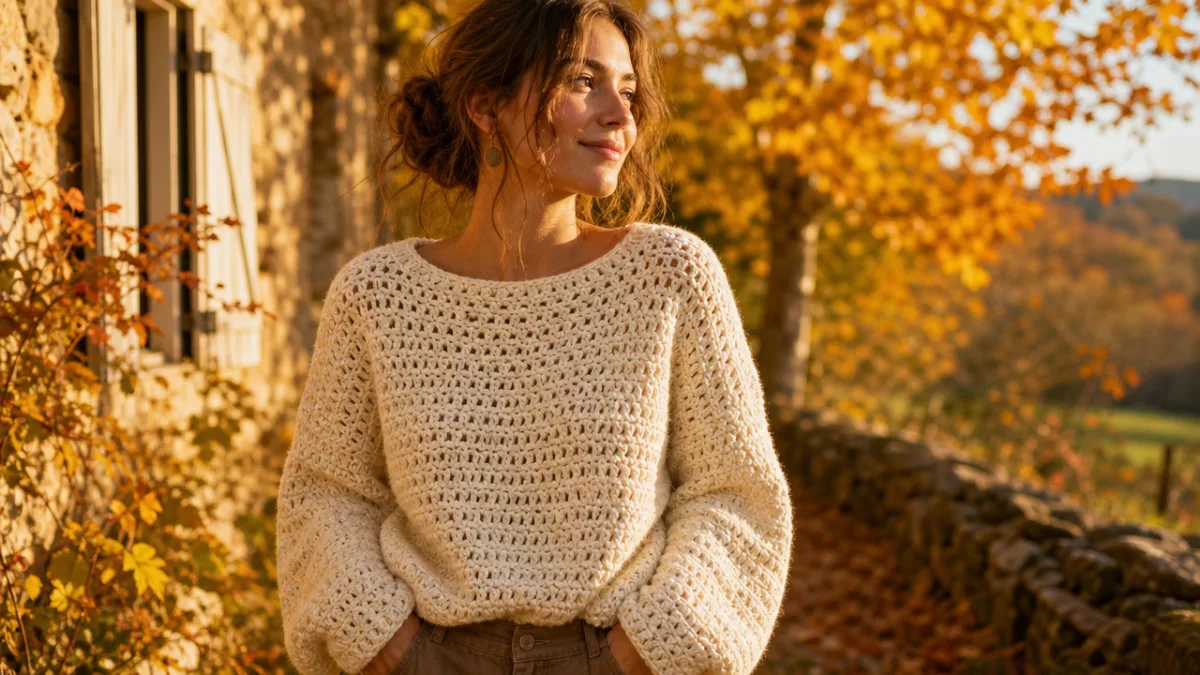
The oversized, boxy sweater has been having a major moment in fashion, and it translates incredibly well into crochet. These relaxed shapes are wonderfully forgiving when it comes to fit, which makes them a fantastic starting point for beginners who aren’t yet confident with precise shaping. Work one up in a chunky yarn with something simple like half double crochet or moss stitch, and you can genuinely finish it in a weekend — then pair it with high-waisted jeans or a flowy midi skirt and look completely effortless. The main thing to watch is picking a yarn with enough structure to hold its shape at the shoulders without drooping.
On the flip side, fitted and cropped crochet sweaters have a more polished, fashion-forward look that does ask a bit more of you in terms of gauge accuracy and shaping. These styles often work in waist darts or tapered side seams to follow the body’s natural curves. Cropped lengths — hitting at or just above the natural waist — have been especially popular lately and look really intentional paired with high-waisted bottoms. Lace-weight or fingering-weight yarns in soft, stretchy fibers like merino or nylon blends tend to be the sweet spot for these more tailored designs.
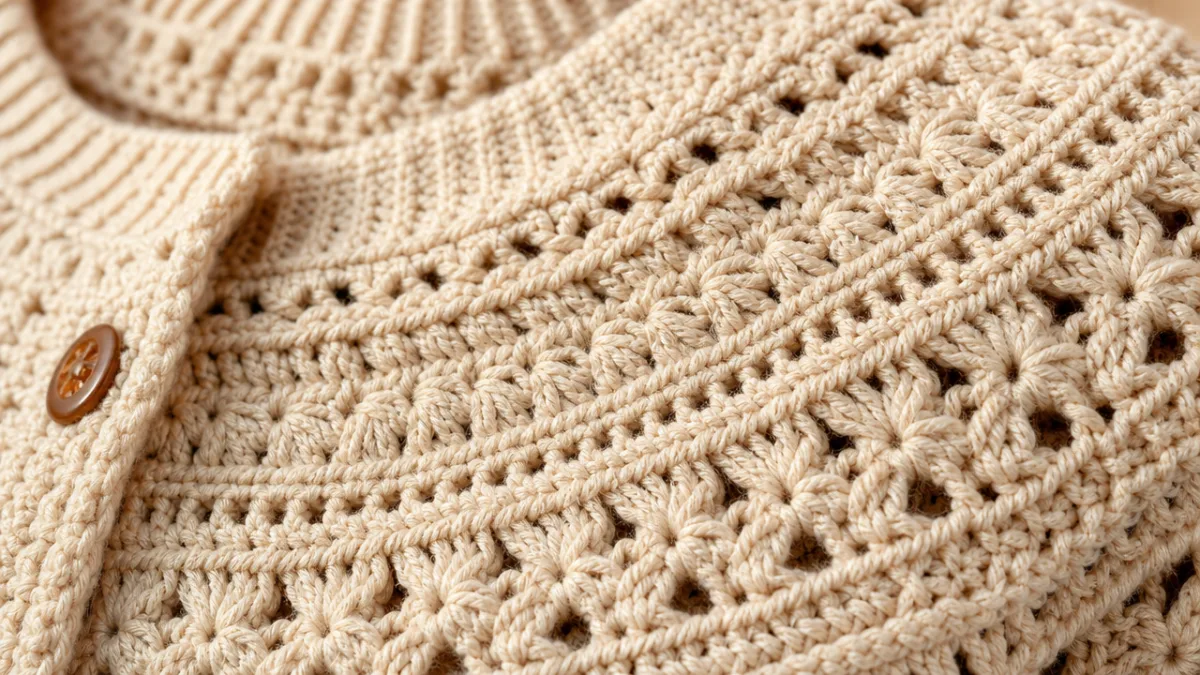
The crochet cardigan really deserves its own moment in the spotlight — it’s one of the most versatile and wearable things you can make. Because it opens at the front, it layers beautifully over other clothes and is easy to throw on and off throughout the day. You can go long and dramatic with a hip- or knee-length design, or keep it short and cropped for something more modern. Classic button-band cardigans have that timeless, preppy appeal that never really goes out of style, while open-front designs with a waterfall drape feel looser and more bohemian. And pockets — adding pockets is a modification so many crafters make, and honestly, it just makes sense.
Reading and Following Crochet Sweater Patterns
For a lot of beginners, the scariest part of tackling a crochet sweater isn’t the stitches — it’s the pattern. Sweater patterns are genuinely more complex than what you’d find for a scarf or a dishcloth. They have sizing instructions, gauge requirements, multiple sections that need to be worked in a specific order, and sometimes charts alongside written instructions. That said, with a methodical approach and a willingness to read through the whole thing before you pick up your hook, it becomes a lot less intimidating than it looks at first glance.
The very first thing to do with any new pattern is read it all the way through without touching your yarn. Just read. This preview helps you spot any stitches or techniques you haven’t tried before so you can practice them ahead of time, gives you a clear picture of how the garment is built from start to finish, and flags anything confusing before it becomes a mid-project crisis. A tip a lot of experienced crafters swear by: highlight all the numbers that apply to your size throughout the pattern. Most commercial patterns squeeze multiple sizes into the same text, and sorting out which numbers are actually yours makes the whole thing much easier to follow.
Swatching is non-negotiable for sweaters — and yes, that applies even to experienced makers who happily skip it for smaller projects. A gauge swatch worked in your pattern stitch, then washed and blocked the same way you plan to treat the finished sweater, gives you the most reliable information about how your specific yarn and hook size work together. Too many stitches per inch? Go up a hook size. Too few? Go down. It feels like extra work upfront, but getting your gauge right before you commit to the full project saves you from the very specific heartbreak of finishing a sweater that doesn’t fit.
Finishing, Blocking, and Caring for Your Crochet Sweater
Finishing is where your crochet sweater stops being a pile of crocheted fabric and becomes an actual garment. Even a beautifully worked body can be let down by sloppy finishing — and the reverse is also true: careful finishing can make even a simple pattern look polished and professional. Seaming, weaving in ends, adding button bands, attaching any embellishments — all of it falls under finishing, and all of it deserves your full attention.
Blocking is probably the single most transformative thing you can do for a finished crochet piece. The process involves wetting or steaming your finished work and then pinning it out to the correct dimensions on a flat surface to dry. It evens out uneven stitches, opens up lace patterns so they can really shine, helps motifs lie flat, and ensures your sweater dries to the exact measurements the pattern intended. Wool and alpaca respond beautifully to wet blocking, while acrylic yarns do better with steam blocking — or a technique called “killing” the acrylic, where you use steam to permanently relax the fibers.
Taking good care of your finished sweater is what keeps it looking great for years rather than months. Care requirements vary a lot depending on your fiber, so always check the yarn label before you wash anything. Most wool and alpaca sweaters do best with a gentle hand wash in cool water with a wool-safe soap, then pressed flat to dry — never wrung out or hung up, since both can distort the fabric and cause stretching. Superwash wool and most acrylics can usually handle a gentle machine wash cycle, which makes them a practical pick for sweaters you’ll reach for all the time. And however you wash it, store it folded flat rather than on a hanger — hanging stretches the shoulders over time and is the enemy of a well-shaped sweater.
- Always weave in ends on the wrong side of the fabric using a yarn needle and working in multiple directions for security.
- Block your finished sweater pieces individually before seaming for the most precise and professional result.
- Store finished crochet sweaters folded flat in a cool, dry place, ideally with a cedar block to deter moths from natural fiber garments.
- Treat pilling gently with a fabric shaver rather than pulling at pills, which can damage the surrounding yarn fibers.
- Re-block your sweater after every few washes to restore its original shape and dimensions.
With patience, practice, and a genuine love of the craft, making a crochet sweater is one of the most satisfying things you can do as a maker. There’s something really special about pulling on a garment you built stitch by stitch — in colors you chose, in a silhouette that fits your body — and knowing you made it yourself. Whether it’s your first sweater or your fiftieth, each one carries that quiet magic of slow, intentional making. And honestly? That feeling never gets old.








What do you think?
It is nice to know your opinion. Leave a comment.