










23 Free Crochet Hat Patterns for Women & Kids: Your Complete Guide to Cozy Creations
Why Crochet Hats Are the Perfect Project for Every Skill Level
Crochet hats have long held a special place in the hearts of crafters everywhere, and for good reason. Whether you are picking up a hook for the very first time or you have been crocheting for decades, a hat project offers the perfect balance of challenge and reward. They work up relatively quickly compared to larger garments, meaning you can enjoy the satisfaction of a finished object without committing weeks or months to a single piece. That instant gratification keeps motivation high and your creative energy flowing from one project to the next.
Beyond the practical appeal of speed, crochet hats allow makers to experiment with an enormous variety of techniques without overwhelming themselves. A single hat might introduce you to working in the round, reading a pattern chart, mastering tension, or trying a textured stitch for the first time. Each new hat becomes a small classroom, teaching skills that transfer directly to bigger, more ambitious projects down the line. For beginners especially, hats are an ideal stepping stone into the broader world of crochet garments and accessories.
Free patterns have made this craft more accessible than ever before. The online crochet community is extraordinarily generous, with thousands of talented designers sharing their work at no cost across blogs, Pinterest boards, and dedicated crafting websites. This means that even someone working with a tight budget can build an impressive wardrobe of handmade hats for themselves, their children, and their loved ones. The 23 free patterns discussed in this guide represent some of the very best that the crochet community has to offer, spanning styles, sizes, and skill levels.
Essential Tools and Materials Before You Cast On
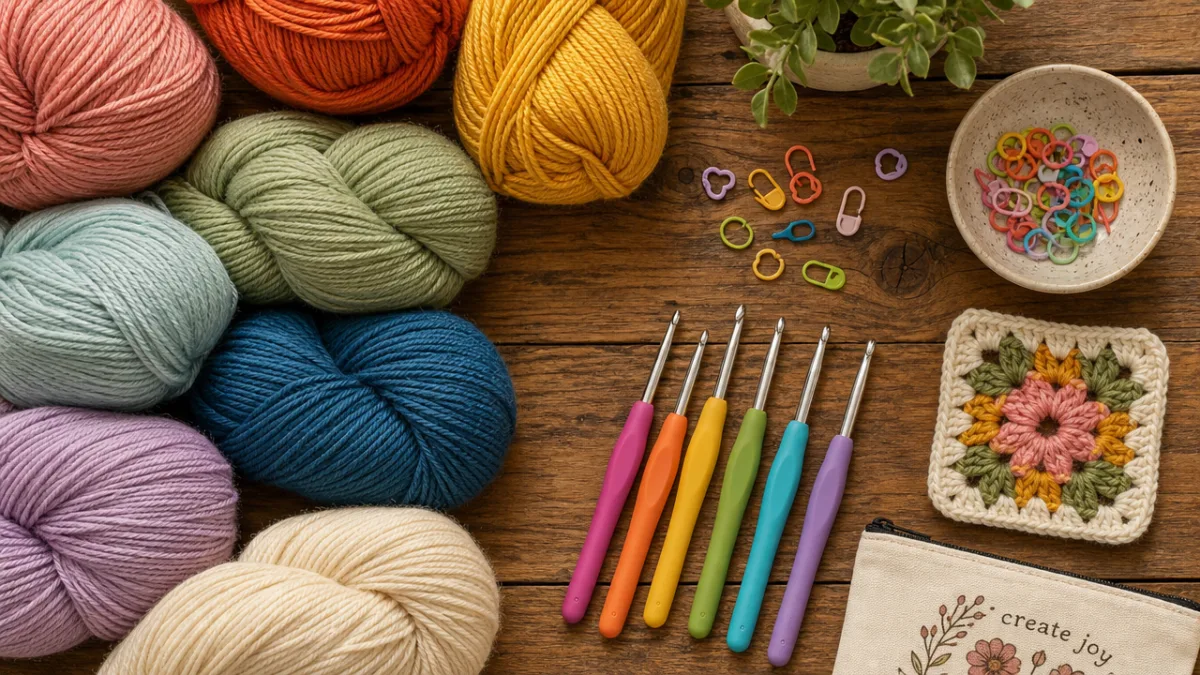
Before diving into any of these wonderful free patterns, it pays to have the right tools at your fingertips. The most critical piece of equipment is your crochet hook, and for most hat patterns, you will be working with hooks in the range of 4mm to 6mm, depending on the yarn weight specified in the pattern. Ergonomic hooks with soft rubber handles are worth the modest investment if you plan to crochet regularly, as they significantly reduce hand fatigue during longer sessions. Many crafters keep a full set of hooks in a simple zipper pouch so they are always ready to start something new.
Yarn selection plays an enormous role in the final look and feel of your finished hat. For women’s hats, medium-weight worsted yarn is the most commonly called-for fiber, as it strikes a balance between warmth, stitch definition, and ease of working. For children’s hats, you will want to prioritize softness above all else, choosing superwash merino blends, cotton yarns, or high-quality acrylic options that are gentle against delicate skin and easy to launder. Novelty yarns with sequins or metallic threads can add a festive touch to holiday hat patterns, while chunky hand-dyed skeins create stunning, rustic textures for winter wear.
Beyond hooks and yarn, a few additional notions will make your crochet experience smoother and more enjoyable. Consider keeping the following items in your craft kit at all times:
- Stitch markers in both locking and ring styles to track round beginnings and pattern repeats
- A yarn needle or tapestry needle for weaving in ends neatly and securely
- Small scissors with sharp blades for clean yarn cuts
- A measuring tape to check your gauge swatch before beginning a project
- A row counter or notebook to track your progress through complex patterns
- Blocking mats and pins for giving finished hats a professional, polished shape
Gauge swatching deserves special mention because it is the step most beginners are tempted to skip, and yet it is the step most likely to save a project from disaster. Crocheting even a small four-inch swatch before starting your hat allows you to verify that your tension matches the designer’s intention. If your swatch comes out smaller than specified, try going up a hook size. If it comes out larger, go down a size. Taking this fifteen-minute step at the beginning will save you the heartbreak of finishing a beautiful hat that turns out to be three sizes too small or too large.
A Tour Through the Most Popular Hat Styles in the Collection
The world of crochet hat design is richer and more varied than many people realize until they begin exploring it seriously. Among the 23 free patterns highlighted in this guide, you will find a wide spectrum of styles that range from timeless classics to on-trend modern silhouettes. The beloved beanie remains the backbone of any hat pattern collection, with its simple, streamlined shape that works for virtually every age and face shape. Classic beanies can be customized endlessly through color choices, stitch textures, and the addition of brims, earflaps, or playful toppers like pompoms and crocheted flowers.
Slouchy hats have enjoyed enormous popularity over the past decade, and several of the free patterns in this roundup capture that laid-back, effortlessly cool aesthetic beautifully. A slouchy hat is worked with extra height so that the finished piece drapes and bunches softly at the back of the head. This style is particularly flattering because it suits a wide range of head sizes without requiring precise fitting. Many slouchy hat patterns are written as one-size-fits-most, which makes them brilliant choices for gift giving when you do not know the recipient’s exact measurements.
Newborn and baby hat patterns deserve their own moment of appreciation within this collection. The tiny proportions of infant hats mean they work up in under an hour, making them among the most satisfying quick projects in all of crochet. Animal-themed designs featuring bear ears, bunny ears, or fox features are perennially popular for baby showers and newborn photo shoots. These whimsical designs bring enormous joy to recipients and makers alike, and they showcase the playful, creative spirit that makes crochet such a beloved craft across generations.
Textured Stitches That Elevate a Simple Hat
One of the great joys of exploring a collection as diverse as these 23 free patterns is discovering the incredible variety of textured stitches that designers use to transform a basic hat into a true work of art. The moss stitch, also known as the linen stitch or granite stitch, creates a tight, fabric-like texture that is exceptionally warm and beautifully dense. It is more time-consuming than simpler stitches, but the resulting fabric has a luxurious hand and an almost woven appearance that looks anything but homemade in the best possible sense of the word.
The puff stitch and bobble stitch are two other crowd-pleasers that appear frequently in hat patterns because they add dramatic three-dimensional texture without requiring advanced technique. Puff stitches are created by pulling up multiple loops of yarn through a single stitch and then closing them together, creating soft, rounded bumps across the surface of the fabric. Arranged in rows or spiraling patterns, these stitches give a hat an almost sculptural quality. Many designers use them strategically at the crown of a hat to create a beautiful starburst effect that is as satisfying to make as it is to wear.
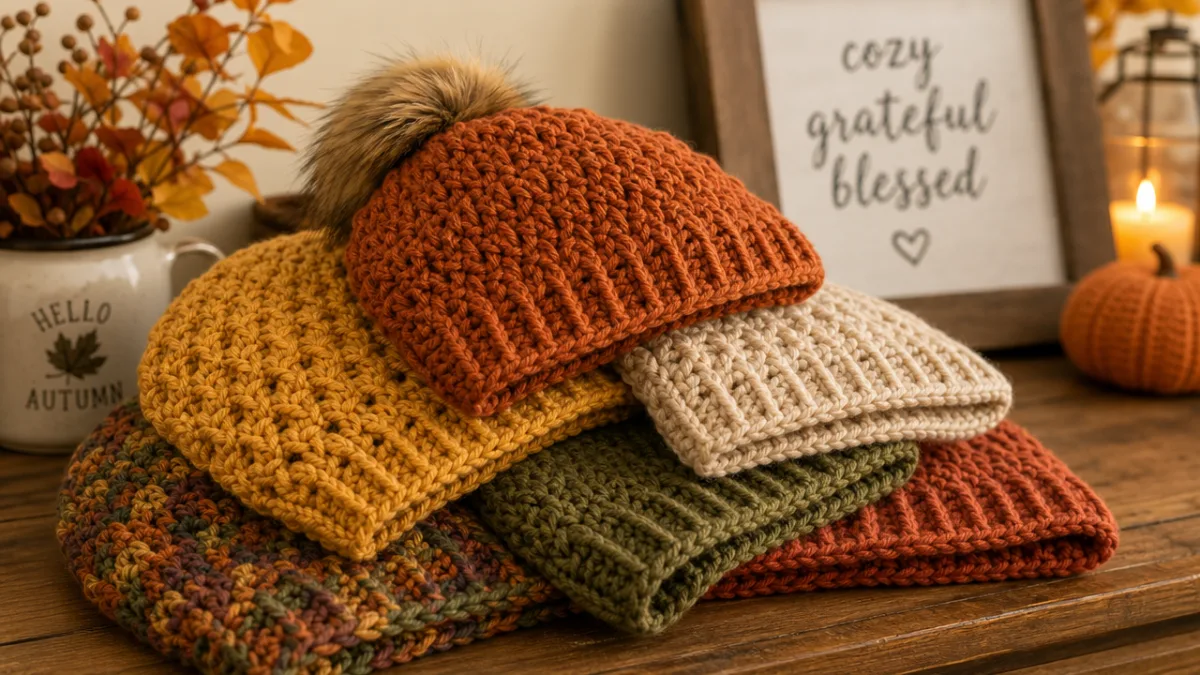
Cable patterns, traditionally associated with knitting, have also found their way into the crochet hat world through the magic of front post and back post double crochet stitches. Post stitches allow crocheters to create raised vertical columns of fabric that mimic the look of classic Aran cables, complete with crossing and braiding effects. Cable crochet hats have a distinctly cozy, heritage quality that makes them especially appealing for autumn and winter wear. Several of the free patterns in this collection feature beautiful cable panels that will challenge intermediate makers and reward their effort with truly stunning results.
Seasonal and Holiday Hat Designs
Crochet hats are not only practical wardrobe staples but also wonderful vehicles for seasonal celebration and holiday fun. Among the 23 free patterns in this guide, you will find designs perfectly suited to specific times of year, from lightweight spring beanies worked in cotton yarn to festive Christmas-themed hats adorned with crocheted holly and berries. Halloween brings opportunities for witch hat designs, cat ear headbands, and spooky pumpkin toppers that delight children and adults alike when worn during trick-or-treating or costume parties.
Winter holidays inspire some of the most creative hat designs in the crochet world, and the free patterns available online at this time of year are nothing short of spectacular. Elf hat patterns with pointed tips and curling brims, Santa hat designs in classic red and white, and reindeer hats complete with antlers and pompom noses are all achievable free patterns that make wonderful handmade gifts. Working several of these in an assembly-line fashion during the autumn months means you can give thoughtfully crafted holiday gifts to everyone on your list without breaking your budget.
Sizing Guidance for Women and Children
Getting the size right is arguably the most important factor in creating a crochet hat that someone will actually wear regularly and with pleasure. A hat that is too tight creates uncomfortable pressure and leaves unsightly red marks on the forehead. One that is too loose slides around, covers the eyes, and looks sloppy rather than stylish. Understanding standard hat sizing and knowing how to adapt patterns to fit specific heads will transform your results dramatically and make every recipient feel that their hat was made especially for them, because it was.
For women’s hats, the average adult head circumference falls between 21 and 23 inches, or roughly 53 to 58 centimeters. Most free patterns written for adult women target this range, though many thoughtfully provide multiple size options or guidance on how to add or subtract rounds to customize the fit. The circumference of the finished hat should be approximately one to two inches smaller than the actual head measurement, as crochet fabric has natural stretch and negative ease creates a snugger, more flattering fit that stays in place during wear.
Children’s sizing varies considerably depending on age, and it helps to work from standard reference ranges rather than assuming a single child-size will fit every young head. The following general guidelines provide a solid starting point for most hat patterns:
- Preemie: 9 to 11 inches in circumference
- Newborn: 12 to 13 inches in circumference
- 3 to 6 months: 14 to 15 inches in circumference
- 6 to 12 months: 16 to 17 inches in circumference
- Toddler (1 to 3 years): 18 to 19 inches in circumference
- Child (3 to 10 years): 19 to 20 inches in circumference
- Tween and teen: 20 to 21 inches in circumference
When making hats as gifts for children you cannot measure directly, it is always wise to err on the side of slightly larger rather than smaller. Children grow quickly, and a hat with a little room will serve them well for a longer stretch of time. Many experienced crocheters also add a turned-up brim to children’s hat designs, which serves the dual purpose of looking adorable and providing a built-in mechanism for adjusting fit as the child grows into the hat over the course of a season or two.
Tips for Reading and Following Free Crochet Patterns Successfully
Free crochet patterns vary widely in their quality, completeness, and style of presentation, and learning how to read them effectively is a skill that develops with practice. The first step before attempting any new pattern is to read it all the way through from beginning to end before picking up your hook. This overview allows you to identify any techniques you are unfamiliar with, check that you have all necessary materials, and develop a mental map of how the construction will unfold. Surprises in the middle of a complex pattern can be frustrating and lead to mistakes, while familiarity creates confidence and smooth forward momentum.
Abbreviations are the universal language of crochet patterns, and while most designers include a key within their free patterns, it helps to have a solid foundation of common abbreviations memorized. Standard American crochet abbreviations include sc for single crochet, dc for double crochet, hdc for half double crochet, sl st for slip stitch, ch for chain, and sp for space. British crochet terminology uses different names for the same stitches, which can be a source of considerable confusion for new crafters encountering international patterns. Always check whether a pattern uses American or British terminology before you begin, as the difference can completely change the outcome of a project.
When a pattern is unclear or seems to have an error, the comments section of the original blog post or the designer’s social media pages are often goldmines of troubleshooting information. Many free pattern designers are actively engaged with their audiences and respond to questions personally, which is one of the genuinely heartwarming aspects of the online crochet community. Fellow crafters who have already completed the pattern frequently leave helpful notes about modifications they made, points of confusion they encountered, and tips for achieving the best results. Reading through these comments before beginning can save significant time and frustration.
Customizing Free Patterns to Make Them Your Own
One of the most exciting aspects of working with free crochet hat patterns is the tremendous room they leave for personal customization. Even the simplest beanie pattern becomes a unique creation when you choose an unexpected color combination, substitute a luxurious yarn for the suggested budget-friendly option, or add an embellishment that reflects the wearer’s personality. Crochet flowers, pom-poms, braided ties, and decorative buttons are all quick additions that can transform a basic hat pattern into something that feels genuinely one-of-a-kind and deeply personal.
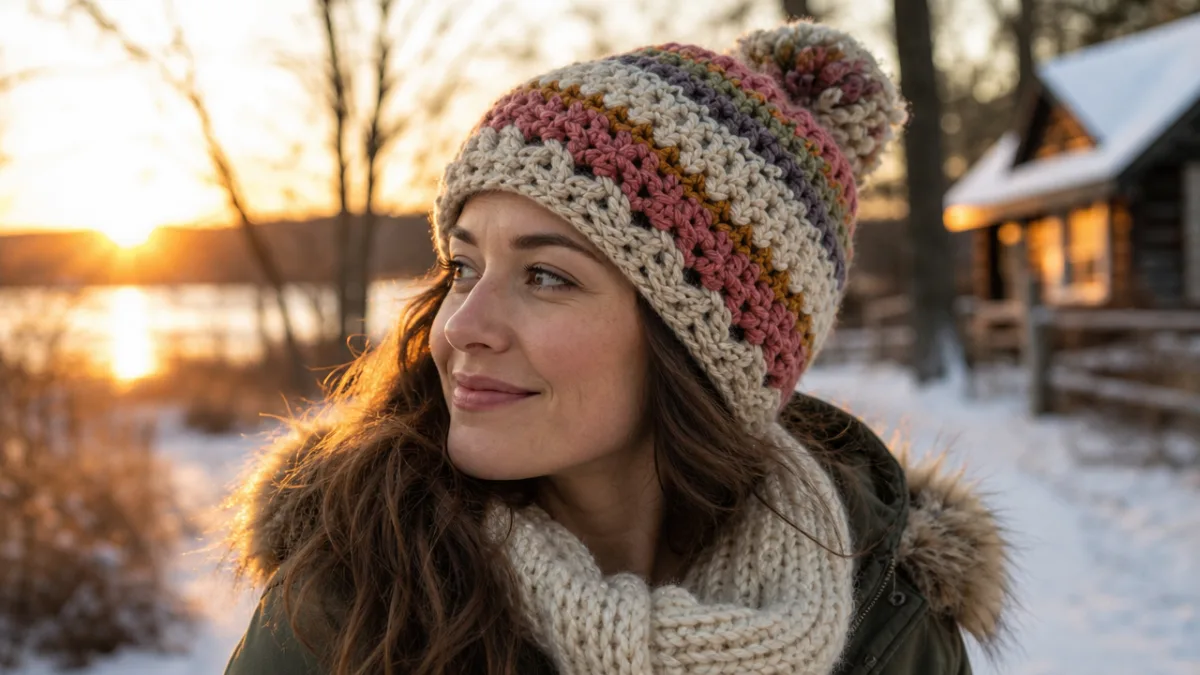
Color work is another powerful avenue for customization that does not require changing a pattern’s structure at all. Simply working a hat in two or three alternating colors, swapping yarn at the end of every round or every few rounds, creates striking striped effects that completely transform the look of a finished piece. More advanced color work techniques like tapestry crochet allow you to work geometric patterns, letters, or pictorial motifs directly into the fabric of the hat using multiple yarn colors within a single round. While this technique requires more planning and attention, the results are breathtaking and well worth the additional effort.
Stitch substitution is a more advanced form of customization that experienced crocheters use to breathe new life into familiar pattern structures. If a pattern calls for basic single crochet fabric but you want more texture, you might substitute the waistcoat stitch, which creates a beautiful knit-like appearance, or the lemon peel stitch, which alternates single and double crochet for a subtle, rhythmic texture. Understanding how different stitches affect the height and drape of the resulting fabric is essential when making substitutions, as changing stitch height without adjusting the number of rounds will alter the finished dimensions of the hat significantly.
Sharing Your Finished Hats and Joining the Crochet Community
Completing a crochet hat is a genuinely joyful experience, and sharing your finished work with others multiplies that joy significantly. The online crochet community is one of the most welcoming and encouraging spaces on the internet, and platforms like Pinterest, Instagram, and dedicated crochet forums are filled with makers who are eager to celebrate each other’s work. When you complete a hat from a free pattern, taking a moment to tag the original designer in your finished object post is a generous gesture that helps support the designers who give their work away freely and allows them to see the real-world impact of their creative generosity.
Gifting handmade crochet hats is one of the most meaningful ways to share your craft with the people you love. Unlike store-bought accessories, a handmade hat carries the energy of all the hours and care you invested in creating it. Recipients who know that someone chose their colors, worked through the pattern, and thought of them with every stitch often treasure these handmade gifts far beyond more expensive purchased alternatives. Building a tradition of handmade gift giving is a beautiful way to strengthen relationships and keep the art of crochet alive and valued across generations.
For those who find themselves producing more hats than their immediate circle can absorb, charitable crochet organizations offer wonderful opportunities to put your craft in service of others. Hospitals, homeless shelters, refugee organizations, and schools in underserved communities regularly accept donations of handmade hats for people of all ages. Working toward a charitable goal adds purpose and momentum to your crafting sessions and connects your creative practice to something larger than yourself. Many crocheters find that combining their love of the craft with meaningful giving provides a sense of fulfillment that purely personal projects, wonderful as they are, cannot fully match on their own.
Building Your Pattern Library and Growing as a Maker
The 23 free crochet hat patterns at the heart of this guide represent just the beginning of what is available to curious, motivated makers. Developing the habit of saving and organizing free patterns as you discover them ensures that you will always have an inspiring project ready to begin whenever the mood strikes. Pinterest boards, dedicated apps like Ravelry, and simple bookmarked folder systems in your browser all serve as effective personal pattern libraries that grow more valuable with every addition. Taking the time to add notes to saved patterns about yarn substitutions you tried or modifications you made creates a personalized reference resource that will serve you for years to come.
Skill building should feel like a natural, organic process rather than a rigid curriculum, and hat patterns are ideally suited to this gentle, exploratory approach to learning crochet. Each new hat you make can be an opportunity to try exactly one new technique or stitch that you have not attempted before. This approach keeps your practice fresh and progressive without ever feeling overwhelming. Over the course of a single year of regular crocheting, working through a thoughtfully chosen progression of hat patterns can take you from beginner to confident intermediate maker with a rich technical vocabulary and a genuine personal style.
Most importantly, remember that the best crochet journey is one pursued with patience, curiosity, and a generous helping of self-compassion. Every experienced crafter you admire was once a beginner who dropped stitches, miscounted rounds, and frogged entire projects in frustration. The community of crocheters who have generously shared these 23 free hat patterns did so because they believe in making this craft accessible to everyone, regardless of experience level or budget. With the right tools, quality free patterns, and a willingness to learn through making, you are fully equipped to create beautiful, lasting pieces that will keep the people you love warm and stylish for many winters to come.








What do you think?
It is nice to know your opinion. Leave a comment.