










The Ultimate Guide to DIY Jewelry Making: Crafting Beautiful Pieces at Home
Getting Started with DIY Jewelry Making
Creating your own jewelry is one of the most rewarding and accessible crafts you can take up, whether you are a complete beginner or someone with years of creative experience. The beauty of DIY jewelry making lies in the fact that you can produce stunning, one-of-a-kind pieces without spending a fortune at boutique stores. With just a modest investment in basic tools and materials, your kitchen table or craft room can transform into a fully functioning jewelry studio where imagination is the only true limit.
Before diving into your first project, it helps to understand the broad landscape of jewelry-making styles and techniques available to you. From beading and wire wrapping to resin casting and macramé, each method brings its own aesthetic and skill requirements. Beginners often find beading and simple wire work the most approachable entry points, while more experienced crafters might gravitate toward metal stamping or polymer clay sculpting. Taking a little time to explore different styles through online tutorials, Pinterest boards, and craft books will help you identify which direction excites you most before you spend money on supplies.
Setting up a dedicated workspace is also an important first step that many beginners overlook entirely. A well-organized crafting area makes the creative process smoother, safer, and far more enjoyable. Invest in a few small trays or compartmentalized boxes to sort beads, clasps, and findings by size and color. Keep your pliers, scissors, and wire cutters within easy reach, and make sure your workspace has good lighting so you can see fine details without straining your eyes. Even a small corner of a desk can become a productive jewelry studio with the right organizational approach.
Essential Tools and Materials for Every Jewelry Maker
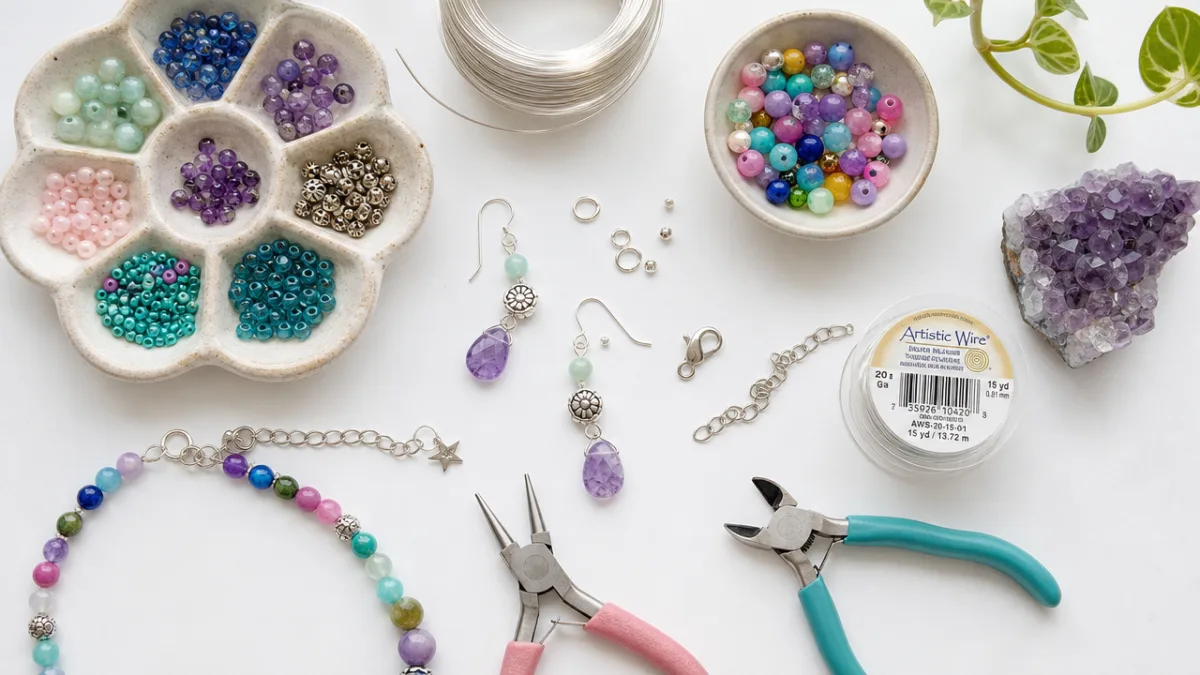
Assembling the right toolkit is arguably the most important foundational step in your DIY jewelry journey. While it can be tempting to buy every gadget and gizmo available at the craft store, a focused collection of essential tools will serve you far better in the beginning. The three pliers you absolutely cannot do without are round-nose pliers, flat-nose pliers, and wire cutters. Round-nose pliers allow you to create loops and curves in wire, flat-nose pliers are used for gripping and bending, and wire cutters give you clean, precise cuts through various gauges of craft wire.
Beyond tools, your choice of materials will define the character of everything you create. Beading wire, stretch cord, and nylon thread are the most common stringing materials, each suited to different project types. Seed beads, gemstone chips, glass beads, and wooden beads all offer dramatically different visual effects and tactile qualities. Metal findings such as jump rings, lobster clasps, ear wires, and crimp beads are the unsung heroes of jewelry making, holding your designs together and giving them a professional, finished look. Purchasing a variety pack of findings when you are just starting out is a smart and cost-effective move.
As your skills grow, you will naturally want to expand your material palette to include more specialized supplies. Craft wire comes in a wide range of gauges and finishes, including copper, silver-plated, and gold-filled varieties, each offering different levels of workability and visual appeal. Polymer clay opens an entirely different creative door, allowing you to sculpt custom pendants, beads, and charms in virtually any shape or color imaginable. Resin casting supplies enable you to encapsulate flowers, glitter, photographs, and other found objects inside crystal-clear pendants and rings, producing pieces that feel genuinely magical and personal.
- Round-nose pliers for creating loops and curves in wire
- Flat-nose pliers for gripping, bending, and tightening connections
- Wire cutters in both heavy-duty and fine precision sizes
- Beading mats or trays to prevent beads from rolling away while you work
- A bead reamer for widening holes in natural stones and pearls
- Crimping tools for securing crimp beads on beading wire
- A jewelry loupe or magnifying glass for detail work and inspecting clasps
Beginner-Friendly DIY Jewelry Projects to Try First
Starting with simple, achievable projects is the secret to building confidence and developing your skills without frustration. One of the most beloved beginner projects is a classic beaded bracelet made with elastic cord, which requires no clasps and very little technical knowledge. Simply choose a selection of beads in colors and sizes that appeal to you, thread them onto a length of stretched elastic cord, and tie a secure surgeon’s knot to finish. These bracelets make wonderful gifts and can be customized endlessly to suit any personal style or color preference.
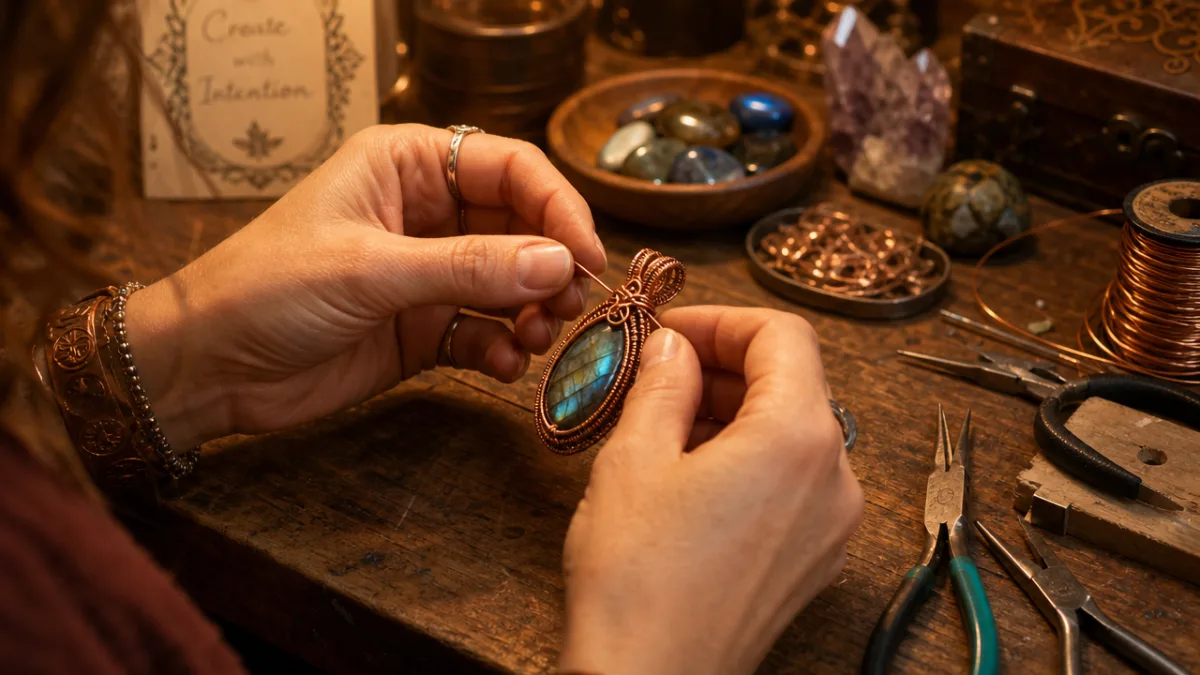
Wire-wrapped pendants are another fantastic beginner project that teaches foundational wire manipulation skills while producing genuinely impressive results. To make a basic wire-wrapped pendant, choose a smooth, flat stone or a glass cabochon as your focal piece, then use a length of craft wire to create a cage or frame around it. The wire is wrapped, twisted, and coiled in decorative patterns that both secure the stone and add visual interest. There are dozens of wrapping styles to explore, from minimalist and geometric to ornate and organic, meaning you will never run out of new variations to try.
Macramé jewelry is currently enjoying a massive resurgence in popularity, and with very good reason. Using nothing more than cotton cord, a few beads, and your own two hands, you can create beautiful boho-style bracelets, anklets, and necklaces that look as though they came straight from a high-end artisan market. The basic square knot and spiral knot patterns are extremely easy to learn, and once you have mastered those two foundational techniques, you will find yourself able to produce an incredible variety of designs. Many crafters find the rhythmic, repetitive nature of knotting to be deeply meditative and relaxing.
Intermediate Techniques to Elevate Your Jewelry Designs
Once you have gained confidence through beginner projects, the natural next step is to challenge yourself with more sophisticated techniques that take your jewelry to a noticeably higher level of craftsmanship. Metal stamping is one of the most satisfying intermediate skills to acquire, allowing you to emboss letters, words, and decorative symbols permanently into soft metal blanks made from aluminum, copper, or brass. A basic metal stamping kit includes a variety of letter and design stamps, a sturdy bench block, and a weighted hammer. With practice, you can create personalized name bracelets, initial necklaces, and meaningful quote pendants that feel genuinely custom and sentimental.
Polymer clay jewelry-making deserves its own exploration as a genuinely versatile intermediate craft. Modern polymer clay brands like Sculpey and Fimo come in hundreds of colors and can be blended, rolled, textured, and shaped with incredible precision before being baked in a standard home oven to harden permanently. Techniques like millefiori caning, marbling, and mokume-gane allow you to create complex patterned effects that look astonishingly intricate even to trained eyes. Polymer clay is particularly popular for making statement earrings in bold, abstract shapes that would be prohibitively expensive to purchase from independent designers.
Resin jewelry making represents another exciting leap forward in your crafting skill set. Two-part epoxy resin, when mixed correctly and poured into silicone molds, produces clear or tinted pieces with a glass-like finish that can be used as pendants, rings, earrings, and charms. The real creative excitement with resin lies in what you embed inside it: pressed flowers, gold leaf flakes, glitter, tiny shells, photographs, and even small insects all become permanently preserved and showcased in a wearable format. While resin work requires proper ventilation and protective gloves, the results are so spectacular that most crafters consider the minor safety precautions a very small price to pay.
- Master the basic techniques before attempting to combine multiple methods in one piece
- Practice on inexpensive materials before using costly gemstones or precious metal findings
- Join online crafting communities and forums to share work and receive constructive feedback
- Keep a design journal where you sketch ideas and note what materials you used for each project
- Watch multiple video tutorials on the same technique to pick up different tips from different makers
- Invest in quality tools rather than the cheapest options, as precision matters in jewelry work
Turning Your DIY Jewelry Hobby into a Small Creative Business
For many jewelry makers, what begins as a relaxing hobby gradually grows into something with genuine commercial potential. Handmade jewelry has a devoted and enthusiastic market, with countless consumers actively seeking out unique, artisan-made pieces over mass-produced department store alternatives. Platforms like Etsy, Depop, and Instagram Shopping have made it easier than ever for independent makers to reach customers around the world without the need for a physical retail space. If your friends and family are consistently complimenting your work and asking where they can buy pieces, that is a reliable early signal that a market exists for what you create.
Pricing your handmade jewelry fairly and sustainably is one of the biggest challenges new seller-makers face, and it is an area where many beginners significantly undervalue their work. A common and effective formula is to calculate your material costs, multiply them by two or three to account for overhead and profit, and then add an hourly rate for your labor time. Do not fall into the trap of pricing your pieces so low that you cannot afford to restock materials or sustain the business long-term. Customers who appreciate handmade artisan work are generally willing to pay prices that reflect genuine skill and time, so resist the impulse to compete with mass-market pricing.
Building a compelling brand identity around your jewelry is what separates hobbyists from thriving small businesses. This means developing a consistent visual aesthetic for your photography, choosing a memorable and searchable shop name, writing product descriptions that tell the story behind each piece, and engaging authentically with your social media community. Behind-the-scenes content showing your creative process tends to perform extraordinarily well on platforms like Instagram and TikTok, as viewers are genuinely fascinated by the transformation of raw materials into finished wearable art. A cohesive and genuine brand story will attract loyal repeat customers who feel a personal connection to you and your work.
Incorporating DIY Jewelry into Home Decor and Gift-Giving
The skills you develop as a jewelry maker translate beautifully into other creative domains, particularly home decor and thoughtful gift creation. The same wire-wrapping techniques you use for pendants can be applied to create elegant napkin rings, ornamental wall hangings, and decorative branch sculptures wrapped in copper or gold wire. Beaded garlands made from wooden beads, crystal beads, and natural seeds make stunning window decorations and mantelpiece accents that bring a handcrafted warmth to any living space. The creative vocabulary of jewelry making is, at its heart, a vocabulary of texture, color, and material that applies across every decorative discipline.
Handmade jewelry is consistently ranked among the most cherished and personal gifts a person can give or receive, precisely because of the thought, time, and skill it represents. Creating a custom piece for someone’s birthday, anniversary, graduation, or holiday celebration shows a depth of care that no store-bought item can replicate. Consider creating birthstone bracelets for family members, initial pendants for close friends, or anniversary necklaces incorporating meaningful colors or symbols. Adding a handwritten card explaining the materials used and the inspiration behind the design elevates the gift even further, transforming it from a beautiful object into a meaningful keepsake with a story attached.
Hosting a DIY jewelry-making workshop for friends or family members is another wonderful way to share your skills and enthusiasm while creating a memorable shared experience. Set up a crafting station with a curated selection of beads, wire, and tools, and guide your guests through a simple project like a beaded bracelet or wire-wrapped ring. These kinds of hands-on creative gatherings are enormously popular as birthday party activities, bridal shower events, and team-building experiences, and they offer a welcome alternative to passive entertainment. Many participants discover a genuine passion for jewelry making through these casual workshops, going on to develop their own creative practices as a result of that first guided experience.
Sustainability and Ethical Sourcing in DIY Jewelry
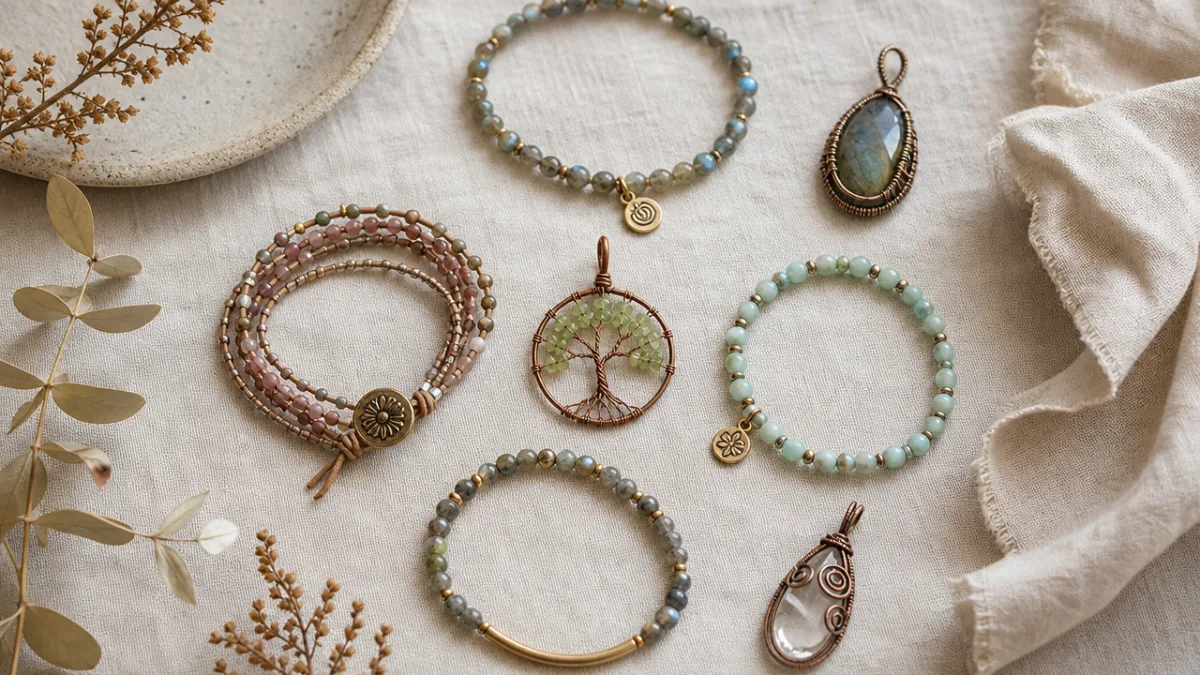
As the handmade and artisan craft movement continues to grow, an increasing number of jewelry makers are becoming more conscious about the environmental and ethical dimensions of their material choices. The jewelry industry has a complex relationship with mining, resource extraction, and labor practices, and even at the DIY hobbyist level, the materials we choose have real-world implications. Seeking out recycled metals, ethically sourced gemstones, and natural or biodegradable materials where possible is a meaningful way to align your creative practice with your broader values around sustainability and environmental responsibility.
Upcycling and repurposing are particularly aligned with both sustainable values and the DIY spirit, and they often produce the most interesting and conversation-worthy results. Old costume jewelry from thrift stores and estate sales can be dismantled and transformed into entirely new pieces with a bit of creativity and your basic toolkit. Vintage buttons, broken watch faces, antique keys, and found natural objects like seeds, shells, and sea glass all make fascinating focal elements for pendants and earrings. Working with found and repurposed materials also dramatically reduces your material costs, making your crafting practice more financially sustainable as well as environmentally mindful.
Educating yourself about the origins of the materials you use most frequently is a powerful step toward more conscious crafting. Look for gemstone suppliers who provide information about the mines their stones come from and the labor conditions involved in their extraction. Choose seed bead and findings suppliers who prioritize fair trade practices and transparent supply chains. Many small, independent craft supply companies have built their entire businesses around ethical sourcing principles, and supporting these businesses with your purchases is a meaningful form of advocacy. The more demand consumers and makers create for ethically sourced craft materials, the stronger the incentive becomes for the entire industry to improve its standards and practices across the board.








What do you think?
It is nice to know your opinion. Leave a comment.