










31 Free Tote Bag Patterns To Sew: Your Complete Guide to Handmade Carry-Alls
Why Sewing Your Own Tote Bag Is Worth Every Stitch
There is something deeply satisfying about carrying a bag you made with your own two hands. When you sew your own tote bag, you are not just creating a functional object — you are expressing your personal style, developing a valuable skill, and making a choice that is kinder to the planet than reaching for a mass-produced alternative. With dozens of free patterns available online, the barrier to entry has never been lower, and the rewards have never been greater.
Tote bags are arguably the most beginner-friendly sewing project you can take on. Unlike garments, which require precise measurements and fitting adjustments, a basic tote bag is forgiving, flat, and relatively quick to complete. Most beginner patterns can be finished in an afternoon, which means you get that wonderful sense of accomplishment without weeks of labor. That quick turnaround is one of the main reasons tote bags are recommended as a gateway project for new sewists everywhere.
Beyond the beginner appeal, tote bags offer incredible versatility as your skills grow. You might start with a simple two-panel design using quilting cotton, then graduate to structured market totes with interfacing, leather handles, interior pockets, and magnetic closures. The design possibilities are practically endless, and having 31 free patterns to choose from means you will never run out of inspiration or fresh challenges to keep your sewing practice exciting and evolving.
Understanding Fabric Choices for Tote Bags
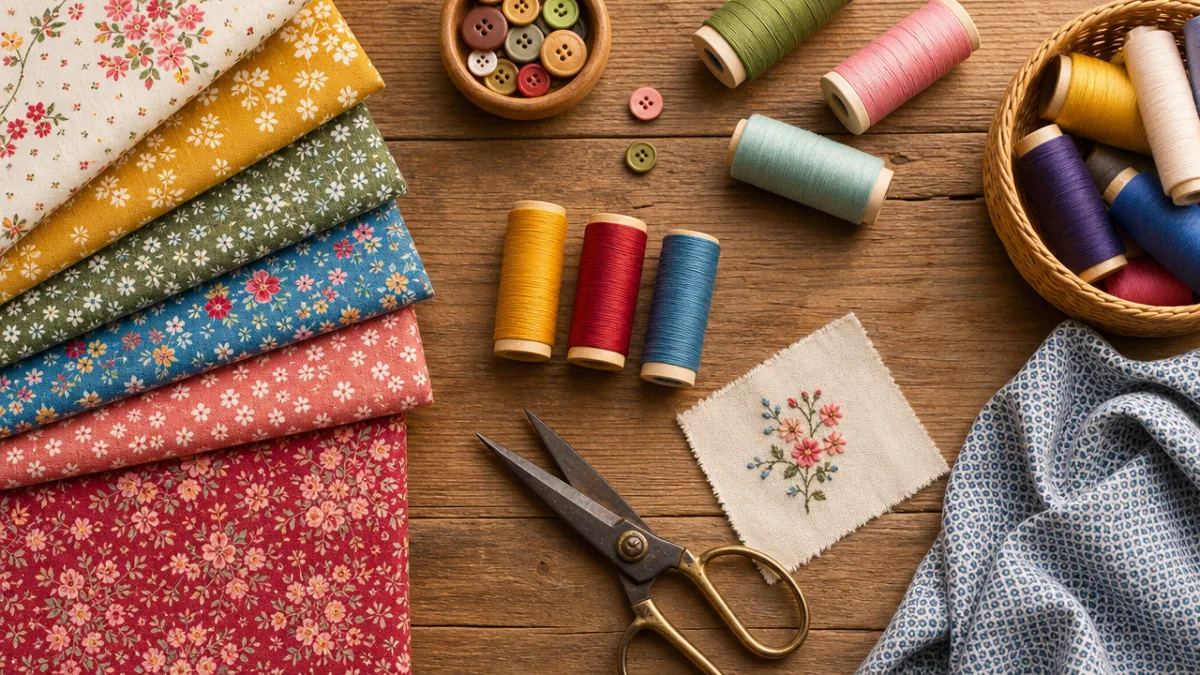
Choosing the right fabric is one of the most important decisions you will make before cutting a single piece. For everyday tote bags, quilting cotton is a perennial favorite because it is widely available, comes in thousands of prints and solids, and is easy to sew. However, it is relatively lightweight on its own, which means you will often want to pair it with a fusible interfacing to give your bag structure and durability. A medium-weight woven interfacing can transform a floppy piece of cotton into a bag that holds its shape beautifully.
Canvas and duck cloth are excellent choices when you want a bag that is naturally sturdy without relying heavily on interfacing. These heavier woven fabrics are often used for market totes, beach bags, and utility carryalls because they can handle significant weight without stretching or deforming. They do require a stronger needle — typically a size 16 or denim needle — and a walking foot can be helpful to keep the layers feeding evenly through your machine. The slight learning curve is absolutely worth the rugged, professional result.
For sewists who want a more luxurious finish, home décor fabrics, upholstery-weight textiles, and even laminated cotton are wonderful options. Laminated cotton, in particular, is a popular choice for market bags because it is wipe-clean and water-resistant, making it practical for carrying groceries, farmers market finds, or beach gear. Faux leather and vinyl have also become fashionable choices for tote bag accents, adding a polished, modern look to handles, bases, and trim pieces that elevates the entire design.
Essential Tools and Supplies Before You Begin
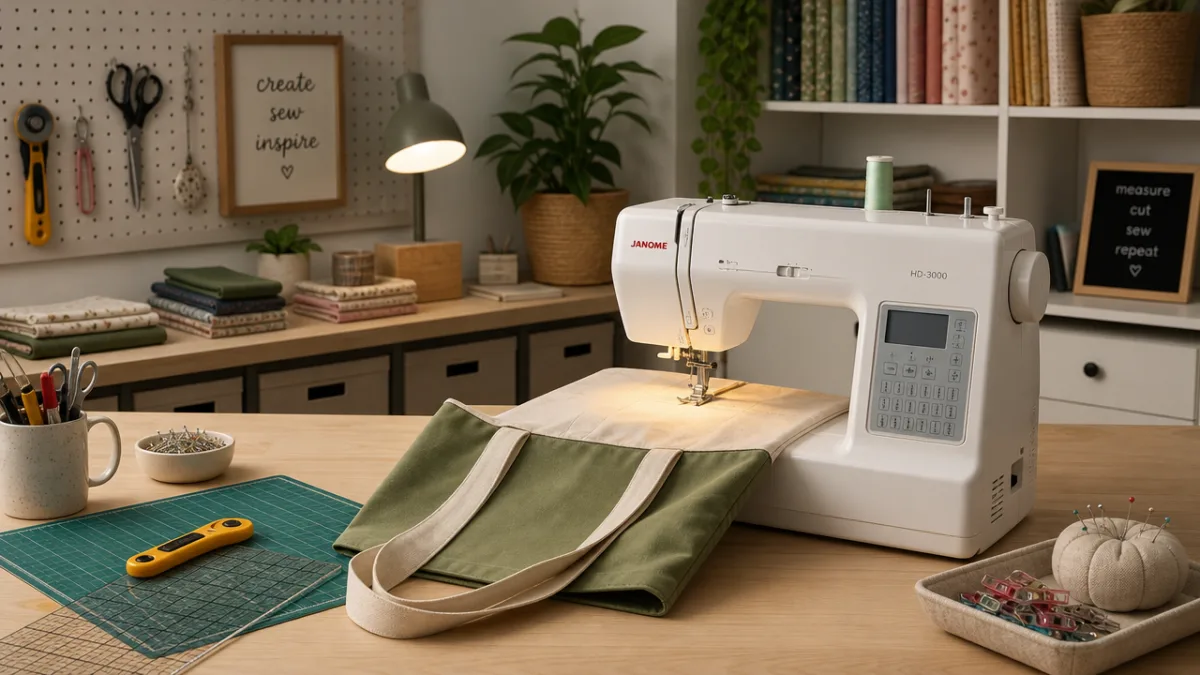
Having the right tools on hand before you start sewing will save you frustration and help you achieve a clean, professional-looking result. At the very minimum, you will need a sewing machine in good working order, sharp fabric scissors or a rotary cutter and self-healing mat, fabric marking tools, straight pins or wonder clips, and an iron with a pressing surface. That last item — the iron — is one that beginners frequently underestimate, but pressing seams at every stage is what separates a polished bag from a lumpy, homemade-looking one.
Beyond the basics, there are several tools that make tote bag sewing significantly more enjoyable. A seam ripper is non-negotiable, because everyone makes mistakes and the ability to undo stitching cleanly without damaging the fabric is invaluable. A ruler and clear quilting square help you cut perfectly straight pieces and square up your work. For bags that include pockets or zipper openings, a zipper foot attachment for your sewing machine is essential. Many sewists also find that binder clips or strong wonder clips are better than pins for holding thick layers of canvas or interfacing together.
Interfacing deserves its own mention as a supply, because it appears in so many of the free tote bag patterns you will encounter. Fusible interfacing bonds to your fabric with heat from an iron, adding body and structure without adding much weight. There are several weights available, from lightweight knit interfacing for soft, drapey bags to heavy-duty woven interfacing for structured totes that stand up on their own. Reading the pattern’s recommendations carefully and purchasing the suggested interfacing weight will make a noticeable difference in your finished result.
A Tour Through Different Tote Bag Styles
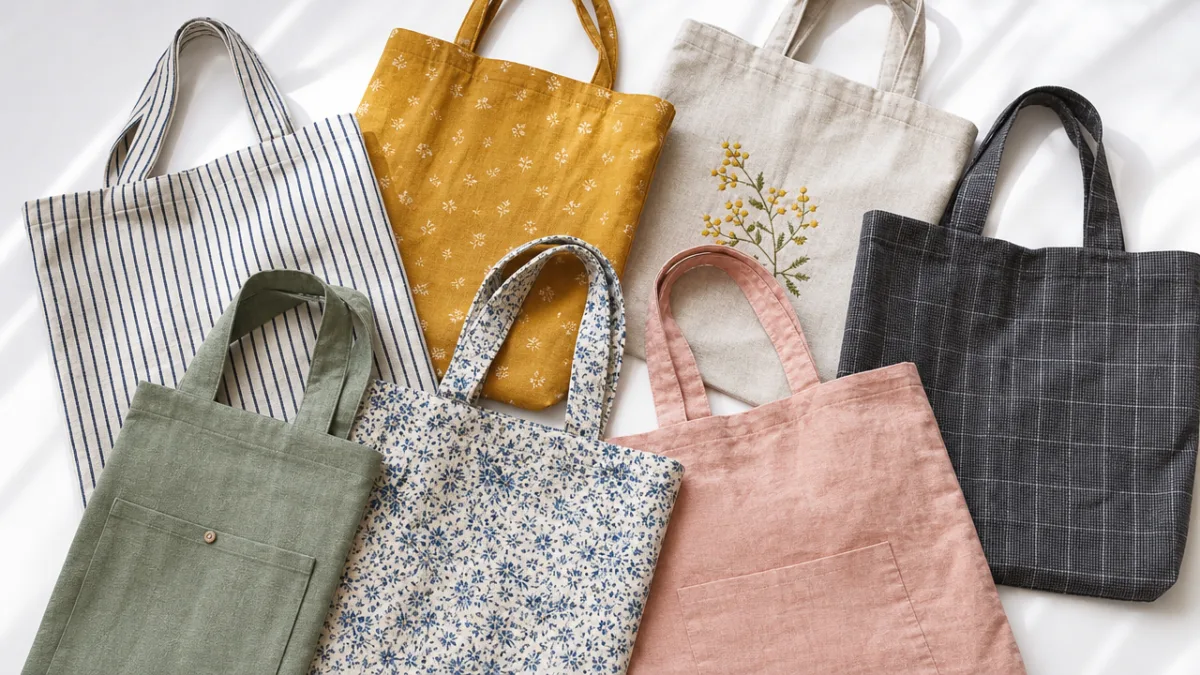
Among the 31 free patterns available from curated collections like Jacquelynne Steves, you will find an exciting range of styles suited to every taste and skill level. The classic flat tote is the simplest design — two rectangles of fabric sewn together along three sides with handles attached at the top. It folds completely flat, making it ideal for stuffing into a purse or glove compartment to have on hand for impromptu shopping trips. Despite its simplicity, a flat tote made from a beautiful print can look absolutely stunning.
Structured totes with boxed corners are a step up in complexity and a significant step up in usability. By sewing a diagonal seam across each bottom corner before turning the bag right side out, you create a flat base that allows the bag to stand upright and hold its shape even when partially full. This style is perfect for library books, gym gear, farmers market hauls, and work supplies. Many free patterns in this category also include interior pockets, key fobs, and other organizational features that make the bag genuinely practical for daily use.
Beyond those two core styles, you will also find zipper-top totes, reversible totes, quilted totes, and project bags designed specifically for knitters and crocheters. Drawstring totes offer a casual, sporty look and are among the quickest to sew. Wine bag totes are a charming gift idea that can be completed in well under an hour. Oversized beach totes with open-work mesh panels or bright tropical prints are perennial summer favorites. With so many distinct styles represented in a collection of 31 patterns, there is genuinely something for every occasion and every skill set.
- Flat Tote: The quickest and most beginner-friendly style, perfect for grocery runs and gift-giving.
- Boxed-Bottom Tote: Adds a structured base so the bag stands upright and holds more without tipping.
- Zipper-Top Tote: Keeps belongings secure, ideal for commuting or travel.
- Reversible Tote: Two bags in one, offering the versatility of coordinating fabrics with a single seam finish.
- Drawstring Tote: Casual and fast to sew, great for gym bags, kids’ gear, or project totes.
- Quilted Tote: Adds visual texture and padding, popular for book bags and everyday carryalls.
- Wine Bag Tote: A quick, thoughtful handmade gift that showcases personality and creativity.
Step-by-Step: Sewing a Basic Boxed-Bottom Tote
To give you a concrete sense of what sewing a free tote bag pattern looks like in practice, here is a walk-through of the basic boxed-bottom tote — one of the most popular styles in any pattern collection. Start by cutting two main panels of your chosen fabric, typically around 15 inches wide by 16 inches tall, plus two strips for handles. If your pattern calls for interfacing, fuse it to the wrong side of your exterior fabric pieces now, following the manufacturer’s instructions for heat setting. Take your time with this step and use a pressing cloth to protect delicate fabric surfaces.
With right sides together, sew the two main panels together along the two side seams and the bottom seam, using a half-inch seam allowance. Before you press those seams open, create your boxed corners: pinch each bottom corner so the side seam and the bottom seam align on top of each other, forming a triangle point. Measure two inches down from the point and draw a line perpendicular to the seam. Sew along that line, then trim the triangle away, leaving a quarter-inch seam allowance. When you turn the bag right side out, you will have a beautifully flat base.
Construct your lining using the same method, but leave a gap of about four or five inches along the bottom seam — this opening will allow you to turn the entire bag right side out later. Prepare your handles by folding the strips in half lengthwise, pressing, then folding the raw edges into the center fold and pressing again before topstitching. Attach the handles to the exterior bag, pin the exterior and lining together at the top edge with right sides facing, sew around the entire top opening, then pull everything through the lining gap. Slipstitch the gap closed, push the lining inside, press the top edge, and topstitch for a crisp, professional finish.
Tips for Customizing and Elevating Your Free Patterns
One of the greatest joys of working with free patterns is using them as a starting point rather than a rigid blueprint. Once you have sewn a pattern once and understand its construction, you have the freedom to customize it in all kinds of wonderful ways. Changing the fabric is the most obvious modification — the same pattern sewn in a bold geometric print versus a classic natural canvas looks like an entirely different bag. Experimenting with color blocking, where you cut different sections from contrasting fabrics, is a simple technique that produces striking, designer-looking results.
Adding pockets is one of the most practical upgrades you can make to any basic tote pattern. An exterior slip pocket is easy to add before the bag’s side seams are sewn — simply create a small rectangle of fabric, hem the top edge, and baste it to the right side of one exterior panel before assembly. Interior pockets can be added to the lining in the same way, and a zippered interior pocket, while slightly more advanced, is a transformative addition for anyone who needs to keep small items secure. Divided pockets with multiple slots are wonderful for organizing pens, phones, and other everyday essentials.
Handle length, width, and material are another area ripe for personalization. Patterns typically call for fabric handles, but you can substitute webbing straps for a sporty, durable alternative that requires no sewing to construct. Leather or faux leather handles add a sophisticated, boutique look and can be attached with rivets instead of sewn seams for extra visual interest. For a crossbody option, you can add an adjustable strap using slide hardware and swivel clips, transforming any basic tote into a versatile crossbody bag. These small changes require minimal additional skill but produce a dramatically customized result that feels genuinely your own.
- Choose a fabric that reflects your personal aesthetic before beginning — the pattern is secondary to the material.
- Always pre-wash your fabric to prevent shrinkage and color bleeding in the finished bag.
- Press every seam as you sew it rather than waiting until the end — this single habit will transform your results.
- Grade your seam allowances on thick fabrics to reduce bulk at the corners and top edges.
- Reinforce handle attachment points with a box-and-X stitch pattern, which dramatically increases strength and durability.
- Add a piece of plastic canvas or a rigid insert to the base of structured totes to help them stand upright.
- Label your handmade bags with a small woven label or stamped cotton tag — it adds a professional, finished touch.
Making Tote Bags as Gifts and for Sustainable Living
Handmade tote bags are among the most thoughtful and universally appreciated gifts you can give. Unlike knitted scarves that require guessing a recipient’s taste, or baked goods that disappear in moments, a well-made tote bag is something people use and see every day, and the fact that it was made by hand gives it a meaning that no store-bought alternative can replicate. Choosing fabrics that reflect the recipient’s personality — their favorite colors, a print they would love, fabrics that echo their hobbies — elevates the gift from practical to genuinely personal and touching.
From a sustainability perspective, replacing disposable plastic bags with reusable, handmade totes is a small but meaningful contribution to reducing single-use waste. When you sew your own bags from natural fibers like cotton or linen, you have full transparency about the materials going into your everyday carry items — a reassurance that is increasingly important to conscious consumers. Using stash fabric that has been sitting in your collection, or repurposing fabric from worn clothing or household textiles, takes the sustainability factor even further by giving existing materials a new and useful life.
There is also a growing community of sewists who create tote bags in bulk to donate to local organizations, food banks, shelters, and school programs. A simple flat tote can be sewn in well under an hour by an experienced sewist, which means an afternoon of sewing can produce a meaningful number of bags for donation. Community sewing groups and guilds often organize tote bag sewing days for exactly this purpose, combining the social joy of sewing with the very real satisfaction of contributing something useful to people who need it. Free patterns from curated collections make organizing these events simple and accessible for participants at any skill level.
Building Confidence Through a Progression of Patterns
One of the wisest approaches to working through a collection of 31 free tote bag patterns is to treat them as a deliberate skill-building progression rather than simply choosing whichever looks prettiest at first glance. Start with the simplest flat tote patterns that require only straight seams, and give yourself permission to sew them multiple times until the construction feels intuitive. Repetition is genuinely one of the most effective ways to build sewing confidence, and each time you sew the same basic structure you will find small ways to improve your pressing, your accuracy, and your speed.
Once the basics feel comfortable, move into patterns that introduce new techniques one at a time. A pattern with a boxed bottom teaches you a new construction method. A pattern with an interior pocket teaches you to sew a clean, turned pocket edge. A pattern with a zipper closure introduces zipper installation, which is a skill that will serve you across hundreds of future sewing projects well beyond tote bags. By choosing patterns strategically — specifically because they teach something new — you build a robust sewing skill set while always producing something useful and beautiful.
The sewing community, both online and in person, is a tremendous resource as you work your way through patterns. Sharing your finished tote bags on social media, in sewing groups, or on crafting platforms invites encouragement, feedback, and connection with other makers who share your enthusiasm. Many sewists find that the community aspect of sharing their work is as rewarding as the sewing itself. With 31 free patterns to explore, you have enough material to keep learning, creating, and connecting for a very long time — and every finished bag is a reminder of how much you are capable of making with your own hands, a length of fabric, and a little time.








What do you think?
It is nice to know your opinion. Leave a comment.