










15 Recycled Clothes Ideas: Creative Ways to Give Old Garments a New Life
Why Recycling Your Clothes Matters More Than Ever
Here’s a sobering thought: the fashion industry accounts for around 10% of global carbon emissions and churns out roughly 92 million tons of textile waste every year. Fast fashion has trained us to treat clothes as throwaway items, cycling through trends so fast that the planet simply can’t keep up. Every time we choose to recycle, repurpose, or upcycle an old garment instead of tossing it, we’re pushing back against a system that really does need pushing back against.
There’s a real financial case here too. The average American family spends over $1,800 on clothing each year, and a lot of that money goes toward replacing things that could have been refreshed or reworked for a fraction of the price. Learning to spot the potential in what’s already hanging in your closet — or what you’d normally stuff into a donation bag — is a skill that saves money and, honestly, makes getting dressed a lot more interesting.
There’s also something deeply satisfying about the process itself. Turning a tired old shirt into something you actually want to wear again connects you to a very long tradition of mending, making, and remaking — one that defined how people related to clothing for most of human history. This article walks you through fifteen imaginative, practical, and genuinely stylish ways to give your old clothes a second life, whether you’re a confident seamstress or a complete beginner armed with nothing but scissors and enthusiasm.
Transforming Old T-Shirts Into Something Entirely New
The humble t-shirt might just be the most versatile raw material in the upcycling world. Jersey knit fabric — what most tees are made from — doesn’t fray when you cut it, which makes it the perfect starting point if you want to experiment without worrying too much about technique or tidy edges. Tote bags, braided rugs, crop tops — the possibilities are genuinely endless, and you need very few tools to get started.
One of the most popular projects is turning an oversized old tee into a crop top or sleeveless tank. A straight cut across the body gives you an instant cropped hem, and trimming away the sleeves while widening the neckline can make even the most dated shirt look fresh and modern. From there, you can go as creative as you like — add fringe along the bottom, braid the back panels together, or cut lace-like patterns into the fabric that open up beautifully when the jersey stretches slightly.
T-shirts can also be cut into long, continuous loops and used as yarn for crocheting or weaving. This “t-shirt yarn” (sometimes called “tarn”) is thick, soft, and surprisingly durable — perfect for woven baskets, chunky coasters, pot holders, braided rugs, or little bags. A single large tee can yield enough for a small project, and if you gather a few shirts in coordinating colors, you can make something that looks genuinely intentional and beautiful. No crochet experience needed for the simpler weaving and braiding projects — promise.

Denim Reinvented: Giving Jeans and Jackets a Second Life
Denim is one of the toughest, most beloved fabrics around, which makes it especially rich territory for upcycling. Old jeans that don’t fit anymore, have worn through at the knees, or have simply drifted out of style are a goldmine of heavy-duty material that can be cut, stitched, and shaped into all kinds of new things. Because denim holds its structure so well and takes to embellishment beautifully, it rewards creativity at every skill level.
Cutting worn jeans into shorts is the classic move, but you can take it so much further with a little imagination. The leg sections can be sewn into sturdy tote bags, pencil cases, or even small backpacks. Denim patches cut from old jeans make excellent, long-lasting repairs for other worn garments — and they work just as well decoratively, applied in patchwork arrangements to jackets, bags, or throw pillows for a look that feels artisanal and completely intentional rather than makeshift.
Denim jackets are their own world of possibility. An outdated or too-small jacket can be completely transformed through embroidery, fabric paint, iron-on patches, or hand-stitched embellishments. Even simple running stitch embroidery in colorful thread along the collar, cuffs, or pocket edges can make a jacket look like a designer piece. You can also use a bleach pen or diluted bleach to create patterns, gradients, or tie-dye effects directly on the fabric — no sewing required, and the results can be striking.
Sweaters, Knitwear, and the Art of Felting and Reworking
Wool and knit sweaters come with their own unique set of upcycling possibilities — especially because wool can be intentionally felted. Felting means shrinking and matting the fibers through heat and agitation until you end up with a dense, non-fraying fabric that behaves almost like craft felt. All you have to do is run an old wool or wool-blend sweater through a hot wash and dryer cycle, and suddenly you have a thick, stable fabric you can cut into any shape without the edges unraveling.
Felted sweater fabric makes wonderful mittens, slippers, coin purses, and small bags. Because the fabric is so stable, even a beginner can cut out simple shapes and stitch them together with minimal fuss. The natural warmth and texture of the wool stay completely intact, so felted projects are as functional as they are good-looking. Sweaters with interesting patterns or colors felt into particularly striking finished pieces, and combining fabric from several different sweaters gives you a lovely patchwork effect.
If you’d rather not felt a sweater, you can unravel it instead. Carefully finding the end of the yarn and pulling it apart — a process knitters affectionately call “frogging” — yields a surprising amount of reusable yarn that can be rewound into balls and knitted or crocheted into something entirely new. It’s a meditative, satisfying process that completely recycles the raw material of the sweater and puts you back in creative control of what it becomes.

Sewing Projects That Turn Fabric Scraps Into Everyday Essentials
Once you start cutting up old clothes for upcycling projects, you’ll accumulate fabric scraps faster than you might expect. Rather than letting them pile up in a corner or throwing them out, channeling those offcuts into small sewing projects is one of the most satisfying ways to make sure absolutely nothing goes to waste. Even the tiniest scraps have potential when you know what to do with them.
Lightweight fabric from old shirts, dresses, and trousers is perfect for reusable produce bags, cloth napkins, and facial rounds for removing makeup. These are things most people buy as disposable or near-disposable items, but handmade versions from recycled fabric are durable, washable, and genuinely cut down on household waste. A simple running stitch around the edges of a fabric square creates a functional cloth napkin in just a few minutes — even if you’ve never really sewn before.
Patchwork and quilting are the crafts that have honored fabric scraps for generations, and they’re just as rewarding today. Collecting pieces from meaningful garments — a child’s outgrown clothes, a partner’s old shirts, a beloved dress that’s seen better days — and stitching them into a quilt or wall hanging creates something functional and beautiful that also carries real emotional weight. You don’t need complicated patterns to make something meaningful; even simple square patchwork arranged by color can produce a stunning result.
- Reusable shopping bags: Sturdy cotton shirts and trouser legs can be sewn into strong, washable bags that hold up far better than their single-use plastic counterparts.
- Cloth napkins and table runners: Lightweight fabric scraps hemmed into rectangles make genuinely elegant, sustainable alternatives to paper napkins.
- Lavender sachets: Small pouches filled with dried lavender or other botanicals make lovely drawer fresheners and thoughtful handmade gifts.
- Stuffed toys and plush figures: Soft fabric scraps can be cut, stuffed, and hand-stitched into simple animal shapes or figures that kids will actually love.
- Fabric bookmarks: Strips of sturdy fabric finished with a simple fold or braid make charming, durable bookmarks that are far more satisfying than a folded page corner.
No-Sew Upcycling: Creative Ideas That Require Zero Stitching
One of the most persistent myths about clothing upcycling is that you need to know how to sew to do it properly. You really don’t. Some of the most impressive and useful projects require no needle, thread, or sewing machine at all. With a sharp pair of scissors, some fabric glue, or a hot glue gun, complete beginners can transform old garments into things that look deliberate, stylish, and genuinely well-made.
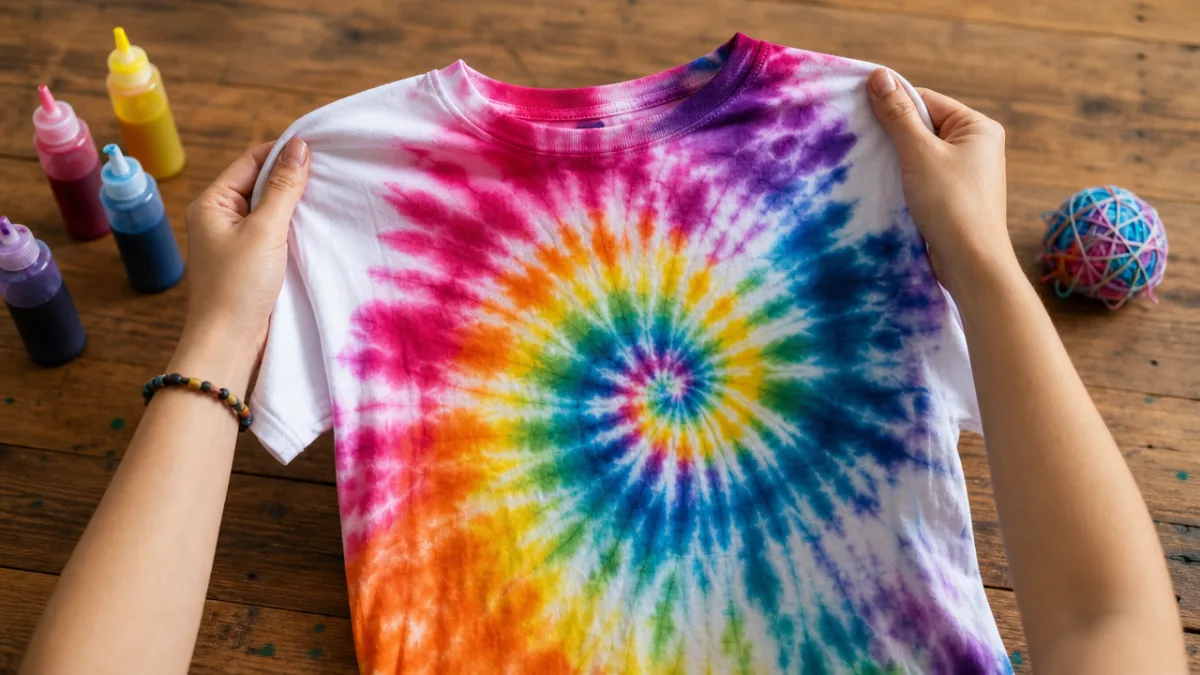
Dyeing is one of the most transformative no-sew techniques out there. A faded or stained garment that seems beyond saving can often be completely revived with a pot of fabric dye, a bucket of warm water, and about an hour of your time. Tie-dye, dip-dye, and ombre techniques have all had major fashion revivals in recent years, so a hand-dyed old shirt or dress can end up looking genuinely current. If you want to go deeper, techniques like ice dyeing, shibori (a Japanese resist-dyeing method using folding and binding), and bundle dyeing with natural botanicals produce stunning, one-of-a-kind results that no two people will ever replicate exactly.
Fabric paint and surface embellishment open up another whole avenue of no-sew transformation. Stenciling with masking tape and a sponge brush, block printing with carved erasers or cut vegetables, screen printing at home, and freehand painting with fabric markers can all dramatically change how a garment looks without a single stitch. Iron-on vinyl, heat-transfer paper you print at home, and iron-on embroidered patches are even quicker options — just an iron and a few minutes stand between you and a completely new-looking piece.
Upcycling for the Home: Turning Clothes Into Decor and Furnishings
Not every recycled garment needs to end up back in your wardrobe. Some of the most creative upcycling projects involve turning old clothes into home decor and functional furnishings that add character, texture, and a sense of personal history to your space. This approach is particularly freeing because you don’t have to worry about fit or wearability at all — it’s purely about color, texture, and what you want to make.
Old flannel shirts, soft sweaters, and cotton bedsheets make wonderful raw material for throw pillow covers, cushion inserts, and simple lap quilts or blankets. A flannel shirt cut open, flattened, and sewn into a pillow cover keeps all the softness of the original while creating something new and useful. Buttons, collars, and pocket details can be left in place as decorative features on the finished piece, giving it a handcrafted, storied quality that mass-produced home goods simply can’t match.
Old jeans and heavy cotton clothing can be turned into sturdy organizational pieces for the home — wall-hung pocket organizers, fabric storage baskets, plant pot covers, and hanging herb gardens. A row of denim pockets cut from old jeans and mounted on a piece of reclaimed wood makes a charming, practical wall organizer for a kid’s room, craft space, or home office. Braided rag rugs made from strips of old clothing are another classic project with a long history behind them, producing a genuinely beautiful, durable, and completely one-of-a-kind floor covering from materials that would otherwise be thrown away.
Building a Sustainable Wardrobe Through Swap, Share, and Repair
Individual upcycling projects are great, but building a truly sustainable relationship with clothing goes a bit further than that. It means rethinking how you acquire, share, and maintain the things in your wardrobe over time. The most environmentally sound garment is always the one that already exists — worn, repaired, passed on, and worn again rather than discarded and replaced. Once that mindset clicks, sustainability stops feeling like a series of occasional craft projects and starts becoming just how you do things.
Clothing swaps — whether organized formally in your community or informally among friends — are one of the most enjoyable ways to refresh your wardrobe without creating any new demand for manufacturing. A clothing swap party, a local swap event, or even just an informal exchange arrangement with friends of similar sizes creates a rotating pool of garments that extends the useful life of every piece involved. Online platforms dedicated to clothing swaps and second-hand sales take this even further, connecting garments with people who will actually wear and appreciate them.
Learning basic repair skills — sewing on a button, darning a small hole, replacing a broken zip, reinforcing a worn seam — might honestly be the single most powerful thing any individual can do to shrink their clothing-related environmental footprint. A repaired garment is a garment saved from landfill, often for years more of useful life. Many communities now host “repair cafés” or mending circles where people bring broken things and fix them together, sharing skills and tools in a social, supportive setting. Whether you learn from a friend, a YouTube video, or a community workshop, knowing how to repair your own clothes is an investment that pays off for the rest of your life.








What do you think?
It is nice to know your opinion. Leave a comment.