










Arbor Trellis Design Plans: A Complete Guide to Building Beautiful Garden Structures
Understanding Arbor Trellis Structures and Their Garden Role
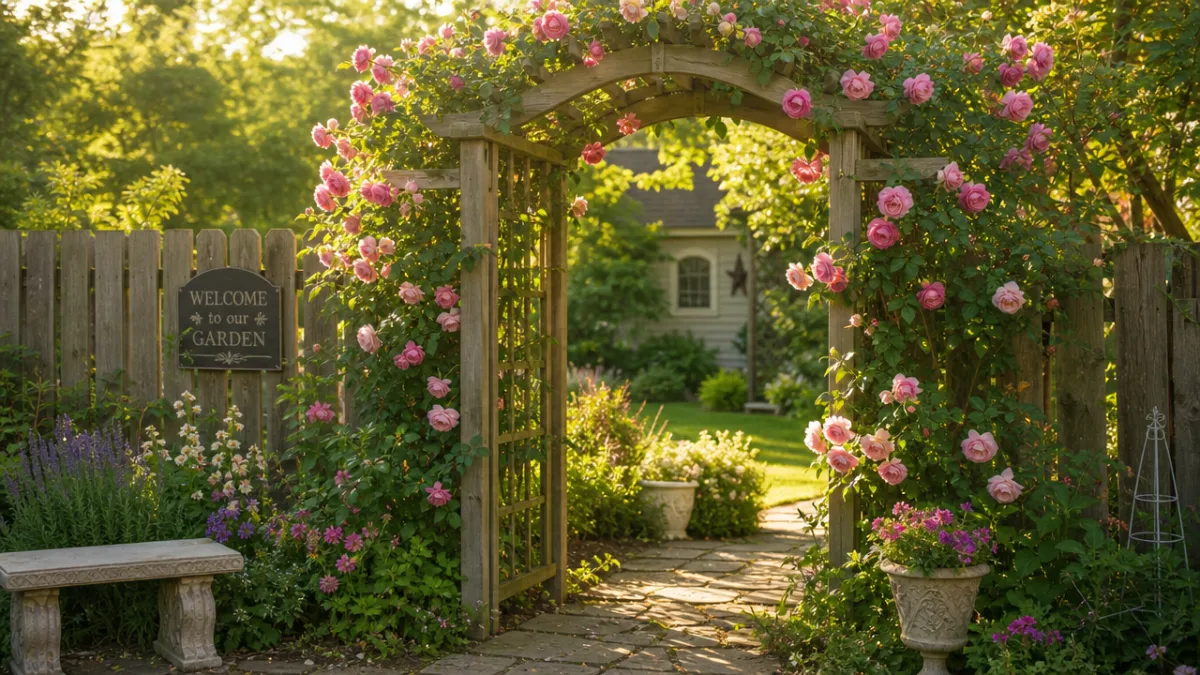
An arbor trellis is one of the most versatile and visually striking structures you can introduce into a garden landscape. Combining the vertical framework of a trellis with the overhead coverage of an arbor, these hybrid structures serve as living gateways, shaded retreats, and architectural focal points all at once. Whether you are looking to define a garden path, frame a garden entrance, or simply create a romantic corner where climbing plants can flourish, an arbor trellis delivers on every front with remarkable elegance and practicality.
The history of arbor trellis construction stretches back centuries, with roots in formal European garden design where trained vines and climbing roses were guided along wooden and iron frameworks to create dramatic outdoor rooms. Today, the same principles guide modern garden designers and dedicated DIY enthusiasts who want to add structure and vertical interest to their outdoor spaces. Thanks to the growing availability of detailed design plans — including downloadable templates sold through platforms like Etsy — building your own arbor trellis has never been more accessible, even for those with modest woodworking experience.
What makes arbor trellis structures so enduringly popular is their ability to blend functionality with beauty. On a purely practical level, they provide support for climbing plants such as wisteria, clematis, honeysuckle, and climbing roses, all of which benefit enormously from a sturdy framework to cling to and grow upward. On an aesthetic level, even a bare arbor trellis creates a compelling visual statement in a garden, drawing the eye upward and creating a sense of depth and dimension that flat planting beds simply cannot achieve on their own.
Choosing the Right Design Plan for Your Space
Before committing to any specific arbor trellis design, it is essential to assess your outdoor space carefully and think about how the structure will interact with the existing landscape. Consider the scale of your garden — a grand, cathedral-style arbor with sweeping lattice panels might look stunning in a large country garden but could overwhelm a compact urban backyard. Conversely, a modest lean-to trellis arbor might feel underwhelming and lost in a sprawling property. Taking careful measurements and sketching out your space to scale before purchasing design plans will save you time, money, and frustration later in the process.
Design plans available through Etsy and similar creative marketplaces come in a wide variety of styles, ranging from simple rustic pergola-style arbors made from rough-cut lumber to more refined craftsman designs featuring decorative finials, arched tops, and intricate lattice patterns. Many sellers offer digital downloads that include full material lists, cutting diagrams, step-by-step assembly instructions, and even suggestions for plant pairings that complement the structure. When evaluating plans, look for those that include clear dimensioned drawings from multiple angles, as these will be invaluable once you begin cutting timber and assembling components.
The choice between a freestanding arbor trellis and one that attaches to an existing wall or fence is another important early decision. Freestanding structures require secure post anchoring, usually through ground stakes, concrete footings, or metal post bases, and must be built to withstand wind and the eventual weight of mature climbing plants. Wall-mounted or fence-attached trellis arbors are generally simpler to build and anchor but require that the supporting wall or fence is structurally sound and capable of bearing additional load. Both approaches have their merits, and a good design plan will address anchoring and load considerations explicitly.
Materials and Tools Required for Construction
Selecting the right materials for your arbor trellis is arguably the most important decision in the entire building process, as material choice directly affects durability, maintenance requirements, and the overall visual character of the finished structure. Cedar and redwood are perennial favorites among garden builders for very good reasons — both species are naturally resistant to rot, insects, and moisture, meaning they hold up well through seasonal changes without requiring heavy chemical treatment. While these woods carry a higher upfront cost than pressure-treated pine, their longevity and natural beauty often make them the more economical choice over the full lifespan of the structure.
Pressure-treated lumber is another widely used option, particularly for the posts and any components that will be in direct contact with soil or close to ground level where moisture exposure is highest. Modern pressure treatments have largely moved away from the older arsenic-based formulas, making current pressure-treated lumber safer for garden use around edible plants and general family spaces. However, it is worth noting that pressure-treated wood can have a greenish tint when fresh and may warp slightly as it dries, so allowing posts and boards to acclimate before cutting and assembly is always a sensible precaution.
Beyond the lumber itself, a well-stocked toolkit will be essential for smooth progress on your arbor trellis build. The following items represent the core toolkit that most design plans will require:
- Circular saw or miter saw for clean, accurate crosscuts and angle cuts on rafters and decorative elements
- Drill and a comprehensive set of drill bits, including long auger bits for pilot holes in thick post stock
- Post hole digger or auger bit for power drill if setting posts in concrete footings
- Level, both a standard spirit level and a long straightedge level, to ensure plumb posts and level crossbeams
- Clamps in various sizes to hold pieces in position during assembly before fasteners are driven
- Galvanized or stainless steel screws, bolts, and structural connectors rated for outdoor use
- Sandpaper or orbital sander for smoothing cut edges and preparing surfaces for finishing
- Exterior wood stain, paint, or sealant appropriate for the wood species you have chosen
Hardware selection deserves particular attention because substandard fasteners are one of the most common reasons that garden structures fail prematurely. Standard interior screws and brackets will corrode rapidly when exposed to outdoor moisture, and the resulting rust stains can damage the wood around the fastener points while the weakened metal compromises the structural integrity of the joints. Always invest in fasteners rated for exterior exposure, and when in doubt, choose stainless steel over galvanized, as stainless offers superior corrosion resistance in coastal or high-humidity environments.
Step-by-Step Construction Process
With your design plans in hand and materials gathered, the construction process typically begins with laying out and setting the posts, which form the foundational skeleton of the entire arbor trellis. Mark your post locations precisely according to the plan dimensions, then excavate holes to a depth that accounts for both frost heave in colder climates and the structural demands of the finished structure — a general rule of thumb is to bury one third of the total post length, so a ten-foot post would typically be set three feet below ground. Mix and pour concrete around each post, checking for plumb on two perpendicular axes as you work, and allow adequate curing time before placing any load on the posts.
Once the posts are set and cured, the construction proceeds upward through a logical sequence that mirrors the structural hierarchy of the arbor trellis itself. The horizontal beams or header boards that span between the posts at the top are typically the next major components to install, followed by any side trellis panels, decorative lattice infill, and finally the overhead rafter or purlin elements that define the roof profile of the arbor. Working systematically from the bottom up ensures that each component can be properly measured, fitted, and secured before the next layer is added, reducing the risk of cumulative alignment errors that become increasingly difficult to correct once the structure is nearing completion.
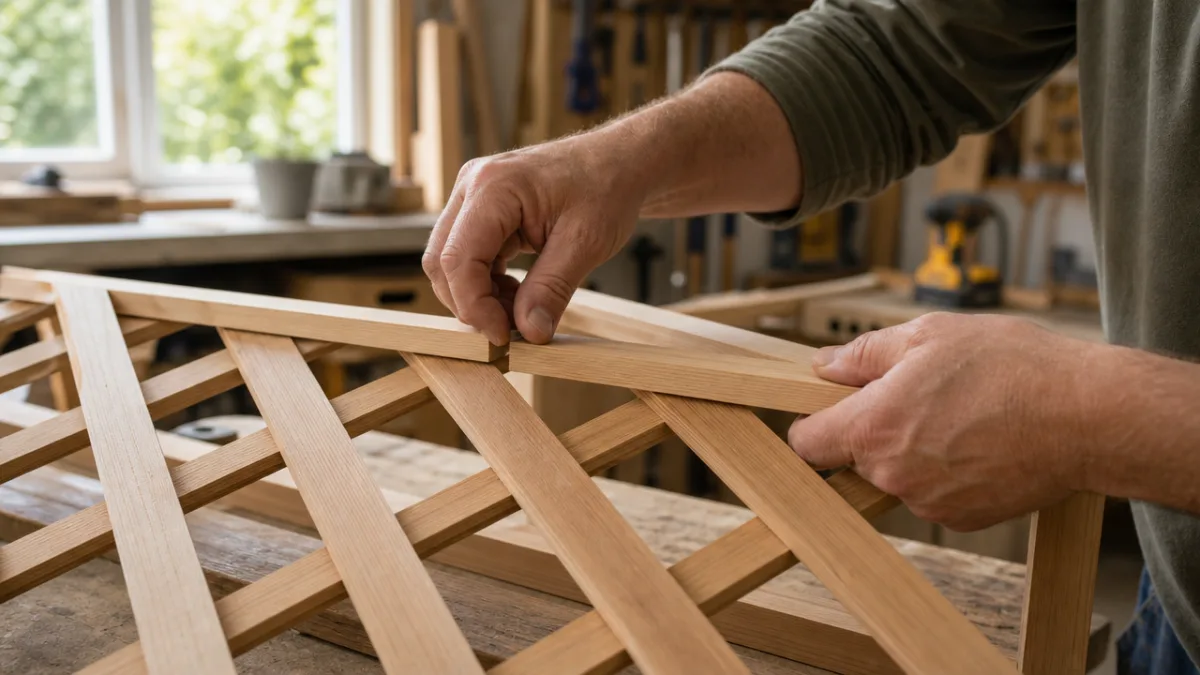
Cutting decorative profiles on visible elements such as the ends of beams, the tops of posts, and the edges of lattice frames transforms a utilitarian structure into a genuine garden feature. Many arbor trellis design plans include templates for these decorative cuts, which can be as simple as a clean 45-degree chamfer or as elaborate as a scrolling ogee curve cut with a jigsaw. Even modest decorative detailing adds considerable visual refinement and demonstrates the care and craftsmanship that went into the build. After all major components are assembled, final sanding, filling of any gaps or imperfections with exterior-grade wood filler, and application of your chosen finish will seal the wood and set the visual tone for the structure going forward.
Training Climbing Plants on Your Arbor Trellis
A freshly built arbor trellis is a beautiful thing in its own right, but the true transformation comes when climbing plants begin to weave themselves through the framework and bring the structure to life with color, texture, fragrance, and seasonal change. Choosing the right plants for your specific arbor trellis involves considering several factors simultaneously: the climate and hardiness zone of your garden, the weight and vigor of the mature plant, the amount of sunlight the structure receives, and the visual effect you are hoping to achieve across different seasons. Taking time to research plant options thoroughly before planting will pay dividends for years to come.
Among the most popular climbing plants for arbor trellis structures, a few stand out for their reliable performance and spectacular visual impact. Climbing roses remain perennial favorites, offering everything from delicate single blooms to lush double flowers in colors ranging from pure white through soft pink to deep crimson, many with the added bonus of intoxicating fragrance. Wisteria is another classic choice, producing dramatic cascades of purple or white blooms in late spring that can stop passers-by in their tracks — though gardeners should be aware that mature wisteria is extremely vigorous and heavy, requiring a very robustly built structure to support it safely over the long term.
The technique of training climbing plants correctly from the earliest stages of growth makes a significant difference to how evenly and attractively the plant fills the trellis over time. Rather than allowing young shoots to climb randomly, gardeners who achieve the most impressive results tie new growth horizontally or at gentle diagonal angles rather than straight up, a technique that encourages the plant to produce more lateral flowering shoots along the full length of each stem. The following climbing plant varieties offer excellent results on arbor trellis structures across a range of garden conditions:
- Clematis — available in hundreds of varieties covering spring through autumn bloom times, with minimal weight on the structure
- Honeysuckle — vigorous, sweetly fragrant, and attractive to pollinators including bees and hummingbirds
- Climbing hydrangea — a slower starter but ultimately magnificent, tolerating shadier positions where other climbers struggle
- Passionflower — exotic-looking blooms with remarkable structural detail, surprisingly cold-hardy in many temperate climates
- Jasmine — intensely fragrant, especially in the evening, and covered in delicate white or yellow star-shaped flowers
Maintenance, Longevity, and Design Variations
The long-term enjoyment of an arbor trellis depends heavily on a consistent maintenance routine that addresses both the wooden structure itself and the plants growing on it. On the structural side, an annual inspection is highly recommended, ideally in early spring before climbing plants have put on significant new growth and while the framework is still relatively accessible. During this inspection, check all joints and connection points for signs of loosening, look for any areas where moisture has penetrated the finish and begun to discolor or soften the wood, and assess whether any fasteners have corroded to the point where they should be replaced. Catching small issues early prevents them from developing into significant structural problems.
Re-applying wood finish every two to three years, or sooner if the surface shows signs of weathering such as graying, cracking, or peeling, is one of the most cost-effective maintenance steps you can take to extend the lifespan of your arbor trellis dramatically. The timing of this task is important — choose a period of dry weather with moderate temperatures and low humidity for best adhesion and penetration of the new finish coat. Lightly sanding the existing surface before applying fresh stain or sealant removes weathered fibers and opens the grain of the wood to accept the new finish more deeply and evenly, resulting in better protection and a more attractive final appearance.
For gardeners who love the concept of an arbor trellis but want to explore beyond the standard rectangular gateway style, the world of design variations is wonderfully rich and diverse. Circular or oval arbors create a more romantic, enclosed feeling and make particularly striking focal points at the center of a formal garden. Gothic-arched designs with pointed apex profiles bring a dramatic, almost architectural character to garden paths and entrances. Lean-to trellis arbors built against a sunny house wall create a sheltered microclimate ideal for growing slightly tender climbing plants that might struggle in more exposed positions. Whatever direction your design interests take you, the foundational construction principles remain essentially the same, meaning that mastering one arbor trellis build opens the door to tackling more ambitious and creative variations with confidence.

Finding and Evaluating Design Plans on Etsy and Beyond
The marketplace for arbor trellis design plans has expanded significantly in recent years, with Etsy emerging as a particularly rich resource for both standard and highly customized plan sets. What distinguishes the best sellers on the platform is a commitment to comprehensive documentation that goes beyond simple sketches to include fully dimensioned drawings, detailed material take-offs with quantities, and clear photographic or illustrated assembly sequences that guide even relatively inexperienced builders through the process with confidence. Reading seller reviews carefully and looking for feedback from buyers who have actually completed builds using the plans — rather than simply downloaded them — provides the most reliable indication of plan quality and completeness.
When comparing design plans from different sources, it is worth paying attention to the file formats included in the download package. PDF plans are universally accessible and can be printed at home or at a print shop in large format for easier reading at the workbench. Plans that also include CAD files or SketchUp models offer the additional flexibility of modifying dimensions to suit your specific space, which can be enormously valuable if your garden has unusual proportions or if you want to scale a design up or down from the original specifications. Some Etsy sellers also offer a custom design service where you can provide your dimensions and requirements and receive bespoke plans created specifically for your project, combining professional drafting expertise with the convenience and value of an online marketplace.
Beyond Etsy, a range of other resources exist for those seeking arbor trellis inspiration and technical guidance. Gardening magazines and their associated websites have published countless arbor and trellis projects over the years, many of which include free basic plans. University cooperative extension services in the United States publish practical garden structure guides tailored to regional conditions and locally available materials. Books dedicated to garden woodworking and outdoor structure construction offer deep technical grounding that complements the more project-specific guidance of downloadable plan sets. By combining resources from multiple sources, you build not just a single arbor trellis but a lasting body of knowledge and skill that enriches every subsequent garden project you undertake.








What do you think?
It is nice to know your opinion. Leave a comment.