










The Art of Spending Time Alone: A Guide to Embracing Solitude
Understanding Solitude and Why It Matters
We live in a world that treats constant connectivity like a virtue, so the idea of deliberately spending time alone can feel strange — even a little wrong. Notifications, social obligations, the endless scroll: there’s always something ready to fill a quiet moment before it even gets started. And yet solitude — real, chosen aloneness — might be one of the most restorative things you can give yourself. It’s something history’s greatest thinkers, artists, and leaders kept coming back to, not by accident, but on purpose.
Here’s a distinction worth sitting with: solitude is not the same as loneliness. Loneliness is that aching feeling of being cut off from people when you don’t want to be. Solitude is a choice — you’re stepping back from the social world so you can reconnect with yourself. When you choose to be alone, you’re not running away from anyone. You’re moving toward something: clarity, creativity, a better sense of who you actually are and what you actually want.
Psychology backs this up, and it’s not subtle. A 2017 study in the Personality and Social Psychology Bulletin found that people who were comfortable with solitude tended to score higher on wellbeing and showed lower stress levels. This isn’t some niche finding — it echoes what philosophers and spiritual traditions have been saying for centuries. Regular time alone isn’t a luxury or an introvert’s quirk. It’s a genuine building block of a mentally healthy life.
The Historical Tradition of Aloneness
The most influential minds throughout history didn’t stumble into solitude — they sought it out deliberately. Henry David Thoreau spent two years at Walden Pond, not because he disliked people, but because he wanted to understand what it really meant to live. Einstein took long solo walks to work through hard problems. Maya Angelou rented a hotel room just to write, leaving everything familiar behind so she could be alone with her thoughts. These weren’t eccentric habits. They were purposeful practices built on a clear-eyed understanding of what aloneness makes possible.
Spiritual traditions across the world have always known this too. Christian mystics retreated to deserts and monasteries. Buddhist monks spend extended periods in silent meditation. Indigenous vision quests send young people alone into the wilderness to find their direction. Across cultures and centuries, the message is remarkably consistent: if you want to understand the world more deeply, you have to be willing to sit quietly with yourself first and let what truly matters rise to the surface.
The Psychological Benefits of Time Alone
When you actually let yourself be alone — without immediately grabbing your phone or putting on a podcast — something interesting starts to happen. Your nervous system begins to settle. That low-grade vigilance that comes with being around other people, the constant monitoring of how you’re coming across, the subtle adjusting and performing, gradually loosens. And in that more relaxed state, your brain shifts into what neuroscientists call the default mode network: a reflective, creative processing mode that simply can’t switch on when you’re constantly responding to the outside world.
This mode isn’t just downtime. It’s when your brain consolidates memories, works through complicated emotions, and makes unexpected connections between ideas. It’s where your sense of self and your values actually get shaped. When you never give yourself solitude, you’re essentially blocking your brain from doing this maintenance work. A lot of people describe feeling emotionally cluttered or mentally foggy, and often the reason is simple: they never stop long enough to process what they’re carrying. Regular solitude is like clearing the cache — it restores clarity and gets things moving again.
Time alone also builds emotional intelligence in a very direct way. When you spend time with your own feelings without running from them, you get better at naming them — and that’s the foundation of emotional regulation. You learn to sit with discomfort instead of immediately escaping it. Psychologists call this interoceptive awareness: the ability to notice and make sense of your own internal signals. And here’s the thing — the more you develop this inward attunement, the more perceptive and empathetic you become with other people too. You start noticing the subtler emotional textures of a conversation, a room, a relationship.
Creativity and Mental Clarity
Some of the most significant creative breakthroughs in history didn’t come from collaboration or group brainstorming — they came from someone sitting alone with their thoughts. When we’re with other people, we tend to smooth out our stranger ideas, pulling them toward what’s socially acceptable. Alone, we can follow a thought wherever it actually leads, without worrying how it sounds. That’s where genuine originality lives — in those unguarded moments when no one is watching and the inner critic finally shuts up long enough for something new to get through.
Writers, painters, composers, scientists — they all point to solitude as the place where their best work gets incubated. This isn’t because creativity is antisocial. It’s because the creative process has phases, and some of them genuinely require withdrawal. You take in inspiration from the world, then you pull back to let it transform into something new. Skipping that retreat and staying in constant social mode is like trying to bake bread without letting the dough rise. You can go through all the other steps, but you won’t get what you’re after.
Practical Ways to Incorporate Solitude Into Your Daily Life
You don’t need a cabin in the woods or a month-long meditation retreat to feel the benefits of solitude. This is something you can weave into an ordinary day with modest, intentional changes. The key is treating alone time like any other commitment that matters — not something that happens when everyone else is busy, but something you actually plan and protect. That shift in intention makes a bigger difference than you might expect.
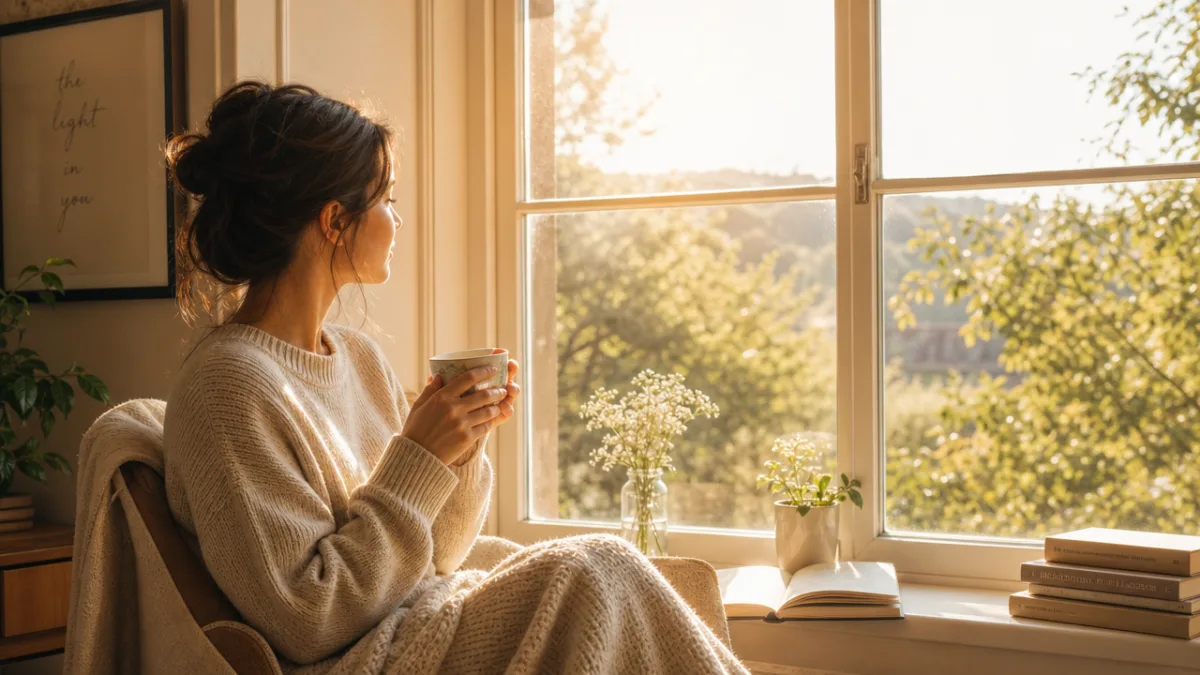
Morning is one of the most powerful times to claim for yourself. Before the day’s demands kick in, before emails and messages and other people’s needs start pulling at you, there’s a window of quiet that’s entirely yours. People who build an intentional morning practice — whether that’s journaling, meditating, a slow walk, or just sitting with coffee in silence — often describe it as the single most impactful thing they do for their mental clarity and emotional steadiness. Even twenty minutes of uninterrupted alone time first thing can completely change the tone of the hours that follow.
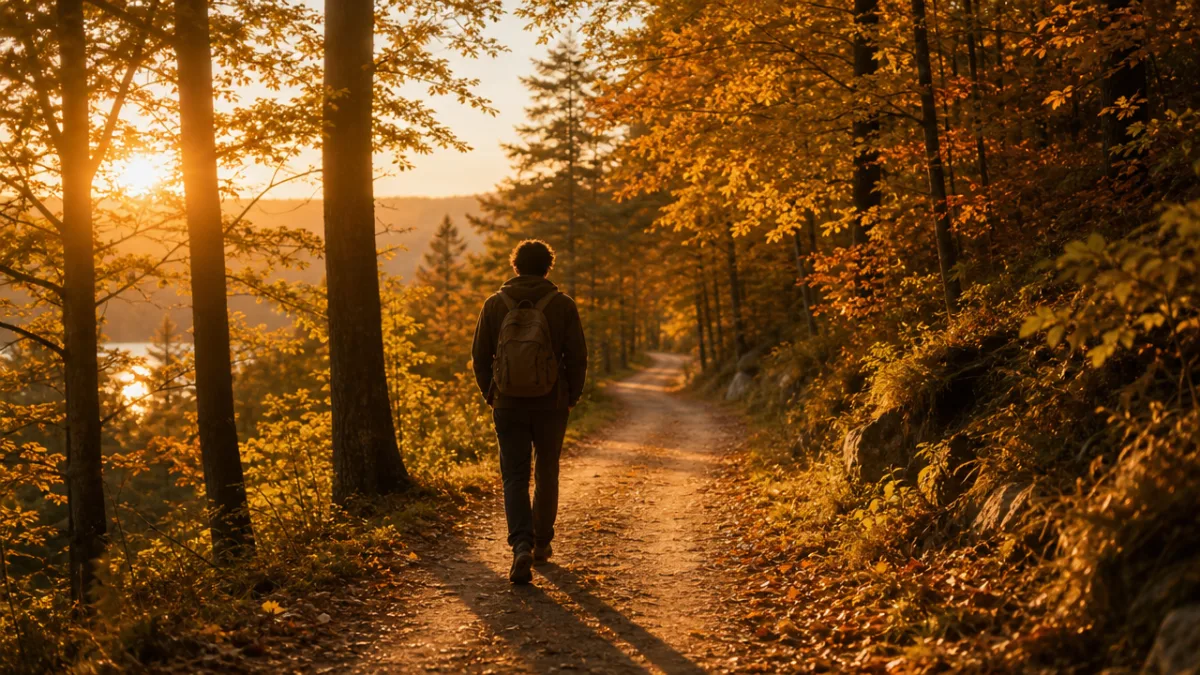
Solitary walks are another genuinely powerful practice, and they’re accessible to almost everyone. Walking alone, especially somewhere with some nature in it, combines light movement with sensory engagement and the welcome absence of social performance. You’re not managing a conversation or being mindful of someone else’s pace. You’re just moving through the world on your own terms, noticing what catches your attention, letting your thoughts wander without any agenda. Research consistently shows that walking in nature lowers cortisol and improves mood — and those effects get stronger when you do it alone.
Creating a Personal Sanctuary
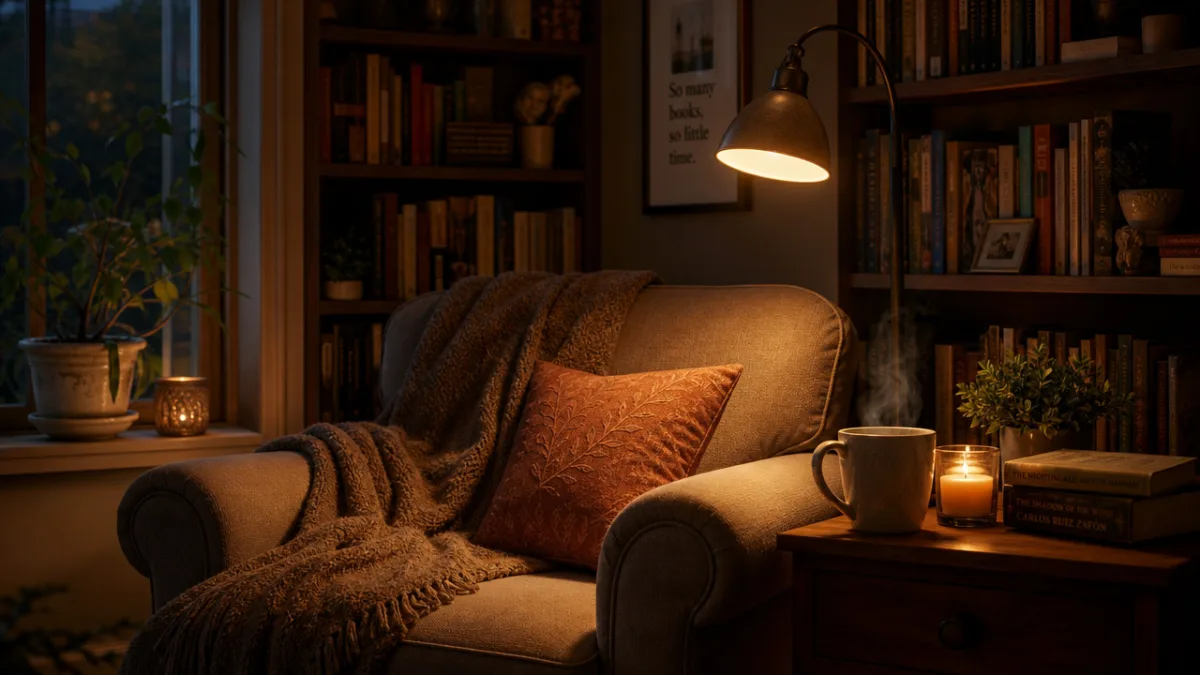
One of the most meaningful things you can do to support a regular solitude practice is to claim a physical space that you associate specifically with being alone with yourself. It doesn’t need to be elaborate — a particular chair by a window, a corner of your bedroom with a journal and a candle, a bench in a nearby park, or a local library where you go without your laptop. What matters is that you return to it consistently. Doing that trains your nervous system to shift into a more reflective, inward mode when you arrive there.
Ideally, your sanctuary is free from the things you associate with productivity and social obligation. Leave your phone in another room, or at least turn off notifications. Try not to use the space for work or media. Over time, this spot becomes psychologically charged — simply walking into it starts to produce the mental shift you’re looking for. Think of it as a physical anchor for your inner life: a place where the version of you that exists beneath all the roles and responsibilities actually gets to show up.
Overcoming the Fear and Discomfort of Being Alone
For a lot of people, the prospect of spending time alone is genuinely uncomfortable — sometimes anxiety-inducing. That’s worth taking seriously rather than brushing off. We live in a culture that has built an entire infrastructure around avoiding aloneness: social media, streaming, always-on messaging, open-plan offices designed to keep us buzzing. The discomfort people feel when that infrastructure disappears is real. It’s not weakness. It’s what happens when you’ve been conditioned to need constant external stimulation and validation.
The discomfort of solitude often comes from the fact that when we’re alone with ourselves, we come face to face with the things we’ve been avoiding — unresolved feelings, uncomfortable truths, questions we’re not sure we want to answer. Distraction is a remarkably effective short-term escape from all of that. But the avoided stuff doesn’t dissolve. It accumulates. It resurfaces as irritability, anxiety, that nagging sense that something is off. In that light, learning to tolerate solitude isn’t just a self-improvement practice — it’s a kind of emotional courage, and it’s the foundation of genuine self-knowledge.
The way through is gradual exposure, paired with self-compassion. Start with ten or fifteen minutes and simply notice what comes up, without trying to fix it or push it away. Bring the same gentle curiosity to your inner experience that you’d bring to an unfamiliar landscape you’re exploring for the first time. Over time, the anxiety tends to ease. What once felt uncomfortable starts to feel like coming home. Many people who used to dread being alone find that solitude eventually becomes not just tolerable but genuinely nourishing — something they actively look forward to and protect.
Solitude Versus Isolation: Knowing the Difference
It’s worth being clear about the difference between healthy solitude and unhealthy isolation, because they can look similar from the outside. Healthy solitude is chosen, temporary, and renewing — you come out of it feeling more connected to yourself and, as a result, more capable of genuine connection with others. Unhealthy isolation tends to be driven by fear, shame, or depression, and rather than repairing disconnection, it deepens it. If spending time alone consistently leaves you feeling worse — more anxious, more withdrawn — it might be worth exploring that pattern with a therapist or someone you trust.
The signs that your solitude is working include a real sense of agency and choice, the ability to return to social life feeling refreshed rather than depleted, and a growing familiarity with your own inner landscape. You start to notice clearer opinions forming, stronger creative impulses, a better sense of what you actually need and value. These are the fruits of genuine solitude — evidence that you’ve been doing real inner work rather than simply hiding from the world. Solitude at its best is preparation for deeper engagement with life, not a retreat from it.
The Long-Term Rewards of a Solitude Practice
People who spend years building a consistent solitude practice tend to develop a quality that’s hard to put a name to but easy to recognize: a kind of settled self-possession. Because they check in with themselves regularly, they’re rarely blindsided by their own reactions. They know what they value, what depletes them, what makes them come alive. They make decisions with confidence because they’re not looking to the crowd to tell them who they are. That’s not arrogance — it’s the natural outcome of having genuinely invested in knowing yourself.
Relationships tend to improve too, which might seem paradoxical but actually makes a lot of sense. Most relationship friction comes from unmet needs, fuzzy communication, and the unconscious habit of projecting our unresolved inner stuff onto the people closest to us. When you regularly process your inner experience in solitude, you bring less of that unprocessed material into your relationships. You can listen without immediately reacting. You can express your needs more clearly. You can offer the people in your life real presence — not the distracted, half-there attention that passes for connection so much of the time.
And maybe most profoundly, a sustained solitude practice tends to cultivate a quiet but durable sense that you are enough — just as you are. In a culture that profits enormously from making you feel incomplete, that’s a genuinely radical thing to develop. When you know how to be comfortable alone with yourself, you become less susceptible to approval-seeking, less rattled by social comparison, and more capable of making choices that actually reflect your values rather than other people’s expectations. You become, in the truest sense, more yourself.
Building a Lifelong Relationship With Yourself
At its core, spending time alone is the practice of building a relationship with yourself — and like any relationship worth having, it asks for time, patience, honesty, and a willingness to show up even when it’s hard. You are, after all, the one person you’ll be with for your entire life. Every other relationship will have its seasons of closeness and distance, its changes and its endings. But you’ll always be there with yourself, and the quality of that inner companionship touches everything else.
Think of your relationship with yourself as deserving the same care and intentionality you’d bring to your most important relationships with others. Schedule time for it. Show up consistently. Stay curious rather than judgmental about what you find. Celebrate the moments of insight, and sit with the difficult ones as kindly as you can. Over time, you may discover that the person waiting for you in solitude is more interesting, more resilient, and more capable of joy than you’d given them credit for. That discovery — quiet, personal, entirely your own — is one of the real gifts solitude offers.
- Start small: Even ten to fifteen minutes of intentional alone time each day is a meaningful start. Build from there as it begins to feel more natural.
- Leave your phone behind: A device that’s always pulling you outward undermines even the best solitude practice. Try to carve out at least one phone-free solo window each day.
- Journal your experience: Writing about what comes up during alone time helps the insights land and makes them easier to carry into daily life.
- Embrace boredom: The urge to fill every quiet moment with entertainment is worth resisting. Boredom is often the doorway to real creativity and self-discovery.
- Be patient with discomfort: Unease during solitude isn’t a sign that something is wrong — it often means something important is surfacing. Try meeting it with curiosity instead of avoidance.
Solitude isn’t a destination you reach and then have forever. It’s a practice, a discipline, an ongoing conversation with yourself that deepens over a lifetime. Every time you choose to step away from the noise and be quietly, honestly present with yourself, you’re making a statement about what you value. In those unhurried hours of aloneness, something essential in you finally gets a chance to speak — and the more you listen, the clearer and more confident that voice becomes.








What do you think?
It is nice to know your opinion. Leave a comment.