










The Art of Calm: Minimalist Yoga Illustrations, Lotus Pose, and the Ritual of Scented Candles
The Philosophy Behind Minimalist Yoga Art
Minimalism in art is more than just a style — it’s really a way of seeing the world. When you bring that lens to yoga illustration, something interesting happens: all the visual clutter falls away, and what’s left is only what truly matters. The curve of a spine. The stillness of folded hands. The quiet geometry of a body completely at rest. A minimalist yoga illustration doesn’t try to capture everything — it captures the right things. And in doing that, the art ends up mirroring the practice itself.
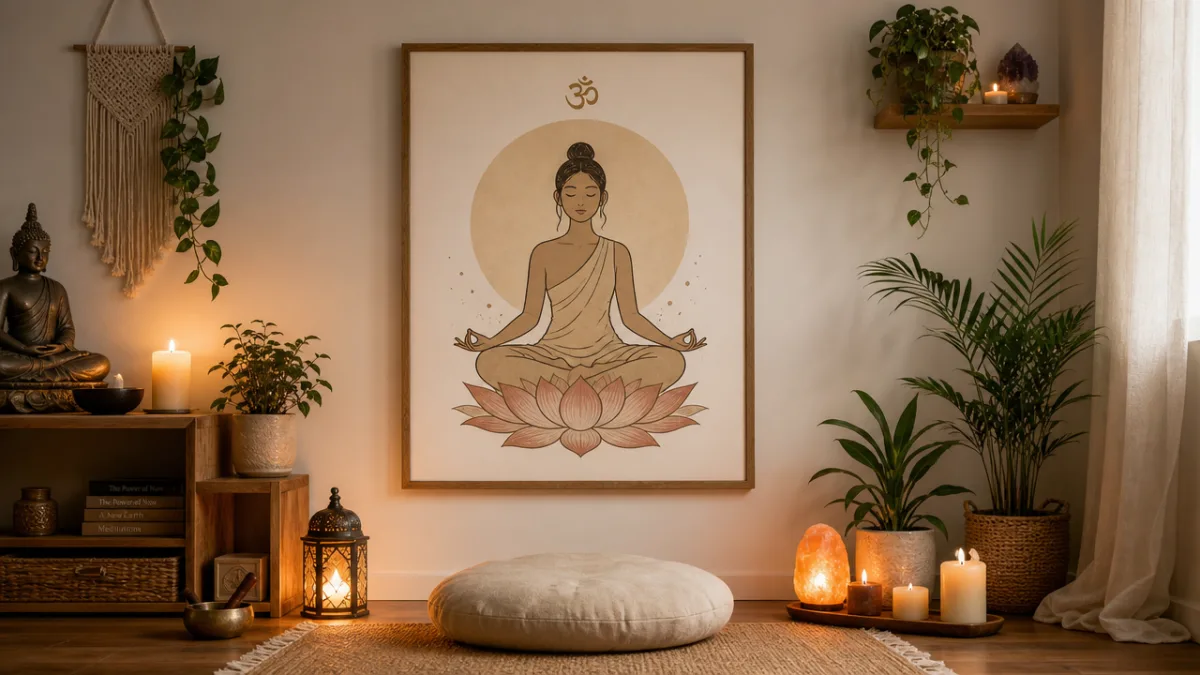
The lotus pose — Padmasana — has been one of yoga’s most recognizable images for centuries. That cross-legged symmetry, the hands resting open on the knees, the spine rising tall from a grounded base: it all translates beautifully into clean, spare linework. A good illustrator can capture everything essential about this posture with just a few deliberate strokes — the depth of practice, the inner stillness, the sense of spiritual alignment — without needing to pile on detail or color to get the point across.
What I find particularly powerful about minimalist yoga illustration is how accessible it is. You don’t have to be a yoga practitioner to feel something when you look at it. That visual language of simplicity speaks across cultures and backgrounds, pulling the viewer into a brief moment of pause. Pair that with the warm glow of a scented candle, and the image becomes part of something bigger — a ritual that grounds you in the present through sight, scent, and the gentle dance of light.
Line, Form, and the Language of the Body
Illustrators who work in the minimalist tradition often talk about the discipline of leaving things out. Every single line has to justify its place on the page. With the lotus pose specifically, the challenge is honoring the physical reality of the posture while allowing enough abstraction that the image reaches beyond any one individual. The figure becomes a kind of archetype — not a particular person, but an idea of stillness and inward presence that anyone looking at it can step into imaginatively.
Color in these illustrations tends toward the muted and restrained: soft sage greens, dusty terracottas, warm creams, or a single bold silhouette against a clean white background. These palettes suit the meditative subject matter, and they’re also just very easy to live with. Whether you hang this kind of art in a home yoga studio, a bedroom corner where you do your morning practice, or a living room wall you want to feel a little more intentional — it holds its mood quietly but consistently.
The connection between visual simplicity and how we feel psychologically is actually well understood in design. Uncluttered compositions lower cognitive load — they give your brain permission to slow down and shift out of its default busy-signal mode into something more open and receptive. That’s a big part of why minimalist yoga art has become such a popular choice for people building thoughtful home environments. It doesn’t just sit on the wall. It actively shapes the atmosphere of the room, nudging it toward rest and reflection.
Understanding the Lotus Pose: Symbol, Practice, and Meaning
The lotus flower grows up through murky water and breaks the surface completely unblemished. That journey from darkness into light is why it’s become one of the most enduring symbols across Hindu, Buddhist, and yogic traditions — representing purity, spiritual awakening, and the transformative potential that lives inside every human being. Padmasana takes its name directly from that symbolism, and sitting in the posture is understood by practitioners as a kind of embodied agreement with those deeper truths.
Physically, the lotus pose is a seated cross-legged position where each foot rests on the opposite thigh, creating a stable, grounded base that lets the spine rise naturally. It asks for open hips, flexible knees, and the kind of patience that is itself a reflection of what yoga is really about. Many students spend months — sometimes years — working toward the full expression of the pose. And most of them will tell you the journey taught them more than the destination. The body, like the lotus, opens on its own schedule.
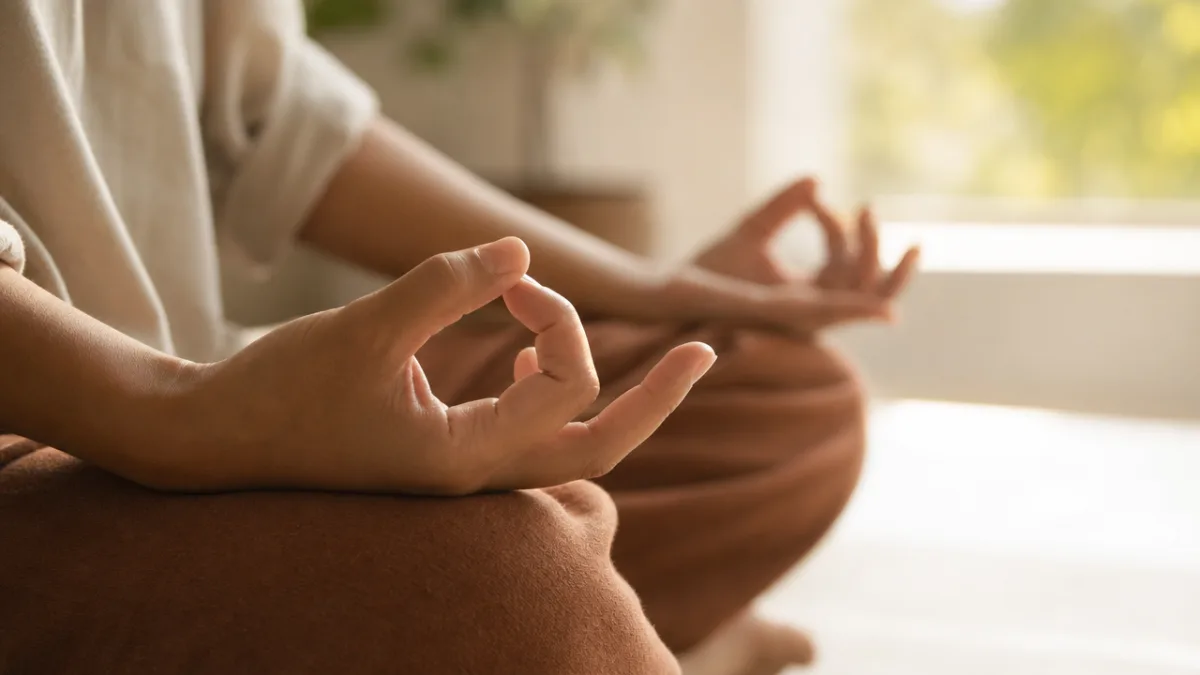
In meditation, the lotus pose is valued above all for its stability. That locked leg position creates a foundation you can stay in for a long time without the restless shifting you get with less grounded seated positions. The hands rest in mudra — a gesture — with palms open and receptive, or with the tips of thumb and index finger touching in the classic Gyan mudra, which symbolizes the union of individual and universal consciousness. These details might get reduced to the barest suggestion in an illustration, but for anyone who recognizes them, they carry a lot of weight.
The Lotus Across Cultures and Traditions
Padmasana is most closely associated with Hindu and Buddhist traditions, but the cross-legged seated posture actually turns up in ancient artifacts from cultures all over the world. Figurines from Indus Valley Civilization sites — over four thousand years old — appear to show figures in meditative positions that look remarkably like the lotus or its preparatory variations. Which suggests that the human impulse to sit still, turn inward, and find solid ground for contemplation is about as old as recorded history gets.
In Buddhist iconography, deities and enlightened teachers are depicted seated on lotus thrones, representing their transcendence of worldly suffering and their rootedness in wisdom. That visual tradition became so established over centuries that even now, when an illustrator draws a figure in lotus pose, the image carries echoes of it. People who buy yoga-themed art are often drawn to those associations — consciously or not — with a sense that they’re participating in something larger than personal taste or a passing interior design trend.
Contemporary wellness culture has adopted the lotus pose as a kind of shorthand for the whole project of mindful living. It shows up on yoga mats, meditation app icons, wellness brand logos, and decorative objects of all kinds. The image functions as a signal — to guests in your home, but maybe more importantly to yourself — that this is a space where stillness is valued, where your interior life matters, and where the daily rituals of attention and care are taken seriously.
The Science and Pleasure of Scented Candles
Scented candles as part of a wellness or spiritual practice go back a long way, but their popularity in contemporary culture has reached a genuinely striking level. The global market is worth billions annually, and there are real reasons for that beyond simple home fragrance. Candles create atmosphere in a way almost nothing else can. The warm, flickering light softens a room. The scent engages the limbic system — the brain’s emotional and memory center. And the act of lighting one functions as a kind of ritual threshold, marking a shift from one mode of being to another.
Neurologically, scent is the most direct of all our senses in its connection to memory and emotion. Unlike sight or sound, olfactory information travels straight to the limbic system without passing through the thalamus first — which is why a particular fragrance can trigger vivid emotional memories almost before you’ve consciously registered smelling it. Candle makers working with yoga and meditation in mind typically reach for ingredients with a track record of supporting calm and focus: lavender for relaxation, sandalwood for grounding, eucalyptus for clarity, frankincense for its long association with ceremonial and contemplative practice.
The ritual dimension of candle lighting might actually be its most underappreciated quality. When you light a candle before sitting down to meditate or roll out your mat, you’re doing something deliberate — clearing the space, signaling to your nervous system that something intentional is about to begin. Habit formation research supports this kind of sensory and behavioral cueing strongly, showing that pairing a desired behavior with consistent environmental triggers makes that behavior far more likely to stick over time. The candle, in that context, isn’t decorative. It’s doing real work.
Choosing the Right Scent for Your Practice
Picking a scent for a yoga or meditation candle is a personal process, but experienced practitioners and aromatherapists do tend to agree on some general principles. For practices oriented toward relaxation and stress relief — restorative yoga, Yin, or seated meditation — warm, soft scents tend to work best. Lavender, chamomile, vanilla, and light musks create an atmosphere of ease and safety, inviting the body to release and the mind to settle in.
For more energizing or focused practices — morning Vinyasa, breathwork, focused visualization — sharper, cleaner scents are usually the better choice. Peppermint, lemon, rosemary, and green tea fragrances promote alertness and mental clarity, helping you fully engage with the more active or demanding parts of your practice. Some people keep a rotating selection of candles specifically for this reason, using different scents to cue different types of practice time — essentially using fragrance as a kind of scheduling system for the nervous system.
Ingredient quality matters too, both for your health and for how good the scent actually is. Natural wax candles — soy, coconut, or beeswax — tend to burn cleaner and carry fragrance more accurately than paraffin. Candles scented with essential oils or high-quality fragrance blends fill a room more subtly and pleasantly than those built around synthetic compounds. When the candle is part of a wellness ritual, the quality of what’s in it is really just an extension of the care you’re already bringing to the practice itself.
Custom and Print-on-Demand Art: Making Wellness Personal
One of the most meaningful shifts in how people decorate their homes in recent years has been the rise of custom and print-on-demand products. Platforms like Zazzle have made it possible for independent designers and artists to put their work on a remarkable range of objects — canvas prints, ceramic mugs, custom candles — without the overhead of traditional retail. For buyers, that means access to art that feels genuinely chosen rather than mass-produced. Something that carries personal meaning in a way store-shelf alternatives rarely manage.
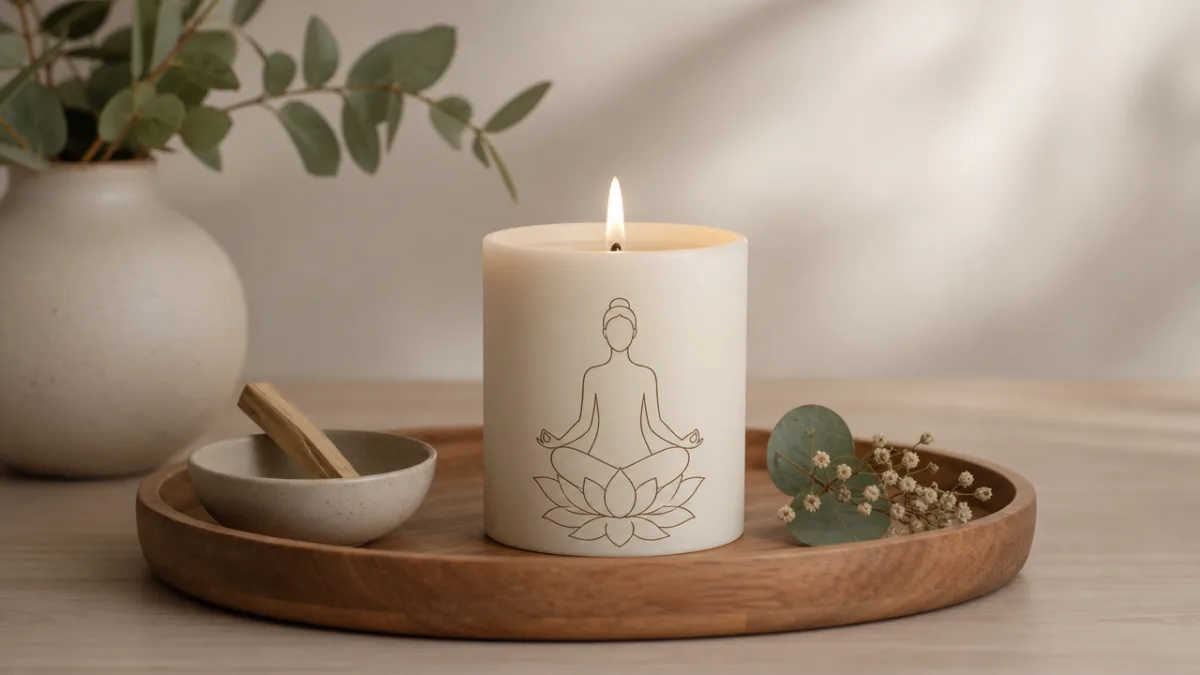
A minimalist yoga instructor lotus pose illustration on a scented candle is a perfect example of what this technology makes possible. The image carries the visual vocabulary of the practice — the pose, the clean lines, the quiet authority of a figure grounded in stillness — while the candle format transforms it into something multisensory and ritualistic. You’re not just looking at the image. You’re lighting it, watching the wax warm around it, breathing the scent that rises as you settle into your practice. The object becomes a participant in the ritual itself.
Custom wellness products also make genuinely thoughtful gifts. For a yoga teacher, a candle bearing a lotus pose illustration connects directly to their vocation and their values. For a friend just starting a meditation practice, it offers both a practical tool and a symbolic vote of confidence. And for yourself — choosing art or a ritual object that reflects your own aspirations is a quiet but real form of self-authorship. A way of saying, through the things you surround yourself with, what you intend to cultivate in your daily life.
Design Considerations for Wellness-Themed Products
When you’re evaluating or creating minimalist yoga-themed products, a few design principles tend to separate the genuinely elegant from the merely trendy. Scale is huge: a lotus figure illustration that’s too small on a candle surface loses its impact, while one that’s too large starts to feel busy. The sweet spot lets the image breathe within its space — enough surrounding room that the eye can rest and the composition reads as intentional rather than crowded.
When typography is included, it should complement the illustration rather than compete with it. Clean sans-serif fonts in weights that echo the delicacy of the linework tend to harmonize best with minimalist yoga imagery. A studio name, a short phrase, or even just the name of the pose in Sanskrit can add a layer of meaning without disrupting the visual quiet that gives this style its power. Overloading a candle label or art print with text is probably the most common mistake in wellness product design.
And the relationship between the illustration and the physical object it lives on matters more than buyers often initially realize. A candle wrapped in a yoga illustration should look just as beautiful sitting unlit on a shelf as it does in use. The print quality, the label material, the finish — matte tends to read as more sophisticated and meditative than glossy in this context — all of it contributes to whether the object feels like a considered piece of wellness design or just a commodity with a spiritual veneer. In these choices, quality is always worth the attention.
Building a Personal Wellness Sanctuary at Home
The idea of a home wellness sanctuary has shifted from aspirational lifestyle content to something genuinely widespread, as more and more people have recognized the value of having a dedicated physical space that supports mental and emotional health. And it doesn’t need to be large or expensive. A bedroom corner, a cleared section of living room floor, even a well-arranged windowsill can function as a sanctuary if it’s thoughtfully put together and consistently used. The power isn’t in the square footage — it’s in the intention behind it.
Meaningful objects are central to creating sanctuary spaces that actually do what you want them to do. When you surround yourself with things that carry personal resonance — a yoga illustration that speaks to your practice, a candle whose scent has become associated with your meditation sessions, a cushion in a color that genuinely feels calming to you — you’re using environmental psychology to your advantage. These objects communicate to your subconscious that this corner of the house is different. Different rules here. The ordinary pressures of the day have a little less grip in this particular spot.
The ritual of setting up your space before practice is itself a form of practice. Lighting your lotus pose candle, straightening your mat, resting your hands in your lap for a moment before you begin — these small preparatory acts aren’t wasted time. They’re the transition ritual that helps your nervous system shift from the activated state of daily demands into the rest-and-restore state where yoga and meditation are most fruitful. Investing in beautiful, meaningful objects for this ritual isn’t indulgence. It’s intelligent design for the life you’re trying to build.
Curating a Collection That Grows With Your Practice
A wellness sanctuary, like a yoga practice, isn’t built overnight. It evolves gradually, as your sense of what actually supports you deepens and as you encounter objects and images that genuinely resonate. Many longtime practitioners describe their home practice spaces as living collections — things added thoughtfully, occasionally removed, rearranged as the seasons or the practice shifts. The space becomes a kind of ongoing self-portrait, reflecting back your values and what you’re working toward.
When building this kind of collection, it helps to think in sensory layers. Visual anchor points — a wall print, a statue, a candle label illustration — provide the foundation. Tactile elements add depth: the weave of a wool blanket, the smoothness of a meditation mala, the satisfying weight of a ceramic bowl. Scent and sound complete the picture, drawing the whole nervous system into the space. A scented candle that combines beautiful visual design with a thoughtfully composed fragrance is doing work on multiple sensory levels at once, which makes it one of the most efficient tools available to anyone building a sanctuary space.
The objects we choose to live with are never really neutral. They carry meaning, create atmosphere, and shape behavior in ways both subtle and profound. A minimalist lotus pose illustration on a scented candle is a small thing — but small things accumulate into the texture of a life. When that life includes regular moments of stillness, of intentional breath, of turning inward — and when the objects around those moments are chosen with care — the simple act of lighting a candle before stepping onto your mat becomes something quietly extraordinary: a daily renewal of the commitment to living with presence and purpose.








What do you think?
It is nice to know your opinion. Leave a comment.