










Essential Oils Cleaning Spray: The Complete Guide to Natural, Toxin-Free Home Cleaning
Why Essential Oils Belong in Your Cleaning Routine
For decades, conventional cleaning products have dominated household routines, promising sparkling surfaces and germ-free kitchens. But hidden within those brightly colored bottles lies a cocktail of synthetic fragrances, harsh surfactants, and chemical compounds that can irritate the respiratory system, sensitize skin, and linger in the air long after the cleaning is done. More and more homemakers, parents, and health-conscious individuals are asking a simple but powerful question: what if there was a better way to keep a home clean without compromising the health of the people living in it?
Essential oils have been used for thousands of years across cultures for their medicinal, aromatic, and antimicrobial properties. Ancient Egyptians used aromatic plant extracts for preservation and healing. Medieval herbalists relied on thyme, rosemary, and lavender to ward off illness. Today, modern science is catching up with what traditional wisdom long understood: many essential oils contain potent compounds that actively fight bacteria, viruses, mold, and mildew. When incorporated into a DIY cleaning spray, these oils offer a genuinely effective, naturally derived alternative to store-bought products.
The beauty of an essential oil cleaning spray extends well beyond its cleaning power. Unlike commercial cleaners that often come packaged in single-use plastic with complex disposal requirements, a homemade essential oil spray is endlessly refillable, customizable, and made from ingredients you can actually pronounce. Whether you are drawn to the fresh brightness of lemon, the herbaceous clarity of tea tree, or the calming depth of eucalyptus, every bottle you make becomes a small act of intentional living. The transition to natural cleaning is not just about what you are removing from your home — it is about what you are choosing to bring into it.
Understanding the Science Behind Essential Oil Antimicrobial Properties
Skeptics often wonder whether plant-based essential oils can truly compete with chemical disinfectants on a scientific level. The answer, supported by a growing body of peer-reviewed research, is more nuanced and encouraging than many expect. Essential oils are complex mixtures of volatile organic compounds — primarily terpenes, phenols, aldehydes, and alcohols — that interact with microbial cell membranes in ways that disrupt their integrity and function. Tea tree oil, for example, contains terpinen-4-ol, a compound shown in multiple laboratory studies to demonstrate broad-spectrum antimicrobial activity against bacteria including E. coli and Staphylococcus aureus.
Lemon essential oil brings more to a cleaning spray than its iconic fresh scent. Its high concentration of limonene, a naturally occurring terpene, has demonstrated antifungal and antibacterial properties in research settings. Eucalyptus oil contains 1,8-cineole, which has been studied for its ability to inhibit the growth of respiratory pathogens and surface bacteria alike. Lavender, often thought of purely as a relaxation aid, also contains linalool and linalyl acetate — compounds that have shown measurable activity against common household bacteria including those responsible for kitchen and bathroom contamination.
It is important to maintain honest expectations when using essential oil-based cleaners. While research confirms genuine antimicrobial properties, these sprays are best understood as effective everyday cleaners for general surface hygiene rather than hospital-grade disinfectants. For routine wiping down of countertops, appliances, sinks, and non-porous surfaces, an essential oil cleaning spray performs admirably. In households with immunocompromised members during illness, supplementing with a registered disinfectant for high-contact surfaces makes sense. For the vast majority of daily cleaning tasks in a healthy home, however, essential oil sprays are more than capable of keeping surfaces clean and your living environment smelling beautifully fresh.
Choosing the Right Essential Oils for Your Cleaning Spray
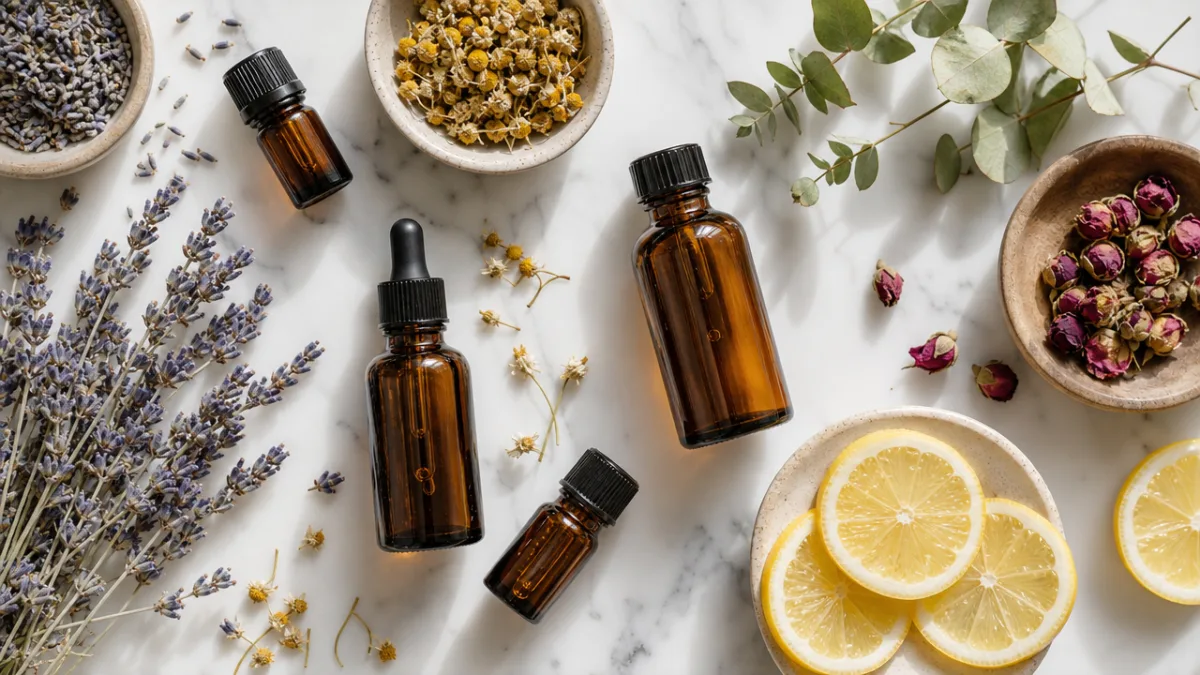
Not all essential oils are created equal when it comes to cleaning applications, and choosing the right combination makes a meaningful difference in both effectiveness and scent profile. The most researched and widely recommended essential oils for cleaning fall into a few reliable categories: citrus oils for their degreasing and brightening qualities, herbaceous oils for their antimicrobial potency, and floral or woodsy oils that round out the fragrance while contributing their own gentle cleansing properties. Starting with a few well-chosen oils rather than an overwhelming collection is the most practical approach for beginners.
Tea tree oil consistently earns its place as the cornerstone of natural cleaning blends. Distilled from the leaves of Melaleuca alternifolia, a tree native to Australia, tea tree oil has one of the most extensive bodies of research supporting its antimicrobial claims. Its scent is medicinal and sharp, which some people love and others find overpowering, making it an ideal base to balance with complementary oils. Lemon and wild orange essential oils bring a cheerful, uplifting citrus note while contributing their own degreasing power — citrus oils are particularly effective at cutting through kitchen grime, grease residue, and food odors.
For those who want to build a more sophisticated blend, consider these highly effective essential oils for cleaning purposes:
- Tea Tree (Melaleuca): Broad-spectrum antimicrobial, antifungal, excellent for bathrooms and kitchens where mold or bacteria are concerns.
- Lemon: Degreasing, antibacterial, brightening — ideal for kitchen surfaces, appliances, and cutting boards.
- Eucalyptus: Strong antimicrobial properties, cuts through grime, especially effective in bathrooms and on tile.
- Lavender: Gentle antibacterial with a calming floral scent, excellent for bedroom surfaces, fabric sprays, and general use.
- Peppermint: Naturally repels certain insects while adding a crisp, invigorating scent — great for kitchens and entryways.
- Rosemary: Antifungal and antibacterial, pairs beautifully with lemon for an herbaceous kitchen spray.
- Clove: One of the most potent antimicrobial essential oils available, use sparingly as it can be irritating in high concentrations.
Quality matters enormously when selecting essential oils for cleaning. Therapeutic-grade or food-grade essential oils sourced from reputable suppliers contain the full spectrum of active compounds that make them effective. Cheap fragrance oils sold in craft stores are not the same thing — they are synthetic scent compounds without the naturally occurring terpenes and phenols that give true essential oils their cleaning power. Look for oils that are labeled with the botanical name of the plant, the country of origin, and ideally a GC/MS (gas chromatography/mass spectrometry) test result confirming purity and potency.
Step-by-Step Recipes for Essential Oil Cleaning Sprays
Making your own essential oil cleaning spray requires very few ingredients and almost no time. The basic formula involves a liquid base — typically distilled water, white vinegar, or a combination of both — a small amount of rubbing alcohol or witch hazel to help the oils disperse and boost antimicrobial action, and your chosen essential oils. The entire process takes under five minutes and yields a spray bottle that can replace multiple commercial products from your cleaning cabinet. Once you have made your first batch, the process becomes instinctive and endlessly adaptable.
The most universally loved recipe is a citrus-tea tree all-purpose spray that works beautifully on kitchen counters, bathroom sinks, appliance surfaces, and most non-porous areas. The vinegar component cuts through grease and mineral deposits while naturally deodorizing, and the essential oils contribute both fragrance and germ-fighting potency. It is worth noting that vinegar-based sprays should not be used on natural stone surfaces like marble or granite, as the acidity can etch and dull the finish over time — a water and alcohol base works better for those surfaces.
Here are three well-tested recipes to get you started:
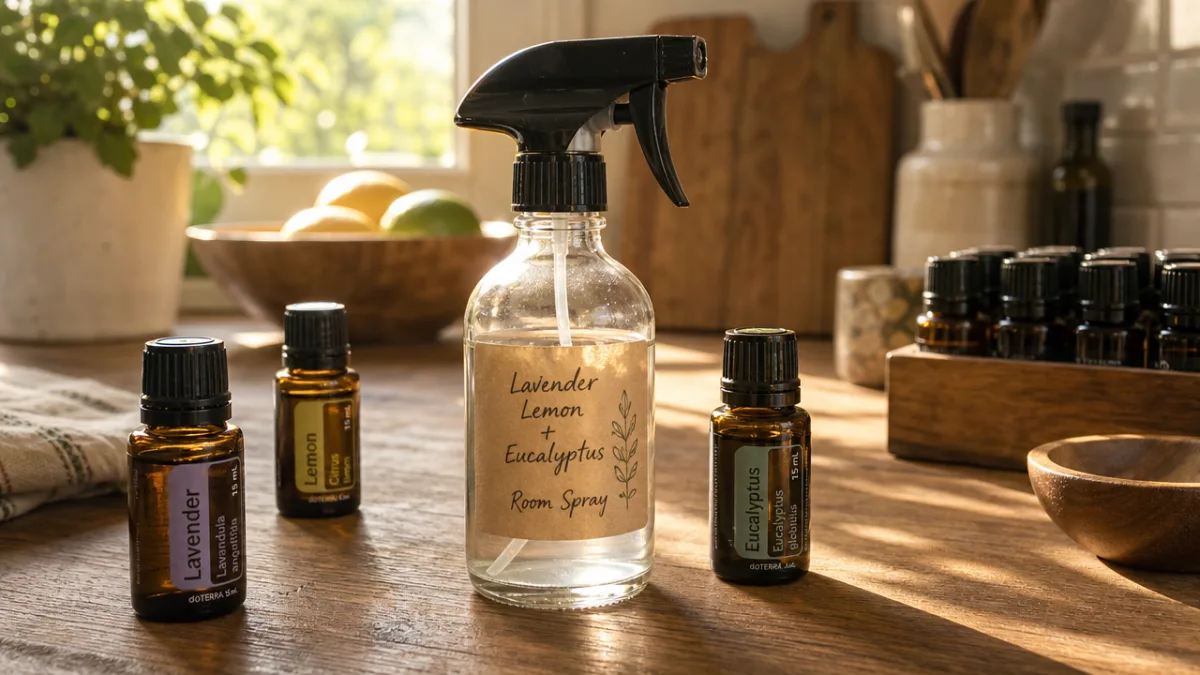
- All-Purpose Citrus Spray: In a 16-oz glass spray bottle, combine 1 cup distilled water, ½ cup white vinegar, 2 tablespoons rubbing alcohol (70%), 20 drops lemon essential oil, 15 drops tea tree oil, and 10 drops wild orange oil. Shake gently before each use.
- Bathroom Deep-Clean Spray: Combine 1 cup water, ½ cup hydrogen peroxide (3%), 15 drops eucalyptus oil, 15 drops tea tree oil, and 10 drops peppermint oil. Excellent for tile, grout, toilets, and shower walls.
- Gentle Everyday Spray (Stone-Safe): Combine 1½ cups distilled water, ¼ cup witch hazel, 20 drops lavender oil, 15 drops lemon oil, and 10 drops rosemary oil. Safe for sealed stone, wood, and delicate surfaces.
Storage and shelf life are practical considerations worth addressing from the start. Essential oils can degrade plastic over time, particularly citrus oils which are highly concentrated and reactive. Amber or cobalt blue glass spray bottles are the gold standard for these recipes — they protect the oils from UV degradation, resist chemical interaction, and look beautiful on a cleaning caddy or shelf. Most essential oil sprays maintain their potency for four to six weeks. If you add a preservative like a small amount of vitamin E oil, shelf life can extend slightly. Always label your bottles with contents and the date made, and store them in a cool, dark location away from direct sunlight.
Tips for Using Essential Oil Cleaning Sprays Effectively
Having a great recipe is only part of the equation — how you use your essential oil cleaning spray determines how well it actually performs. One of the most common mistakes people make when switching to natural cleaners is expecting them to work identically to chemical products, particularly in terms of contact time. Many commercial disinfectants work almost instantaneously because they contain aggressive chemical agents. Natural sprays benefit from slightly longer dwell time — spraying a surface and wiping immediately may not give the active compounds enough time to do their work. Spraying, allowing the solution to sit for 30 to 60 seconds, and then wiping produces noticeably better results.
Microfiber cloths are the natural cleaner’s best companion and dramatically improve the effectiveness of essential oil sprays. Unlike paper towels that simply push debris around or traditional cotton rags that can spread bacteria, microfiber cloths use a network of ultra-fine fibers to physically trap and lift pathogens, grease, and particulates from surfaces. Combined with your essential oil spray, a quality microfiber cloth creates a mechanical and chemical cleaning action that is genuinely hard to beat. Invest in a good set of microfiber cloths — separate colors for different rooms helps prevent cross-contamination between bathroom and kitchen use.
Here are some additional best practices for getting the most out of your essential oil cleaning sprays:
- Always shake the bottle before spraying, as essential oils and water naturally separate between uses.
- Do not mix essential oil sprays with commercial cleaners — some combinations can create unexpected reactions or cancel each other’s effectiveness.
- Test any new spray on a small, inconspicuous area before using it broadly on a new surface type, particularly with wood, painted surfaces, or vintage materials.
- Keep essential oils away from pets, particularly cats, who lack the liver enzymes to metabolize certain compounds — diffuse in ventilated spaces and avoid direct contact on fur or bedding.
- For heavy-duty cleaning jobs like baked-on grease or soap scum, consider pre-treating with a baking soda paste before spraying and wiping.
Consistency is what makes natural cleaning truly effective. Because essential oil sprays do not leave behind the synthetic residual antimicrobial agents found in some commercial products, maintaining clean surfaces relies on regular application rather than infrequent deep-cleaning marathons. A quick daily wipe-down of kitchen counters, the bathroom sink, and high-touch areas like light switches, door handles, and appliance buttons takes less than ten minutes and keeps microbial load dramatically lower than sporadic intensive cleaning. Building this habit is the real secret to a naturally clean home.
Sustainability, Cost Savings, and a Cleaner Future
One of the most compelling arguments for making the switch to essential oil cleaning sprays extends well beyond personal health — it reaches into the broader conversation about environmental sustainability and the true cost of our consumer habits. The conventional cleaning product industry generates an enormous volume of single-use plastic waste every year. Each bottle of all-purpose spray, bathroom cleaner, and glass cleaner in the typical home represents a petroleum-derived container that will outlast its useful contents by hundreds of years. When you transition to refillable glass bottles and concentrated essential oils, you step out of that cycle in a meaningful way.
The financial case for DIY essential oil cleaning sprays is equally persuasive when you examine the numbers honestly. A quality 15ml bottle of tea tree essential oil contains roughly 250 drops, and a typical spray recipe uses 30 to 40 drops per batch. That single bottle, combined with a few liters of distilled water and a large bottle of white vinegar costing just a few dollars, can supply your cleaning needs for many months. Compare that to the ongoing monthly expense of purchasing individual commercial cleaning products for the kitchen, bathroom, and general surfaces, and the savings become substantial over the course of a year. Initial investment in quality glass bottles and a small collection of oils pays for itself quickly.
There is something genuinely profound about the broader cultural shift that essential oil cleaning represents. When you choose to clean your kitchen counter with a spray you made yourself from lemon oil, tea tree, and vinegar, you are participating in a form of domestic knowledge-keeping that connects to centuries of human ingenuity. You know exactly what is in your spray. You know it is safe for your children and your pets. You know the empty bottle will not contribute to landfill waste. You know the ingredients were derived from plants rather than petrochemicals. Each small choice adds up to a home environment that reflects your values, and that kind of intentional living is one of the most quietly powerful things a person can do within the sphere of their own daily life.
Safety Considerations and Common Misconceptions
Essential oils are powerful, concentrated botanical extracts, and approaching them with appropriate respect and knowledge is the foundation of using them safely and effectively. One of the most persistent misconceptions in the natural living community is that “natural” automatically means “harmless in any quantity.” This is not accurate. Many essential oils are intensely concentrated — it takes an enormous quantity of plant material to produce just a small amount of oil, which means the active compounds are present at much higher levels than you would ever encounter in the whole plant. Proper dilution is not just a preference; it is a genuine safety practice.
For cleaning spray applications, the dilution ratios used in the recipes above are well within safe parameters for general household surfaces. However, direct skin contact with undiluted essential oils should be avoided, as many oils — particularly citrus oils, clove, cinnamon bark, and oregano — can cause skin irritation or sensitization with repeated exposure. Keep spray bottles out of reach of young children, not because the diluted spray is highly toxic, but because children are more sensitive to concentrated aromatic compounds and should not be exposed to direct misting on skin or near their faces. Good ventilation while cleaning is a sensible practice regardless of whether you are using natural or commercial products.
Pet safety deserves special mention for animal-loving households. Cats are particularly sensitive to many essential oils because they lack specific liver enzymes (glucuronyl transferases) needed to metabolize phenolic compounds found in oils like tea tree, eucalyptus, clove, and many citrus varieties. While the diluted concentrations in a cleaning spray are unlikely to cause acute toxicity, allowing a cat to walk across a freshly sprayed and still-wet surface and then groom their paws is a genuine concern. Allow surfaces to dry completely before allowing pets access, ensure cleaning areas are ventilated, and consult your veterinarian if you have concerns about specific oils and your pet’s breed or health status. Dogs are generally more tolerant but still benefit from the same precautions around strong oils like clove, pennyroyal, and wintergreen.
Finally, it is worth addressing the question of where essential oil cleaning sprays fit within the broader public health framework. During ordinary daily life in a healthy household, these sprays are excellent tools for maintaining surface hygiene and reducing microbial exposure to routine household bacteria and some viruses. They are not, however, registered disinfectants meeting EPA standards for killing specific pathogens at verified concentrations. If someone in your household has a suppressed immune system, if there has been direct contamination from raw meat or foodborne illness, or during active illness in the home, using an EPA-registered disinfectant for high-risk surfaces is the responsible choice alongside your essential oil sprays. Natural cleaning is not all-or-nothing — it is an intelligent, informed practice that knows when to call on different tools for different situations.








What do you think?
It is nice to know your opinion. Leave a comment.