










Professional Security: A Complete Guide to Burglar and Fire Alarm Systems
Understanding the Importance of Professional Security Systems
In today’s world, the safety of your home or business is no longer something that can be left to chance. Professional security systems, including burglar alarms and fire detection equipment, have become essential components of any responsible property management strategy. Whether you are protecting a family home, a retail space, or a large commercial facility, the right alarm system provides peace of mind that simply cannot be replicated by any other means. The stakes involved in leaving a property unprotected are simply too high to ignore in an era of rising incidents and increasingly sophisticated threats.
Professional-grade security systems differ significantly from the consumer-level alternatives available at hardware stores. They are designed, installed, and maintained by trained specialists who understand the nuances of perimeter protection, sensor placement, and alarm response protocols. These systems are built to withstand tampering, operate reliably under challenging conditions, and integrate seamlessly with monitoring services that can dispatch emergency responders at a moment’s notice. When you invest in professional security, you are investing in a layered approach that addresses vulnerabilities most property owners never even consider.
The financial case for professional security systems is equally compelling. Insurance providers consistently offer reduced premiums to properties equipped with certified alarm systems, recognizing that these installations dramatically reduce the likelihood of successful break-ins and the catastrophic losses associated with undetected fires. Over the lifetime of a system, these savings can offset a significant portion of the installation and monitoring costs, making professional security not just a safety measure but a genuinely sound financial decision that adds measurable value to any property.
Types of Burglar Alarm Systems: Choosing the Right Protection
The burglar alarm market offers a wide spectrum of solutions, and understanding the distinctions between them is the first step toward selecting the system that best fits your needs. At the most fundamental level, alarm systems can be divided into monitored and unmonitored configurations. A monitored system connects to a central station that receives alerts in real time and coordinates with local authorities, while an unmonitored system relies on audible sirens and visual deterrents to discourage intruders without dispatching a response. For most professional applications, monitored systems represent the gold standard of protection.
Within monitored systems, there is a further distinction between wired and wireless architectures. Wired systems, which run physical cabling between sensors and the control panel, are favored for their reliability and resistance to signal interference. They are particularly well-suited to new construction or major renovation projects where cabling can be integrated during the build phase. Wireless systems, by contrast, offer greater flexibility and faster installation times, making them an excellent choice for existing buildings where running new cables would be disruptive or cost-prohibitive. Modern wireless technology has closed most of the reliability gap that once made these systems a secondary choice.
Hybrid systems that combine wired and wireless components are increasingly common in professional installations, allowing engineers to take advantage of the strengths of each approach. Beyond the basic architecture, property owners must also consider the types of sensors that best suit their environment. Options include passive infrared motion detectors, door and window contact sensors, glass break detectors, vibration sensors, and dual-technology sensors that combine multiple detection methods to reduce false alarms. A professional security supplier will conduct a thorough site assessment to determine the optimal combination of sensors for each unique property.
- Passive infrared (PIR) motion detectors sense body heat and movement within a defined zone, offering reliable indoor perimeter coverage.
- Door and window contact sensors trigger an alarm whenever a protected entry point is opened during an armed period.
- Glass break detectors use acoustic technology to identify the specific sound frequency produced when glass is shattered.
- Dual-technology sensors combine PIR and microwave detection, requiring both triggers to activate, which significantly reduces nuisance alarms.
- Vibration sensors are particularly effective on safes, vaults, ATMs, and structural walls where drilling or cutting may be attempted.
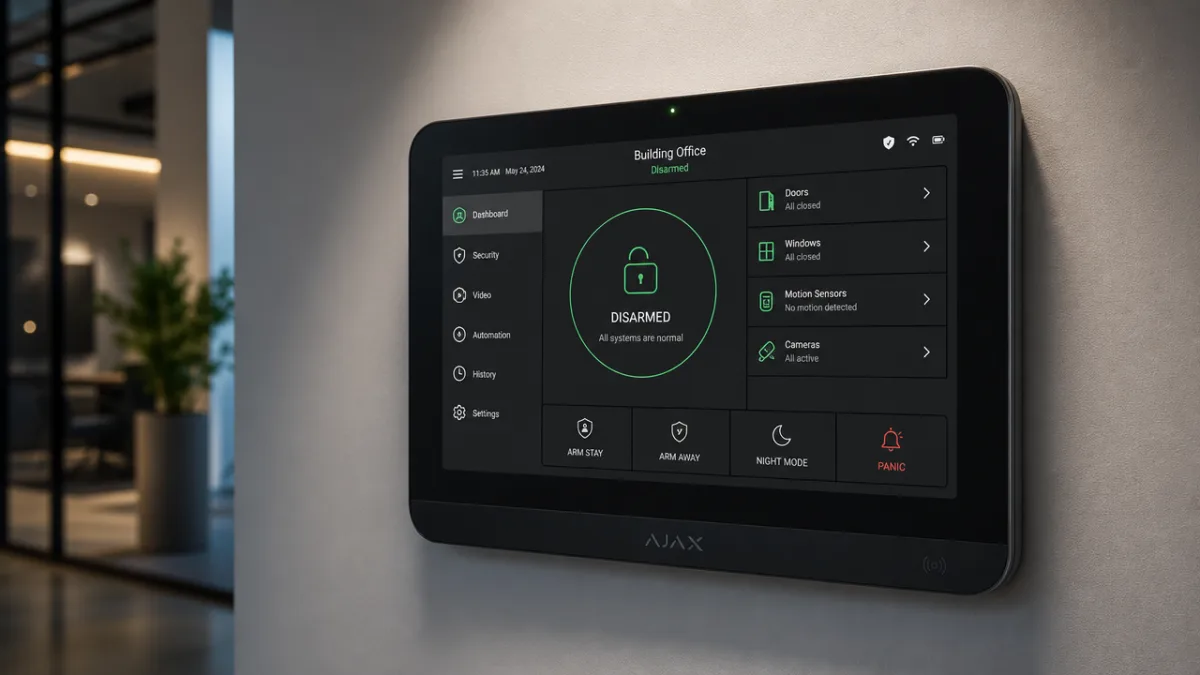
Fire Alarm Systems: Detection Technologies and Life Safety Standards
Fire alarm systems represent one of the most critical investments any property owner can make, as the consequences of an undetected fire can be catastrophic and irreversible within minutes. Modern fire detection technology has advanced dramatically beyond the basic smoke detectors familiar to most homeowners, encompassing sophisticated multi-sensor devices capable of distinguishing genuine fire conditions from the everyday steam, cooking smoke, or dust that so often triggers nuisance alarms. Understanding these technologies is essential to selecting a system that will perform reliably when lives and property are genuinely at risk.
The primary categories of fire detection technology include ionization smoke detectors, photoelectric smoke detectors, heat detectors, carbon monoxide sensors, and multi-sensor devices that combine several detection principles in a single unit. Ionization detectors respond rapidly to fast-flaming fires that produce smaller combustion particles, while photoelectric detectors are more effective at identifying the larger particles associated with slow-smoldering fires. Because different fire types are more likely in different environments, professional fire alarm suppliers assess each property to recommend the detector types and placements that provide the most comprehensive coverage for the specific risks present.
Addressable fire alarm systems, which are standard in commercial and industrial applications, take detection to another level entirely by assigning a unique identifier to every device on the network. When a detector triggers, the control panel immediately identifies not just that an alarm has occurred but precisely which device is responsible and therefore exactly where within a building the threat is located. This capability dramatically speeds up emergency response and evacuation procedures, allowing building managers and fire crews to act with precision rather than uncertainty. For any property with multiple zones, floors, or occupancy areas, an addressable system is the professional standard that should always be specified.
Compliance with fire safety regulations is non-negotiable for commercial properties, and professional suppliers are intimately familiar with the relevant standards that govern system design, installation, commissioning, and ongoing maintenance. These standards define minimum detection coverage, alarm audibility levels, emergency lighting integration requirements, and the frequency of routine testing and inspection. Working with a certified supplier ensures that your fire alarm system not only meets these mandatory requirements from day one but continues to do so throughout its operational life, protecting you from liability and ensuring your insurance coverage remains valid in the event of a claim.
The Role of a Professional Security Supplier: What to Expect
Selecting the right supplier is just as important as selecting the right technology, and the qualities that distinguish a professional supplier from a commodity vendor go far beyond the products they carry. A genuine professional security supplier brings deep technical expertise, a portfolio of certified engineers, and a service model built around the long-term performance of every system they install. The relationship should begin with a detailed site survey and risk assessment, during which the supplier evaluates your property’s specific vulnerabilities, existing infrastructure, occupancy patterns, and budget to develop a tailored security strategy rather than a one-size-fits-all package.
Installation quality is another area where professional suppliers demonstrate their value. Every sensor, cable run, control panel mounting, and power supply connection must be executed to manufacturer specifications and applicable installation codes to ensure system reliability. Poor installation not only compromises performance but can also void equipment warranties and, in the case of fire alarm systems, constitute a regulatory breach with serious legal consequences. Professional installers are trained, certified, and regularly assessed to ensure their work consistently meets the highest standards, and reputable suppliers will never cut corners on installation quality regardless of budget pressures.
Ongoing maintenance and technical support are perhaps the most underappreciated aspects of the supplier relationship, yet they are critical to ensuring that a security system performs as designed when it is actually needed. Professional suppliers offer structured maintenance contracts that include regular system testing, battery replacement schedules, software updates, and priority response to any faults or false alarm investigations. Many now also offer remote monitoring and diagnostics capabilities that allow engineers to identify and address developing issues before they result in system failures. Choosing a supplier with a robust aftercare program is a decision that pays dividends every day for the life of the system.
- Initial consultation and detailed site survey to identify risks and define system requirements.
- System design and specification, including equipment selection and placement planning.
- Professional installation by certified engineers following all applicable standards and manufacturer guidelines.
- System commissioning, testing, and handover training so that users understand how to operate and manage their system effectively.
- Ongoing maintenance contract covering routine inspections, testing, battery management, and emergency call-out response.
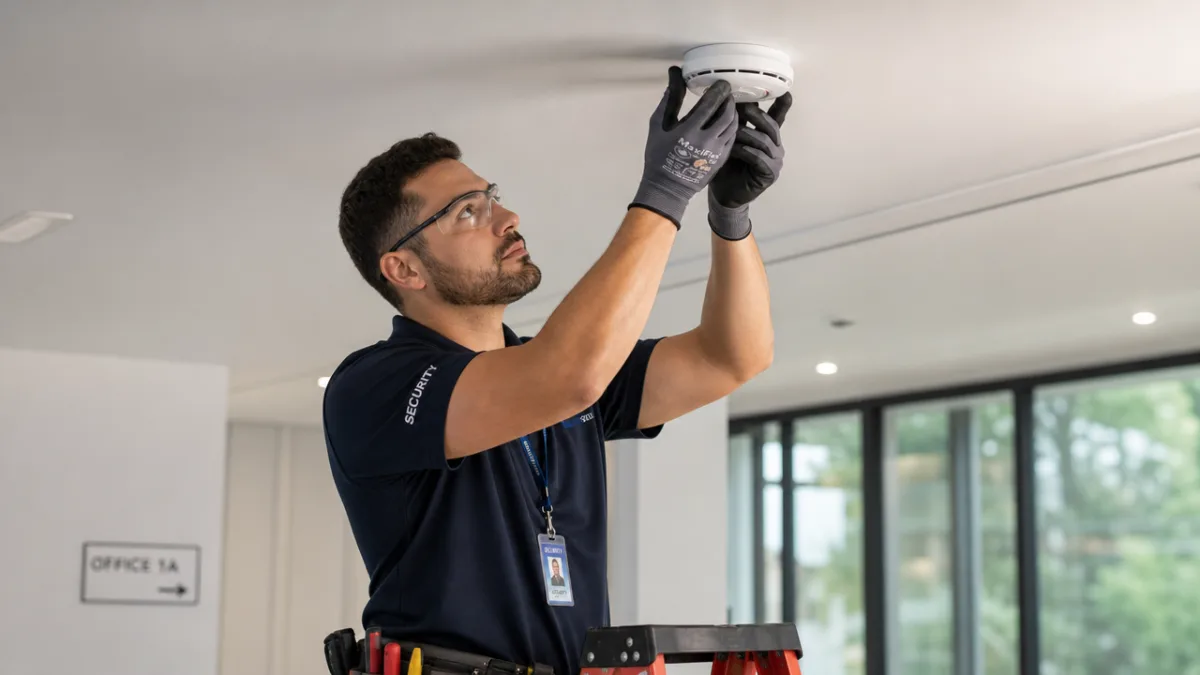
Integration and Smart Technology: The Future of Security Systems
The most significant development in professional security over recent years has been the convergence of burglar alarm, fire detection, access control, CCTV, and building management systems into unified, integrated platforms. Rather than operating as isolated silos that must each be managed separately, modern integrated security systems share data, trigger coordinated responses, and present everything through a single management interface. When a burglar alarm is triggered, the integrated system can simultaneously lock access control doors, activate CCTV recording, illuminate external lighting, and transmit an alert to the monitoring center — all within seconds and without any manual intervention.
Smart technology and cloud connectivity have further expanded the capabilities available to professional security users. Remote access via smartphone applications allows property owners and security managers to arm and disarm systems, review live and recorded camera footage, receive instant push notifications for any alert condition, and monitor system health from anywhere in the world with an internet connection. These capabilities are no longer the preserve of large enterprises with dedicated security teams; cloud-based platforms have made sophisticated remote management accessible and affordable for small businesses and residential properties alike, democratizing a level of control and visibility that was unimaginable just a decade ago.
Artificial intelligence and machine learning are beginning to transform the analytical capabilities of integrated security platforms in ways that promise to make professional systems even more effective in the coming years. AI-powered video analytics can distinguish between a person and a dog, identify loitering behavior, detect abandoned objects, and even recognize specific individuals from a watch list — all in real time and without constant human monitoring. In fire detection, AI algorithms are being applied to multi-sensor data streams to dramatically reduce false alarm rates while simultaneously improving the speed and accuracy of genuine fire detection. Professional suppliers at the forefront of these developments are already incorporating AI-enhanced components into new system designs.
Cost Considerations and Return on Investment for Security Systems
One of the most common barriers to investing in professional security systems is uncertainty about cost, and it is worth addressing this directly by breaking down the factors that influence pricing and the genuine returns that well-specified systems deliver. The total cost of a professional security installation includes equipment, labor, commissioning, and the ongoing costs of monitoring and maintenance contracts. Equipment costs vary enormously depending on the size and complexity of the property, the technology specified, and the level of integration required. A straightforward burglar alarm for a small retail unit might cost a fraction of what a fully integrated security platform for a multi-site commercial operation would require, but in both cases the investment should be evaluated against the risks it mitigates.
The return on investment calculation for professional security should account for several distinct categories of benefit. Direct financial benefits include reduced insurance premiums, which many providers calculate based on the type and certification level of installed systems, as well as the avoided costs of theft, vandalism, and fire damage. Indirect benefits include reduced operational disruption, the protection of irreplaceable assets and data, and the preservation of business continuity in the event of a security incident. For businesses that handle sensitive customer data or operate in regulated industries, the reputational and legal protection that a professional security infrastructure provides can dwarf all other considerations in terms of financial value.
Financing options available through professional security suppliers make high-quality systems accessible even to organizations working within tight capital budgets. Many suppliers offer lease or rental arrangements that convert the upfront capital cost of a system into a manageable monthly operating expense, often bundled with the monitoring and maintenance contract into a single predictable payment. This approach allows businesses to access the most appropriate technology for their needs rather than compromising on specification to stay within a capital budget, and it ensures that systems can be upgraded or expanded as needs evolve without the challenge of disposing of owned equipment. When evaluating proposals from professional suppliers, it is always worth asking about financing structures that might better align with your organization’s financial planning preferences.

Choosing a Certified and Reputable Security Alarm Supplier
The security industry is one where certification and accreditation carry genuine significance, and verifying a supplier’s credentials should be among the first steps in any procurement process. In many countries, national regulatory bodies set minimum standards for security system installers and require ongoing compliance as a condition of certification. These certifications typically cover technical competency, business practices, quality management systems, and financial stability. Engaging a certified supplier is not merely a formality; it is the most reliable assurance available that the company has been independently assessed and found to meet established professional standards across every aspect of its operations.
Beyond formal certification, the reputation of a security supplier can be assessed through a combination of customer references, case studies, online reviews, and the depth of the supplier’s track record in your specific sector. A supplier with extensive experience in retail security, for example, will bring sector-specific knowledge about the types of incidents most commonly encountered, the products that have proven most reliable in those environments, and the monitoring and response protocols that work best for retail operating patterns. This kind of contextual expertise adds real value over and above the technical capability to install a functioning system, and it is worth seeking out suppliers who can demonstrate genuine depth of experience in environments comparable to your own.
Transparency in pricing, contract terms, and ongoing obligations is another hallmark of a reputable professional supplier. Before signing any agreement, property owners and security managers should ensure they fully understand what is included in the installation price, what the monitoring contract covers and excludes, what notice period applies to termination, and what the process is for addressing system faults or performance issues. Reputable suppliers welcome these questions and provide clear, written answers because they understand that a well-informed customer is a satisfied customer. Any supplier that is evasive about contract terms or reluctant to provide detailed specifications in writing should be viewed with significant caution regardless of how competitive their pricing may appear on the surface.








What do you think?
It is nice to know your opinion. Leave a comment.