










Luxurious Home Office Decor: The Charm of Wooden Panels and Cozy, Warm Lighting
The Renaissance of the Home Office: Why Luxury Matters
The home office has undergone a profound transformation over the past several years, evolving from a purely functional afterthought tucked into a spare bedroom corner into a genuine sanctuary of productivity and personal expression. As remote and hybrid work arrangements have become normalized across nearly every professional sector, people are investing meaningfully in spaces that reflect their aspirations, taste, and identity. The home office is no longer just where work happens — it is where careers are built, ideas are born, and ambitions are nurtured.
Luxury, in the context of home office design, does not necessarily mean excessive spending or ostentatious display. Rather, it speaks to the quality of materials, the intentionality of design choices, and the emotional experience a space creates for the person who inhabits it daily. A luxurious home office whispers comfort and capability simultaneously. It greets you each morning with a sense of calm authority, signaling that this is a place where meaningful things happen — and that you are someone who takes both your work and your well-being seriously enough to invest in an environment worthy of both.
Wooden panels and warm lighting have emerged as two of the most powerful design tools in achieving this elevated aesthetic. Together, they create a visual language that is simultaneously timeless and contemporary, drawing on centuries of architectural tradition while feeling entirely fresh and personal. Whether you are designing a dedicated home office from scratch or refreshing an existing workspace, understanding how these elements work — individually and in concert — is the first step toward creating something truly extraordinary.
The Enduring Appeal of Wooden Wall Panels
Wood has served as humanity’s most intimate building material for millennia, and its psychological resonance runs remarkably deep. Numerous studies in environmental psychology have confirmed what designers and architects have long understood intuitively: the presence of natural wood in an interior space meaningfully reduces stress, lowers cortisol levels, and produces measurable improvements in mood and cognitive performance. In a home office context, where sustained mental effort and creative thinking are the primary activities, these effects are not merely pleasant — they are genuinely productivity-enhancing.
Wooden wall panels bring a dimension of warmth, texture, and visual depth to a home office that no painted wall surface can replicate. The grain patterns within wood are endlessly varied and organically complex, creating a visual richness that the eye finds genuinely restful rather than stimulating in an overstimulating way. Unlike busy wallpaper patterns or bold paint colors, wood grain provides interest without demanding attention, allowing your focus to remain on your work while the surrounding environment quietly supports your mental state. This balance between stimulation and calm is the hallmark of truly intelligent interior design.
The range of wood panel styles available today is extraordinary, offering options suited to virtually every aesthetic direction. Consider how different treatments can completely transform the feeling of a space:
- Vertical shiplap panels create a sense of height and formality, lending a refined, almost editorial quality to an office that suits creative professionals and executives alike.
- Horizontal tongue-and-groove planks extend the perceived width of a room, making them ideal for narrower spaces, and carry a relaxed, cabin-inspired warmth that encourages deep focus.
- Geometric paneling with raised molding adds architectural sophistication reminiscent of grand European studies and libraries, creating an impression of serious intellectual purpose.
- Full-wall veneer sheets in premium species like walnut, white oak, or cherry deliver a seamless, gallery-quality surface that pairs beautifully with modern furniture and minimal decor.
- Reclaimed wood panels introduce history, character, and sustainability into a space, with each plank carrying its own unique story and patina.
The finish applied to wooden panels is equally consequential in shaping the final aesthetic. A matte oil finish preserves the natural, raw quality of the wood, bringing out its true color and grain without adding reflective shine. Satin lacquers offer a middle ground — protection and slight sheen without feeling plastic or artificial. For a more dramatic, contemporary look, deeply pigmented stains in charcoal, dark walnut, or even navy-washed tones can transform natural wood into something bold and unexpected while retaining all the textural benefits of the material. Selecting the right finish is a matter of understanding how the panel will interact with your lighting scheme, furniture choices, and the overall mood you wish to cultivate.
Mastering Warm Lighting: Layers, Sources, and Atmosphere
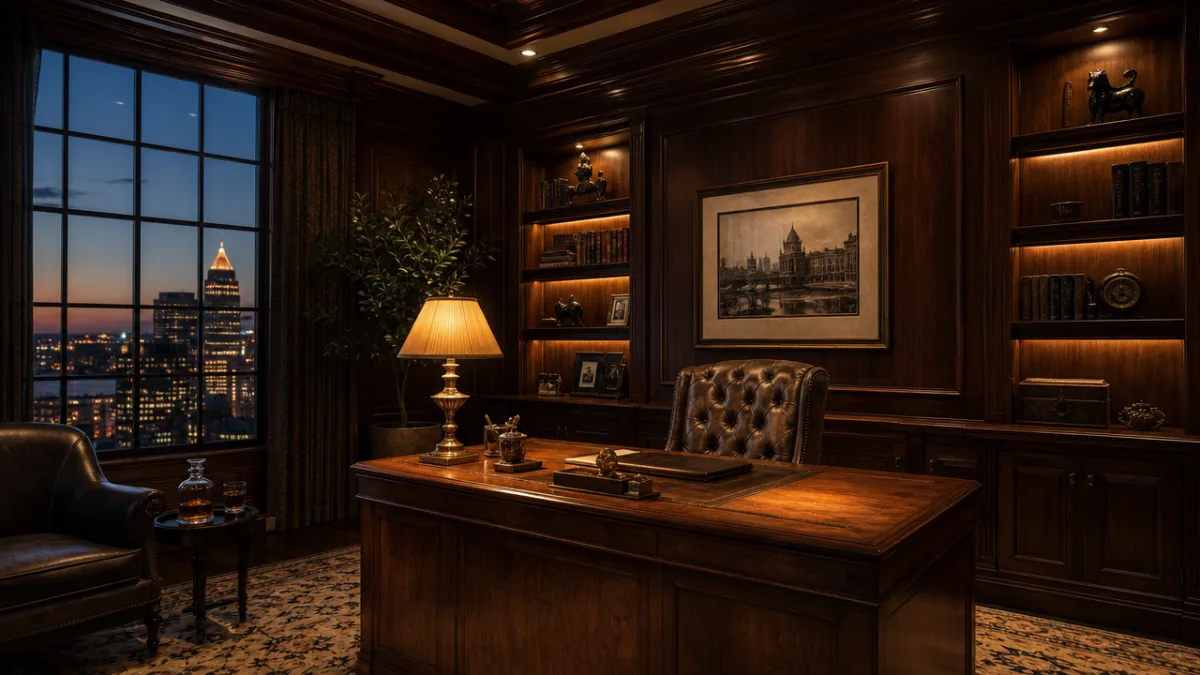
Lighting is the single most transformative element in any interior space, capable of making the same room feel institutional and draining or intimate and inspiring depending entirely on how it is executed. In a home office designed around the beauty of wooden panels, lighting becomes doubly important: it must serve your practical needs as a working professional while also activating and celebrating the natural warmth and texture of the wood surfaces surrounding you. Achieving this dual purpose requires thinking in terms of layers rather than relying on a single overhead source.
The concept of layered lighting involves combining three distinct categories of illumination: ambient light, which fills the room and establishes its overall brightness level; task lighting, which targets specific work surfaces and prevents eye strain during focused activities; and accent lighting, which adds depth, drama, and visual interest by highlighting architectural features, art, or prized objects. In a wood-paneled home office, accent lighting takes on special significance because carefully placed light can reveal the grain and texture of panels in genuinely spectacular ways, making the walls themselves a visual feature rather than a neutral backdrop.
Warm color temperatures — specifically in the range of 2700K to 3000K on the Kelvin scale — are the non-negotiable foundation of a cozy, luxurious office atmosphere. These temperatures mimic the golden quality of candlelight and late-afternoon sun, creating a biological sense of safety and relaxation that is profoundly conducive to creative thought. By contrast, cooler lights in the 5000K-6500K range, while excellent for precision tasks like medical or technical work, create an alert, even slightly anxious psychological state that is inimical to the contemplative, sustained focus that knowledge work typically requires. For most home office users, warmer tones represent a significant quality-of-life improvement during long working hours.
Specific lighting fixtures can dramatically elevate both the function and the aesthetic of a wood-paneled office. A few categories deserve particular consideration:
- Articulated desk lamps with brass or bronze finishes complement the warmth of wooden surfaces while providing precisely directed task light that can be repositioned as needed throughout the day.
- Recessed downlights with warm-dimming LED bulbs provide flexible ambient illumination that can be adjusted from bright working light to a much softer evening level as the day progresses.
- Picture lights or wall-washing fixtures aimed directly at wooden panel walls create a beautiful raking light effect that reveals the three-dimensional texture of the grain in a way that overhead lighting cannot replicate.
- Pendant lights positioned above a reading chair or secondary seating area create distinct zones within the office, giving the space a layered, residential quality that avoids the uniformity of commercial environments.
- Candle-style sconces mounted between or beside panel sections add a layer of romantic, architecturally integrated light that feels deeply intentional and sophisticated.
Furniture Selection: Completing the Luxurious Narrative
The most beautifully paneled, perfectly lit home office will still fall short of its potential if the furniture selection works against rather than with those foundational elements. In a space defined by the warmth and organic quality of wood and soft golden light, the furniture must participate in a coherent visual conversation rather than introducing jarring contradictions of material, scale, or era. The most successful luxurious home offices achieve a sense of collected, intentional completeness — as if each piece was chosen with both individual merit and collective harmony in mind.
The desk is, naturally, the centerpiece of any home office, and in a wood-paneled room it presents a meaningful design opportunity. A substantial executive desk in solid wood — particularly in a species that either matches or meaningfully contrasts with the panel wood — can create a sense of anchored solidity and permanence that communicates serious professional purpose. A walnut-paneled room might be served beautifully by a desk in white oak, creating tonal contrast while maintaining material family. Alternatively, a deep, espresso-finished desk against lighter oak panels creates a dramatic, layered quality reminiscent of the finest traditional libraries.
Leather seating is an almost universal feature of the most luxurious home offices for good reason: it combines durability, comfort, and an unmistakable richness of material quality that ages magnificently over time. Full-grain leather in cognac, saddle brown, or deep forest green develops a patina that only improves with use, telling the story of years spent in productive pursuit. Paired with wooden panels and warm lighting, a well-crafted leather chair or chesterfield creates a tableau of refined masculinity or sophisticated femininity — depending entirely on the surrounding context — that feels genuinely aspirational without tipping into pretension.
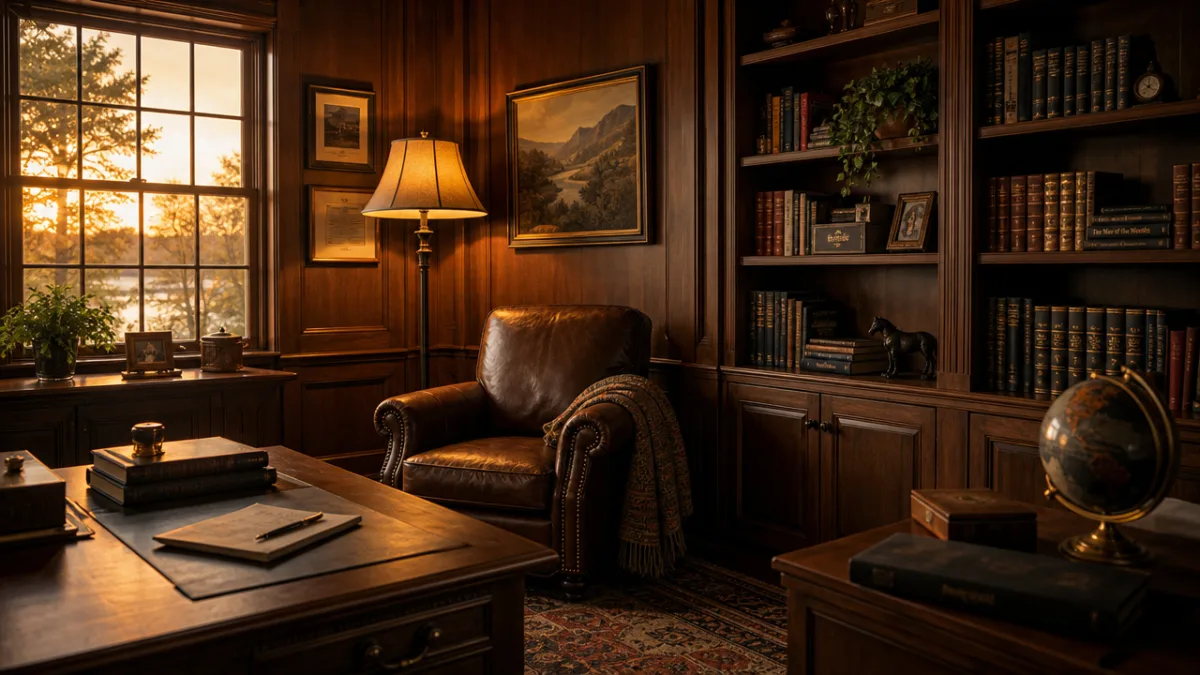
Beyond the primary desk and seating, the selection of secondary furniture — bookshelves, filing cabinets, side tables, and accent chairs — provides opportunities to deepen the visual complexity and personal character of the space. Built-in shelving that flows seamlessly from wall panels creates a sense of architectural coherence that freestanding furniture cannot match. When shelves appear to emerge organically from paneled walls, the entire room gains a custom, considered quality that elevates it decisively above the merely decorated into the genuinely designed. This level of integration is the distinguishing mark of truly luxurious interiors.
Styling and Accessories: The Details That Elevate Everything
Once the architectural elements, lighting, and primary furniture are in place, the styling phase begins — and this is where personal character, cultural references, and individual taste can express themselves fully. A luxurious home office is never a sterile showroom; it is a living, breathing reflection of its occupant’s intellectual life, aesthetic sensibilities, and professional journey. The accessories and objects you introduce into a wood-paneled office are, in a very real sense, autobiographical — telling the story of who you are and what you value to every client, colleague, or collaborator who sees the space.
Books occupy a special place in the luxurious home office aesthetic that goes well beyond mere decoration. A well-curated library, whether spanning hundreds of volumes or a carefully edited selection of thirty, signals intellectual seriousness and personal engagement with ideas. In a wood-paneled office, books function as both content and color, their spines creating horizontal bands of hue and texture that interact beautifully with the grain of shelving and walls. The practice of organizing books by color is visually stunning in photographic contexts, but organizing by subject or intellectual lineage — grouping philosophy with history, or creative nonfiction beside fiction — conveys a more authentic intellectual personality that sophisticated observers will appreciate.
Plants and greenery introduce a counterpoint to the warmth and weight of wood that is both visually refreshing and genuinely beneficial to indoor air quality and psychological well-being. The contrast between living green foliage and rich wooden surfaces is one of the most satisfying visual relationships in interior design, evoking the feeling of being simultaneously inside a cultivated human space and connected to the natural world beyond its walls. A large potted fiddle-leaf fig positioned beside a window, smaller sculptural succulents on a desktop, or trailing pothos cascading from a high shelf can each add a dimension of life and dynamism that softens the formality of a highly designed space.
Thoughtful personal objects — framed artwork, sculptural pieces, meaningful travel souvenirs, or family photographs in premium frames — complete the narrative of a home office that is both professionally impressive and authentically personal. The key to successful accessory styling lies in restraint and intention: every object placed in a luxurious home office should earn its presence by contributing something meaningful, whether that is visual beauty, personal significance, or intellectual resonance. Clutter is the enemy of luxury, not because minimalism is the only valid aesthetic, but because the careful editing of possessions signals that the occupant knows what matters and has the discipline to honor that knowledge through the choices they make.
Bringing It All Together: Creating Your Personal Luxurious Sanctuary
Designing a truly luxurious home office centered on the interplay of wooden panels and warm lighting is ultimately an exercise in understanding yourself — your working rhythms, your aesthetic affinities, the visual environment in which you do your best thinking. The most successful and satisfying interiors are always deeply personal, reflecting a genuine understanding of the occupant’s needs and desires rather than a faithful reproduction of a Pinterest board or design magazine spread. Inspiration is invaluable, but it must pass through the filter of personal authenticity to produce something that will remain genuinely satisfying over years rather than months.
The practical process of executing such a design rewards a methodical, layered approach. Beginning with the walls — selecting your paneling material, profile, finish, and installation direction — establishes the fundamental character of the space from which all subsequent decisions can flow naturally. Once the panels are in place, addressing the lighting infrastructure becomes the priority, ensuring that both functional task needs and atmospheric goals are met with flexibility and quality. Only after these foundational elements are established should furniture selection and styling begin, allowing each subsequent layer to respond thoughtfully to what came before rather than being chosen in isolation.
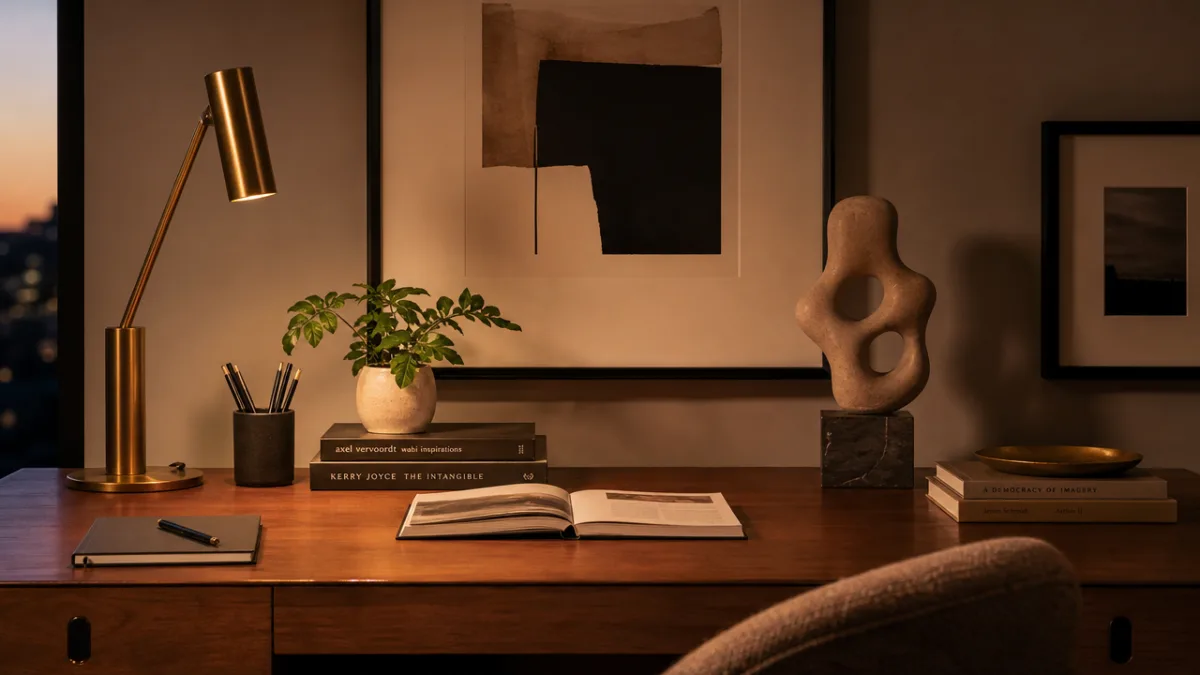
Budget considerations need not be prohibitive in achieving a genuinely luxurious result. The principle that guides intelligent luxury design is not maximum expenditure across every category but rather strategic investment in the elements with the highest visual impact and daily experiential value. High-quality wooden panels and premium lighting fixtures will be experienced every single day and justify a meaningful budget allocation. A single exceptional desk lamp can transform the character of an entire workspace far more meaningfully than a dozen mediocre decorative objects. Identifying and prioritizing these high-leverage investments is the secret that professional interior designers use to create spaces that feel genuinely luxurious rather than merely expensive.
The home office you create today will shape the quality of your professional life for years to come. The spaces in which we spend our working hours exert a constant, subtle influence on our mood, our energy, our creativity, and ultimately our output. A thoughtfully designed office, one where every surface, light source, and object has been chosen with intention and care, is not a luxury in the indulgent sense — it is a genuine investment in your professional performance and daily well-being. The charm of wooden panels and cozy warm lighting, when executed with quality and intentionality, creates something more than a beautiful room. It creates a place where the best version of your professional self can show up, every single day, and do remarkable work.








What do you think?
It is nice to know your opinion. Leave a comment.