










Flowers That Feed Butterflies: A Complete Guide to Creating a Butterfly Garden
Few sights in nature are as enchanting as a butterfly drifting from flower to flower on a warm summer afternoon. These delicate, jewel-winged creatures have captivated human imagination for centuries, serving as symbols of transformation, beauty, and the fleeting nature of life. But beyond their aesthetic appeal, butterflies play an essential role in the health of our ecosystems, acting as pollinators for countless plant species and serving as a critical link in the food web that sustains birds, amphibians, and other wildlife. Creating a garden that feeds and supports butterflies is one of the most rewarding things a home gardener can do, both for the planet and for their own sense of wonder.
The relationship between butterflies and flowering plants is one of the most beautifully co-evolved partnerships in the natural world. Over millions of years, certain butterfly species have developed strong preferences for specific flowers, drawn by color, scent, nectar content, and even the shape of the bloom. Understanding these preferences is the first step toward designing a garden that genuinely sustains butterfly populations rather than simply attracting them momentarily. A truly butterfly-friendly garden provides not just nectar for adult butterflies but also host plants where females can lay their eggs and caterpillars can feed and grow.
This guide explores the best flowers for feeding butterflies, the science behind what makes certain blooms irresistible to these insects, and practical advice for planting a garden that supports butterflies through every stage of their life cycle. Whether you have a sprawling backyard or a modest balcony with a few containers, the principles here can be scaled to fit your space. The effort you invest will be repaid a hundredfold in color, movement, and the quiet satisfaction of knowing your garden is a refuge for one of nature’s most fragile and beautiful creatures.
Understanding What Butterflies Need from Flowers
To attract and sustain butterflies, it helps to think like one. Adult butterflies feed primarily on nectar, a sugary liquid produced by flowers to attract pollinators. Nectar is rich in carbohydrates, providing the energy butterflies need for flight, reproduction, and migration. Not all nectar is created equal, however, and butterflies have evolved highly sensitive taste receptors — located on their feet — that allow them to assess a flower’s sugar content before committing to feed. Flowers with high-quality, accessible nectar are far more attractive to butterflies than those with dilute or difficult-to-reach nectar sources.
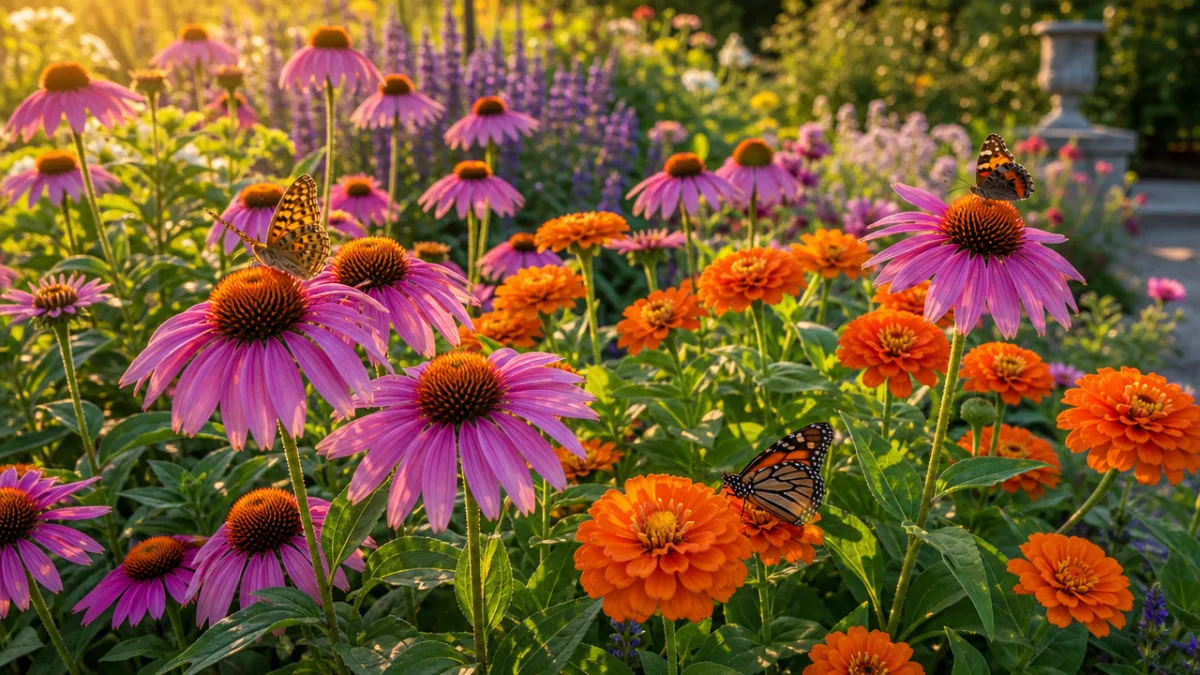
Color is another critical factor in how butterflies locate flowers. Most butterfly species are strongly attracted to purple, pink, yellow, and orange blooms, which tend to reflect ultraviolet light in ways that are highly visible to butterfly eyes. Red is less commonly visited because many butterfly species have limited sensitivity to that end of the color spectrum, though some species do seek out red flowers. The shape of the flower matters too: flat-topped or cluster-type flowers such as zinnias, lantana, and milkweed offer a stable landing platform and make it easy for butterflies to access multiple nectar tubes in a single visit without expending excessive energy.
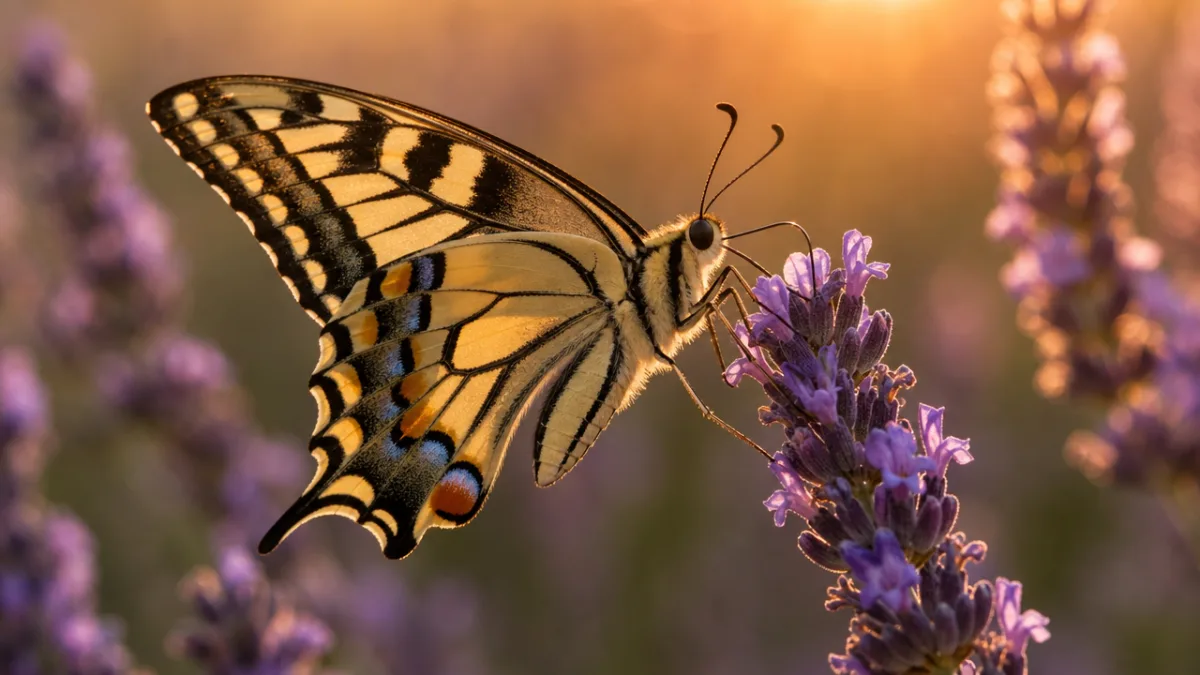
Scent is a more nuanced factor than color but still plays a role in attracting butterflies, particularly for species that are active at dusk or that navigate through dense vegetation where visual cues are less reliable. Fragrant flowers like lavender, heliotrope, and sweet alyssum are consistently popular among a wide range of butterfly species. Beyond nectar, butterflies also need sources of water and minerals, often obtained through a behavior called puddling — gathering at mud puddles or damp soil to sip moisture. Incorporating a shallow dish of wet sand or a dripping water feature into your garden design can make your space significantly more hospitable to these visitors.
Top Nectar-Rich Flowers for Attracting Butterflies
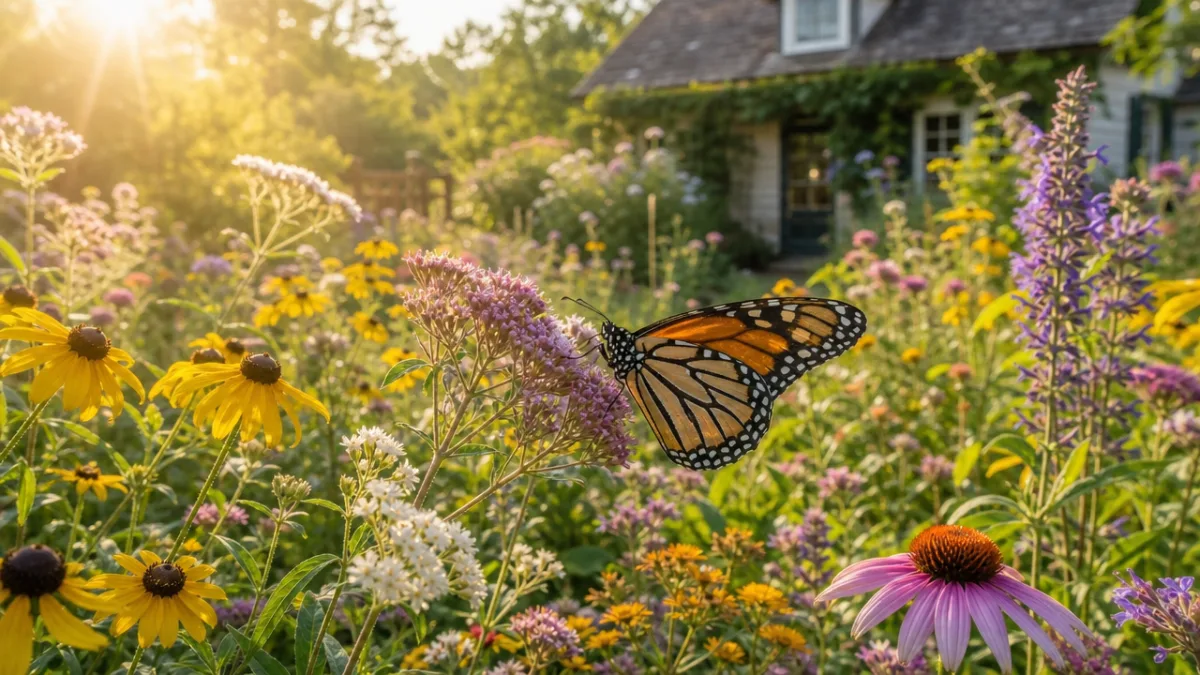
Among all the flowers that attract butterflies, milkweed stands in a category of its own. While it functions as a nectar source for many butterfly species, milkweed — particularly the native North American varieties such as Asclepias tuberosa (butterfly weed) and Asclepias incarnata (swamp milkweed) — is the sole host plant for monarch butterflies. Without milkweed, monarchs cannot complete their life cycle. The flowers produce abundant, rich nectar that attracts not just monarchs but also swallowtails, fritillaries, skippers, and many other species. Planting milkweed in your garden is arguably the single most impactful thing you can do to support butterfly conservation.
Zinnias are another powerhouse nectar plant and among the easiest flowers to grow from seed. Their wide, flat flower heads in vivid shades of red, orange, yellow, pink, and purple provide an ideal landing pad for butterflies, and their long blooming season — from midsummer through the first frost — ensures a reliable food source during the peak of butterfly activity. Lantana is similarly prolific, producing dense clusters of tiny flowers that change color as they age, giving each plant head a multicolored appearance that butterflies find irresistible. Lantana is particularly favored by swallowtails and can thrive in hot, dry conditions where other plants struggle.
Other top performers in the butterfly garden include coneflowers (Echinacea), black-eyed Susans (Rudbeckia), Joe-Pye weed, lavender, phlox, asters, and verbena. Asters deserve special mention because they bloom in late summer and autumn, providing critical nectar for butterflies preparing for migration or searching for food before winter sets in. The late-season blooming of asters makes them invaluable for species like the monarch, painted lady, and red admiral. Lavender, while less showy than some other options, produces nectar of exceptionally high quality and its long spikes allow multiple butterflies to feed simultaneously without competition.
Native Plants: The Cornerstone of Butterfly Habitat
While many non-native ornamental plants can provide nectar for butterflies, native plants offer something that garden-center exotics generally cannot: a deep, co-evolved relationship with local butterfly species. Native plants have developed alongside native insects over thousands of years, producing nectar with the precise chemical composition, bloom timing, and flower structure that local butterflies have evolved to exploit most efficiently. Many butterfly species also rely exclusively on specific native plants as host plants where they lay eggs and where their caterpillars feed. Removing native plants from the landscape — or replacing them entirely with ornamentals — can quietly devastate local butterfly populations even when nectar sources remain plentiful.
In North America, native plants like wild bergamot (Monarda fistulosa), purple coneflower (Echinacea purpurea), goldenrod (Solidago), ironweed (Vernonia), and passionflower vine (Passiflora) are among the most valuable for butterfly gardens. Goldenrod in particular has an undeservedly poor reputation — it is often blamed for hay fever that is actually caused by ragweed, which blooms at the same time — but in reality it is one of the most important late-season nectar sources in the eastern United States, supporting dozens of butterfly species as well as countless native bees. Passionflower is the required host plant for Gulf fritillary and zebra longwing butterflies, and its exotic-looking blooms are ornamentally striking in their own right.
Gardeners in different regions will find different native species best suited to their local butterfly populations. In the Pacific Northwest, native red flowering currant and Oregon grape support early-emerging species, while California gardeners benefit from planting native buckwheats (Eriogonum) and California lilac (Ceanothus). In the Southeast, coral honeysuckle and spicebush are invaluable for supporting spicebush swallowtails and other native species. Consulting your local native plant society or cooperative extension service is the most reliable way to identify which native plants will have the greatest positive impact for the butterfly species in your specific region, ensuring that your gardening effort is targeted and effective.
Designing Your Butterfly Garden for Maximum Impact
The arrangement of plants in a butterfly garden matters almost as much as the plant selection itself. Butterflies are ectothermic — they rely on external heat sources to warm their bodies for flight — so sunny locations are essential. A garden that receives at least six hours of direct sunlight daily will be dramatically more attractive to butterflies than a shaded one. Planting in large masses rather than single specimens also helps enormously: a cluster of twenty zinnias is far more visible to a passing butterfly than two or three isolated plants, and the concentrated nectar source makes it worth a butterfly’s time to stop and feed thoroughly.
Succession planting is a technique that ensures nectar is available throughout the entire butterfly season rather than peaking all at once and then disappearing. By choosing species that bloom at different times — early spring bloomers like dame’s rocket and phlox, summer stalwarts like milkweed and coneflower, and late-season performers like asters and goldenrod — you create a continuous buffet that supports butterflies from spring emergence through fall migration. Layering plant heights also improves garden function, with taller plants like Joe-Pye weed and ironweed providing shelter from wind while lower plants fill in the feeding zone at butterfly flight height.
Shelter and sunning spots are often overlooked elements of butterfly garden design. Flat stones placed in sunny areas give butterflies a warm surface to rest and regulate their body temperature. A brush pile or dense patch of native grasses provides shelter from predators and a place for some species to roost overnight. Avoiding the temptation to over-tidy your garden at the end of the season is also important: hollow stems, leaf litter, and seed heads all provide overwintering habitat for butterfly pupae and eggs, as well as food for the birds that share the garden ecosystem. The most effective butterfly gardens are those that embrace a degree of productive wildness.
Avoiding Common Mistakes and Supporting Butterfly Conservation
Even well-intentioned gardeners can inadvertently create conditions that harm the very butterflies they are hoping to support. The most damaging mistake is the use of pesticides, including insecticides, herbicides, and fungicides. Even pesticides labeled as safe for bees can be lethal to butterfly caterpillars, and systemic pesticides — those absorbed throughout the plant’s tissue, including its nectar and pollen — can kill or harm adult butterflies that feed on treated flowers. Neonicotinoids, a class of systemic insecticides widely used on ornamental plants sold at garden centers, are of particular concern. Always ask whether plants have been pre-treated before purchasing, and opt for untreated plants or grow your own from seed.
Another common error is focusing exclusively on adult butterfly nectar plants while neglecting host plants for caterpillars. A garden full of nectar flowers is like a restaurant that serves only dessert: pleasant, but insufficient for a complete life cycle. Female butterflies lay their eggs specifically on the plants their caterpillars can eat, and each butterfly species has a relatively narrow range of acceptable host plants. Monarchs need milkweed; black swallowtails need plants in the carrot family like parsley, fennel, and dill; tiger swallowtails prefer wild cherry, tulip poplar, and willow; and painted ladies rely heavily on thistles and mallows. Without these host plants, butterflies cannot reproduce in your garden, no matter how abundant the nectar.
Supporting butterfly conservation extends beyond the garden fence. Participating in citizen science programs like the Monarch Watch tagging program, the North American Butterfly Association’s butterfly counts, or the Xerces Society’s milkweed monitoring project allows gardeners to contribute meaningful data to the scientific understanding of butterfly populations and migration patterns. Sharing knowledge with neighbors, schools, and community organizations helps spread butterfly-friendly gardening practices more broadly through the landscape, creating interconnected corridors of habitat that are far more valuable to butterflies than isolated garden patches. Every flower planted for butterflies is a small act of ecological restoration and an investment in the living beauty of the world.
Seasonal Care and Year-Round Commitment
A butterfly garden is not a one-time project but an ongoing commitment that rewards consistent attention and thoughtful seasonal management. In spring, resist the urge to cut back last year’s dead plant material too early: many butterfly species overwinter as pupae attached to dried stems or tucked into leaf litter, and premature cleanup can destroy them before they emerge. A good rule of thumb is to wait until daytime temperatures are consistently above fifty degrees Fahrenheit before tidying up the garden, giving overwintering insects time to complete their emergence. When you do cut back old stems, leave them in a pile in a quiet corner of the garden rather than sending them to the compost immediately.
Summer is the peak season for both garden maintenance and butterfly activity, and the two goals sometimes come into tension. Deadheading spent flowers on species like zinnias and coneflowers encourages continued blooming and extends the nectar season, but leaving some seedheads intact provides food for seed-eating birds and can give volunteer seedlings a chance to establish. Watering consistently during dry spells is important, particularly for newly established plants, and maintaining a shallow puddling station — a container filled with wet sand or soil — gives butterflies a reliable source of moisture and minerals that they often find difficult to locate in a well-maintained garden landscape.
In autumn, the garden enters a final burst of activity as monarchs and painted ladies begin their migrations and late-season species like sulphurs and skippers take advantage of the last available blooms. This is when asters, goldenrod, and sedum truly earn their place in the garden plan. As the season winds down, document what worked and what didn’t — which plants attracted the most visitors, which bloomed too briefly, which struggled in your soil conditions — and use those observations to refine your plant list for the following year. A butterfly garden is always a work in progress, evolving season by season toward a richer, more effective habitat that reflects both the gardener’s growing knowledge and the ever-changing needs of the butterflies it serves.
Quick Reference: Best Butterfly Plants by Season
- Spring: Dame’s rocket, phlox, native violets, redbud, wild columbine, and flowering currant provide early nectar for emerging species and offer host plant resources for fritillary caterpillars that depend on violets.
- Early Summer: Milkweed, mountain mint, spiderwort, pentas, and native clovers begin their bloom cycle, supporting peak butterfly emergence and providing critical egg-laying habitat for monarchs and other milkweed-dependent species.
- Midsummer: Zinnias, lantana, coneflowers, black-eyed Susans, bee balm, and verbena reach their peak productivity, attracting the widest diversity of butterfly species and supporting sustained feeding throughout the hottest months of the year.
- Late Summer and Fall: Asters, goldenrod, Joe-Pye weed, ironweed, sedum, and Mexican sunflower (Tithonia) carry the butterfly garden through the migration season, providing essential fuel for long-distance travelers like the monarch butterfly.
Essential Host Plants by Butterfly Species
- Monarch Butterfly: All milkweed species (Asclepias), with native species strongly preferred over tropical milkweed in most of North America, as tropical milkweed can disrupt migration behavior when it remains green year-round.
- Black Swallowtail: Parsley, fennel, dill, Queen Anne’s lace, and other members of the carrot family (Apiaceae) serve as essential caterpillar host plants and can be grown easily alongside vegetable garden herbs.
- Eastern Tiger Swallowtail: Wild black cherry, tulip poplar, willow, ash, and birch trees provide the foliage caterpillars need, making mature trees an underappreciated but vital component of butterfly garden design.
- Gulf Fritillary: Passionflower vine (Passiflora incarnata) is the sole host plant, and planting it along a fence or trellis can dramatically increase Gulf fritillary populations in warm-climate gardens.
- Painted Lady: Thistles, mallows, hollyhock, and pearly everlasting support this wide-ranging and adaptable species, which is one of the most commonly encountered butterflies across North America and Europe.








What do you think?
It is nice to know your opinion. Leave a comment.