










Handmade Home Decor Ideas: 15 Projects to Transform Your Living Space
Why Handmade Home Decor Is Worth Your Time and Energy
There’s something really special about walking into a room and knowing that the art on the wall, the vase on the shelf, or the throw pillow on the couch came from your own two hands. Handmade decor has a warmth and personality that you just can’t get from something mass-produced. Every piece has a story behind it, it reflects your taste, and honestly — it’s a great conversation starter when people come over.
And beyond how good it feels, making your own decor is genuinely practical when it comes to your wallet. So many store-bought decorative pieces have surprisingly high price tags despite being made from pretty basic materials. When you DIY, you can often get the same look — or something even more unique — for a fraction of the cost. That extra budget freedom means you can decorate more rooms, experiment with more styles, and switch things up whenever you feel like it without any guilt.
Handmade projects are also a surprisingly great way to build new skills and unwind. Whether you’re learning to work with wood, trying your hand at macramé, or finding your rhythm with a paintbrush, every project adds something to your creative toolkit. A lot of people find that crafting is genuinely stress-relieving in a way that scrolling through your phone just isn’t. The time you put in pays off in both the finished piece and how you feel making it.
Essential Supplies and Tools to Get Started
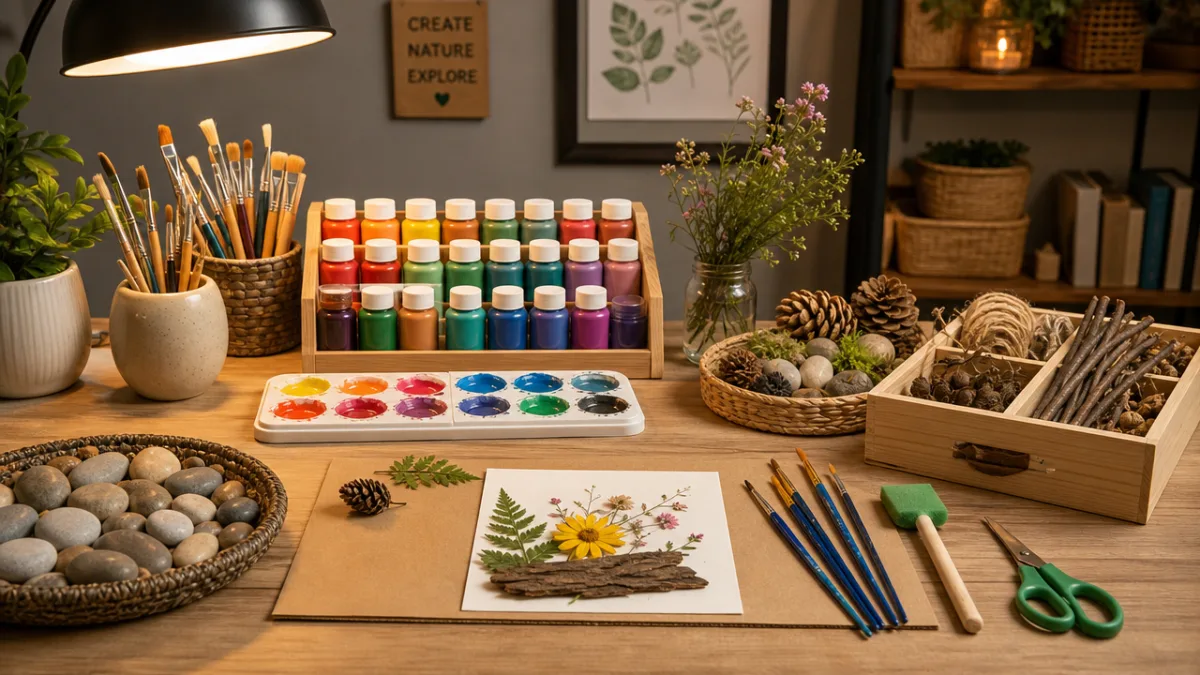
Before jumping into specific projects, it’s worth building up a core collection of supplies that’ll work across all kinds of decor making. You don’t need to spend a lot to get started, but having the right basics within arm’s reach means you can act on a creative idea without stopping to make a supply run first. Start with the versatile stuff and add to your collection as you figure out what you enjoy most.
Some of the most useful things to keep on hand: a good hot glue gun with plenty of extra sticks, a variety of paintbrushes in different sizes, acrylic paints in some neutral tones and a few accent colors, basic sewing supplies, a sharp craft knife with a cutting mat, and sandpaper in a few different grits. Natural materials like twine, rope, dried botanicals, and reclaimed wood are also incredibly handy for the rustic, organic-style projects that are everywhere in home design right now.
Your workspace matters just as much as your supplies. Even a small corner of a room can become a really productive crafting space if you set it up thoughtfully. Clear containers or labeled jars for small supplies, a dedicated drop cloth for messier projects, and good lighting make a huge difference. A comfortable chair at the right height keeps fatigue from sneaking up on you during longer sessions, and keeping a mood board or some Inspiration images nearby helps keep your vision on track as you work.
- Hot glue gun and extra glue sticks for quick bonding and assembly
- Acrylic paints in a range of earth tones, whites, and bold accent colors
- Natural twine, jute rope, and cotton cord in multiple thicknesses
- Sandpaper in fine, medium, and coarse grits for wood and surface prep
- Sharp craft knife, scissors, and a self-healing cutting mat
- Paintbrushes in flat, round, and detail sizes
- Reclaimed wood scraps, driftwood, and wooden dowels
- Dried flowers, eucalyptus, and seed pods for botanical accents
Wall Decor Projects That Make a Bold Statement
Your walls are basically giant canvases just waiting for some personality. Handmade wall decor covers an incredible range — from simple framed prints and painted canvases to elaborate macramé hangings and full gallery walls. The trick is choosing projects that fit the overall vibe of your room while still bringing something fresh and a little unexpected, so the space feels genuinely curated rather than just filled up.
Abstract canvas painting is one of the most beginner-friendly wall decor projects out there. You really don’t need any formal art training to make something beautiful and modern. Stick to a limited palette of two or three colors that work well together, go bold with your brushstrokes, and let happy accidents happen — they usually make things more interesting. Acrylic paint dries fast and is forgiving to work with, which makes it perfect if you’re just starting out.
Macramé wall hangings have made a serious comeback and are still one of the most popular handmade decor categories going. Using cotton rope or recycled yarn, you can create knotted pieces that add incredible texture to a bare wall. The basic knots aren’t hard to learn, and there are tons of tutorials out there to take you from a simple beginner piece all the way up to more elaborate designs. Once you’ve got the square knot and lark’s head knot down, a whole world of creative options opens up.
Wooden wall art is another striking direction that works beautifully in modern, rustic, or Scandinavian-style homes. You can arrange cut wood pieces into geometric patterns, burn designs into smooth planks with a pyrography tool, or simply mount a stunning piece of reclaimed wood as a natural focal point. Finishing touches like staining, whitewashing, or a coat of matte varnish give wooden pieces a polished, intentional look that can really elevate an entire room.
Table and Shelf Decor to Style Every Surface
Every surface in your home — coffee tables, kitchen shelves, bedroom nightstands — is a chance to display handmade objects that tie your decor together. Styling surfaces well is genuinely its own skill, and having a collection of pieces you made yourself gives you complete control over scale, color, and material. Every little arrangement you put together can feel completely intentional and yours, rather than a random mix of things you picked up at different stores.
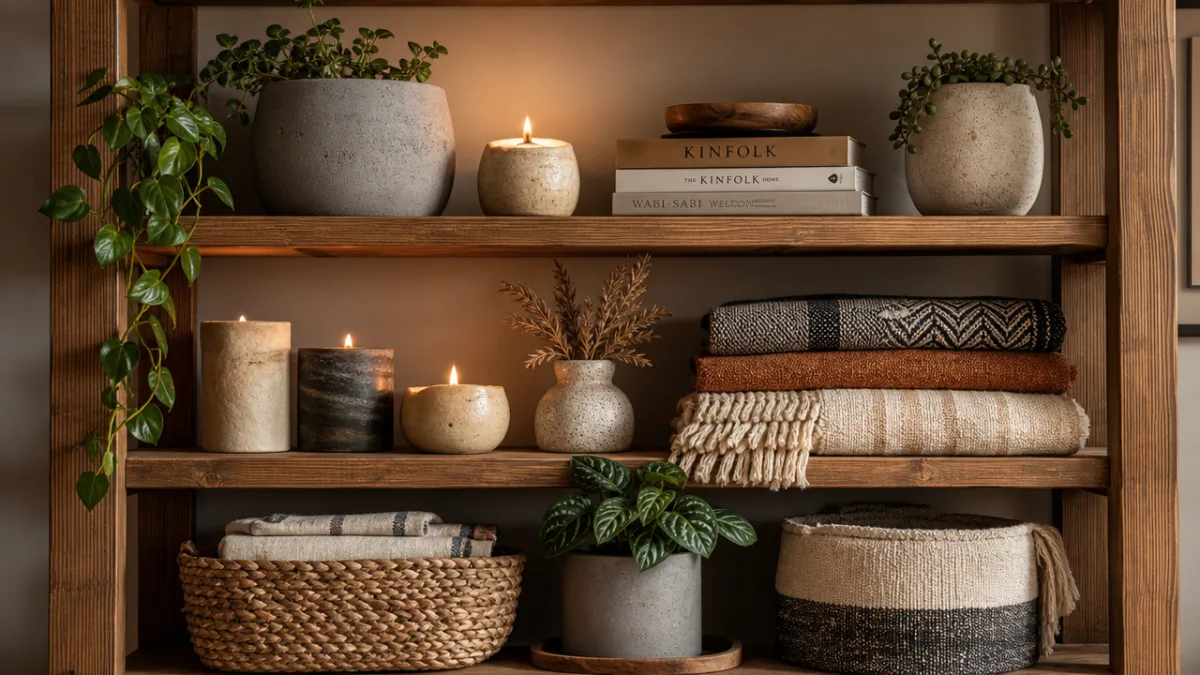
Concrete planters are a modern home decor staple, and they’re honestly much easier to make than you’d expect — just basic concrete mix and some plastic containers or cardboard molds. The industrial texture of concrete looks amazing against lush greenery, and since you control the mold shape, you can make planters in whatever size or silhouette actually fits your space. Mix in some pigment before pouring and you can create softer pastel versions or rich, deeply colored ones that feel a little more playful while keeping that contemporary sculptural quality.
Handmade candles are another project that does double duty — they look great on a shelf and they fill your home with whatever scent you actually want. Using soy or beeswax, fragrance oils or dried botanicals, and vessels anywhere from vintage teacups to geometric metal tins, you can make candles that perfectly match your color palette and nose. Pouring candles is a genuinely relaxing process, and they make wonderful gifts too.
Woven coasters, fabric table runners, and hand-stamped placemats bring handmade warmth to dining and living surfaces in a really approachable way. Even simple weaving on a small cardboard loom can produce coasters with lovely geometric patterns in colors you’ve chosen specifically for your space. A block-printed table runner made with a carved eraser stamp and fabric ink can turn an ordinary dining table into something that feels festive and artful — like it was actually made with care, because it was.
- Concrete planters: Use cardboard molds and basic concrete mix to create modern geometric vessels for succulents and small plants.
- Soy candles in vintage containers: Pour scented soy wax into teacups, tins, or glass jars with cotton wicks for fragrant display pieces.
- Woven coasters: Create small woven coasters on a cardboard loom using colorful cotton yarn in complementary tones.
- Hand-stamped table runner: Use a carved rubber stamp and fabric ink to print a repeating botanical or geometric pattern onto plain linen.
- Resin trays: Pour colored resin into silicone molds with dried flowers or gold leaf to create stunning decorative catchall trays.
Bedroom and Living Room Textile Projects
Textiles might be the single most impactful thing you can bring into a room, because they add warmth, texture, and softness that no amount of hard surfaces can replicate. Handmade textile projects for the bedroom and living room range from super beginner-friendly to a bit more involved, but almost all of them produce results that feel genuinely luxurious and custom. A room with handmade pillows, a chunky knit throw, or curtains you made yourself has a kind of lived-in personality that’s hard to fake.
No-sew throw pillows are a perfect starting point if you want to add handmade textiles without committing to a sewing machine. With fabric glue, iron-on fusible webbing, or even a few carefully tied knots, you can make envelope-style pillow covers from beautiful fabric remnants. The remnant bin at a fabric store is one of the best-kept secrets for finding high-quality materials at very low prices, and mixing textures like linen, velvet, and woven cotton adds visual richness to any sofa or bed.
Chunky knit blankets made with oversized wooden or plastic needles and extra-thick merino wool have become one of the most beloved handmade decor projects around. These are actually knitted using your arms as the needles — a technique called arm knitting — which means you can finish an entire blanket in just a few hours. The texture is dramatically cozy and looks incredible draped over a chair or the corner of a bed. They’re soft, they come in any color you want, and they’re just as functional as they are beautiful.
Sewing your own curtain panels is more of a commitment, but the payoff is huge. You get to choose the exact fabric, lining, length, and heading style, so the end result fits your windows perfectly and matches your decor in a way that off-the-shelf curtains rarely do. If full sewing feels like too much, even something as simple as dyeing plain white cotton curtains with natural dye — turmeric, avocado pits, or indigo all work beautifully — can be transformative with minimal sewing involved. There’s something really special about the way natural light comes through hand-dyed fabric.
Upcycling and Repurposing for Sustainable Decor
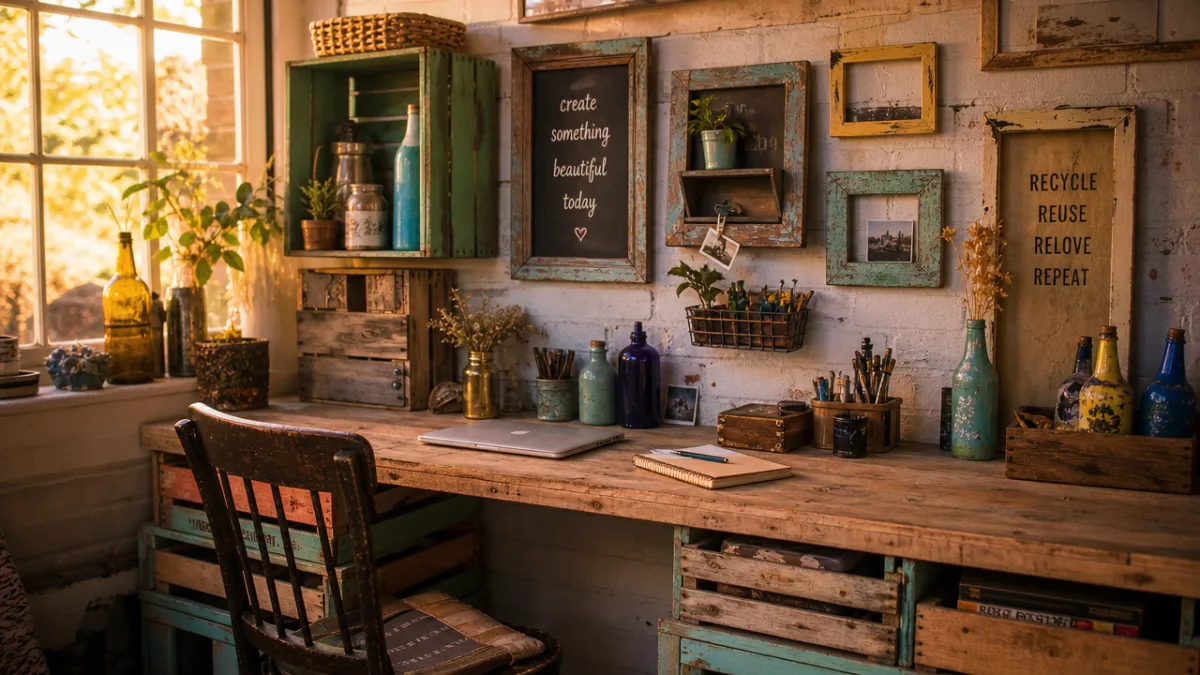
One of the most creative and environmentally thoughtful approaches to handmade decor is upcycling — taking things that would otherwise get thrown out and turning them into something new and genuinely beautiful. It reduces waste, saves money, and honestly tends to produce some of the most original, character-rich pieces you’ll ever own. Old furniture, glass jars, wooden crates, wine bottles, vintage frames — all of it is raw material just waiting for a second life.
Transforming old furniture with paint and new hardware might be the most dramatic form of upcycling you can do. A tired wooden dresser painted deep forest green with fresh brass handles becomes an absolute statement piece. A worn wooden chair that’s been sanded smooth and refinished with a warm walnut stain can anchor a reading corner beautifully. The key is learning to look past the current condition of something and see the underlying form, which is often solid and well-made even when the finish has seen better days.
Glass bottles and jars are endlessly versatile as upcycled decor. A grouping of wine bottles painted in varying earth tones makes an elegant vase arrangement for dried grasses and wildflowers. Mason jars wrapped in twine or painted with chalkboard paint become charming storage containers or candle holders. Even a humble tin can, cleaned and punched with a pattern of holes, turns into a lantern when you set a tea light inside — the light patterns it casts across a wall at night are genuinely magical.
Wooden crates, pallet boards, and old picture frames are equally flexible. Stacked wooden crates become modular open shelving that feels both industrial and cozy. Pallet boards can be sanded and assembled into a headboard, a wall-mounted coat rack, or a rustic serving tray. Old frames with the glass removed and strung with wire or twine become wall-mounted jewelry organizers or photo displays. The whole philosophy of upcycling is about shifting how you see discarded objects — not as trash, but as creative raw material. Once that shift happens, you start looking at the world around you very differently.
Bringing It All Together: Styling Your Handmade Home
Making individual handmade pieces is deeply satisfying on its own, but the real magic comes when you start styling your home as a whole — when your handmade objects work together to tell a unified story about who you are and what you find beautiful. Good interior styling isn’t about perfection or making everything match exactly. It’s about creating harmony through consistent color choices, complementary textures, and a thoughtful balance between fullness and breathing room in each space.
When you’re placing handmade pieces alongside store-bought furniture and accessories, try thinking in visual triangles — repeating a color, material, or shape in at least three different spots around a room to create a sense of flow. If your macramé wall hanging uses natural cotton rope, you might echo that fiber in a woven basket on the floor and a cotton throw across the sofa. This kind of repetition creates visual rhythm that makes a room feel designed rather than assembled, and it helps your handmade pieces feel like they belong rather than standing alone.
Seasonal updating is one of the real joys of building up a handmade decor collection. Because you made the pieces yourself, you’re less precious about keeping everything out all year, and you know the materials well enough to store them properly. Swapping dried botanical arrangements for fresh spring branches, trading lightweight linen cushion covers for heavier velvet ones come autumn, or repainting a canvas with a new color scheme — these small shifts keep your home feeling dynamic and alive. It becomes less of a finished room and more of an ongoing creative project that grows with you.
And above all, be kind to yourself through the process. Not every project will turn out exactly the way you pictured it, and that’s genuinely okay. Some of the most beloved pieces in handmade homes are the ones that went a little sideways — the candle that tunneled, the macramé piece with one extra knot, the canvas where the colors bled into something more interesting than you’d planned. Those imperfections are proof of a real human hand at work. They’re exactly what makes a handmade home feel alive and warm and irreplaceable in a way that nothing you buy off a shelf ever quite can.








What do you think?
It is nice to know your opinion. Leave a comment.