










From Trash to Treasure: The Ultimate Guide to Thrift Store Upcycling
The Magic of Upcycling: Why Thrift Store Finds Are Hidden Gems
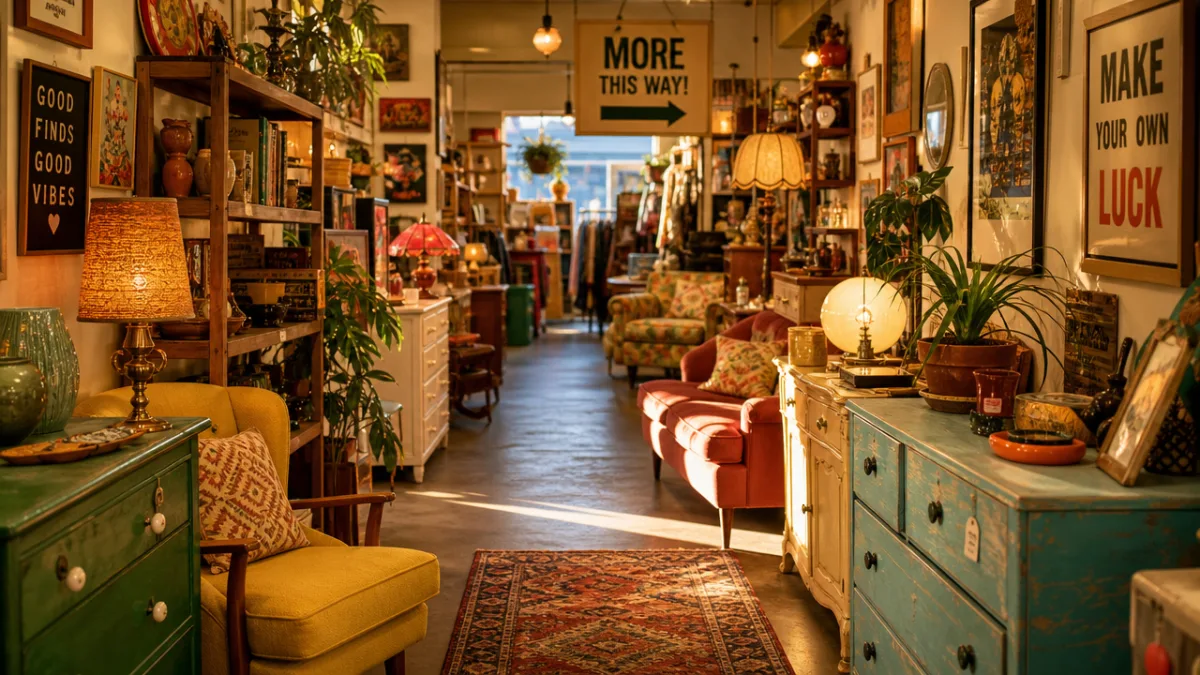
There is something deeply satisfying about walking into a thrift store, spotting an overlooked, dusty piece of furniture or decor, and immediately seeing its potential. The upcycling movement has transformed the way millions of people approach home decorating, encouraging creativity, sustainability, and a sense of personal achievement that simply cannot be replicated by purchasing something brand new from a big-box retailer. When Candy Thrifts shared Ana’s stunning transformation from Sunrise Valley Farm Co., the internet responded with nearly 310,000 views and close to 8,000 reactions — proof that people are hungry for this kind of inspiration.
Upcycling is more than a trend. It is a philosophy that challenges our throwaway culture and asks us to look more carefully at the things we discard. What makes thrift store upcycling so compelling is the combination of affordability, creativity, and environmental responsibility that it represents. A battered wooden dresser that someone left on the curb or donated for a few dollars can, with the right vision and a weekend of effort, become a statement piece that anchors an entire room. The transformation process itself becomes part of the story — and that story adds immeasurable value to the final result.
For beginners and seasoned thrifters alike, the appeal of finding a diamond in the rough is a powerful motivator. Communities like the one that rallied around Candy Thrifts’ post demonstrate how shared enthusiasm can amplify individual creativity. When one person shares a remarkable before-and-after, it sparks ideas in thousands of others who suddenly realize that the worn-out chair sitting in their garage might be one coat of paint or a length of new fabric away from becoming something truly extraordinary.
Understanding the Thrift Store Mindset: How to Shop for Upcycling Success
Shopping at a thrift store for upcycling purposes requires a fundamentally different mindset than shopping for something ready to use. Instead of looking for perfection, you are looking for potential. A scratched surface, a wobbly leg, or an outdated finish should not automatically disqualify a piece — in fact, these flaws are often what drive prices down and create the opportunity for a dramatic transformation. Training your eye to see past cosmetic imperfections and focus on structural integrity and good bones is the first and most important skill any upcycler can develop.
Before you buy anything, it helps to have a loose mental inventory of what you already own and what your home actually needs. Impulse purchases are common in thrift stores because prices are low and the fear of missing out on a unique find is real. However, developing a practice of pausing before you commit — asking yourself where this piece will live, what purpose it will serve, and whether you genuinely have the time and resources to complete the transformation — will save you from ending up with a garage full of half-finished projects. The most successful thrift upcyclers are intentional shoppers who balance spontaneity with strategy.
It also pays to visit thrift stores regularly rather than making occasional large hauls. Inventory turns over constantly, and building a relationship with staff at your local stores can sometimes give you early access to new arrivals or a heads-up when something special comes in. Many seasoned thrifters visit the same stores on specific days of the week when they know new donations are processed. This kind of dedicated practice transforms thrifting from a casual hobby into a genuine skill, and over time you will develop an instinct for spotting the pieces with the most transformative potential.
Essential Techniques for Stunning Upcycle Transformations
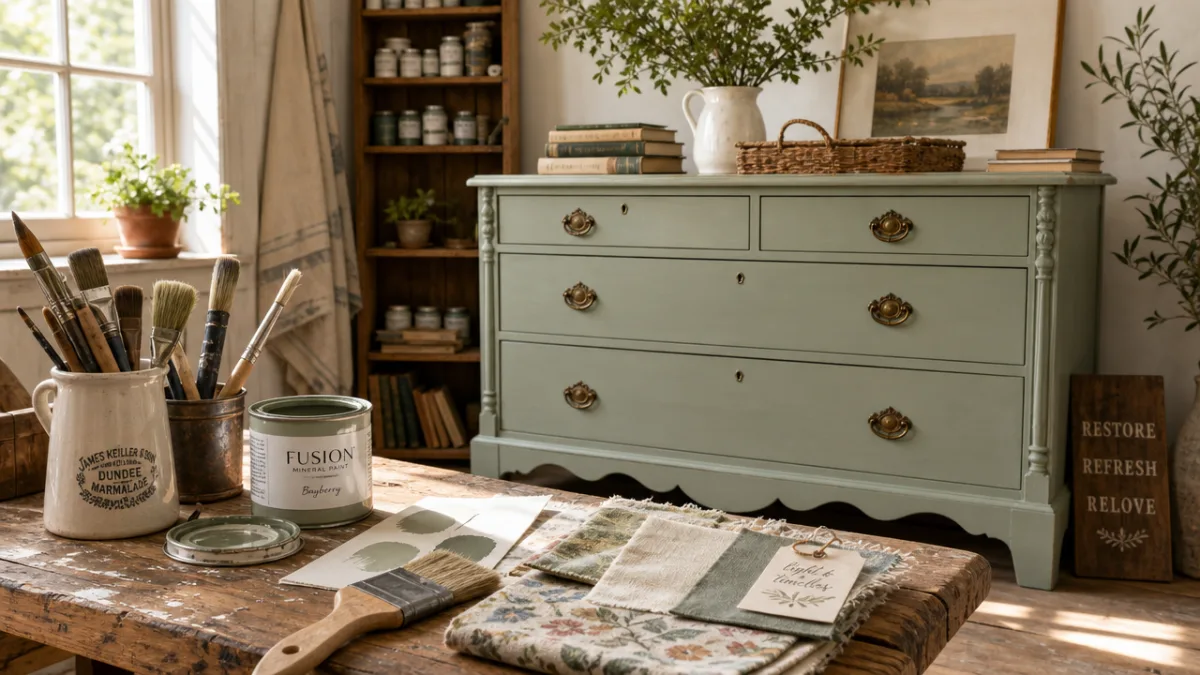
The range of techniques available to upcyclers has never been wider, and many of them require minimal investment in tools or experience. Paint is the most accessible and dramatic tool in any upcycler’s arsenal. Chalk paint in particular has become a favorite among the thrifting community because it adheres to almost any surface without extensive prep work, dries to a beautiful matte finish, and can be distressed, layered, or sealed in countless ways. A single can of chalk paint and a good brush can completely reinvent a piece of furniture in an afternoon.
Beyond paint, fabric is another transformative medium that works wonders on chairs, ottomans, headboards, and decorative cushions. Reupholstering a piece does not have to be an intimidating process — many simple chairs can be refreshed by replacing just the seat cushion, which typically involves removing a few screws, stretching new fabric over foam, and stapling it securely in place. Online tutorials have made these techniques accessible to complete beginners, and the results can be nothing short of spectacular. Pairing a fresh coat of paint on a chair frame with a bold new upholstery fabric is the kind of combination that generates the jaw-dropping before-and-after photos that go viral on platforms like Pinterest and Instagram.
Hardware replacement is another high-impact, low-effort technique that experienced upcyclers swear by. Swapping out dated brass handles on a dresser for sleek black pulls, or replacing plain wooden knobs with ceramic florals, can shift a piece’s entire aesthetic without touching the underlying structure. Decoupage, stenciling, wood burning, and gilding with metallic leafing are additional techniques that add visual interest and artisanal character to thrifted pieces. The key is to experiment without fear — thrift store pieces are inexpensive enough that the stakes are low, making them the perfect canvas for trying new skills.
Sustainability and the Environmental Case for Upcycling
The environmental argument for upcycling is compelling and increasingly urgent. The furniture industry is one of the most resource-intensive sectors in global manufacturing, consuming enormous quantities of timber, metal, petroleum-based foams, and synthetic fabrics. Most mass-market furniture is also not designed to last — it is built to a price point that prioritizes short-term affordability over long-term durability, which means it ends up in landfills within a few years of purchase. By choosing to rescue and restore existing pieces rather than buying new, upcyclers are directly reducing the demand that drives this wasteful production cycle.
Landfill diversion is one of the most tangible benefits of a thriving thrift and upcycling culture. Furniture and large home goods account for a significant percentage of municipal solid waste in many countries, and the sheer volume of usable material that gets discarded every year is staggering. Every dresser that gets stripped and repainted, every lamp that gets rewired and fitted with a new shade, and every picture frame that gets spray-painted and filled with new art represents a real reduction in waste. When you share your upcycling projects online, as Ana from Sunrise Valley Farm Co. did, you multiply that impact by inspiring others to do the same.
There is also a meaningful social dimension to the sustainability story. Thrift stores and secondhand markets are often operated by charitable organizations that use proceeds to fund community programs, job training, and social services. Shopping at these stores supports local economies and community institutions in ways that purchasing from large online retailers simply does not. Upcycling culture tends to foster local connections — thrift store regulars recognize each other, swap tips, and share finds — creating a sense of community rooted in values of resourcefulness, creativity, and mutual support that resonates deeply in an era of increasing digital disconnection.
Building Your Upcycling Toolkit: Supplies Every Thrifter Needs
Getting started with upcycling does not require a massive investment in supplies, but having a few key tools on hand will make your projects go more smoothly and produce more professional results. A good quality set of paintbrushes in multiple sizes is essential — cheap brushes leave bristles in your paint and create uneven coverage, so it is worth spending a little more here. A foam roller is also invaluable for achieving a smooth finish on large flat surfaces like tabletops and dresser fronts, where brush strokes can be distractingly visible in the final result.
Beyond painting supplies, every upcycler benefits from having the following items readily available:
- Sandpaper in multiple grits (80, 120, and 220 are a versatile starting trio for everything from rough stripping to fine finishing)
- A quality staple gun with extra staples, essential for any reupholstery project
- Wood filler or spackling compound for repairing dents, gouges, and old hardware holes
- Mineral spirits or denatured alcohol for cleaning surfaces and removing old wax
- Painter’s tape in various widths for clean lines and two-tone paint effects
- A cordless screwdriver for removing and replacing hardware quickly and efficiently
- Clear wax or polycrylic topcoat to seal and protect finished surfaces
- Drop cloths to protect your work surface and surrounding floors
Over time, you may want to invest in additional tools like an orbital sander, a heat gun for removing old paint, or a sewing machine for more advanced upholstery work. However, it is entirely possible to complete impressive, professional-looking projects with nothing more than the basics listed above. Many celebrated upcyclers started with a single can of paint and a borrowed brush and built their skills and toolkit gradually as their passion grew. The most important investment is your time, your curiosity, and your willingness to embrace the learning curve that comes with any new creative discipline.
Finding Inspiration and Sharing Your Work: The Community That Makes It All Better
One of the most wonderful aspects of the modern upcycling movement is the vibrant, generous online community that has grown up around it. Platforms like Pinterest, Instagram, and TikTok have become treasure troves of before-and-after transformations, technique tutorials, and styling inspiration that can spark ideas for your next project at any moment. Accounts like Candy Thrifts and creators like Ana from Sunrise Valley Farm Co. demonstrate that sharing your work openly — with its imperfections and happy accidents alongside its triumphs — creates genuine connection and encourages others to try something they might never have attempted on their own.
Hashtag communities like #thriftedvsstyled, #thriftstorefinds, and #thriftfinds serve as informal galleries where thousands of creators share their work, offer encouragement, and exchange practical advice. Engaging actively in these communities — not just posting your own work but genuinely commenting on and celebrating others’ projects — accelerates your learning and builds relationships that can last for years. Many successful upcycling businesses and creative partnerships have begun with a simple comment on someone else’s post, a shared enthusiasm for a particular technique or aesthetic, or a direct message asking how a specific effect was achieved.
If you are new to sharing your work online, do not let perfectionism hold you back. The posts that resonate most powerfully are often the ones that are most honest — showing the messy middle of a project, acknowledging a technique that did not go as planned, or simply expressing genuine joy and surprise at how dramatically a piece transformed. The 309,000 people who viewed the pin that inspired this article were not drawn in by a polished advertisement. They were drawn in by the authentic magic of watching something discarded become something beautiful, a transformation that speaks to something deeply human in all of us: the belief that with care, creativity, and a little elbow grease, even the most overlooked thing can find new life.
Getting Started: Your First Upcycling Project Step by Step
The most common obstacle that stops people from beginning their first upcycling project is not a lack of skill or supplies — it is uncertainty about where to start. The best advice is simply to choose one small, manageable piece and commit to completing it before moving on to anything more ambitious. A single wooden picture frame, a small side table, or a simple wooden stool are all ideal first projects because they are small enough to complete in a few hours, inexpensive enough that mistakes are not catastrophic, and impactful enough that the finished result will genuinely delight you.
A reliable process for most beginner furniture upcycling projects follows this general sequence:
- Clean the piece thoroughly with a damp cloth and mild soap, removing all dirt, grease, and grime
- Sand the surface lightly to remove loose finish and create a key for your paint or stain to adhere to
- Fill any cracks, holes, or deep scratches with wood filler and allow it to dry completely before sanding smooth
- Apply your chosen paint or finish in thin, even coats, allowing each coat to dry fully before adding the next
- Distress or add decorative details if desired, following your chosen technique carefully
- Seal the finished surface with an appropriate topcoat — wax for a soft, matte finish or polycrylic for a harder, more durable protective layer
- Replace or update hardware as the final step, which often has a surprisingly transformative effect on the overall look
Once you have completed your first project, you will almost certainly be hooked. The combination of creative satisfaction, financial thriftiness, and environmental mindfulness that upcycling delivers is genuinely addictive in the best possible way. Document your process from the very beginning — even if your photography skills are basic, having those before images will make the after all the more powerful when you are ready to share. And share you should, because the upcycling community thrives on exactly that spirit of openness, generosity, and shared celebration of what is possible when creativity meets resourcefulness. Your trash-to-treasure story might just be the inspiration that someone else needs to start their own.








What do you think?
It is nice to know your opinion. Leave a comment.