










Freshen Up Your Home Naturally with Lemon Vinegar Spray
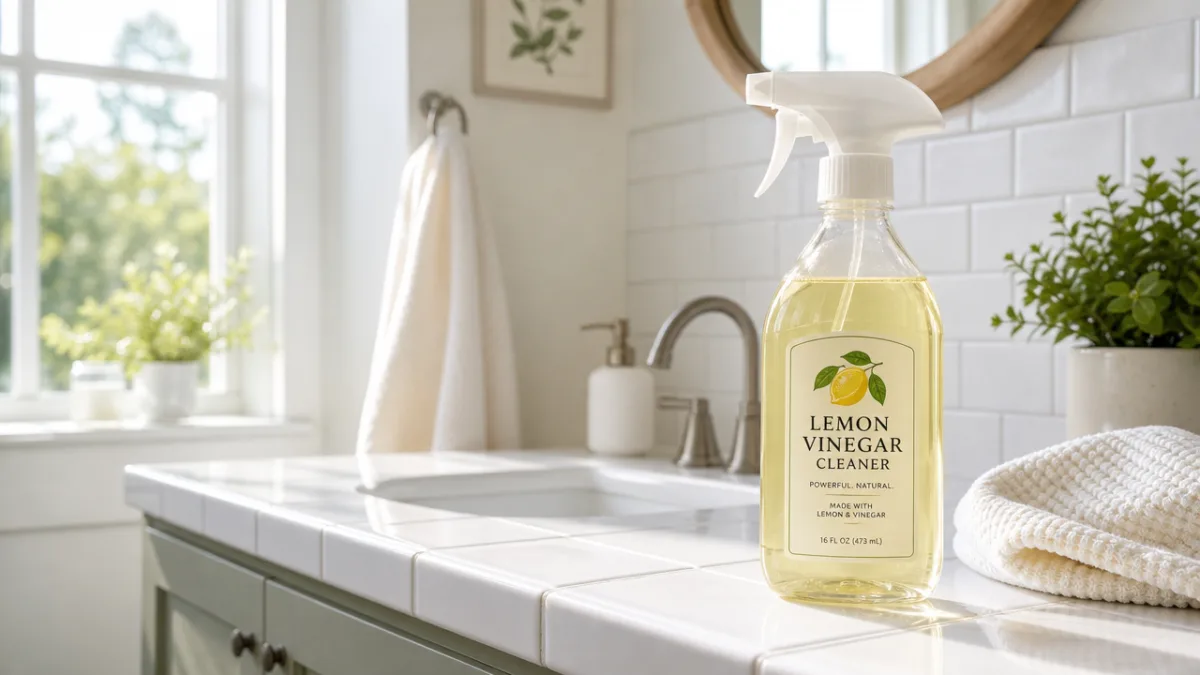
There is something deeply satisfying about cleaning your home with ingredients you can actually pronounce. Lemon vinegar spray is one of those wonderfully simple solutions that has been quietly transforming households for years, offering a powerful, natural alternative to the harsh chemical cleaners that line most store shelves. Made from just a handful of accessible ingredients, this DIY spray brings together the degreasing power of vinegar and the bright, antibacterial properties of lemon into one remarkably effective bottle.
The appeal of natural cleaning solutions has grown considerably as more people become aware of what they are introducing into their living spaces. Conventional cleaning products often contain synthetic fragrances, surfactants, and preservatives that can linger on surfaces and in the air long after you have finished scrubbing. For families with young children, pets, or anyone with respiratory sensitivities, this is a real concern worth taking seriously. Lemon vinegar spray sidesteps all of that, offering a transparent ingredient list you can feel genuinely confident about.
Why Lemon and Vinegar Make Such a Powerful Team
At first glance, combining lemon and vinegar might seem like an overly simple approach to household cleaning. But the chemistry behind this pairing is genuinely impressive. White vinegar is primarily composed of acetic acid, which disrupts the cell membranes of many common bacteria and breaks down grease, mineral deposits, and soap scum with ease. Its acidic nature makes it particularly effective on alkaline substances like hard water stains and calcium buildup, which are among the most stubborn messes found in kitchens and bathrooms.
Lemon brings its own considerable cleaning credentials to the mixture. The citric acid in lemon juice amplifies the overall acidity of the spray, enhancing its ability to cut through grime and disinfect surfaces. Beyond its chemical properties, lemon contains natural compounds called limonene and other terpenes that have demonstrated antimicrobial activity in scientific studies. These compounds also act as natural solvents, helping to dissolve oily residues and sticky messes that water alone would struggle to shift. The fresh citrus scent is, of course, a wonderful bonus that leaves rooms smelling clean and inviting rather than sterile and chemical.
Together, these two ingredients create a synergistic effect that is more potent than either would be on its own. The acetic acid from the vinegar and the citric acid from the lemon work in complementary ways, targeting different types of dirt and bacteria. The result is a multi-surface cleaner that can handle everything from kitchen countertops to bathroom tiles, window glass to wooden cutting boards, all without leaving behind harmful residues or overwhelming synthetic odors. It is a genuinely versatile solution that deserves a permanent place in every naturally minded home.
The Science Behind Natural Disinfection
Many people wonder whether natural cleaners can truly disinfect surfaces as effectively as commercial products, and it is a fair question. Research has shown that a solution with a pH below 4.5 is generally effective at inhibiting the growth of common household pathogens including E. coli, Salmonella, and Listeria. A properly made lemon vinegar spray typically falls well within this range, giving it genuine disinfecting capability that goes beyond simple surface cleaning. While it may not carry an EPA registration as a disinfectant, for everyday household use it performs admirably.
It is worth understanding, however, that natural does not mean unlimited. Lemon vinegar spray is not recommended for use on natural stone surfaces like granite or marble, as the acidity can slowly etch and dull the finish over time. It should also be kept away from cast iron cookware and certain hardwood finishes that are sensitive to prolonged moisture and acidity. Knowing these limitations helps you deploy your spray strategically, getting the most out of its considerable strengths while protecting the surfaces that need a gentler approach.
How to Make Your Own Lemon Vinegar Spray at Home
Making lemon vinegar spray at home is one of those rare projects that is genuinely as easy as it sounds. You do not need any special equipment, unusual ingredients, or prior experience with DIY cleaning products. The basic version requires nothing more than white vinegar, fresh lemons, water, and a clean spray bottle. From start to finish, the active preparation time is under ten minutes, though you will want to allow the lemon rinds to infuse in the vinegar for at least two weeks to draw out their most potent compounds and develop a richly fragrant oil.
The infusion process is what elevates a simple vinegar spray into something truly special. When lemon rinds sit in vinegar over time, the essential oils locked inside the peel gradually dissolve into the liquid, releasing those powerful terpene compounds and transforming the sharp, flat smell of plain vinegar into something genuinely pleasant and citrusy. Many people find that after two weeks the vinegar smell has mellowed considerably, making the finished spray much more enjoyable to use throughout the home. You can even extend the infusion to four weeks for a more concentrated result.
Here is a straightforward method to get you started. Gather your materials and follow these steps for a batch that will last you several weeks of regular use:
- Save the peels from four to six lemons after using the juice for cooking or drinks, making sure to remove as much white pith as possible since it can add bitterness to the infusion.
- Pack the lemon peels into a clean glass jar and cover them completely with undiluted white vinegar, then seal the lid tightly and store in a cool, dark cupboard for two to four weeks.
- Strain out the peels using a fine mesh sieve or cheesecloth, then combine the infused vinegar with an equal part of water in a clean spray bottle.
- Add ten to fifteen drops of additional essential oils such as tea tree, lavender, or eucalyptus if you want to boost antimicrobial properties or customize the scent.
- Label your bottle with the date and contents, give it a gentle shake before each use, and store it away from direct sunlight to preserve the potency of the citrus oils.
Customizing Your Spray for Different Needs
One of the great joys of making your own cleaning products is the freedom to adjust the formula based on what you need. If you want a spray with stronger grease-cutting power for a particularly oily kitchen, you can increase the ratio of infused vinegar to water, using two parts vinegar for every one part water. For a gentler spray suitable for surfaces that are more sensitive to acidity, a more diluted mixture of one part vinegar to two parts water will still freshen and clean without the same level of acidity.
You can also experiment with different citrus fruits to vary the scent profile and properties of your spray. Orange peels produce a warmer, sweeter fragrance and contain their own potent cleaning terpenes. Grapefruit peels add a fresh, slightly bitter note that many people find invigorating. Lime peels bring an intensity that works particularly well in bathrooms and laundry areas. Mixing peels from multiple fruits in a single infusion creates complex, layered scents that make cleaning feel far less like a chore and far more like a sensory experience you might actually look forward to.

The Many Surfaces and Spaces Where Lemon Vinegar Spray Shines
The versatility of lemon vinegar spray is one of its most compelling qualities. In the kitchen, it excels as an everyday counter spray, cutting through the grease spatters, crumb residue, and sticky fingerprints that accumulate around stovetops, prep areas, and cabinet fronts. A quick spritz followed by a wipe with a microfiber cloth leaves countertops looking clean and smelling fresh in a matter of seconds. It is equally effective on the exterior of appliances, glass stovetop surfaces, and the inner walls of microwaves that have suffered the inevitable splatter of reheated leftovers.
In the bathroom, lemon vinegar spray takes on soap scum, toothpaste residue, and the mineral deposits that form around faucets and drains in areas with hard water. Spray it generously onto tile grout, let it sit for five minutes before scrubbing, and you will notice a significant improvement in the brightness and cleanliness of those often-neglected narrow lines. Glass shower doors that have grown hazy with soap buildup respond remarkably well to a thorough application of lemon vinegar spray followed by a squeegee wipe, restoring their clarity without the need for harsh chemical treatments.
Beyond the kitchen and bathroom, this spray finds uses throughout the entire home. It makes an excellent glass and mirror cleaner, leaving windows streak-free and brilliantly clear when used with a lint-free cloth or crumpled newspaper. You can spray it onto pet areas to neutralize odors naturally, use it to wipe down trash can lids and recycling bins, or apply it to the interior of your refrigerator after emptying and wiping down the shelves. Its deodorizing properties mean it does not just mask smells but actively neutralizes the organic compounds responsible for unpleasant odors.
Using Lemon Vinegar Spray Outdoors
The usefulness of lemon vinegar spray does not have to stop at your front door. Outdoor furniture made from plastic, resin, or powder-coated metal responds well to a spray-and-wipe treatment that removes the grime, pollen, and general outdoor buildup that accumulates over a season. Garden tools benefit from a periodic wipe-down with the spray, which helps prevent the transfer of soil-borne pathogens between plants and keeps metal surfaces from developing rust-promoting residue.
On patios and outdoor tile surfaces, a more concentrated version of the spray can help lift the green algae and moss that make surfaces slippery in wet weather. For a deeper clean, apply undiluted infused vinegar to the affected area, let it sit for fifteen to twenty minutes, then scrub with a stiff brush and rinse with water. The citric compounds help break down the biological material, while the acidity discourages regrowth for a period of time. It is a satisfying, chemical-free approach to a problem that would otherwise require a pressure washer or commercial algaecide.
The Environmental and Financial Case for Switching to Natural Cleaners
The environmental benefits of making your own lemon vinegar spray are substantial and worth examining honestly. The average household purchases dozens of different cleaning products each year, each one arriving in a single-use plastic bottle that requires energy and resources to produce and will ultimately end up in a landfill. By replacing several of these products with a single homemade spray stored in a reusable glass or durable plastic bottle, you dramatically reduce your household’s contribution to plastic waste. Over the course of a year, a family that commits to this switch can eliminate dozens of empty bottles from their recycling bin.
The ingredients themselves carry a far lighter environmental footprint than most commercial cleaners. White vinegar is made from fermented grain alcohol, a renewable resource that biodegrades completely and safely in both water treatment systems and the natural environment. Lemon peels are a byproduct of fruit you were already using, meaning you are finding value in something that would otherwise go directly to the compost or garbage. When your spray eventually goes down the drain, it leaves behind nothing more harmful than dilute acetic acid and citrus compounds that break down naturally and quickly.
The financial argument is equally compelling. A large bottle of white vinegar costs only a few dollars and will make many batches of spray. Lemons, especially when bought in bulk or during peak citrus season, add minimal additional cost, particularly since you are using only the peels. Compare this to the ongoing expense of purchasing multiple specialized cleaning products, each priced between five and fifteen dollars, and the savings add up quickly and meaningfully. Many households find they save between one hundred and two hundred dollars per year simply by replacing commercial cleaners with homemade alternatives built around vinegar and citrus.
Reducing Indoor Air Pollution Through Natural Cleaning
Indoor air quality is a concern that often surprises people when they first learn how significantly household cleaning products can affect it. The volatile organic compounds released by many commercial sprays, including synthetic fragrances, preservatives, and active chemical ingredients, contribute meaningfully to indoor air pollution. In homes that are well insulated and tightly sealed for energy efficiency, these compounds can accumulate to levels that cause irritation in sensitive individuals and contribute to chronic low-grade health effects over time.
Switching to lemon vinegar spray eliminates most of these VOC concerns. The acetic acid in vinegar does release a distinctive smell during application, but it dissipates quickly and completely as it dries, leaving no chemical residue in the air. The citrus terpenes contribute a pleasant fragrance that also breaks down naturally within a short time. For households with asthma sufferers, allergy-prone individuals, or simply anyone who wants to breathe cleaner air at home, this represents a meaningful and easy-to-implement improvement to daily life.
Tips, Tricks, and Common Mistakes to Avoid
Like any cleaning method, lemon vinegar spray works best when you understand both its strengths and its limitations. One of the most common mistakes new users make is applying the spray to surfaces that are already heavily soiled and expecting instant results with a single wipe. For best performance, especially on greasy or heavily built-up surfaces, spray generously and allow the solution to dwell on the surface for two to five minutes before wiping. This contact time allows the acids to penetrate and break down the grime rather than simply sitting on top of it.
Another frequent pitfall is using too much spray and not wiping thoroughly enough, which can leave a faint vinegar smell that lingers longer than necessary. A light-to-moderate application followed by a thorough wipe with a clean, dry cloth or paper towel is more effective than a heavy soaking. On mirrors and glass particularly, less is more. A few targeted spritzes wiped immediately in a circular motion will produce a streak-free shine, while over-application tends to create smearing and requires multiple passes to clear.
Temperature also affects the performance of your spray in ways that are worth being aware of. Slightly warm surfaces tend to respond better than cold ones, as the heat encourages the acids to work more actively. If you are cleaning a particularly stubborn area, a few seconds with a warm damp cloth before applying the spray can make a noticeable difference in how effectively the solution cuts through the buildup. Similarly, storing your spray bottle at room temperature rather than in a cold cabinet ensures it is ready to work at its best whenever you reach for it.
Keeping Your Spray Fresh and Effective Over Time
A properly made batch of lemon vinegar spray stored in a sealed bottle and kept out of direct sunlight should remain effective for up to three months without any significant loss of cleaning power. However, if you have added fresh lemon juice rather than just the infused vinegar, the shelf life shortens considerably, and the mixture should be used within two weeks before the juice begins to ferment or develop an off smell. For longer-lasting batches, stick to the infused peel method and add a few drops of pure lemon essential oil if you want a stronger citrus fragrance.
Giving the bottle a gentle shake before each use is a good habit to develop, as the citrus oils can separate slightly from the water component when left to stand. You will also want to rinse the spray nozzle periodically to prevent the small amount of residue that can build up inside the mechanism from clogging the spray pattern over time. With just these small acts of maintenance, your spray bottle and its contents will serve you reliably and consistently through weeks of everyday household cleaning, proving that the simplest solutions are often the most enduring ones.

Building a Fully Natural Cleaning Routine Around Your Lemon Vinegar Spray
Once you have experienced the effectiveness and simplicity of lemon vinegar spray, it is natural to want to extend the same philosophy to other areas of your cleaning routine. A truly natural cleaning kit does not need to be large or complicated. In fact, the most sustainable and effective natural cleaning systems are built around just a handful of versatile ingredients that can be combined in different ways to tackle virtually every cleaning task you will encounter in everyday home maintenance.
Alongside your lemon vinegar spray, consider keeping a jar of baking soda, a bottle of unscented castile soap, and a small supply of essential oils. Baking soda is a mild abrasive that works beautifully as a scrubbing paste on sinks, tubs, and stovetops, and it pairs naturally with your vinegar spray for particularly stubborn jobs. Castile soap handles anything that needs a surfactant-based clean, such as floors, dishes, and general laundry. Together, these four components cover the vast majority of cleaning needs in any home, at a fraction of the cost and environmental impact of a conventional cleaning cabinet.
Making the switch to a fully natural cleaning routine is also an opportunity to reconsider the tools you use. Microfiber cloths, which can be washed and reused hundreds of times, are significantly more effective than disposable paper towels when paired with a spray like lemon vinegar, as their fine fibers trap and lift particles rather than pushing them around. Natural fiber scrubbing brushes with replaceable heads, reusable mop pads, and compostable cleaning wipes round out a toolkit that is as kind to the environment as the products you are applying with it.
Sharing the Practice with Your Household and Community
One of the most rewarding aspects of embracing natural cleaning is the ease with which you can share it with the people around you. Lemon vinegar spray makes an ideal homemade gift, especially when presented in a beautiful glass bottle with a handwritten label and a card explaining its uses and benefits. Friends and family who receive it as a gift often become enthusiastic converts themselves, discovering firsthand that cleaning their homes can be a simpler, healthier, and more sustainable experience than they had imagined.
Within your own household, involving children in the process of making and using natural cleaners is a wonderful way to teach practical life skills alongside environmental values. Children old enough to squeeze lemons and measure ingredients can participate in making a batch of spray, and the transparency of the process helps them understand in a tangible way why knowing what goes into everyday products matters. Seeing a clean, fresh-smelling kitchen that was cleaned with lemon and vinegar rather than a harsh chemical spray makes the lesson immediate and memorable in a way that a classroom discussion never quite could.
Ultimately, the choice to freshen up your home naturally with lemon vinegar spray is a small decision that ripples outward in more ways than you might expect. It reduces chemical exposure for your family, lessens your environmental footprint, saves money over time, and connects you to a long tradition of resourceful, ingredient-conscious home care that stretches back generations before the age of the commercial cleaning aisle. It is a change that is easy to make, easy to maintain, and deeply satisfying in its simplicity, which may be the most convincing argument of all.








What do you think?
It is nice to know your opinion. Leave a comment.