










From Business Grad to Full-Time Furniture Flipper: How to Build a Thriving Reselling Business
The Unlikely Career Pivot That’s Changing Lives
Every year, thousands of business graduates leave campus with degrees in marketing, finance, or management — only to find that corporate life feels a lot less fulfilling than the brochures made it sound. For a growing number of them, the answer isn’t a different job title or a shinier office. It’s a secondhand dresser, a can of chalk paint, and an entrepreneurial itch that no classroom could quite scratch. Furniture flipping has quietly become one of the most accessible small business models out there, blending creativity with commerce in a way that makes Monday mornings feel a lot less dreadful.
The origin story tends to follow a familiar arc in reselling communities online: someone takes a conventional job, feels stuck almost immediately, stumbles across a piece of furniture at a garage sale, refurbishes it on a whim, sells it for a profit, and suddenly realizes there’s a real business hiding inside what felt like a hobby. What makes this path so compelling isn’t just the money — though the margins can genuinely surprise you — it’s the mix of independence, physical craft, creative expression, and business instinct that furniture flipping demands and rewards all at once.
A business degree turns out to be a surprisingly useful thing to have in this world. Understanding profit margins, reading local demand, building a social media presence, managing cash flow through slow months — a business education covers all of that. The difference is that in furniture flipping, you feel the results of those decisions within days or weeks, not quarters. The feedback loop between effort and reward is refreshingly direct. In a lot of ways, it’s the purest form of entrepreneurship available to someone starting with very little capital.
Understanding the Furniture Flipping Business Model
On the surface, furniture flipping is simple: buy low, improve it, sell high. But like most simple ideas executed well, the details are everything. Good flippers develop an almost instinctive eye for hidden potential — a structurally solid mid-century dresser buried under layers of ugly paint, a sturdy dining table with a water-damaged top that just needs sanding, a Victorian sideboard that would command serious money with a hardware swap. Learning to see past surface damage to the value underneath is the single most important skill you can build, and it gets sharper with every piece you work on.
Sourcing is where the business model lives or dies before a single brush stroke gets applied. Experienced flippers build networks of reliable sources over time — estate sales, thrift stores, Facebook Marketplace, Craigslist, roadside finds, auction houses, even relationships with property managers clearing out rental units. The most successful ones don’t sit around waiting for great pieces to show up. They set alerts, check listings daily, and move fast when something promising appears. The secondhand furniture market, especially in cities, has gotten increasingly competitive as more people catch on to what’s possible.
Pricing finished pieces well requires a mix of market research and a feel for buyer psychology. New flippers almost always underprice their work — they account for materials but forget to factor in their time, overhead, and the real value they’ve added through skill and labor. Studying comparable sales on Facebook Marketplace, Etsy, Chairish, and eBay gives you solid data on what buyers in your area will actually pay. It also helps to remember that people buying furniture aren’t just looking for something functional. They’re buying a story, an aesthetic, something that feels one-of-a-kind in a world full of flat-pack sameness. Flippers who understand that emotional dimension almost always command higher prices.
The Tools, Skills, and Supplies You’ll Actually Need
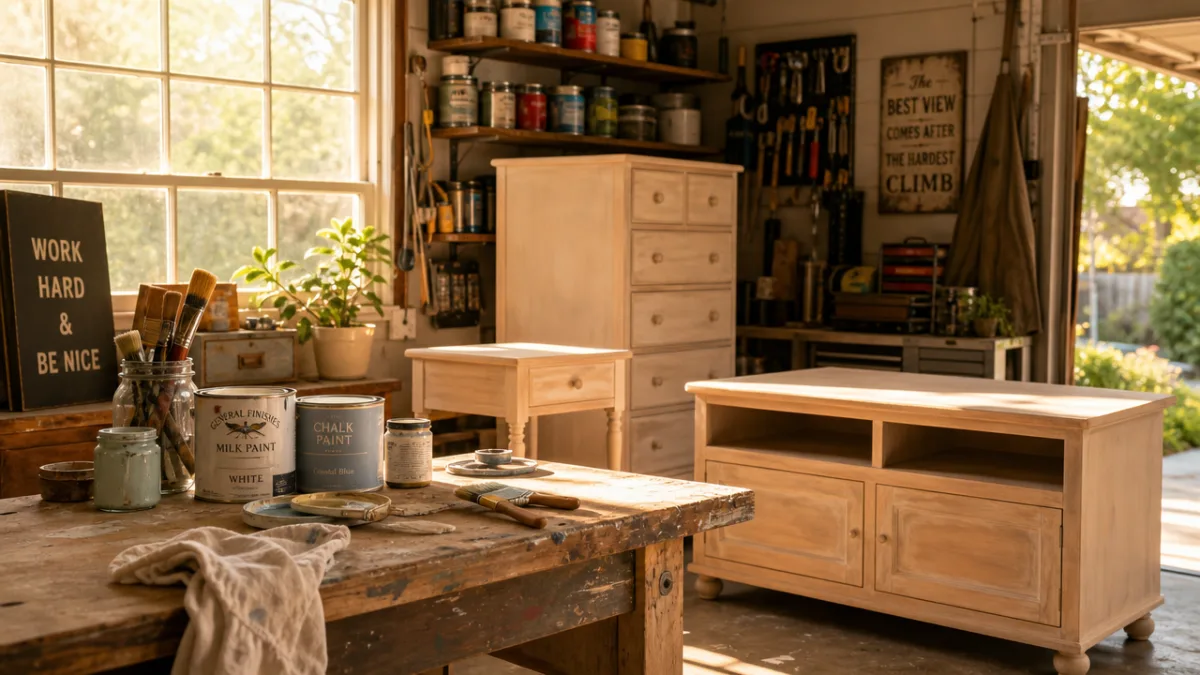
One of the best things about starting a furniture flipping business is how low the barrier to entry actually is. You don’t need a warehouse or a big equipment budget. A few hundred dollars in tools and supplies and a willingness to learn by doing is genuinely enough to get started. The learning curve is real, but it’s manageable — and the community of flippers on YouTube, Pinterest, Instagram, and dedicated Facebook groups is surprisingly generous with tutorials, tips, and encouragement for newcomers willing to put in a little time.
Your core toolkit covers a few key areas. For surface prep, you’ll want sandpaper in multiple grits, a random orbital sander for large flat surfaces, and detail sanders or sanding blocks for anything curved or ornate. For application, brushes and rollers made specifically for furniture paint make a noticeable difference in your final results. For repairs, wood filler, wood glue, clamps, and basic hand tools will handle most of the structural issues you’ll run into. A good primer and topcoat round things out — and figuring out when to use chalk paint versus mineral paint versus milk paint versus traditional latex is one of those skills that just comes with practice.
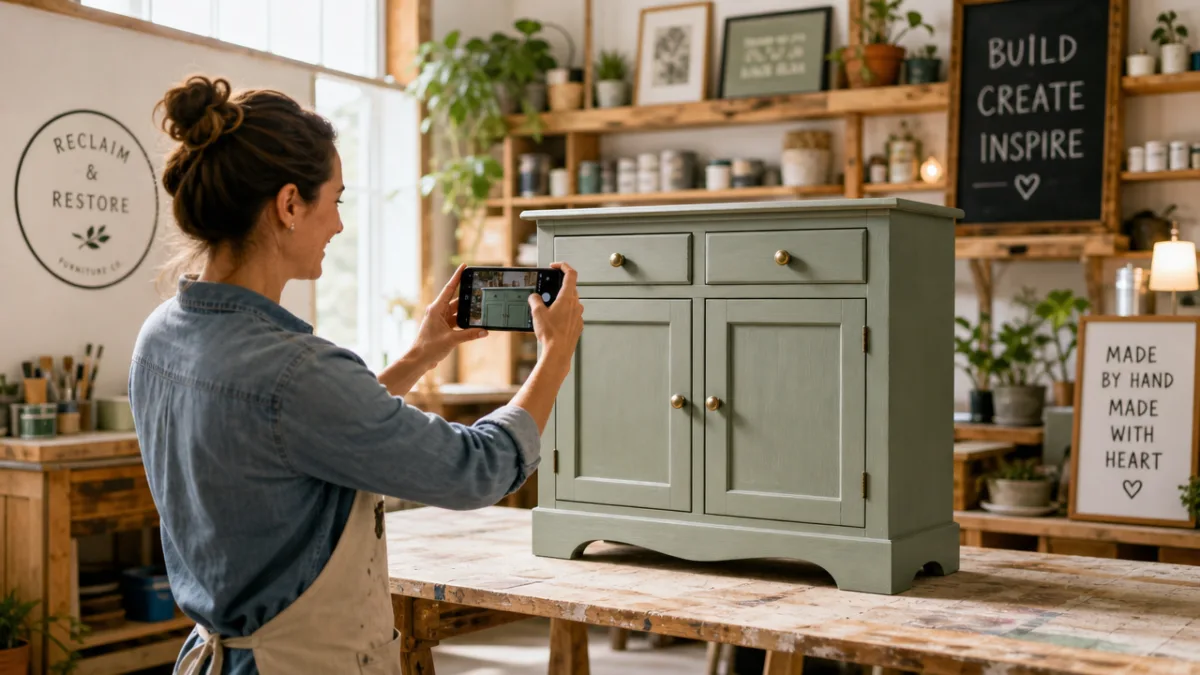
Beyond the physical tools, there are skills that might seem like side projects but are absolutely central to growing the business. Photography might be the most underrated one. Selling furniture online is almost entirely a visual experience, and the gap between a well-lit, thoughtfully staged photo and a dark, cluttered snapshot can mean the difference between selling a piece in two hours or two months. Learning basic composition, working with natural light, and building a consistent visual style for your listings will transform your ability to attract buyers and justify higher prices. Content creation for social media, writing compelling listing descriptions, and keeping up with basic bookkeeping are just as important for anyone building this into a full-time income.
- Sandpaper and sanders: Multiple grits from 80 to 220 for prep and finishing work on different wood types and surfaces.
- Quality paint brushes: Synthetic bristle brushes in multiple sizes for detail work and broad, flat brushes for large surfaces.
- Chalk, mineral, or milk paint: Each has distinct properties suited to different pieces, finishes, and buyer aesthetics.
- Wood filler and glue: Essential for repairing dents, gouges, loose joints, and missing veneer on damaged finds.
- Hardware: A collection of knobs, pulls, and hinges in various styles can completely transform a dated piece.
- Protective topcoat: Wax, polyurethane, or polycrylic depending on the paint used and the intended use of the piece.
- Photography setup: A clean backdrop, access to natural light, and a smartphone with a decent camera are sufficient to start.
Building a Brand and Finding Your Customers
Flippers who successfully make the jump from side hustle to full-time income almost always share one thing in common: they stopped thinking of themselves as people who sell old furniture and started thinking of themselves as a brand. A clear identity — a recognizable aesthetic, a consistent voice, a story that speaks to a specific kind of buyer — turns a transactional reselling operation into something people actively seek out and come back to. In a crowded market, your brand is what creates loyalty, supports higher prices, and generates the kind of word-of-mouth that eventually makes paid advertising feel unnecessary.
Pinterest and Instagram have proven especially powerful for furniture flippers, and not just as places to advertise. Used well, they function as portfolio platforms, search engines, and community spaces all at once. A well-maintained Pinterest account full of before-and-afters, process shots, and finished piece photos can pull in real organic traffic from buyers who are actively searching for exactly what you make. Instagram’s visual format lets you build a following around your aesthetic and personality, so people are genuinely interested in your work long before they think about buying from you. The key shift in thinking is realizing that content creation isn’t a distraction from your business — it’s one of its core functions.
Facebook Marketplace is still the highest-volume sales channel for most furniture flippers, especially those selling locally rather than shipping nationally. Its integration with local community groups, seller ratings, and sheer user base make it an essential tool for moving inventory. That said, relying on Marketplace alone leaves real money on the table. Etsy, Chairish, and 1stDibs attract buyers who are specifically hunting for quality vintage and upcycled pieces — and who are willing to pay significantly more for the right find. Building a multi-channel selling strategy that matches each platform’s buyer to the right pieces in your inventory is a hallmark of a mature, profitable operation.
Customer relationships are one of the most underestimated growth drivers in this business. A buyer who has a great experience — a beautiful piece, a professional and responsive seller, that genuine excitement of finding something special — becomes a repeat customer and an enthusiastic referrer. Small habits like following up after a sale, asking for a review, and keeping a simple mailing list of past buyers who want to know when new pieces are available can go a long way toward smoothing out the feast-or-famine income swings that come with the territory. Treating every transaction as the start of a relationship rather than the end of one is one of the clearest differences between flippers who plateau and those who keep growing.
Managing the Financial Reality of a Flipping Business
One of the most important — and least photogenic — parts of building a furniture flipping business is getting the financial side right from day one. The beautiful before-and-afters on Instagram can make it easy to forget that this is a real business with real costs, real tax obligations, and real cash flow challenges that need disciplined attention. A business background helps a lot here, because the fundamentals apply directly: track every dollar in and out, know your true cost per piece, keep enough working capital on hand, and plan for slow months with the same care you bring to busy ones.
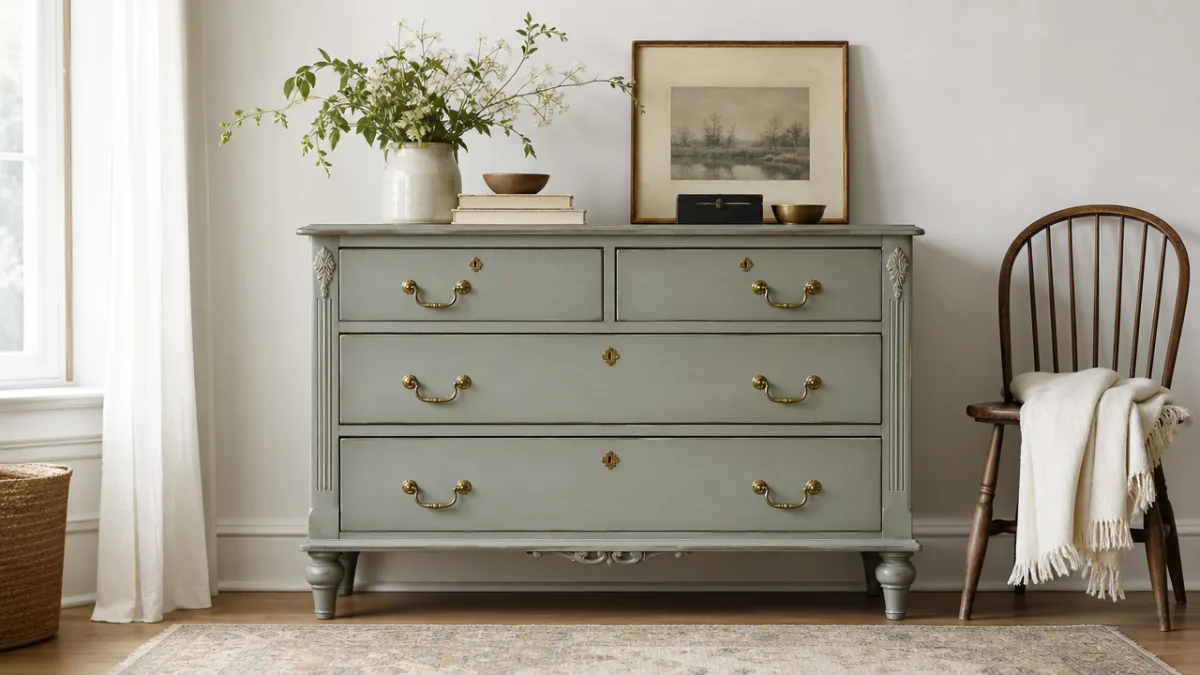
Figuring out your real profit on each piece means accounting for costs that new flippers often miss or wave away. The purchase price is just the starting point. Transportation — whether you own a truck or pay for delivery — adds up fast across a full year of hauling. Supplies like paint, primer, hardware, sandpaper, and topcoat get used on every project and need to be tracked per piece rather than lumped into some vague overhead bucket. Platform fees on Etsy or Chairish typically run between five and fifteen percent of the sale price. And then there’s your time. If you pay yourself an honest hourly rate for sourcing, refurbishing, photographing, listing, messaging buyers, and coordinating pickups, your pricing math becomes a lot more clarifying in a hurry.
Scaling past a one-person operation brings new financial and logistical questions that a business education really does help you navigate. Some flippers rent dedicated studio or warehouse space, which improves workflow but adds fixed monthly overhead you have to cover whether sales are strong or not. Others bring in part-time help for labor-heavy prep work like stripping and sanding, freeing their own time for higher-value tasks like sourcing, finishing, and content creation. A few build genuine small companies with employees, processes, and enough infrastructure that the business can function without their hands in every single piece. Each path comes with its own trade-offs, and knowing how to think through those trade-offs is where a business education genuinely earns its keep.
- Track every expense from day one: Use a simple spreadsheet or accounting app to log every purchase, supply cost, fee, and sale before habits become hard to change.
- Set a minimum acceptable profit per piece: Know your floor before you buy anything, and walk away from pieces that can’t clear it even under optimistic assumptions.
- Build a cash reserve: Aim for enough working capital to cover two to three months of sourcing and supplies without needing immediate sales to fund the next round.
- Separate business and personal finances: Open a dedicated business checking account and credit card immediately — the bookkeeping clarity alone is worth far more than the minor inconvenience.
- Understand your tax obligations: Self-employment tax, quarterly estimated payments, and deductible business expenses all require attention; consulting an accountant early saves significant money and stress later.
Making the Leap to Full-Time: Timing, Mindset, and Sustainability
Every part-time flipper eventually arrives at the same question, and it sounds simple until you actually sit with it: when is it safe to quit the day job and go all in? There’s no universal answer, but experienced full-time flippers tend to point to the same markers. The most concrete one is income replacement — if your flipping revenue has consistently matched or exceeded your take-home pay for at least three to six months, and your inventory pipeline, sourcing relationships, and buyer demand all look healthy, the financial case for making the leap gets pretty compelling. Just as important is having a cash cushion, typically three to six months of living expenses, so a slow stretch doesn’t force you into desperation pricing or panic.
The psychological side of going full-time is something a lot of people underestimate, especially if they’ve spent their whole working life inside the rhythms of employment. The freedom is real and it’s wonderful — but so is the absence of a guaranteed paycheck, the quiet isolation of working alone, and the way business problems have a habit of following you into evenings and weekends when there’s no clean line between work and the rest of your life. Successful full-time flippers tend to build intentional structures to offset this: set working hours, dedicated sourcing days, regular financial check-ins, and community with other flippers who get the specific highs and frustrations of the work. The mental discipline of self-employment is absolutely learnable, but it takes the same deliberate effort as any other business skill.
Long-term sustainability comes down to building systems that don’t depend on perfect conditions or relentless hustle. That means developing enough sourcing relationships that inventory stays consistent, building enough of an audience that pieces sell quickly rather than sitting, and managing money carefully enough that a slow month stays just that — a slow month, not a crisis. It also means taking your physical health seriously. Furniture flipping is harder on the body than it looks, and flippers who ignore proper lifting technique, ergonomics, and rest often find that out the hard way. Building a business that actually lasts means treating yourself with the same care and intention you bring to every piece you restore.
The story of a business grad who walks away from a conventional career to build something creative, independent, and genuinely their own is one of the most resonant professional narratives of our time. Furniture flipping offers something rare: a business model that rewards both analytical thinking and hands-on craft, with a low barrier to entry but a real ceiling for those willing to invest in their skills and their brand — and that leaves you with something tangible and beautiful at the end of every project. For the right person — curious, resourceful, patient, and comfortable with a little uncertainty — this isn’t just a side hustle. It’s a career worth building.








What do you think?
It is nice to know your opinion. Leave a comment.