










Charming DIY Vintage Kitchen Storage Ideas: Transform Your Space with Timeless Style
The Enduring Appeal of Vintage Kitchen Aesthetics
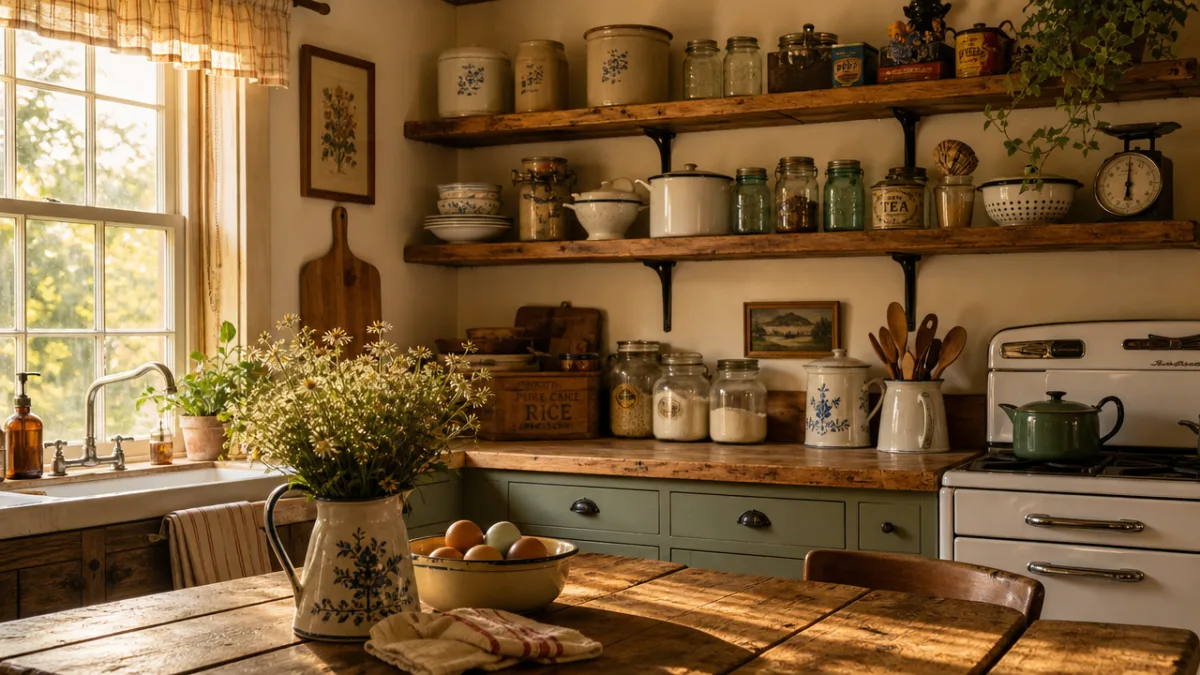
There is something deeply comforting about a kitchen that feels rooted in the past — where mismatched mason jars line open shelves, worn wooden crates hold seasonal produce, and every storage solution tells a story. The vintage kitchen aesthetic has surged in popularity not simply as a trend, but as a meaningful reaction to the cold uniformity of modern design. People are craving warmth, character, and the sense that their home has been lived in and loved over many decades.
What makes vintage storage ideas so appealing is that they celebrate imperfection. A slightly chipped enamelware canister or a repurposed tin with faded lettering adds authenticity that no mass-produced item can replicate. This philosophy encourages resourcefulness and creativity, inviting homeowners to look at everyday objects — old ladders, antique crates, worn-out furniture — and reimagine them as functional, beautiful storage solutions for the most important room in the home.
Beyond aesthetics, vintage-inspired DIY storage is remarkably practical. Many traditional storage methods were designed out of necessity, which means they are often extraordinarily functional. Hanging pot racks, open pantry shelves, and pegboard systems were all born from the need to keep a busy kitchen organized and accessible. When you combine that practicality with the warmth and beauty of vintage styling, you create a kitchen that is not only a joy to look at but an absolute pleasure to cook in every single day.
Why DIY Is the Best Approach for Vintage Style
Taking the do-it-yourself route when creating a vintage kitchen is not just a budget-saving strategy — it is actually the most authentic way to achieve the look. Vintage style is, at its heart, about pieces that have a history, and DIY projects allow you to build that story yourself. When you sand down an old wooden crate and install it as a shelf, or repaint a thrifted spice rack with milk paint, you are creating something genuinely unique that no amount of money spent at a home goods store can replicate.
DIY projects also allow for complete customization to your specific kitchen dimensions, color palette, and storage needs. Ready-made vintage-style products are often designed to appeal broadly, meaning they may not fit your space perfectly or reflect your personal taste. When you build or restore storage solutions yourself, every measurement, color choice, and finishing technique can be tailored to your exact requirements, resulting in a kitchen that feels personal and cohesive rather than assembled from a catalog.
Additionally, the process of creating DIY vintage storage is deeply satisfying. There is a particular joy in transforming something discarded or overlooked into something beautiful and functional. Whether you are new to DIY projects or a seasoned crafter, vintage kitchen storage ideas offer a range of complexity levels, from the supremely simple — decanting pantry goods into antique jars — to the genuinely skilled, such as building a freestanding pantry cabinet from reclaimed timber. Every project, regardless of difficulty, contributes meaningfully to the character of your kitchen.
Repurposing Everyday Antiques as Storage Solutions
One of the most exciting aspects of vintage kitchen design is the treasure hunt it inspires. Flea markets, estate sales, thrift stores, and even your own attic can yield extraordinary finds that, with a little imagination, become the most charming storage solutions in your kitchen. Old wooden apple crates, once used to transport fruit to market, are ideal for holding root vegetables or displaying a collection of cookbooks. Stack two or three and you have an instant set of rustic open shelves that cost almost nothing.
Antique tins, once produced to hold everything from biscuits to tobacco, make wonderfully atmospheric containers for dry goods like sugar, flour, tea, and coffee. Their lithographed labels, often featuring beautiful typography and nostalgic illustrations, add visual interest to any counter or shelf. You can find them at antique shops or online marketplaces, and they require no modification whatsoever to become functional kitchen storage. Simply ensure they are clean and food-safe, and they are ready to use immediately in your vintage kitchen setup.
Old enamelware is another category of antique that translates beautifully into kitchen storage. Vintage enamel canisters, colanders, and pitchers bring a satisfying heft and a gentle color palette — soft whites, creams, duck egg blues, and sage greens — that is quintessentially vintage. Use an old enamel colander as a fruit bowl, hang a vintage enamel pitcher on a hook to hold wooden spoons and spatulas, or line up a set of matching enamel canisters on your counter for a display that is equal parts decorative and useful.
Turning Furniture Into Functional Storage
Old furniture pieces can be repurposed with tremendous effect in the vintage kitchen. A wooden ladder, either salvaged or new but distressed for effect, becomes an elegant hanging rack when suspended horizontally from the ceiling with heavy-duty rope. From it you can hang cast iron pans, copper cookware, bundles of dried herbs, and even woven baskets filled with smaller kitchen items. It is a solution that maximizes vertical space while creating a dramatic, farmhouse-style focal point.
An old dresser or sideboard, stripped back, repainted, and fitted with new drawer liners, becomes a charming kitchen island or a dedicated baking station. The drawers can hold everything from baking tools and measuring cups to cloth napkins and table linens, while the surface provides valuable additional workspace. Look for solid wood pieces with good bones at second-hand shops — even pieces with damaged veneer or broken handles can be restored beautifully with the right technique and a little patience.
Wooden step stools and small side tables can be repurposed as portable storage units. Paint them in a vintage milk paint color such as buttermilk, sage, or dusty rose, and use them to display a grouping of vintage jars, potted herbs, or a collection of antique recipe books. These small but impactful pieces add layers to your kitchen’s visual story and ensure that storage feels artful rather than purely functional, contributing to the overall warmth and personality of the space.
Open Shelving: The Heart of the Vintage Kitchen
Open shelving is perhaps the single most transformative feature you can introduce into a vintage kitchen. Unlike closed cabinets, which hide everything away behind uniform doors, open shelves put your collection on display, inviting the eye to travel across a curated arrangement of vessels, books, plants, and everyday essentials. When styled thoughtfully, open shelves in a vintage kitchen look less like organized storage and more like a slowly assembled, deeply personal still life.
The material you choose for your shelving makes a significant difference to the overall aesthetic. Reclaimed timber is the gold standard for vintage open shelving — old floorboards, barn wood, or scaffold boards all have a beautiful grain and texture that new wood simply cannot replicate. Sand them lightly, treat them with a natural oil finish, and they will develop even more character over time. For brackets, look for aged iron or steel options, cast iron shelf brackets salvaged from old buildings, or even thick rope supports for a more rustic, nautical feel.
Styling your open shelves is an art in itself, and the vintage approach involves mixing utilitarian items with purely decorative ones in a way that feels organic rather than arranged. A good rule of thumb is to group items in odd numbers, vary the heights within each grouping, and ensure that functional items such as jars of grains and stacked plates are interspersed with purely beautiful objects like a small vintage pitcher, a bunch of dried flowers, or a single piece of antique pottery. The result should feel collected over time, not curated in an afternoon.
DIY Shelf Ideas Using Reclaimed and Found Materials
Building your own vintage-style open shelves does not require advanced carpentry skills. One of the simplest approaches involves wooden pallets, which can often be sourced for free or very cheaply from local businesses. Sanded smooth and treated with a safe finish, pallet wood makes wonderfully textured shelving. You can cut planks to your desired length, mount them to the wall with industrial pipe brackets for an urban vintage look, or use traditional wooden brackets painted in a contrasting color for a more cottagey feel.
For a more refined look, consider salvaged timber from old furniture. Solid wood tabletops and headboards can be cut down and repurposed as shelving planks with minimal effort. The existing patina, marks, and imperfections in the wood add the kind of authentic vintage character that would take years to develop in new timber. This approach is also wonderfully sustainable, keeping quality materials out of landfill and giving them a new purpose in a space where they will be seen and appreciated every day.
Another clever shelving idea involves using wooden wine or spirit crates as wall-mounted box shelves. These small, sturdy boxes can be mounted individually or in clusters, creating a modular shelving system that is both practical and visually interesting. Paint them in different vintage tones — cream, sage green, terracotta, or pale blue — for a collected look, or leave them natural for a more rustic effect. Inside each crate you can store small jars, condiments, spice collections, or decorative items, creating a wall display that is entirely your own.
Mason Jars, Crocks, and Vintage Containers for Pantry Organization
The mason jar is perhaps the most iconic element of vintage kitchen storage, and for very good reason. These simple, enduring glass jars are extraordinarily versatile, perfectly functional, and genuinely beautiful in their unpretentious way. Used to store everything from dried pasta and lentils to homemade jams and pickled vegetables, mason jars bring clarity and order to the pantry while maintaining the warm, artisanal feeling that defines the vintage kitchen aesthetic.
Decanting dry goods from their original packaging into glass jars is one of the quickest and most impactful transformations you can make in any kitchen. The visual consistency of a shelf lined with mason jars creates a sense of calm and organization, and because the contents are visible, you always know at a glance what you have and what needs replenishing. Label them with hand-written tags on twine, chalkboard labels, or aged kraft paper stickers to add a further layer of vintage charm to your pantry or open shelf display.
Beyond mason jars, vintage crocks and stoneware offer beautiful alternatives for storing larger quantities of dry goods or for keeping utensils and tools organized on the counter. Traditional salt-glazed stoneware crocks, often stamped with blue cobalt designs, are both beautiful and practical. Use them to hold wooden spoons, whisks, and spatulas near the stove, or to store bread on the counter. Their weight and solidity feel reassuringly old-fashioned, and they develop a lovely patina with everyday use that makes them more beautiful with time.
Creative Container Displays for Counter and Shelf
Creating a beautiful container display on your kitchen counter or shelves involves thinking about grouping, proportion, and variety. Consider the following approaches when arranging your vintage containers:
- Group containers of varying heights together to create visual rhythm — place the tallest pieces at the back and shorter ones in front so every item remains visible and accessible.
- Mix materials deliberately: pair glass mason jars with ceramic crocks and wooden bowls to create contrast that keeps the eye interested without feeling chaotic or mismatched.
- Use a consistent labeling style across all your containers, whether handwritten, stamped, or printed on aged paper, to create a sense of visual cohesion across an otherwise varied collection.
- Include at least one purely decorative element in each grouping — a small vintage postcard propped against a jar, a sprig of dried lavender, or a small antique spoon — to prevent the display from feeling overly utilitarian.
- Choose a limited color palette for your containers to keep the overall look harmonious. Whites, creams, greens, and warm browns all work beautifully together in a vintage kitchen context.
Repurposing non-kitchen vintage finds as containers is another delightful way to add personality to your storage displays. Old teapots make charming holders for wooden spoons, while vintage biscuit tins can corral tea bags, sugar sachets, or small snack items. Antique butter dishes can hold loose tea or small herb packets, and old flour sifters can be cleaned and repurposed as fruit holders or whimsical display pieces. This kind of unexpected repurposing is entirely in the spirit of vintage design and gives your kitchen a genuinely individual character.

Finishing Touches: Paint, Labels, and Vintage Styling Details
The finishing details in a vintage kitchen can make the difference between a space that merely nods to the past and one that feels genuinely transported to another era. Paint choices are fundamental — look for colors with historical precedent, such as warm cream, sage green, duck egg blue, slate grey, or soft terracotta. Milk paint, which is available from specialty suppliers, gives a chalky, authentically aged finish that is almost impossible to replicate with conventional wall paint and is particularly beautiful on wooden shelves and furniture pieces.
Hardware choices are equally important. Replace modern chrome or brushed steel fittings with aged brass, black iron, or ceramic options. Cup hooks in aged brass are perfect for hanging mugs, measuring spoons, or small baskets. Iron ring pulls on drawers and cabinets immediately shift the feel of a kitchen toward the vintage, and ceramic knobs painted with simple botanical motifs or featuring vintage typography add a charming handmade quality to even the most basic cabinetry. These small changes cost relatively little but have a disproportionately large impact on the overall aesthetic.
Labels deserve special consideration as a finishing touch in the vintage kitchen. Hand-lettered tags tied with jute twine reference the tradition of the household inventory, where the organized homemaker labeled everything clearly and beautifully. You can make your own labels from kraft paper cut into simple shapes, or purchase vintage-style label sets from stationery suppliers. Chalkboard labels are particularly practical as they can be wiped clean and rewritten when the contents of a jar or container changes, combining practicality with the nostalgic appeal of the old-fashioned chalkboard pantry sign.
Incorporating Greenery and Organic Elements
No vintage kitchen feels complete without the presence of living things. Fresh herbs grown in terracotta pots on the windowsill, bundles of dried flowers hanging from a ceiling beam, or a trailing plant cascading from an open shelf all add the organic warmth that keeps a heavily styled kitchen from feeling like a museum display. Herbs in particular are a quintessentially vintage kitchen element — rosemary, thyme, sage, and mint not only look beautiful but fill the kitchen with a gentle, comforting fragrance.
Dried botanicals offer a particularly low-maintenance way to introduce organic texture and natural color to your vintage kitchen. Bunches of dried lavender, eucalyptus, chamomile, or wheat tied with jute and hung from hooks or ceiling beams create a wonderfully rustic, apothecary-like atmosphere. You can dry your own herbs and flowers during the summer months and display them through the year, rotating the collection seasonally to keep the display feeling fresh and connected to the natural world outside your window.
Finally, remember that the most successful vintage kitchens are those that feel genuinely used and loved. Do not be afraid to let everyday life show — a well-worn wooden chopping board propped against the backsplash, a stack of dog-eared recipe books on an open shelf, a collection of mismatched but beloved mugs hanging from a row of hooks. These are not flaws to be hidden but stories to be celebrated. A vintage kitchen is not a styled showroom; it is a living, breathing space that grows more beautiful the more it is used, cooked in, and filled with the ordinary, precious details of daily life.








What do you think?
It is nice to know your opinion. Leave a comment.