










How to Crochet 11 Senior Project Ideas: A Complete Guide
Introduction to Senior Crochet Projects
Crochet has always held a special place in the world of fiber arts — it’s creative, it’s flexible, and honestly, it’s just really satisfying. For seniors especially, picking up a hook and some yarn can be so much more than a way to pass the time. Whether you’ve been crocheting for decades or you’ve only recently discovered how much fun it is, senior crochet projects are a fantastic way to blend creativity with purpose. You end up with something beautiful to show for your effort, but the making of it matters just as much as the finished piece.
There’s actually some solid research behind why crochet feels so good. The repetitive, rhythmic hand movements involved can ease anxiety, help lower blood pressure, and even support cognitive health over time. When you sit down to work on a substantial project, you’re doing a lot more than just making something pretty — you’re keeping your mind genuinely active. Counting stitches, following a pattern, making little creative decisions along the way: all of that adds up in ways that passively watching TV or scrolling through your phone simply can’t match.
The 11 project ideas we’re walking through here were chosen with real care — they cover a wide range of skill levels, time commitments, and purposes. Some make wonderful gifts for grandkids. Others are perfect for donating to a charity drive or a local hospital. Every single one was picked with the senior crocheter in mind, thinking about things like how gentle it is on your hands and wrists, how clear the pattern structure is, and how genuinely satisfying the finished result will feel. No matter where you are in your crochet journey, there’s something here for you.
Essential Tools and Materials for Senior Crocheters
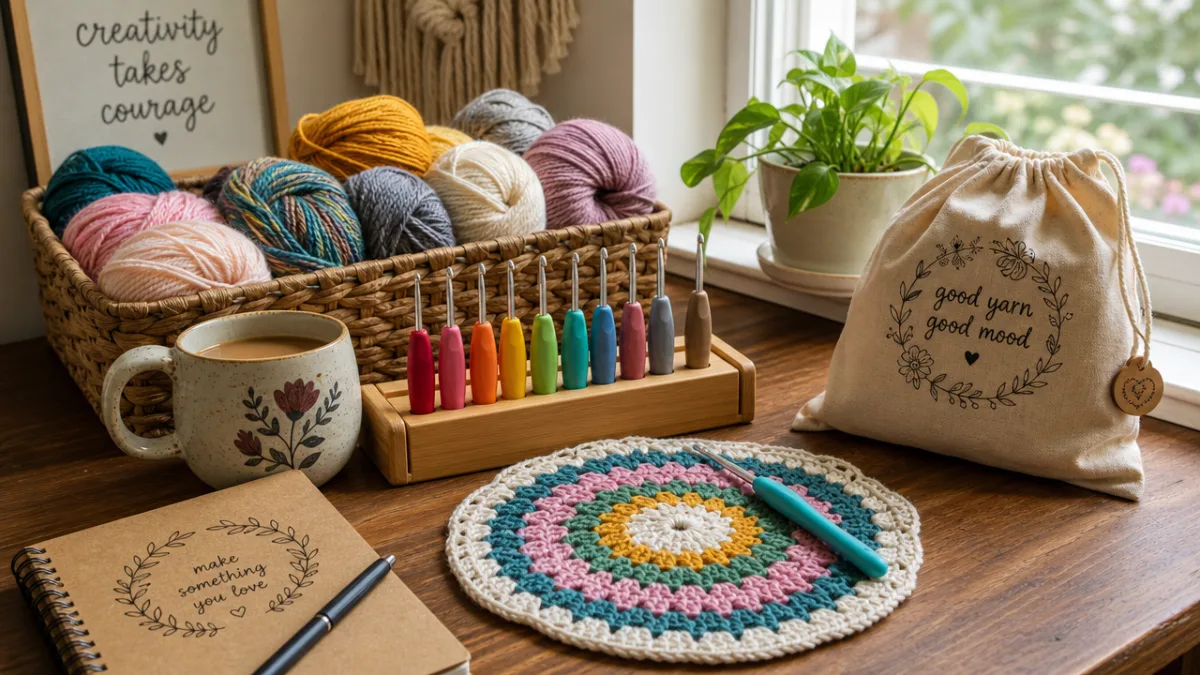
Before we get into the actual project ideas, it’s worth talking about the tools and materials that’ll make your crocheting experience as comfortable as possible — because comfort really does matter, especially over a long project. Standard metal hooks can start to feel pretty rough during extended sessions, and a lot of experienced senior crafters swear by ergonomic hooks with soft, cushioned handles instead. They’re easy to find online or at any craft store, and once you try them, it’s hard to go back.
Yarn choice matters just as much as your hook. Medium-weight worsted yarn — that’s the number four on the skein label — tends to be the sweet spot for most seniors. It’s easy to see, easy to handle, and works up quickly enough that you feel like you’re actually making progress. If you have any vision concerns, lighter-colored yarns are a big help since the stitches are much easier to spot and count. Acrylic is popular for being washable and affordable, but plenty of people also love the feel of cotton or a wool blend depending on what they’re making.
A few other things are worth picking up too. A set of stitch markers saves you from losing your place in a pattern repeat. A row counter — either a little physical clicker or a phone app — takes the mental load of keeping a running tally off your plate entirely. And don’t underestimate the basics: a comfortable chair with good back support, a proper craft lamp with a daylight bulb, and a project bag to keep everything together and easy to grab. These small investments make every project more enjoyable from start to finish.
Beginner-Friendly Senior Project Ideas
If you’re newer to crochet or you just prefer projects that don’t require a lot of fancy stitch work, there are some genuinely wonderful options that still produce beautiful, useful results. The classic dishcloth might just be the most beloved beginner project in all of crochet, and it really does earn that reputation. Made with cotton yarn and basic single or double crochet stitches, a dishcloth comes together fast, doesn’t use much material, and gives you something you’ll actually use. Making a few in a row is also a great way to build muscle memory and get your tension feeling consistent.
Simple scarves are another excellent starting point. A basic scarf worked in rows of double crochet can be as long or short as you like, which makes it wonderfully adaptable. There’s something really pleasant about the back-and-forth rhythm of row crocheting — it’s predictable and calming, and it gives you a lot of room to play with color and yarn texture without having to worry about complicated construction. A striped scarf, for example, just involves switching yarn colors at regular intervals. Easy to learn, but the result looks like you knew exactly what you were doing.
Baby hats for hospital donation programs might be the most meaningful beginner project on this whole list. These little hats are quick to make, use almost no yarn, and go straight to newborns who need warmth in hospital settings. Many hospitals and charitable organizations are actively looking for handmade donations, so you’re not just crafting — you’re contributing to something real and needed. Knowing that something you made with your own hands will soon be keeping a baby warm adds a layer of satisfaction that’s hard to put into words.
Intermediate Projects That Challenge and Inspire
Once you’ve got the basics down and you’re feeling confident, a whole new range of projects becomes available to you. Lap blankets and afghans are a perennial favorite at this level, and it’s easy to see why — they strike a nice balance between manageable stitch work and an impressive finished result. A granny square afghan is a particularly good choice because you make the whole thing one square at a time and then join them together. Every finished square feels like a real milestone, which makes the whole project feel less daunting and a lot more satisfying along the way.
Tote bags and market bags are another category that seniors tend to really enjoy. A crocheted tote in sturdy cotton yarn is both good-looking and genuinely practical — and there’s something extra satisfying about using a bag you made yourself instead of grabbing a plastic one. Construction-wise, a tote bag introduces you to working in the round, some basic shaping, and adding straps, all of which are skills that’ll come in handy for future projects. There are plenty of tote bag patterns out there designed specifically for the intermediate level, with clear instructions that won’t leave you guessing.
Dishcloth sets with decorative stitches are a natural step up from the simple beginner version. Adding in textures like the waffle stitch, seed stitch, or shell stitch takes a humble kitchen cloth and turns it into something that actually looks impressive. These sets make incredibly popular gifts because they’re beautiful and useful at the same time, and they let you show off how much your skills have grown. Put four or six matching cloths together in a little basket and you’ve got a gift that almost anyone would be genuinely happy to receive.

Advanced and Legacy Projects for Experienced Senior Crocheters
For seniors who’ve been at this for years, the most exciting projects are the ones that can become true heirlooms — things that get passed down and treasured long after you’ve finished making them. A full-size heirloom blanket worked in fine thread or fingering weight yarn with intricate lace patterns is about as high as crochet artistry gets. These can take months, sometimes even a year or more, but the process itself is a big part of the point. Many experienced crocheters describe a large, complex project as a kind of daily companion — always there, always giving you something to work toward.
Garments like cardigans, vests, and shawls are another deeply rewarding direction for advanced senior crocheters. A well-made crocheted cardigan involves garment shaping, seaming, and reading a detailed multi-page pattern — it keeps both your creative and analytical sides genuinely engaged. Shawls are a bit more forgiving with sizing but still give you the chance to work with lace patterns and beautiful gradient colorways. And there’s something really special about wearing something you made yourself — it’s a quiet statement of identity and skill that’s hard to replicate any other way.
Legacy projects — pieces made specifically to be handed down — carry a different kind of emotional weight altogether. A crocheted christening blanket, a wedding throw, or a piece worked in colors that mean something special to a family isn’t just a craft project. It’s a tangible expression of love and connection that spans time. Some crocheters even tuck in a handwritten note about the piece’s history, or choose colors and motifs tied to a specific family story. These projects are a reminder that crochet, at its heart, is really a form of storytelling.
Community and Charity Crochet Initiatives for Seniors
One of the most beautiful things about crochet as a senior hobby is how naturally it connects you to something bigger than yourself. Charity crochet gives you a real way to put your skills to use for others, and studies have consistently shown that this kind of contribution does a lot for your own sense of purpose and belonging. Organizations all over the country need handmade crocheted items — blankets for homeless shelters, hats and scarves for winter coat drives, comfort items for hospital and hospice patients. Linking up with one of these groups turns your crocheting from a solo activity into something genuinely communal.
Crochet circles and clubs — usually organized through senior centers, libraries, or community groups — add an important social layer to the experience. You gather regularly, work on your projects alongside others, trade tips, troubleshoot tricky patterns, and just enjoy the company. That last part matters more than people sometimes acknowledge. Loneliness is one of the most significant health challenges seniors face, and a weekly crochet circle can make a real difference. Many participants say it’s become one of the things they look forward to most in their week — and on top of that, they’re making things that genuinely help other people.
Teaching crochet to younger people is its own form of community engagement, and many senior crocheters find it incredibly meaningful. Whether you’re working with grandchildren at home, joining an intergenerational program at a community center, or helping out at a school craft session, you’re preserving something valuable while building real relationships across generations. And it goes both ways — younger learners bring fresh energy and creative ideas, while seniors bring patience, experience, and a depth of knowledge that can only come from years of practice. That exchange is genuinely valuable for everyone involved.

Organizing Your Senior Crochet Journey: Tips for Long-Term Success
Keeping up a fulfilling crochet practice over the long haul takes a little bit of intentionality. One of the best habits you can build is keeping a project journal — somewhere you jot down the patterns you’ve finished, the yarns you used, any changes you made, and how you felt about the result. It sounds simple, but it saves you from that frustrating moment of not being able to remember which yarn gave you that perfect result on a project you loved. It also builds into a really meaningful personal archive of everything you’ve made, which is lovely to look back on — and to share.
Pacing yourself is just as important as the projects you choose. Taking regular breaks — around ten minutes for every hour of crocheting — gives your hands, wrists, and shoulders a chance to recover, which goes a long way toward preventing repetitive strain issues like carpal tunnel syndrome or tendinitis. Adding some gentle hand stretches before and after your sessions helps too. Occupational therapists often have specific stretching routines for fiber artists, so it’s worth asking your healthcare provider or doing a quick search to find something tailored to you.
Finally, setting realistic goals and actually pausing to celebrate your milestones makes a real difference in staying motivated over long projects. Breaking a big afghan into weekly square goals, for instance, turns something overwhelming into a series of small, satisfying wins. And reward yourself when you hit those milestones — treat yourself to a special skein of yarn, share your progress with a friend, or just take a moment to admire what you’ve done so far. Crochet really is a lifelong companion if you let it be, and approaching it that way — with a little care and intention — keeps it genuinely rewarding for years to come.








What do you think?
It is nice to know your opinion. Leave a comment.