










18+ Amazing Ideas to Craft with Natural Canvas: Your Complete Creative Guide
Natural canvas is one of the most versatile, forgiving, and beautiful materials available to crafters of every skill level. Whether you are a seasoned textile artist or someone who has just discovered the joy of making things by hand, canvas opens up a world of creative possibilities that few other materials can match. Its sturdy weave, neutral tone, and ability to accept paint, dye, ink, and embroidery make it a true all-rounder in the crafting world. From home décor to wearable art, the humble canvas cloth has been inspiring makers for centuries.
What makes natural canvas especially appealing in today’s crafting landscape is its sustainability credentials. Unlike synthetic fabrics, natural canvas is typically made from cotton or linen fibers that are biodegradable, durable, and often produced with a lower environmental footprint than petrochemical-derived alternatives. When you choose to craft with natural canvas, you are not just making something beautiful — you are participating in a tradition of conscious, intentional making that respects both the craft and the planet.
In this article, we will walk through more than eighteen inspiring ideas for working with natural canvas, organized into practical, thematic sections to help you find the projects that suit your interests and skill level. From painting and dyeing techniques to sewing, stamping, and mixed media art, there is something here for every creative soul ready to pick up this remarkable material and make it their own.
1. Painting on Canvas: From Abstract Art to Botanical Prints
Painting directly onto natural canvas is perhaps the most iconic way to use this material, and for good reason. The texture of the weave adds depth and character to painted surfaces that smooth paper or board simply cannot replicate. Acrylic paints are the most popular choice for canvas crafting because they adhere strongly, dry quickly, and come in an enormous range of colors. However, fabric paints, chalk paints, and even watercolors diluted with a textile medium can all produce stunning results on a natural canvas ground.
Abstract painting on canvas has seen a massive resurgence in popularity among home crafters, fueled in part by social media communities celebrating expressive, process-led art. Techniques like palette knife painting, pour painting, and gestural brushwork are perfect for canvas because the material’s slight give and texture respond beautifully to bold, confident marks. You do not need to be a trained artist to create something genuinely striking — in fact, many of the most compelling abstract canvas pieces come from a willingness to experiment without a fixed outcome in mind.
Botanical printing is another breathtaking way to paint on canvas. This involves using real leaves, flowers, and stems as stencils or stamps, pressing them into paint and then onto the fabric surface to leave delicate, intricate impressions. The results have an organic, poetic quality that feels both artisanal and elegant. Herb sprigs, fern fronds, and large tropical leaves all work particularly well, and you can build up layers of overlapping prints to create a sense of depth and lushness. Once heat-set, these prints are surprisingly durable and make stunning wall hangings or framed textile art.
- Try fluid acrylic pours for a mesmerizing, marble-like effect on raw canvas panels.
- Use a sea sponge dipped in contrasting colors to create atmospheric, cloud-like backgrounds before adding details.
- Experiment with negative space botanical printing by masking leaves with tape before painting around them.
- Combine painted backgrounds with hand-lettered quotes in contrasting ink for a mixed-media approach.
2. Natural Dyeing and Color Work on Canvas
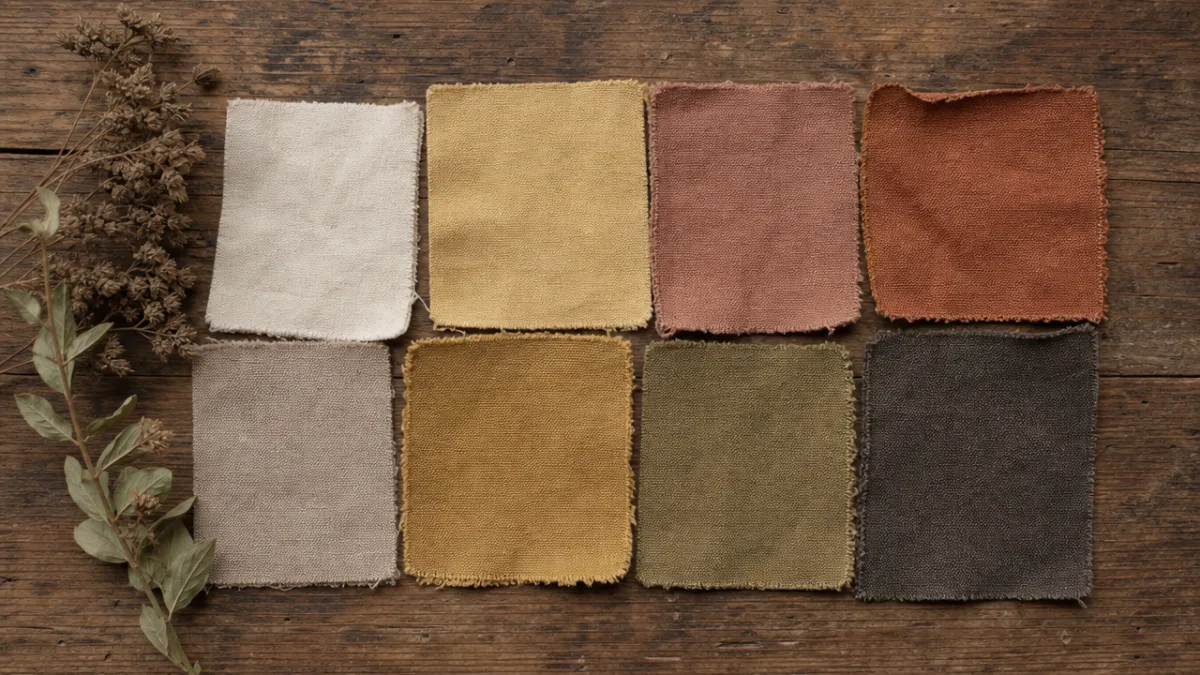
Natural dyeing is one of the most ancient and rewarding ways to transform plain canvas into something truly unique. Using plant-based dye sources such as avocado pits and skins for blush pinks, onion skins for rich golds, indigo for deep blues, and black walnut hulls for warm browns, you can achieve a palette of colors that has a warmth and complexity that synthetic dyes simply cannot replicate. The process is part chemistry, part alchemy, and entirely satisfying. Because natural canvas is made from plant fibers, it takes natural dyes particularly well, especially when properly mordanted with substances like alum or iron.
Shibori, the traditional Japanese resist-dyeing technique, is experiencing a remarkable revival among contemporary crafters, and natural canvas is an ideal substrate for it. By folding, twisting, clamping, or binding the canvas before submerging it in a dye bath — most often an indigo vat — you create stunning geometric or organic patterns where the dye penetrates only certain areas, leaving others undyed. The results are always somewhat unpredictable, which is half the joy. Each piece is genuinely one of a kind, a collaboration between the crafter’s intention and the beautiful randomness of the resist process.
Tie-dye, often associated with the 1960s counterculture, has evolved into a sophisticated craft technique in its own right, and natural canvas responds to it with particular grace. Using fiber-reactive dyes in carefully chosen colorways — perhaps a sophisticated palette of dusty terracotta, sage green, and warm cream rather than the traditional bright primaries — you can create canvas tote bags, wall hangings, cushion covers, and table runners that feel decidedly contemporary. The key to elevating tie-dye on canvas is thoughtful color selection and precise folding techniques that give you more control over the resulting pattern.
3. Sewing and Stitching Projects for Every Skill Level
Natural canvas is a dream to sew with, thanks to its structural integrity and the way it holds its shape without puckering or stretching unduly. Even beginner sewists find that canvas is far more forgiving than slippery silks or stretchy jerseys, making it an excellent starting point for learning to construct items that need to stand up to regular use. Tote bags are the classic introductory project, requiring just basic straight stitching and a few seams, but the canvas tote has also become a genuine fashion statement in its own right, particularly when customized with paint, embroidery, or printed designs.
For intermediate sewists, canvas opens the door to home furnishing projects that can dramatically transform a room. Cushion covers, curtain panels, table runners, and even simple lampshades can all be made from natural canvas, bringing a cohesive, earthy aesthetic to a living space. Heavyweight canvas is particularly suited to structured items like storage baskets, book covers, and tool rolls, where the material’s stiffness is an advantage rather than a challenge. A waxed canvas tool roll, for instance, is both beautiful and functional, and makes an exceptional handmade gift for someone who loves working with their hands.
Quilting with canvas is a less commonly explored direction but one that yields truly spectacular results. Combining canvas panels with cotton prints or linen solids creates quilts with wonderful textural variation and a relaxed, bohemian quality. Because canvas is heavier than quilting cotton, canvas quilts tend to have a generous drape and weight that makes them feel more like heirloom blankets than decorative objects. Patchwork patterns like log cabin, nine-patch, or simple strips work especially well with canvas, as the straight cuts and clean lines complement the material’s unpretentious character.
- Start with a simple canvas tote bag with interior pockets — an excellent weekend project for beginners.
- Progress to a structured canvas market basket with leather handles for a stylish, functional challenge.
- Try a canvas and linen patchwork throw pillow to explore texture combinations.
- Attempt a waxed canvas zipper pouch for a water-resistant, beautifully rustic finish.
- Work toward a full canvas and cotton quilt panel as a longer-term showpiece project.
4. Embroidery, Hand Stitching, and Textile Art on Canvas
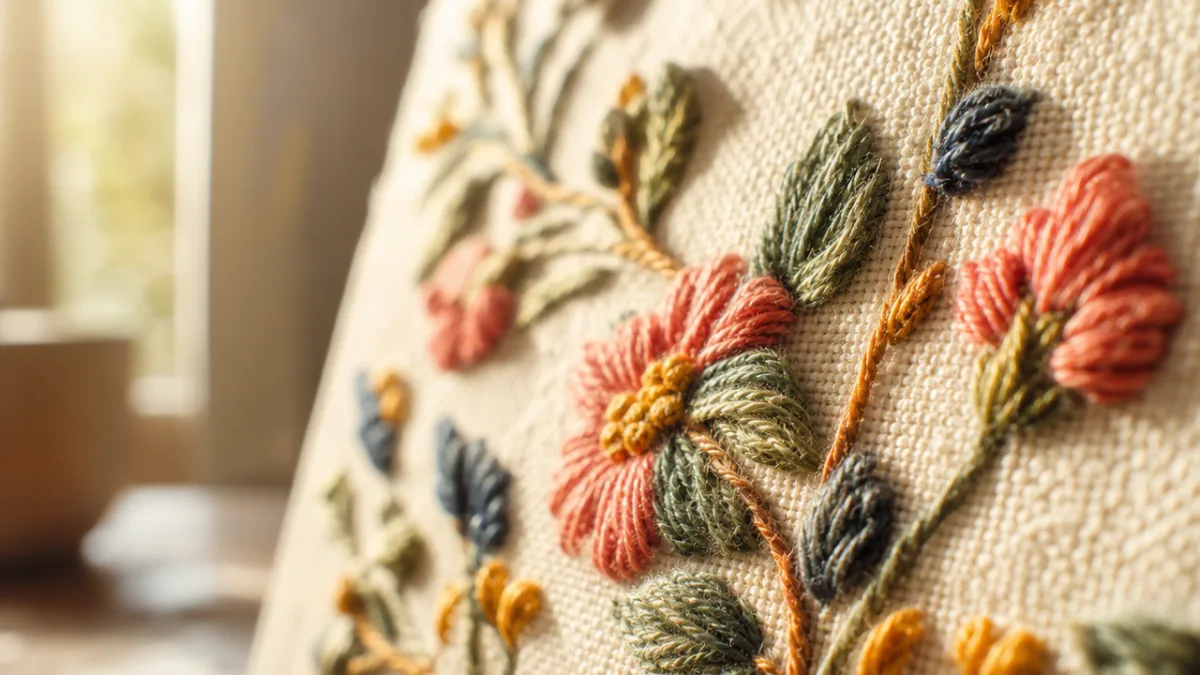
The weave of natural canvas makes it an outstanding ground for embroidery and hand stitching. Unlike tightly woven embroidery fabric or delicate silk, canvas is robust enough to withstand repeated needle passes without fraying or distorting, even in areas of dense stitching. This durability makes it ideal for large-scale embroidery projects that might take weeks or months to complete. Artists and makers are increasingly using canvas as a ground for textile paintings — images built entirely from thread rather than paint — where the coarser weave adds a pleasingly rough quality to the finished work.
Crewelwork, a traditional form of embroidery using wool threads on a linen or cotton ground, adapts particularly well to natural canvas. The heavier weight of the wool threads suits the sturdiness of the canvas, and the resulting textures — raised satin stitches, long-and-short shading, couched outlines — are gloriously tactile. Contemporary crewel embroidery has moved far beyond the traditional flora and fauna motifs it was historically associated with, and today’s makers are using these ancient stitches to create abstract compositions, portraits, and landscape art that challenge the boundary between textile craft and fine art.
Even simple running stitch patterns can transform a plain canvas panel into something remarkable. The Japanese tradition of sashiko, which uses a specific running stitch to create geometric patterns in white thread on indigo cloth, is easily adapted for natural canvas. Using a fine tapestry needle and pearl cotton or embroidery floss, you can stitch traditional sashiko patterns like hemp leaf, asanoha, or seven treasures onto canvas panels, creating wall art with a beautifully meditative, handmade quality. The repetitive nature of the stitch is itself a form of mindfulness practice, and many makers find the process as rewarding as the finished piece.
5. Stamping, Stenciling, and Block Printing on Canvas
Stamping and stenciling are among the most accessible techniques for decorating natural canvas, requiring minimal equipment and producing results that look far more complex than the process actually involves. Fabric ink pads and foam stamps from craft stores are the obvious starting point, but the real creative possibilities open up when you begin carving your own stamps from soft materials like erasers, foam sheets, or linoleum blocks. A hand-carved stamp is a deeply personal creative tool, and every impression it makes carries a slight handmade irregularity that gives the printed surface a beautiful, artisanal quality.
Block printing has a particularly rich heritage in South Asian textile traditions, where carved wooden blocks have been used for centuries to print elaborate patterns onto fabric for clothing and home furnishings. Adapting these techniques for contemporary canvas crafting is both a way of honoring those traditions and a genuinely exciting creative practice. You can carve simple repeat motifs — geometric shapes, leaf forms, abstract marks — and use them to cover large areas of canvas with pattern, building up intricate designs through the rhythmic repetition of a single stamp. The slight variation in pressure and ink coverage from print to print gives handblock-printed canvas an irreplaceable vitality.
Stenciling with freezer paper is a technique that offers a high level of precision for crafters who want cleaner, more controlled results than freehand painting allows. By cutting a design from freezer paper and ironing it temporarily onto the canvas surface, you create a crisp mask through which paint can be applied with a sponge, brush, or spray. The freezer paper peels away cleanly once the paint is dry, leaving a sharp-edged design behind. This technique is particularly effective for text, logos, and geometric patterns, and it allows for perfect repetition across multiple pieces — ideal if you are making a set of matching canvas bags or a series of coordinated home accessories.
6. Canvas for Home Décor: Wall Art, Soft Furnishings, and Storage
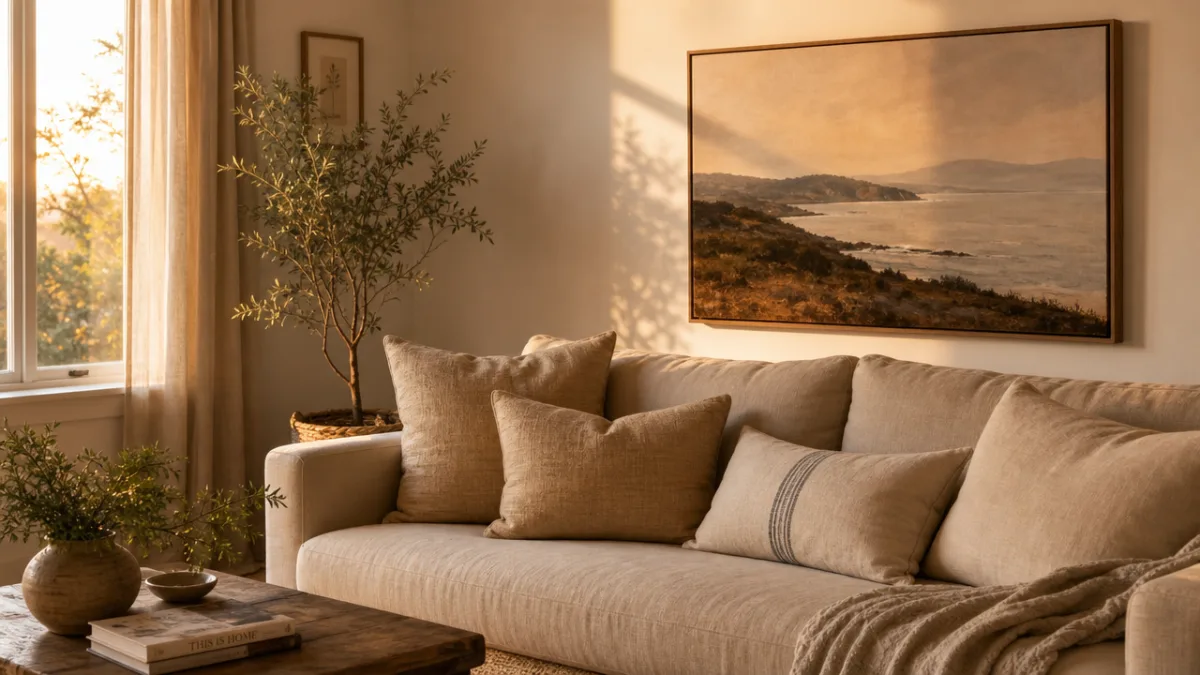
One of the most impactful ways to use natural canvas in crafting is as a medium for transforming domestic spaces. The neutral, warm tone of undyed canvas fits almost any interior color scheme, from Scandinavian minimalism to bohemian maximalism, and its texture adds an organic warmth that synthetic materials rarely achieve. Large canvas panels stretched over wooden frames and left almost entirely plain — perhaps with just a subtle ink wash or a single botanical print — can anchor a room with the kind of quiet confidence that expensive artwork sometimes lacks. The beauty of making your own wall art is that you can scale it precisely to the space it needs to fill.
Macramé and canvas make natural companions in home décor projects. Combining knotted cotton rope with canvas panels or canvas-backed frames creates wall hangings that have wonderful dimensional quality — the soft knots of the macramé contrasting beautifully with the flat woven surface of the canvas behind them. You might also use canvas as the backing material for a collage-style wall hanging that incorporates dried botanicals, hand-stitched elements, and painted sections, creating a rich, layered textile object that tells a visual story about the maker’s interests and aesthetic.
For functional home applications, canvas is unbeatable as a storage material. Laundry baskets, toy bins, magazine holders, pantry organizers, and bathroom caddies can all be constructed from stiffened or structured canvas, combining practicality with genuine aesthetic appeal. Unlike plastic or wire storage solutions, canvas storage pieces age beautifully, developing a patina that actually makes them more attractive over time. They can also be easily personalized with stamps, embroidery, or iron-on transfers to suit the specific room or function they serve, making them feel like considered design choices rather than mere organizational necessities.
7. Wearable Canvas Art: Bags, Accessories, and Clothing
Wearable canvas art sits at an exciting intersection of craft and fashion, and it is a territory that home makers are increasingly claiming as their own. The tote bag remains the most popular wearable canvas project, and its simplicity conceals a vast creative canvas — quite literally — for self-expression. Whether you customize a purchased blank tote or sew one from scratch, the flat surface of a canvas bag is an invitation to paint, stamp, embroider, or screen-print a design that expresses something about who you are or what you care about. Many small craft businesses have built their entire brand identity around beautifully decorated canvas tote bags.
Canvas hats, particularly unstructured bucket hats and wide-brimmed sun hats, are having a significant fashion moment, and crafting your own from natural canvas allows for a level of personalization that no commercial product can offer. Using a simple commercial pattern, even a beginner sewist can construct a wearable canvas hat in an afternoon, and the finished item can then be decorated with embroidery, fabric paint, or small botanical prints. Canvas also responds well to natural sun-bleaching and gentle distressing techniques, giving handmade hats a vintage, sun-worn quality that is very much in the spirit of slow fashion.
Beyond bags and hats, natural canvas is increasingly being used to make simple garment pieces like aprons, overshirts, smocks, and even structured jackets. The durability of canvas makes it particularly appropriate for work garments — artist’s smocks, garden aprons, kitchen aprons — where the fabric will be subjected to regular washing and hard wear. But the same qualities make canvas equally suited to the kind of relaxed, utilitarian fashion aesthetic that has become enormously influential in contemporary style. A hand-stitched canvas overshirt, perhaps with embroidered details at the collar and cuffs, is the kind of slow-fashion piece that becomes more beautiful and personal with every wearing.
- Customize a canvas bucket hat with hand-embroidered wildflowers along the brim for a charming, artisanal accessory.
- Make a full-length canvas gardening apron with multiple pockets and adjust the straps for a perfect fit.
- Try a structured canvas shoulder bag with a leather strap and brass hardware for a sophisticated everyday carryall.
- Experiment with waxed canvas for a water-resistant jacket or utility vest that develops beautiful character with age.
- Create a simple canvas coin purse or card holder as a quick, satisfying project perfect for gifting.
8. Children’s Crafts and Educational Projects Using Canvas
Natural canvas is a wonderful material to introduce to children, not only because it is safe, non-toxic, and durable, but because its forgiving surface encourages confident, uninhibited mark-making. Young children painting on canvas with their fingers or chunky brushes quickly discover that the material holds color beautifully and that mistakes can be painted over or incorporated into the composition — a valuable lesson about creativity and resilience that extends well beyond the crafting table. A stretched canvas panel makes a far more interesting painting surface for a child than paper, and the resulting artwork is durable enough to frame and display with genuine pride.
Canvas makes an exceptional ground for collaborative art projects in educational settings. A large piece of raw canvas unrolled across a classroom floor becomes a shared painting space where children can work simultaneously, contributing to a collective artwork that celebrates both individual expression and group creativity. These large-scale collaborative canvas paintings often end up as display pieces in school corridors or community spaces, giving children a meaningful sense of contribution to their environment. The material’s affordability and availability make it practical for schools with limited budgets who still want to offer rich, tactile art experiences.
Nature journaling on canvas is an activity that bridges art and science education in a particularly beautiful way. Children can collect leaves, flowers, bark rubbings, and feathers from nature walks and use canvas panels as the grounds for arranging and preserving these collections alongside hand-drawn or painted observations. The heavier weight of canvas means it can accommodate glued elements, painted backgrounds, and written notes without buckling or tearing, making it far more durable than paper-based nature journals. These canvas nature journals become treasured records of seasons, places, and moments of childhood curiosity that families often keep for many years.








What do you think?
It is nice to know your opinion. Leave a comment.