










60+ Budget-Friendly DIY Skills That Will Save You Money in 2028
In an era of rising costs and economic uncertainty, mastering practical do-it-yourself skills has never been more valuable. Whether you’re a homeowner trying to cut maintenance expenses, a renter looking to personalize your space affordably, or simply someone who wants greater self-sufficiency, learning DIY skills is one of the smartest investments you can make in yourself. The tools, tutorials, and communities available today make it easier than ever to learn hands-on skills that previous generations took for granted.
The beauty of building a DIY skill set is that the savings compound over time. Every skill you learn means one fewer bill to pay when something breaks, needs updating, or requires customization. A single weekend spent learning basic plumbing can save you hundreds of dollars the first time a faucet starts dripping. Learn to sew, and you’ll never need to pay for simple alterations again. These aren’t just practical benefits — they’re also deeply satisfying habits that connect you more meaningfully to your home and daily life.
Home Repair and Maintenance Skills
Home repairs are among the most expensive recurring costs for homeowners and renters alike. Learning even the basics of home maintenance can save thousands of dollars each year. From patching drywall to unclogging drains, most routine repairs are far less complicated than they appear. The key is building confidence through small projects and gradually taking on more challenging work as your experience grows. With a solid set of hand tools and a few hours of YouTube research, most people can handle 80% of household repairs themselves.
Plumbing is one of the most high-value DIY skills you can develop. Basic plumbing tasks — replacing washers, installing a new toilet, fixing a running tank, or swapping out a showerhead — require minimal tools and no special licensing in most regions. Intermediate tasks like replacing supply lines, patching copper pipe, or installing a new faucet are also within reach for careful beginners. Professional plumbers often charge $100 to $200 per hour, so even one or two successful DIY repairs per year can cover the cost of any tools you need to buy.
Electrical basics are another area where DIY knowledge pays off quickly, though safety must always come first. Tasks like replacing light switches, installing dimmer switches, swapping out outlet covers, or changing light fixtures are generally safe for homeowners to do themselves after proper research. More complex electrical work involving your breaker panel or running new circuits should typically be handled by a licensed electrician. Still, understanding how your home’s electrical system works will help you troubleshoot problems, communicate better with contractors, and avoid being overcharged for simple fixes.
- Learn to patch and paint drywall — saves $200 to $500 per repair call.
- Master basic caulking around tubs, sinks, and windows to prevent water damage before it starts.
- Replace air filters, clean dryer vents, and inspect weatherstripping on a regular schedule.
- Learn to use a stud finder and hang heavy items safely on walls.
- Understand how to shut off water, gas, and electricity in an emergency.
Furniture Building and Woodworking
Woodworking is one of the most rewarding DIY disciplines because the results are tangible, durable, and often beautiful. You don’t need a fully equipped workshop to get started — a basic set of hand tools, a circular saw, and a drill can take you surprisingly far. Beginners often start with simple projects like floating shelves, small side tables, or garden planters, then work their way up to more complex furniture builds. The investment in tools pays dividends across dozens of future projects.
Building your own furniture is dramatically cheaper than buying comparable quality from stores. A well-made solid wood coffee table might retail for $500 to $1,500 at a furniture boutique, but can be built from lumber for $80 to $150 in materials. More importantly, you control the dimensions, wood species, finish, and joinery method, meaning the final piece fits your space and aesthetic perfectly. Custom built-ins, bookcases, and entertainment centers — which can cost thousands installed by a carpenter — become very affordable when you supply the labor.
Beyond cost savings, woodworking teaches patience, spatial reasoning, and problem-solving in ways few hobbies can match. Many people find that the focused, tactile nature of working with wood provides a powerful counterbalance to screen-heavy modern life. Community workshops and makerspaces often offer access to larger tools like table saws, planers, and jointers for a monthly membership fee, making it possible to take on bigger projects even without space at home for large equipment. Online communities like Reddit’s r/woodworking are filled with detailed guidance for beginners at every level.

Sewing, Mending, and Textile Skills
Sewing is one of the most underrated money-saving skills in the modern toolkit. The fast fashion industry has made clothing so cheap to buy that many people never learn to repair or alter garments — but this mindset is expensive in the long run and terrible for the environment. A basic sewing machine costs between $80 and $200 and can last for decades with proper maintenance. Once you have one, the savings on alterations, repairs, curtains, pillow covers, and simple clothing items add up quickly throughout the year.
Learning to mend clothing extends the life of garments significantly. A simple hole in a pocket, a broken zipper, a lost button, or a fraying hem can make a favorite piece of clothing feel unwearable — but each of these repairs takes under an hour once you know what you’re doing. Tailoring skills like taking in a waist, hemming pants, or adjusting sleeve length are among the most practical alterations you can learn, since store-bought clothing rarely fits perfectly off the rack. These skills are particularly valuable for people who wear business or professional attire regularly.
Beyond repairs and alterations, sewing opens the door to home textiles that can be expensive to buy. Custom curtains for a standard window can cost $150 or more per panel at retail, but fabric panels are easy to make once you understand basic straight-line sewing. Throw pillow covers, table runners, reusable bags, and even simple quilts are all achievable for beginners after mastering foundational techniques. Hand sewing skills — using a needle and thread without a machine — are also worth developing for quick repairs and embroidery work that adds personality to plain items.
- Start with hand sewing basics: threading a needle, knotting thread, and running a straight stitch.
- Learn to operate a sewing machine confidently before attempting complex projects.
- Practice hemming on scrap fabric before altering real garments.
- Invest in a seam ripper, fabric scissors, and measuring tape as your foundational toolkit.
- Join a local sewing circle or online community for project inspiration and troubleshooting support.
Gardening and Food Production
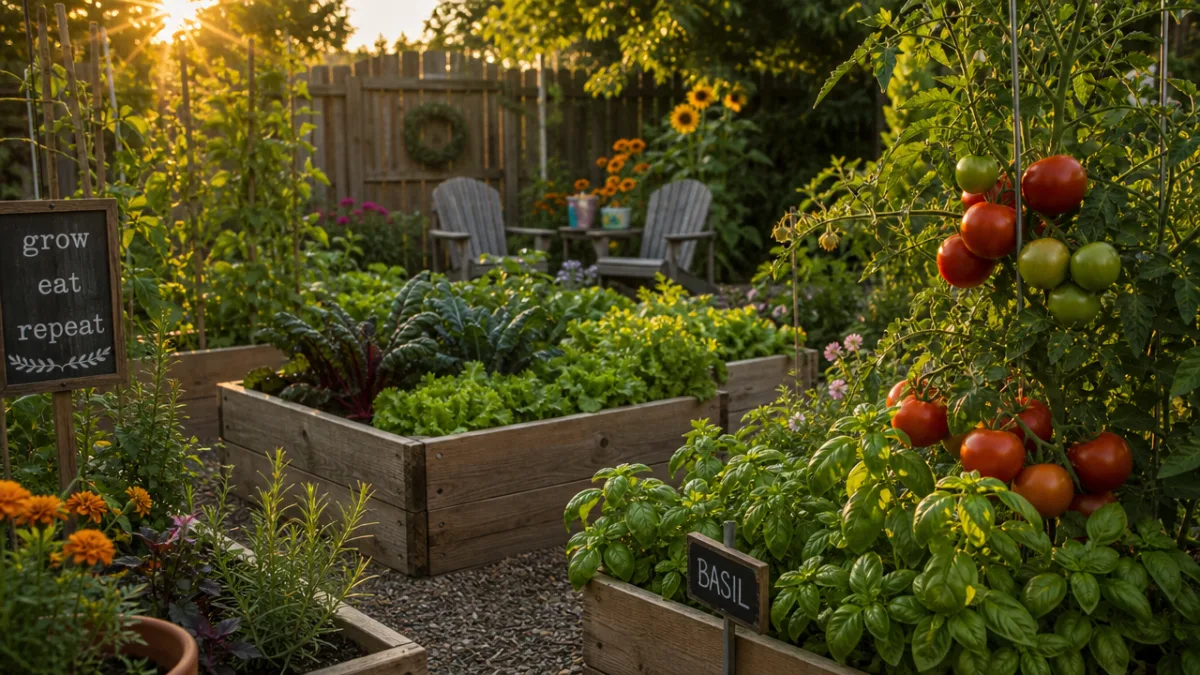
Growing your own food is one of the most direct ways to reduce grocery bills while also improving the quality of what you eat. A well-managed vegetable garden, even a small container setup on a balcony or patio, can produce hundreds of dollars worth of herbs, salad greens, tomatoes, peppers, and other high-value crops through the growing season. The startup costs for basic gardening are low — seeds, soil, and containers or raised bed materials — and subsequent years become cheaper as you save seeds and build your compost system.
Beyond vegetables, learning to preserve food through canning, fermenting, dehydrating, and freezing allows you to capture the value of seasonal abundance throughout the year. When summer tomatoes are at their cheapest and best, a few hours of canning work can produce enough sauce to last through winter. Fermenting vegetables like cucumbers, cabbage, and carrots produces probiotics that would cost far more in supplement form, and the process is surprisingly simple once you understand the basic principles of lacto-fermentation. These skills connect deeply with the growing movement toward food sovereignty and self-reliance.
Composting is a foundational gardening skill that reduces waste while building soil quality. Kitchen scraps, yard trimmings, and cardboard can all be converted into rich compost that eliminates the need to buy bagged soil amendments. Understanding composting ratios — the balance between carbon-rich “brown” materials and nitrogen-rich “green” materials — takes some initial learning but becomes intuitive quickly. A well-maintained compost pile processes material within 60 to 90 days and can produce enough amendment to fertilize a modest garden entirely for free, season after season.
Basic Automotive Maintenance
Cars are one of the largest recurring expenses in most household budgets, and a surprising portion of those costs go toward routine maintenance that any careful person can perform themselves. Learning to change your own oil, replace air filters, swap wiper blades, check and top off fluids, and replace cabin filters can save $300 to $700 per year on dealership and shop fees. These tasks require minimal tools and are well-documented in both manufacturer service manuals and countless online tutorials organized by vehicle make and model.
Tire maintenance is another area where DIY knowledge prevents both costly repairs and dangerous situations. Learning to check and adjust tire pressure, inspect tread depth, identify signs of uneven wear, and rotate tires between axles extends tire life significantly. Changing a flat tire is a fundamental skill that every driver should have before they need it — practicing the procedure once in your driveway takes about 20 minutes and ensures you’re prepared when the situation is urgent and stressful. Understanding how to read tire codes also helps you shop for replacements more confidently.
As vehicles increasingly become software as much as hardware, understanding how to use an OBD-II scanner to read check engine codes has become a valuable skill. A basic Bluetooth scanner costs under $30 and connects to free smartphone apps that identify what triggered a warning light. Many warning lights indicate minor issues — a loose gas cap, a dirty sensor — that require no repairs at all once properly identified. For real issues, knowing the specific code before visiting a mechanic prevents being told your car needs expensive work it doesn’t actually need, which happens with troubling frequency.
Digital and Tech DIY Skills
Technology maintenance and customization skills have become just as practically valuable as traditional physical DIY abilities. Basic computer maintenance — clearing storage, managing startup programs, identifying and removing malware, updating drivers, and cleaning cooling fans — can extend the useful life of a laptop or desktop by several years. Many computers that feel sluggish are suffering from software bloat or accumulated dust rather than hardware limitations, and both problems have straightforward DIY solutions that cost nothing but time.
Learning to build or upgrade your own PC provides extraordinary value for people who need computing power for gaming, creative work, or professional tasks. A custom-built computer typically provides 30% to 50% more performance per dollar than an equivalent prebuilt machine, because you’re not paying for manufacturer assembly margins or bundled software. The process also teaches you exactly how each component functions, making future troubleshooting and upgrades far easier. Online resources like PCPartPicker simplify compatibility checking, and communities like r/buildapc provide detailed guidance for first-time builders at every budget level.
Smart home technology installation is another growing area where DIY skills pay off significantly. Professional installation of smart thermostats, video doorbells, security cameras, smart switches, and network equipment often costs more than the devices themselves. Most of these systems are explicitly designed for consumer self-installation and come with detailed instructions. Learning to properly configure a home network, set up a mesh Wi-Fi system, or establish local control of smart home devices (rather than depending on cloud services) gives you both cost savings and greater privacy and reliability over time.

Financial DIY: Managing Money Like a Pro
Financial literacy is arguably the highest-leverage DIY skill set of all, because its effects compound across every other area of your life. Learning to build and maintain a detailed household budget, track spending by category, and identify where money is quietly leaking is the foundation of financial health. Free and low-cost tools like spreadsheet templates, budgeting apps, and personal finance software make it easier than ever to gain genuine clarity on your financial situation without paying a financial advisor for basic guidance that’s freely available online.
Tax preparation is a skill that most people outsource unnecessarily. For individuals and families with straightforward financial situations — W-2 income, standard deductions, no business ownership — free filing software from the IRS and other providers makes self-preparation completely accessible. Even moderately complex returns involving investment income, rental property, or self-employment income can often be handled using paid software that costs far less than a tax preparer. Understanding your own tax situation also helps you make better decisions throughout the year about contributions, deductions, and timing of income events.
Insurance review and optimization is another financial DIY task that many people never think to do. Spending two to three hours each year comparing rates across providers, reviewing your coverage levels against your actual current needs, and eliminating redundant policies can often reduce insurance costs by $500 to $2,000 annually. The same principle applies to subscription services — conducting a thorough subscription audit quarterly and canceling anything unused or underused is a simple financial hygiene task that consistently reveals surprising recurring expenses that have been quietly draining household cash flow for months or years.
Creative and Decorating Skills
Interior decorating and home styling are areas where professional services command high fees for what is ultimately a creative process that anyone can learn. Understanding core design principles — scale and proportion, color theory, layering light sources, creating focal points, and balancing visual weight — gives you the vocabulary to make confident decorating decisions without hiring a designer. These concepts are covered thoroughly in design books, podcasts, and channels by working interior designers who share their knowledge generously with online audiences.
Painting is one of the highest-impact, lowest-cost home improvement skills. A fresh coat of paint can transform a room more dramatically than almost any other single change, and the material cost is modest. The difference between a professional-looking paint job and an amateur one comes down almost entirely to preparation and technique: properly patching and sanding surfaces, using the right primer, applying painter’s tape carefully, loading the brush or roller correctly, and working systematically from ceiling to trim to walls. These techniques are learnable in a single afternoon of research and practice.
Upcycling furniture and home accessories has grown from a frugal necessity into a genuine design aesthetic embraced by some of the most sophisticated decorators working today. Learning to strip, sand, stain, and refinish wooden furniture; reupholster chair seats; update cabinet hardware; or paint ceramic and glass items gives you access to custom-looking pieces at thrift store prices. An ugly but well-made chair bought at a garage sale for $15 and recovered with $30 of fabric becomes a unique, durable piece that would cost $400 at retail — and carries the additional value of being exactly what you wanted rather than a compromise.








What do you think?
It is nice to know your opinion. Leave a comment.