










The Art of Bag Crochet: A Complete Guide to Crafting Beautiful Handmade Bags
Introduction to Bag Crochet: A Timeless Craft for Modern Makers
Bag crochet is one of the most rewarding and practical applications of the ancient textile art of crochet. Unlike decorative pieces that sit on a shelf, a crocheted bag becomes a functional companion that you carry with you every day, showcasing your skill and creativity to the world. Whether you are a seasoned crafter or someone just picking up a hook for the first time, the world of crocheted bags offers an extraordinary range of styles, techniques, and possibilities that can suit every taste and skill level.
The history of crocheted bags stretches back centuries, with handmade textile bags serving as essential accessories long before the era of mass-produced fashion. In Victorian times, delicate beaded crochet purses were status symbols crafted from fine silk threads and intricate lacework patterns. Today, the craft has evolved dramatically, embracing everything from chunky boho market totes to sleek modern clutches made with cotton yarn, jute, and even recycled materials. This rich heritage gives every crocheted bag a sense of depth and tradition that machine-made bags simply cannot replicate.
What makes bag crochet particularly appealing in the contemporary crafting world is its incredible versatility. You can tailor every aspect of your bag to your personal needs: the size, shape, color, texture, handle length, and even the functionality of pockets and closures. When you crochet your own bag, you are not choosing from a limited selection on a store shelf — you are the designer, the maker, and the final arbiter of exactly what your finished piece will look and feel like. That creative freedom is what keeps crafters coming back to bag crochet again and again.
Essential Materials and Tools for Crocheting Bags
Before you begin your first bag crochet project, it is important to gather the right materials and understand how different tools and yarn types will affect your finished piece. The most fundamental tool you will need is a crochet hook, and for bags, hook size matters enormously. Most bag patterns call for hooks in the range of 4mm to 8mm, though chunky market bags made with rope or thick cotton may require hooks as large as 10mm or 12mm. Using the correct hook size ensures your stitches are even, your fabric has the right density, and your bag holds its shape under the weight of everyday items.
Yarn selection is arguably the most important decision in any bag crochet project. Unlike garments where softness against skin is paramount, bags need yarn that is durable, structured, and able to maintain its shape over time. Cotton yarn is the gold standard for most crocheted bags because it is strong, washable, and comes in an almost limitless range of colors. Jute and raffia yarns create gorgeous natural-textured bags with a bohemian aesthetic, while nylon-reinforced yarns and nylon rope give ultra-durable results perfect for beach bags or market totes that will carry heavy loads.
Beyond hooks and yarn, a well-equipped bag crocheter will want to keep several other supplies on hand. Stitch markers help you track rounds and pattern repeats without losing your place. A yarn needle is essential for weaving in ends and seaming pieces together neatly. Many bag makers also incorporate non-crochet hardware such as metal rings, magnetic snaps, swivel clasps, and bag frames to give their finished pieces a polished, professional appearance. Bag bases made from bamboo, leather, or acrylic can be purchased separately and crocheted around to create a sturdy foundation.
- Crochet hooks in sizes 4mm to 12mm depending on yarn weight
- Cotton, jute, raffia, nylon rope, or specialty bag yarn
- Stitch markers and a yarn needle for finishing
- Metal hardware: rings, snaps, clasps, and D-rings
- Bag bases, interfacing, or fabric lining materials
- Scissors, measuring tape, and a project bag to keep everything organized

Popular Bag Crochet Styles and Patterns
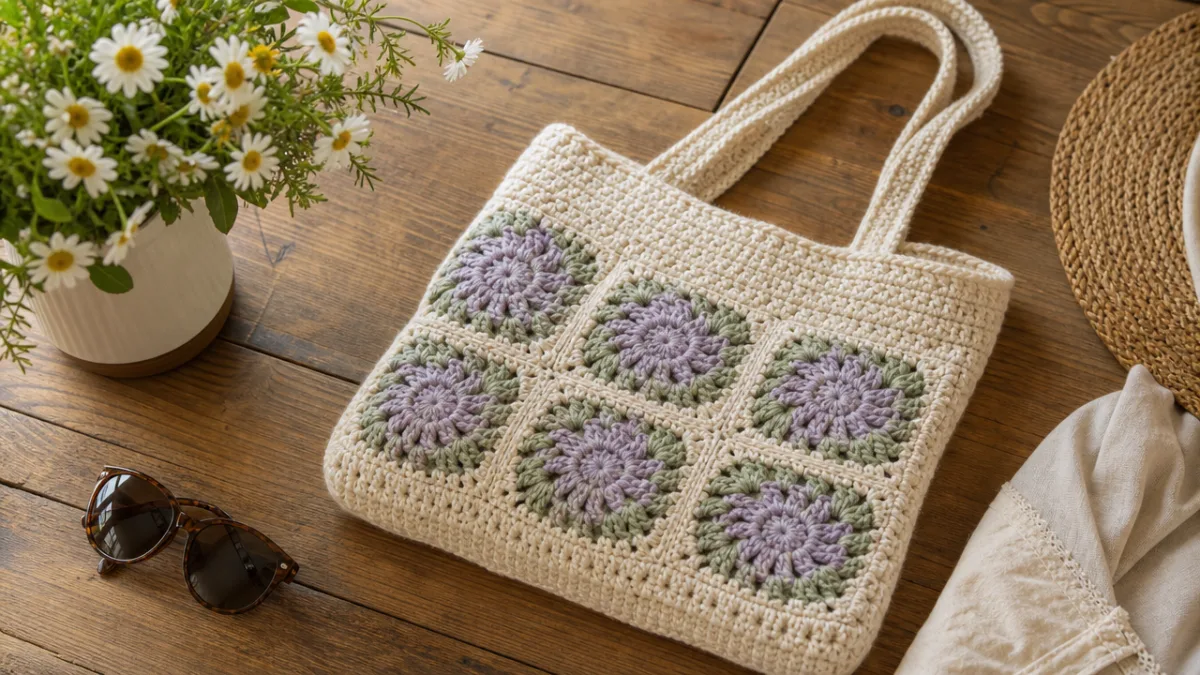
The world of crocheted bags is astonishingly diverse, and understanding the major style categories will help you choose your first project and plan your journey as a maker. The classic tote bag is perhaps the most popular starting point for beginners. Simple rectangular totes worked in single crochet or half double crochet can be completed in a weekend and instantly put to use. These sturdy workhorses are perfect for grocery shopping, carrying books, heading to the beach, or serving as an everyday handbag, and they can be personalized endlessly through color changes, surface embellishments, and handle variations.
Bucket bags and crossbody bags represent a step up in complexity and a significant leap in style. Bucket bags are typically worked in the round from the bottom up, creating a cylindrical shape with a drawstring or cinched top closure. They have an effortlessly chic, bohemian look that has remained popular in mainstream fashion for years, making crocheted versions genuinely on-trend accessories. Crossbody bags add the challenge of creating structured body panels, comfortable straps of the right length and width, and secure closure systems — all skills that expand a crocheter’s technical repertoire considerably.
More advanced bag styles include clutches and evening bags, backpacks, and intricate beaded or embellished purses. Crocheted clutches often incorporate fine thread crochet for a delicate, lacy look, or use tapestry crochet techniques to create bold geometric patterns in multiple colors. Backpacks require careful construction of multiple panels and a thoughtful approach to strap placement and load distribution. For those who love embellishment, beaded bags worked with seed beads threaded directly onto the yarn before crocheting create stunning heirloom-quality pieces that bridge the gap between craft and fine art.
- Tote bags — great for beginners, highly practical and customizable
- Market bags — often worked in mesh or open stitch patterns for lightweight carrying
- Bucket bags — stylish cylindrical bags worked in the round
- Crossbody bags — structured bags with adjustable straps
- Clutches and evening bags — refined pieces worked in fine thread or tapestry crochet
- Backpacks — ambitious multi-panel constructions for advanced makers
Key Crochet Techniques for Structuring and Shaping Bags
Creating a bag that not only looks beautiful but also holds its shape and stands up to daily use requires mastery of several specific crochet techniques. One of the most important concepts for bag crochet is gauge — the number of stitches and rows per inch that a specific combination of hook and yarn produces. Working to the correct gauge ensures your bag will be the intended size and have the right fabric density. A fabric that is too loose will stretch and sag under weight, while one that is too tight may feel stiff and will be harder to work. Always swatch and measure before beginning a bag project.
Tapestry crochet, also known as intarsia or colorwork crochet, is a technique that allows makers to create multi-colored geometric patterns and pictorial designs within a single crocheted fabric. It involves carrying unused yarn colors along the inside of the work and crocheting over them as you switch between colors. This technique is particularly popular for bags because it produces a thick, dense, structured fabric that holds its shape beautifully, and the geometric patterns it creates — diamonds, stripes, chevrons, Aztec motifs — look stunning on bag bodies. The resulting fabric has a slight tapestry-like quality that adds a sophisticated, artisanal look.
Working in continuous rounds rather than joined rounds is a technique that many bag makers prefer because it eliminates visible seams and creates a seamless, professional finish on the exterior of a bag. Using a stitch marker to track the beginning of each round, you simply continue spiraling upward without ever joining or turning your work. This is the same technique used to make seamless beanies and amigurumi toys, and it translates beautifully to bag construction. For the base of a bag, many patterns begin with a magic ring or a foundation chain that is worked in both sides to create an oval or rectangular starting platform that naturally forms the floor of the bag.

Finishing Techniques That Make Crocheted Bags Look Professional
The difference between a crocheted bag that looks homemade and one that looks like a polished boutique item almost always comes down to finishing. Finishing encompasses all the work that happens after the last stitch is crocheted, and investing time in these final steps is what transforms a craft project into a genuinely beautiful accessory. The first and most fundamental finishing step is weaving in all yarn ends securely and invisibly. Use a yarn needle to work each end back through several stitches in different directions, so the tail is locked in place and will not work loose over time with use and washing.
Blocking is a technique borrowed from knitting that involves wetting the finished crocheted piece, shaping it to its intended dimensions, and allowing it to dry in that position. For bags, especially those made from natural fibers like cotton or linen, blocking can dramatically improve the drape, even out the stitches, and help the bag hold a clean, intentional shape. Starch spray or fabric stiffener can be used on bags that need to stand up on their own, such as structured totes or cylindrical bucket bags. Simply spray the finished bag, shape it around a bowl or box of the right dimensions, and allow it to dry completely before use.
Lining a crocheted bag with fabric is one of the most impactful finishing touches you can add, and it serves both practical and aesthetic purposes. A fabric lining protects the interior of the bag from snags and stretching, prevents small items from slipping through open mesh stitches, and gives the bag a clean, structured interior that feels genuinely finished. Choosing a coordinating or contrasting fabric adds a personalized detail that elevates the entire piece. Sewing a simple lining requires only basic sewing skills: cut fabric panels to match the bag’s interior dimensions, sew them together, and hand-stitch the finished lining inside the bag along the top edge.
- Weave in all ends securely using a yarn needle, working in multiple directions
- Block the finished bag to even stitches and set the final shape
- Use starch spray or fabric stiffener for structured bags that need to stand independently
- Add a fabric lining to protect the interior and give a polished finished appearance
- Sew or rivet hardware such as magnetic snaps, feet, and clasps before attaching the lining
- Steam press the lining before inserting it for a crisp, professional result
Caring for Your Crocheted Bags and Making Them Last
A well-made crocheted bag can last for years — even decades — with proper care. The longevity of your bag depends significantly on the fiber content of the yarn you used to make it. Cotton bags are among the most durable and are generally safe to machine wash on a gentle cycle, though hand washing in cool water with a gentle detergent is always the safest approach. Jute and raffia bags should never be soaked in water as these natural fibers can weaken, stiffen unevenly, or develop mildew if they do not dry thoroughly. Spot cleaning with a damp cloth is the recommended care method for bags made from these materials.
Storage is another important factor in the lifespan of your crocheted bags. When not in use, stuff your bag with tissue paper or a small pillow to help it maintain its shape, especially for structured styles like bucket bags and clutches. Store bags in a cool, dry place away from direct sunlight, which can fade yarn colors over time, particularly with natural dyes. If you need to store a bag long-term, a breathable cotton bag is ideal — avoid plastic bags, which can trap moisture and encourage mildew growth in natural fiber bags. Keeping handles and straps detached when possible also reduces stress on attachment points.
Even the most carefully used crocheted bags will eventually show some wear, and knowing how to make basic repairs extends their life significantly. Loose ends that begin to unravel can be re-woven before they cause a larger problem. Stretched handles can sometimes be reinforced by running a length of matching yarn through the handle stitches to reduce elasticity. If a strap breaks at the hardware attachment point, the hardware can often be re-sewn or re-riveted without affecting the rest of the bag. Learning to see your crocheted bags as repairable, living objects rather than disposable accessories reflects the sustainable spirit at the heart of handcraft culture.
Inspiration and Community: Taking Your Bag Crochet Journey Further
One of the great joys of bag crochet is the vibrant, generous community of makers who share their knowledge, patterns, and finished projects online and in person. Platforms like Pinterest, Instagram, Ravelry, and YouTube are overflowing with free and paid bag crochet patterns suited to every skill level, from absolute beginner totes to museum-quality beaded evening bags. Following designers whose aesthetic resonates with you, saving patterns that inspire you, and gradually working your way through projects of increasing complexity is a fulfilling creative journey that never truly ends because there is always a new technique, material, or style to explore.
Joining a local yarn shop, crochet guild, or online community can dramatically accelerate your learning as a bag maker. Working alongside other crafters — even virtually — exposes you to different approaches, troubleshooting strategies, and creative ideas that you might never encounter working alone. Many experienced bag crocheters are extraordinarily generous with their knowledge and are delighted to help beginners navigate tricky pattern instructions, choose the right yarn for a project, or figure out how to attach a particularly challenging piece of hardware. The culture of sharing in the fiber arts community is one of its most beautiful and enduring qualities.
As your skills grow, consider designing your own bag patterns and sharing them with the community. Even simple variations on existing patterns — a different color combination, an added pocket, a modified handle — constitute genuine creative contributions that other makers may love and learn from. Many successful crochet designers began by making small modifications to existing patterns before gradually developing the confidence and technical knowledge to design original pieces from scratch. Every crocheted bag you make teaches you something new about structure, material, and design, building a foundation of practical knowledge that no tutorial alone could provide. The handmade bag you carry with you today is both a finished object and a step in an ongoing creative education that enriches your life in ways that extend far beyond the craft itself.








What do you think?
It is nice to know your opinion. Leave a comment.