










101 Brilliant Cleaning and Home Hacks With Borax
What Is Borax and Why Every Home Needs It
Borax — technically called sodium tetraborate — is a naturally occurring mineral that people have been using around the house for well over a hundred years. It’s mined mainly from dried-up lake beds, including parts of the Mojave Desert, and it comes as a white powder that dissolves easily in water. What’s remarkable is just how many things this one simple substance can do, and while it’s been a laundry room staple for generations, plenty of people are only now realizing how much more it’s capable of.
What makes borax so appealing is that it sits in a sweet spot between harsh chemical cleaners and purely natural alternatives. It’s not quite a soap, not a bleach, and not a disinfectant in the usual sense — but it does a pretty convincing impression of all three. It works by raising the pH of water, which breaks down greasy residue and organic gunk really effectively. It also makes life difficult for mold, mildew, and a whole range of bacteria, which is exactly what you want in the parts of your home where moisture and grime tend to build up.
On top of all that, borax is genuinely cheap. A big box costs just a few dollars and can last for months. When you think about how many specialized cleaning products line store shelves — each one supposedly designed for one specific problem — having a single thing that handles grout, laundry, pests, and odors starts to feel like a bit of a revelation. It saves money, and it clears up a lot of that crowded cabinet space under the sink.
Laundry Hacks That Will Transform Your Washing Routine
Using borax as a laundry booster is probably its most famous trick, and honestly, it earns the reputation. Just add half a cup alongside your regular detergent and you’ll notice a real difference. Borax softens water by neutralizing the minerals that usually stop detergent from lathering the way it should, especially if you live somewhere with hard water. Your clothes come out cleaner and brighter, and you can often get away with using a little less detergent in the process.
For stubborn stains, mix a small amount of borax with warm water to make a paste and rub it directly onto the spot before you wash. This works particularly well on protein-based stains — things like blood, sweat, and food. The alkaline nature of borax breaks down the bonds holding those stains to the fabric fibers, which is something cold water and standard stain sprays often can’t pull off on their own. Give it at least fifteen to thirty minutes to work before tossing the item in the wash.
Borax is also a lifesaver for laundry that’s gone sour or musty — you know that smell when wet clothes get left in the machine too long. Soak the affected items in a solution of one tablespoon of borax per gallon of warm water for about thirty minutes before running them through a normal cycle. It neutralizes the bacteria causing the smell rather than just masking it. This is especially worth knowing if you deal with gym clothes, towels, or cloth diapers that see a lot of heavy use and have a habit of trapping odors deep in the fabric.

Kitchen Cleaning Hacks You Need to Try Immediately
The kitchen takes a beating when it comes to cleanliness, and borax handles it surprisingly well. For everyday countertop cleaning, dissolve two tablespoons of borax in two cups of warm water and pour it into a spray bottle. It cuts through grease and food residue without leaving any harsh chemical smell behind, and it works fine on laminate, tile, and sealed stone surfaces. Just make sure you rinse thoroughly afterward, and skip it on unsealed natural stone like marble.
Cleaning the oven is one of those chores people put off forever, but borax takes a lot of the pain out of it. Sprinkle a generous layer of borax over the interior surfaces of a cool oven, then mist it with a bit of water to form a gritty paste. Leave it overnight. By morning, all that baked-on grease and carbonized food will have softened up enough to wipe away with very little effort. It’s a huge improvement over commercial oven cleaners that fill your kitchen with fumes and can be rough on the oven surfaces themselves.
If your kitchen drain has slowed down or started to smell a bit funky from grease and food buildup, borax has a simple fix. Pour half a cup of borax down the drain, follow it with two cups of boiling water, and let it sit for fifteen minutes before flushing with hot water from the tap. It helps dissolve the greasy deposits clinging to the inside of the pipes while clearing out the odor at the same time. Do this once a week as maintenance and you’ll likely push back the day you ever need to deal with a seriously clogged drain.
Rust stains in the kitchen sink are another thing borax handles well. Mix a tablespoon of borax with enough lemon juice to make a thick paste, spread it on the stain, and let it sit for around twenty minutes. The acidity of the lemon juice and the cleaning action of the borax work together to break down the oxidized iron causing that reddish-brown discoloration. Stainless steel and porcelain sinks both respond really well to this, and the same paste works on rust stains on bathroom fixtures and laundry tubs too.
Bathroom Brilliance: Tackling Mold, Mildew, and Grime
If there’s one room in the house that mold and mildew love, it’s the bathroom — and borax is one of the best ways to fight back. Unlike bleach, which kills surface mold but can leave damp residue that actually encourages it to grow right back, borax makes the environment genuinely inhospitable to mold spores over time. To treat moldy tile grout, mix one cup of borax with a gallon of hot water, apply it to the area, and scrub with a stiff brush. You don’t need to rinse it off afterward — the residue that’s left behind actually works as a deterrent against mold coming back.
Nobody loves cleaning the toilet, but borax makes it a lot more effective and honestly not that bad. Sprinkle a cup of borax into the bowl before you go to bed, leave it overnight without flushing, and then give it a quick scrub in the morning before flushing. The long soak breaks down the mineral deposits, limescale, and hard water staining that regular toilet bowl cleaners often barely touch. If your toilet has stains that look like they’ve been there forever, this is worth trying before you give up on it.
Shower curtains and liners are one of those things people often just throw away once the mildew gets bad enough, but that’s usually not necessary. Fill the bathtub with warm water, add half a cup of borax, and soak the curtain for an hour. Agitate it gently, then rinse. It can remove staining that honestly looks permanent and leave the curtain looking close to new. After that, a quick spritz of diluted borax solution on the bottom of the curtain after each shower will slow down the mildew from coming back dramatically.
Pest Control and Outdoor Uses Around the Home
Borax has a well-earned reputation as one of the most effective household remedies for ant problems, and the reason it works so well is actually pretty clever. When ants eat borax mixed with something sweet like sugar or honey, it disrupts their digestive systems and eventually kills them — but slowly. That delay is the key, because it gives worker ants enough time to carry the bait back to the colony and share it with everyone else, including the queen. That’s why borax-based ant baits work so much better than contact pesticides, which kill the ants you can see but leave the rest of the colony completely untouched.
For cockroaches, mix equal parts borax and powdered sugar and sprinkle it in the spots where roaches tend to travel — behind appliances, under sinks, along baseboards. The sugar draws them in while the borax damages their exoskeletons and digestive systems once ingested. This isn’t a method that works overnight; it takes days or even weeks to make a real dent. But it’s significantly less toxic to children and pets than most commercial sprays when you place it carefully in areas they can’t reach. Just be thoughtful about placement and make sure it’s genuinely out of the way.
Outdoors, borax earns its keep in a few more ways. A diluted borax solution works well for cleaning outdoor furniture, knocking algae and moss off patio stones, and treating wooden deck surfaces that have developed mildew staining. Spraying it on wooden fence posts or around garden beds can also help slow down fungal rot and mold in damp conditions. One thing to be careful about: keep borax away from soil in anything more than very small amounts. Boron is actually a micronutrient plants need, but even slightly too much of it becomes toxic to plant life, so less is definitely more near garden beds.
Creative and Unexpected Home Hacks Using Borax
Here’s where borax gets genuinely surprising. One of the lesser-known uses is preserving cut flowers — mix borax with fine sand or cornmeal, submerge your flowers in the mixture, and leave them for one to three weeks. The mixture slowly draws moisture out of the petals without causing them to shrivel, leaving you with beautifully preserved blooms that hold their color and shape for years. It’s a lovely way to keep flowers from a special occasion around long-term.
Borax is also the key ingredient in classic homemade slime, which has been delighting kids for decades. Combine it with white school glue and warm water in the right proportions and you get that stretchy, cross-linked polymer that makes slime so satisfying to play with. It’s more of a rainy-day activity than a practical household tip, but it’s a good example of how chemically versatile borax actually is — and the result is less sketchy than a lot of commercial slime products made with other chemical binders. Just keep an eye on the kids while they’re making it and make sure they wash their hands thoroughly when they’re done.
If you have a closet, storage room, or under-sink cabinet that always smells musty no matter what you do, try leaving an open dish of dry borax in there. It absorbs moisture from the air, and moisture is almost always the root cause of that persistent musty smell in enclosed spaces. It actually lasts longer than baking soda for this purpose and doesn’t need to be swapped out as often. And when you eventually do replace it, the old borax can be dissolved in water and used for cleaning — nothing goes to waste.
- Add borax to a spray bottle with water and a few drops of tea tree oil for a powerful all-purpose bathroom disinfecting spray.
- Use a borax paste to remove crayon and marker stains from painted walls without stripping the paint underneath.
- Soak retainers, dentures, or mouth guards in a diluted borax solution to sanitize them without harsh chemicals.
- Sprinkle borax in garbage cans before inserting a new liner to prevent odors and discourage insects from nesting inside.
- Mix borax into grout cleaning solutions when resealing bathroom or kitchen tile for added mold-inhibiting protection.
- Dissolve borax in warm water and use the solution to clean children’s plastic toys and teething rings safely.
- Apply a diluted borax solution to mattresses to neutralize odors and discourage dust mites from establishing populations.
Safety, Storage, and Smart Usage Guidelines
Borax gets a lot of praise for being more natural than conventional cleaning chemicals, but that doesn’t mean you should be careless with it. It should never be ingested, and some people find that prolonged skin contact causes irritation, so rubber gloves are a smart habit when you’re working with concentrated solutions. It’s also worth avoiding breathing in borax dust directly — like any fine powder, it can irritate your airways. And when you’re using it as a pest bait mixed with sugar or honey, make sure it’s placed somewhere children and pets genuinely can’t get to it.
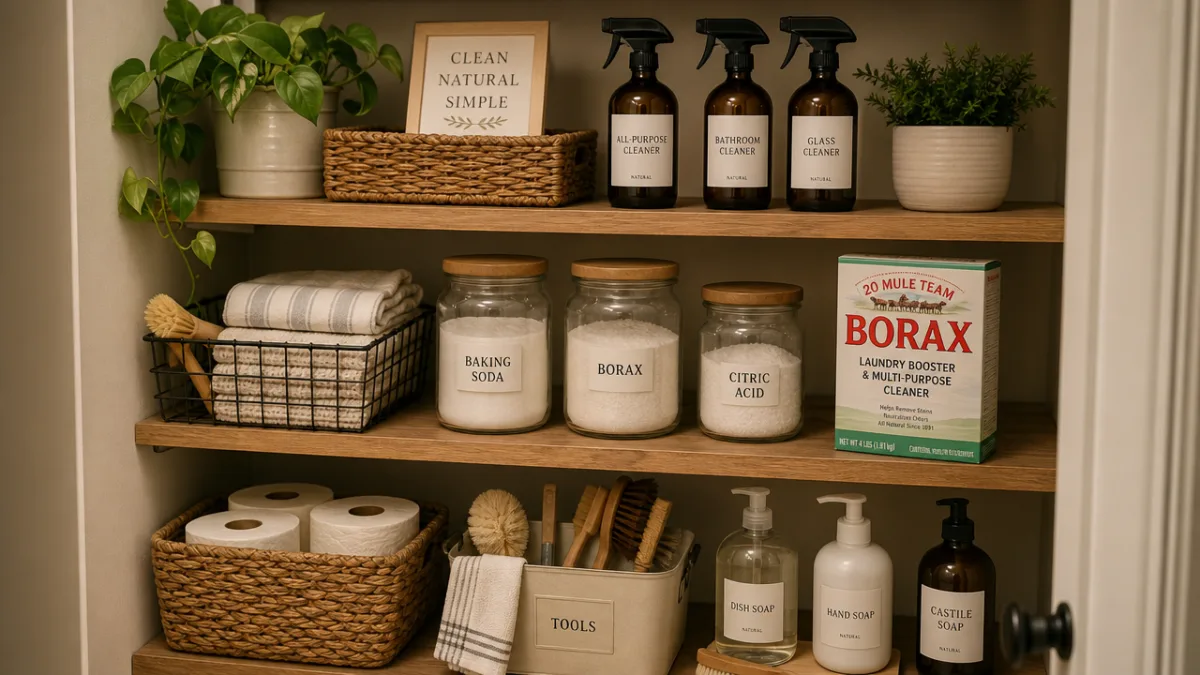
Storing borax couldn’t be simpler. Keep it dry and in a sealed container and it’ll last indefinitely. Humidity can make the powder clump together over time, but that doesn’t affect how well it works — the clumps break apart easily. A cool, dry pantry shelf or under a utility sink is perfectly fine for long-term storage. Since borax usually comes in a cardboard box that isn’t always resealable, a lot of people just transfer it into a lidded plastic or glass container to keep things tidy and dry.
It’s also worth knowing what borax can’t do, because there are real limits. It’s not safe for silk, wool, or other delicate natural fibers in the laundry — the alkalinity can break down protein-based textiles over time. If you’re using it near food-prep surfaces, rinse thoroughly before using those surfaces again. And keep it well away from fish tanks and aquariums, since even tiny amounts are highly toxic to aquatic life. Knowing where borax works and where it doesn’t is what keeps it useful rather than problematic.
Used thoughtfully, borax really is one of the most impressive all-purpose substances you can keep at home. It cleans, deodorizes, fights mold, and controls pests — all from one inexpensive box. Whether you’re someone who loves a well-optimized cleaning routine or you’re just looking to simplify what’s under your sink without sacrificing results, the hacks in this guide give you a solid, practical foundation for putting borax to work in pretty much every corner of your home.








What do you think?
It is nice to know your opinion. Leave a comment.