










Raised Garden Beds: Brilliant DIY and Kits for Lovely and Protected Gardens
Why Raised Garden Beds Are Transforming Home Gardens
Raised garden beds have surged in popularity over the past decade, and for very good reason. Whether you have a sprawling backyard or a compact urban patio, these elevated growing spaces offer a level of control and convenience that traditional in-ground gardening simply cannot match. Gardeners of all experience levels are discovering that raising their plants above ground level leads to healthier crops, fewer weeds, and significantly less back-breaking labor throughout the growing season.
The fundamental appeal of raised garden beds lies in their versatility. You can build or buy a raised bed in virtually any size, shape, or material to suit your specific outdoor space and aesthetic preferences. From rustic reclaimed wood frames that blend into a cottage garden to sleek galvanized steel planters that complement a modern landscape, there is a raised bed design to match every vision. This adaptability makes them an approachable first project for beginning gardeners while still offering enough complexity to engage seasoned horticulturists.
Beyond aesthetics, raised beds offer genuine practical advantages that compound over time. The soil within a raised bed warms up faster in spring, extending your growing season by weeks. Because you never walk on the soil, compaction is virtually eliminated, which encourages deep root growth and improved drainage. Many gardeners report noticeably higher yields from raised beds compared to equivalent ground-level plots, making them not just a beautiful addition to the garden but a genuinely productive investment in your household’s food supply.
Choosing the Right Materials for Your Raised Bed
The material you choose for your raised garden bed will shape everything from its durability and cost to its appearance and the safety of your soil. Wood remains the most popular choice among DIY builders, offering a natural look that ages gracefully and integrates beautifully into most garden settings. Cedar and redwood are widely considered the gold standards for wooden raised beds because both species contain natural oils that resist rot and insect damage without the need for chemical treatments, giving them a functional lifespan of ten to twenty years under typical conditions.
For gardeners concerned about longevity or those who prefer a more industrial aesthetic, galvanized steel raised beds have become an increasingly fashionable option. Modern galvanized steel planters are designed with food-safe coatings and zinc treatments that prevent rust while keeping soil chemistry neutral. These beds can last for decades with almost zero maintenance, making their higher upfront cost worthwhile over a long growing lifetime. They also heat up quickly in sunlight, which can be a benefit or a drawback depending on your climate and the crops you intend to grow.
There are several other material options worth considering before you commit to a design. Composite lumber, often made from recycled wood fibers and plastic, offers impressive durability without the environmental concerns sometimes associated with pressure-treated wood. Concrete blocks and stone create extremely permanent raised beds with excellent thermal mass, keeping soil temperatures stable through overnight fluctuations. Fabric raised bed kits have also gained a loyal following for their portability and excellent drainage properties, making them ideal for renters or anyone who wants a flexible setup that can be relocated each season.
- Cedar or Redwood: Naturally rot-resistant, beautiful grain, and safe for edible crops without any chemical treatment required.
- Galvanized Steel: Long-lasting and modern-looking, available in many sizes, requires virtually no annual maintenance or replacement.
- Composite Lumber: Eco-friendly option that resists warping, rotting, and insect damage better than untreated natural wood.
- Concrete Block or Stone: Extremely durable, excellent thermal mass, and can be arranged in custom shapes to fit irregular spaces.
- Fabric Grow Bags: Lightweight, affordable, and portable, with excellent air pruning properties that encourage healthy root systems.
DIY Raised Garden Bed Projects for Every Skill Level
Building your own raised garden bed from scratch is one of the most rewarding weekend projects a gardener can undertake, and it does not require advanced carpentry skills or a workshop full of expensive tools. The most basic design involves nothing more than four planks of lumber, a handful of corner brackets or screws, and an afternoon of unhurried work. A standard beginner bed measuring four feet by eight feet by twelve inches deep can be assembled in two to three hours, and the sense of accomplishment you feel filling it with fresh soil and your first seedlings is genuinely hard to describe.
Once you have mastered the basic rectangular bed, there is an entire world of more ambitious DIY designs waiting to inspire your next project. Tiered raised beds create visual drama while allowing you to grow cascading plants like herbs and strawberries along the front edges. Keyhole garden designs incorporate a narrow access path into the bed’s shape, allowing you to tend the entire planting area without ever stretching uncomfortably. L-shaped beds can be fitted into corners to maximize growing space in compact yards, while circular or hexagonal beds make striking focal points in ornamental kitchen garden layouts.
Woodworking novices often worry about getting measurements wrong or creating a structure that is not perfectly square, but raised garden beds are forgiving projects by nature. A slightly imperfect frame will still function beautifully once it is filled with soil and plants. If you want to add longevity to your DIY build without upgrading your lumber, consider lining the interior walls with heavy-duty landscape fabric before filling. This prevents direct contact between soil moisture and wood, significantly slowing the natural decomposition process and potentially adding years to your bed’s functional life.
The Best Raised Garden Bed Kits Available Today
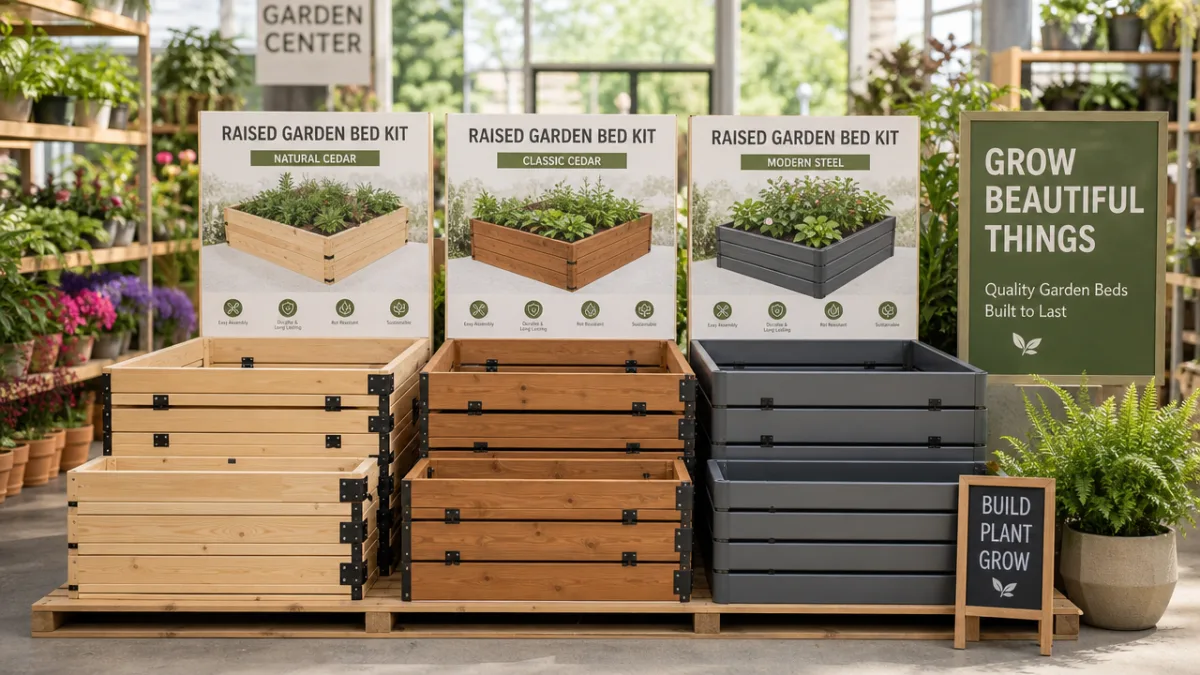
For gardeners who prefer a polished, ready-to-assemble solution over a from-scratch build, the raised garden bed kit market has never offered more impressive options. Today’s kits range from simple budget-friendly wooden panel systems to elaborate modular steel setups that can be reconfigured into virtually any shape or scale. Purchasing a kit eliminates the time spent sourcing materials, measuring, and cutting, making it possible to go from unboxing to planting in a single afternoon even without any prior gardening or construction experience.
When evaluating raised bed kits, there are several important factors to weigh carefully before making a purchase. The depth of the bed is often more important than buyers initially realize, since most vegetables require a minimum of twelve inches of root space, and root vegetables like carrots and parsnips thrive best with eighteen to twenty-four inches. Check whether the kit includes corner connectors that lock securely, since loose joints will allow soil pressure to push walls outward over time. Also confirm whether the materials used are specifically rated as food-safe, especially for any kits that include painted or coated components.
Some of the most highly regarded kit brands on the market include options from companies like Vego Garden, which produces attractive modular metal beds with a baked-on food-safe finish, and Greenes Fence, which offers classic cedar panel kits that are easy to expand as your garden grows. Birdies Garden Products from Australia has also built a devoted following worldwide for their colorbond steel beds, which combine durability with a wide range of color options. For wooden kits at entry-level price points, brands like Garden in Minutes offer systems with innovative corner connectors that allow beds to be assembled without any tools at all.
- Measure your available space carefully and choose a kit sized to fit without crowding paths or other garden features.
- Check the depth options, aiming for at least twelve inches for most vegetables and deeper for root crops.
- Confirm all materials are food-safe, particularly if the kit includes coatings, finishes, or metal components.
- Read reviews specifically about the corner connector quality, since this is the most common point of failure in kit beds.
- Consider expandability if you plan to grow your raised bed garden over time, choosing modular systems where possible.
Filling and Preparing Your Raised Bed for Success
Even the most beautifully constructed raised garden bed will underperform if it is not filled with the right growing medium. The most widely recommended mix for raised beds is often called Mel’s Mix, named after the square-foot gardening pioneer Mel Bartholomew, and it consists of equal parts compost, coarse vermiculite, and peat moss or coconut coir. This blend is exceptionally lightweight compared to garden soil, drains freely to prevent waterlogging, and provides an outstanding nutritional foundation that supports vigorous plant growth from the very first season.
Many gardeners also embrace a technique known as the Hugelkultur method when filling deep raised beds, particularly as a way to reduce the volume of expensive growing mix required. This approach involves laying a base layer of logs, branches, straw, and other organic debris at the bottom of the bed before topping it with compost and growing mix. As the organic material decomposes slowly over several years, it releases nutrients into the soil above, improves water retention dramatically, and creates a self-fertilizing ecosystem that actually improves with age rather than depleting over time.
Regardless of which filling method you choose, it is important to think carefully about the soil ecosystem you are creating. Raised beds benefit enormously from the regular addition of compost, both mixed in at the beginning of each season and applied as a top dressing throughout the growing year. Worm castings are a particularly potent amendment that improves soil structure, adds beneficial microorganisms, and provides a gentle slow-release fertilizer that plants access exactly as they need it. Avoiding synthetic fertilizers in favor of organic amendments helps build long-term soil health rather than simply feeding plants in isolation.
Protecting Your Raised Garden: Covers, Trellises, and Pest Control
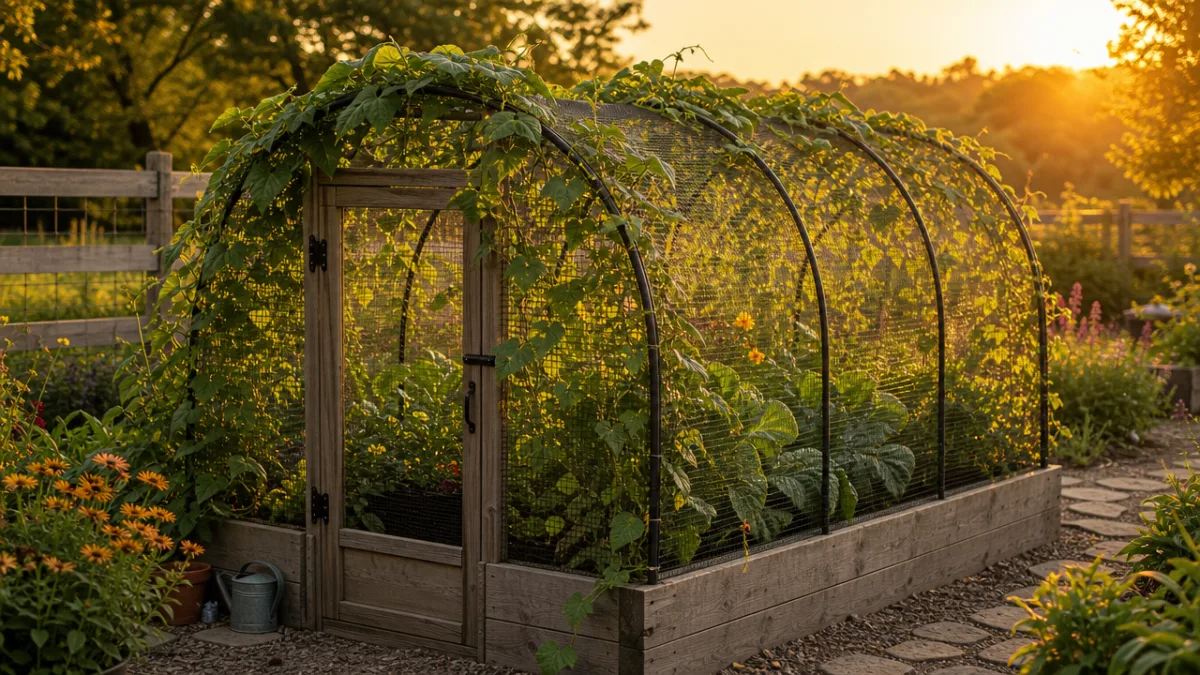
One of the most significant practical advantages of raised garden beds is how much easier they make protecting your plants from the full spectrum of environmental threats. A raised bed’s defined footprint makes it straightforward to attach protective structures directly to the frame, creating an adaptable system that can be reconfigured as seasons and needs change. From lightweight row cover hoops that extend your growing season through frost to rigid hardware cloth lids that keep burrowing pests permanently out, the structural nature of raised beds opens up a world of protective options that are impractical or impossible with in-ground planting.
Attaching a trellis directly to a raised bed frame creates an extremely productive vertical growing system that dramatically expands what you can grow in a limited footprint. Cucumbers, pole beans, indeterminate tomatoes, peas, and small melons can all be trained upward rather than allowed to sprawl, leaving the bed floor free for low-growing companion plants. Many woodworkers design their raised beds with built-in trellis posts at the corners specifically for this purpose, creating an integrated structure that looks intentional and keeps the garden visually organized throughout the season.
Pest management is an area where raised beds genuinely shine compared to traditional gardening. Lining the base of a raised bed with hardware cloth before adding soil creates a permanent barrier against gophers, moles, and voles that can devastate root vegetables in ground-level gardens. Attaching a simple frame of PVC pipe and draping it with insect netting during peak pest season can protect brassicas from cabbage moths without any pesticide use whatsoever. Copper tape applied around the exterior of wooden beds creates an effective and long-lasting deterrent against slugs and snails, which are among the most damaging pests in any moist garden environment.
- Hardware cloth base liner: Prevents burrowing pests like gophers and voles from destroying root crops from below.
- Row cover hoops: Extend your growing season in both spring and autumn by providing frost protection on cold nights.
- Insect netting frames: Block moths, aphids, and other flying pests without the use of chemical pesticides or sprays.
- Integrated trellises: Maximize vertical growing space and improve air circulation, reducing fungal disease pressure on climbing crops.
- Copper tape edging: Creates an effective, low-maintenance deterrent against slugs and snails around the bed exterior.
Designing a Beautiful and Productive Raised Bed Garden Layout
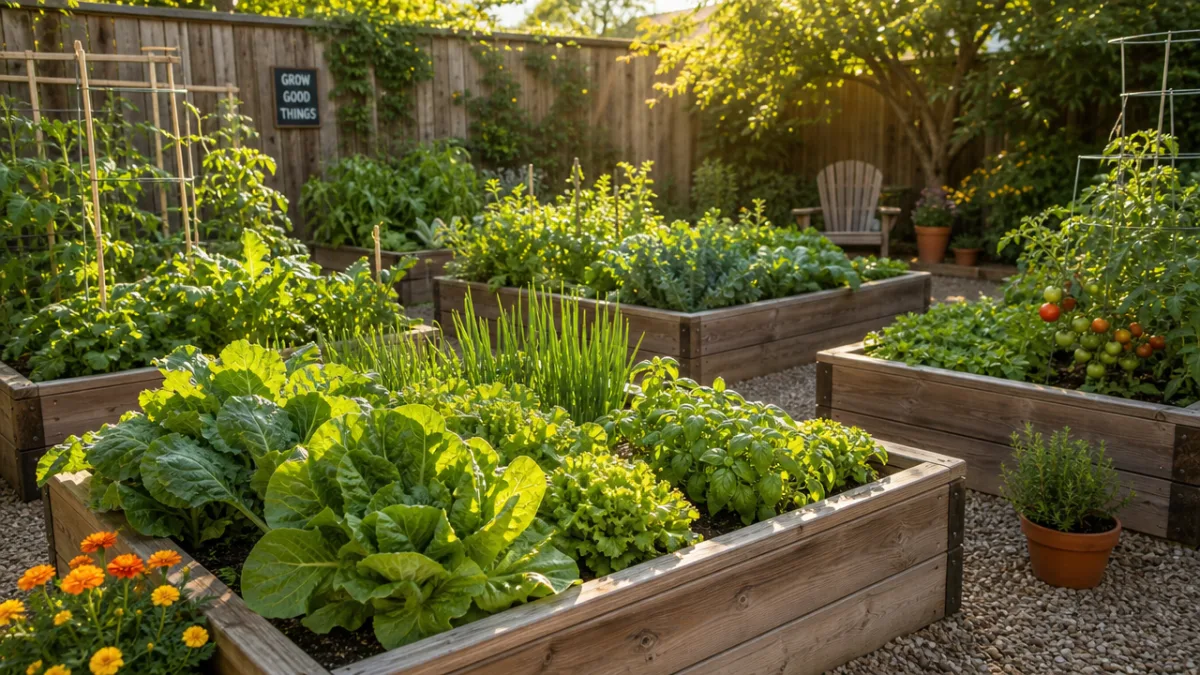
Thinking carefully about the layout of multiple raised beds transforms a collection of individual planters into a cohesive, beautiful, and highly functional kitchen garden. The most classic arrangement draws inspiration from the traditional European potager style, which treats the vegetable garden as an ornamental space worthy of the same design attention as any flower border. In a potager-inspired layout, raised beds are arranged in symmetrical patterns separated by defined pathways, with edible plants selected as much for their visual qualities as for their flavor and productivity.
Pathways between raised beds deserve as much planning as the beds themselves, since the material you choose will influence both the visual character of the space and the practical experience of working in it on wet days. Gravel pathways are popular for their affordability and excellent drainage, though they can be uncomfortable to kneel on and tend to migrate over time. Bark mulch creates a softer, warmer aesthetic that suits cottage-style gardens and suppresses weeds effectively, though it requires occasional topping up. Stepping stones, brick, or pavers create the most formal and long-lasting look, and they remain solid underfoot in any weather condition.
Companion planting is a powerful strategy that becomes far easier to implement within the organized structure of raised beds, where you have precise control over what grows where. Planting fragrant herbs like basil, dill, and marigolds around the perimeter of beds filled with vegetables creates a living pest deterrent that also adds color and sensory pleasure to the garden space. Tall plants like corn or sunflowers can be positioned on the north side of beds so they do not shade shorter neighbors, while sprawling plants like squash and pumpkins can be directed to trail over the bed edges and down pathways, saving space within the bed for upright growing crops. With thoughtful planning, a collection of raised beds becomes a productive, beautiful, and ecologically dynamic garden system that improves with each passing season.








What do you think?
It is nice to know your opinion. Leave a comment.