










Garden Gnome Halloween Costume: The Complete Guide to Creating the Most Charming Look of the Season
Why a Garden Gnome Costume Is the Perfect Halloween Choice
When it comes to Halloween costumes, few choices strike the perfect balance between whimsical, recognizable, and genuinely fun to wear as the beloved garden gnome. These cheerful little folklore figures have been a staple of European gardens for centuries, and their distinctive look — complete with a tall pointed hat, rosy cheeks, and a long flowing beard — translates into a Halloween costume that practically radiates personality. Whether you’re heading to a neighborhood party, trick-or-treating with kids, or attending an office Halloween event, a garden gnome costume fits every occasion with effortless charm.
The beauty of the garden gnome concept is that it appeals to virtually every age group. Young children adore the playful, storybook quality of gnomes, while teenagers can lean into the ironic and quirky angle, and adults can appreciate the nostalgic warmth the costume brings. Unlike more frightening Halloween options, the garden gnome occupies a delightfully friendly corner of the costume world — you won’t be scaring small children at the door, but you’ll absolutely be winning every “best costume” contest at the party. That broad appeal makes it one of the most socially versatile options in the Halloween costume lineup.
Garden gnome costumes also offer tremendous creative flexibility. You can go the DIY route for a fully handcrafted look full of personal touches, or you can purchase a ready-made costume and customize it to your liking. You can also interpret the gnome concept in countless directions — a traditional Bavarian-style gnome, a spooky Halloween gnome draped in orange and black, a woodland fairy gnome, or even a pop-culture gnome mashup with a favorite movie or show. The foundation remains immediately recognizable, but the creative ceiling is as high as your imagination will take you.
Essential Elements of an Authentic Garden Gnome Look
To build a convincing garden gnome costume, it helps to understand the core visual elements that define the aesthetic. The most iconic piece is undoubtedly the tall, conical pointed hat, typically in red, though Halloween-themed versions often appear in deep purple, midnight black, or burnt orange. The hat should be tall enough to be dramatic — at least 12 to 18 inches — and ideally made from felt or foam so it holds its shape throughout the evening. A hat that flops or collapses halfway through the night will quickly lose its magic, so construction quality matters more than it might seem.
The second defining feature is the beard — long, fluffy, and unmistakably gnome-like. White or silver beards work best for capturing that wise, ancient garden spirit energy, and you can find excellent costume beards at party supply stores or craft them yourself using cotton batting, white yarn, or even faux fur fabric. The beard should be full enough to cover most of the lower face and ideally drape down to chest level. Some costumes incorporate the beard into a chin strap or elastic attachment, while others use skin-safe costume adhesive for a more theatrical effect.
Beyond the hat and beard, the outfit itself typically consists of a few key components that you can mix and match depending on your budget and creativity. Consider incorporating the following elements for a complete look:
- Tunic or vest: A simple, earthy-toned tunic in brown, green, or burgundy serves as the gnome’s main garment. Belted at the waist, it gives the silhouette that classic storybook feel.
- Trousers or leggings: Neutral-colored pants tucked into boots or topped with felt boot covers complete the lower half of the costume.
- Rosy cheek makeup: A touch of blush or face paint applied in large circles on both cheeks is the single most effective way to transform your face into a gnome’s.
- Curly-toed shoes or boot covers: These whimsical footwear touches make the costume immediately recognizable and add a delightful finishing detail.
- Prop accessories: A tiny watering can, a miniature garden trowel, a potted flower, or a small mushroom prop all reinforce the garden setting beautifully.
DIY Garden Gnome Costume: Step-by-Step Instructions
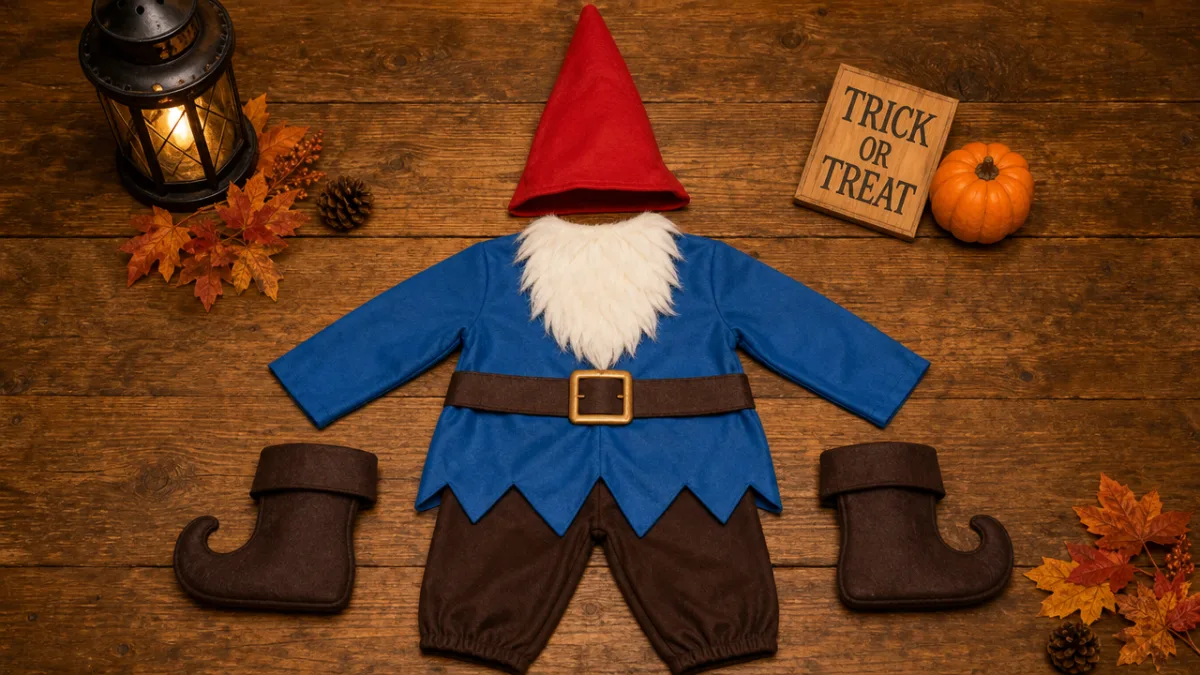
Making your own garden gnome costume from scratch is a wonderfully rewarding project that doesn’t require advanced sewing skills or a significant budget. The most important piece to start with is the hat, since it sets the tone for the entire costume. To make one, cut a large semicircle from stiff felt fabric — the radius of the semicircle will determine the final height of the hat. Roll it into a cone shape, hot glue or hand-stitch the seam securely, and trim the base so it sits evenly on your head. Add an inner band of elastic or ribbon to keep it in place during active wear.
For the tunic, a simple rectangle of fabric hemmed at the edges and given a center neck opening is all you really need. If you want something more structured, you can sew a basic vest pattern using a free online template, or simply alter a thrifted vest with fabric paint, patches, and embellishments to give it that woodland gnome character. Earthy tones like mossy green, terracotta, and deep burgundy all work wonderfully. You can add texture by cutting the hem into a jagged edge or sewing on small felt leaf or mushroom appliqués for extra personality.
The beard is perhaps the most fun element to construct. Hot-gluing layers of thick white yarn or cotton batting onto a piece of craft foam cut to the shape of a beard creates a surprisingly realistic effect. You can build it up in layers, curling and teasing the fibers to give it volume and dimension. For attachment, punch small holes at the sides and thread through elastic to loop around the ears, or use theatrical spirit gum if you want a more secure, mask-free fit. Once your hat, tunic, and beard are complete, all that remains is rosy cheek makeup and you’re ready to step into the garden.
Buying a Ready-Made Gnome Costume: What to Look For
If crafting your own costume isn’t in the cards this season, the market for ready-made garden gnome Halloween costumes is surprisingly rich and varied. From budget-friendly complete sets sold at major Halloween retailers to higher-quality theatrical options available through specialty costume shops and online marketplaces, there’s a gnome costume for every price point and preference. When shopping, the most important factor to evaluate is the hat — specifically whether it’s constructed from material stiff enough to maintain its conical shape under real-world party conditions. A floppy hat will deflate the whole illusion.
Another consideration when purchasing a premade costume is the quality and fullness of the included beard. Many budget costume sets include a thin, sparse beard that barely covers the chin. Look at product photos carefully and read customer reviews specifically mentioning the beard’s thickness and attachment method. If the included beard looks inadequate, it’s worth purchasing a separate, fuller costume beard — these are available inexpensively at party stores and can dramatically elevate the overall effect of even a basic gnome costume set.
Pay attention to sizing charts carefully when ordering gnome costumes online, especially if you’re buying for a child. Halloween costume sizing tends to run differently than standard clothing sizes, and a costume that’s too large will look sloppy while one that’s too small won’t accommodate movement comfortably throughout a full evening of festivities. Many shoppers also find it worthwhile to order early in the season — by mid-October, popular styles and sizes frequently sell out, leaving you scrambling for alternatives. The following sizing tips can help ensure a good fit:
- Measure the wearer’s chest, waist, and height before consulting the retailer’s specific size chart.
- When between sizes, size up — costumes are easier to take in with safety pins than to let out.
- Check whether the hat is one-size-fits-all or comes in head circumference sizes, as hat fit is critical to the gnome silhouette.
- Read reviews from customers of similar height and body type for the most relevant fit feedback.
Garden Gnome Makeup and Face Paint Techniques
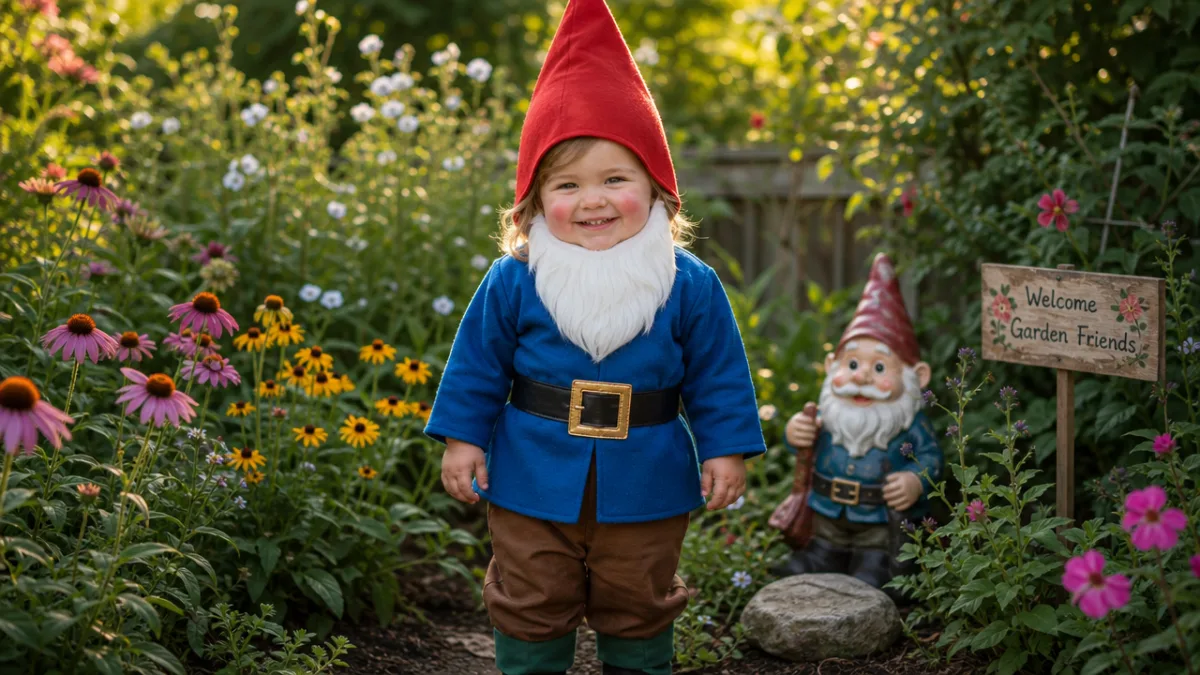
The right makeup approach can transform even the most basic gnome costume into something truly magical. The signature rosy cheeks are non-negotiable — they’re the facial detail that most immediately reads as “gnome” to any observer. Apply a generous, circular blush in a warm coral or red-pink tone directly to the apples of the cheeks, blending the edges softly but keeping the center of the circle quite vivid. This slightly cartoonish intensity is exactly the effect you’re going for, and natural-looking blush won’t have the same visual impact, especially under the dim lighting of evening Halloween events.
For those who want to go further with their gnome makeup, consider adding a slightly bulbous or rosy nose effect using theatrical makeup or even a prosthetic costume nose available at Halloween retailers. A rosy tint applied around the tip of the nose with a fingertip dab of cream blush creates a sweet, weathered gnome appearance without requiring a prosthetic at all. You might also add subtle lines at the corners of the eyes and mouth to suggest an older, wiser gnome who has spent many decades tending the garden — light application of brown or gray cream liner drawn in gentle curved lines works beautifully for this effect.
If you’re wearing a costume beard and want your own facial hair or skin to blend seamlessly, applying a light base coat of foundation slightly warmer or more ruddy than your natural skin tone to your visible face creates cohesion between the costume elements and your complexion. Setting it with a translucent powder ensures it stays in place through an evening of talking, eating, and celebrating. For children, stick to child-safe face paint products clearly labeled non-toxic and dermatologist-tested, and always do a small patch test behind the ear at least a day before Halloween to check for any sensitivity reactions.
Group and Couple Garden Gnome Costume Ideas
One of the greatest strengths of the garden gnome theme is how naturally it lends itself to group and couples costumes. A pair of gnomes — perhaps in complementary color schemes, with one wearing a classic red hat and the other a forest green — makes for an immediately cohesive and heartwarming couples Halloween look. You can lean into the garden motif by having one partner carry a small potted plant or watering can while the other carries a little “For Sale” sign or a garden flag, telling a tiny visual story together without a single word of explanation needed.
For larger groups, the possibilities expand delightfully. A family can coordinate as a whole garden of gnomes, with each member wearing a different hat color to represent different gnome personalities — the wise elder in white, the adventurous young gnome in bright yellow, the mischievous one in deep purple. Friend groups can take the theme in a more theatrical direction, assigning each person a role in the “gnome village,” complete with prop tools, different accessories, and handmade name tags bearing whimsical gnome names. This level of coordination guarantees group photo gold and near-certain victory in any costume contest.
You can also pair the gnome theme with a humorous pop-culture twist for an extra layer of entertainment value. Consider combining the garden gnome aesthetic with a favorite television show or movie — a gnome version of a beloved fantasy character, a “gnome” take on a historical figure, or a punny gnome concept built around a clever play on words. (“There’s no place like gnome” as a Wizard of Oz crossover, for example, is reliably delightful.) These hybrid concepts reward attentive party guests who catch the reference while still reading clearly as gnome costumes to everyone else, making them excellent conversation starters throughout the evening.

Caring for and Storing Your Garden Gnome Costume
A well-made garden gnome costume — whether homemade or purchased — can last for many Halloween seasons if properly cared for and stored. The hat is the most vulnerable component, as its conical shape can be permanently deformed if crushed or folded. After use, stuff the interior of the hat with crumpled tissue paper or a small plastic bag filled with packing peanuts to maintain its shape, and store it upright in a large box or dedicated costume bin rather than compressing it under other items. A few minutes of proper storage preparation extends the hat’s lifespan by years.
Fabric components like the tunic, vest, or trousers should be spot-cleaned or gently hand-washed if needed, following any care instructions on the label for purchased items. Homemade felt pieces can be lightly brushed with a soft-bristled garment brush to remove dust and lint, but avoid machine washing felt unless the item was specifically constructed with machine-washable felt, as the material can shrink or distort. The beard, whether yarn, batting, or faux fur, benefits from a light fluffing and reshaping after use — store it flat in a sealed plastic bag to protect it from dust and keep the fibers clean and fresh for next year.
Makeup and face paint products should be checked for expiration dates before use in subsequent years, as these products do have a shelf life and expired cosmetics can cause skin irritation. Theatrical adhesives used to attach beards or prosthetics should likewise be stored in a cool, dry place and tested for freshness before each use. Storing all the elements of your gnome costume together in a clearly labeled bin makes reassembly effortless the following October, and doing a quick inventory at the end of each Halloween season — noting what needs replacing or repair — means you’ll never be scrambling at the last minute to source a missing piece of your beloved costume.








What do you think?
It is nice to know your opinion. Leave a comment.