










42 Best DIY Pallet and Wood Planter Box Ideas: Transform Reclaimed Wood Into Garden Magic
Why Pallet and Wood Planter Boxes Are Taking Over Gardens Everywhere
There has never been a better time to embrace the DIY pallet planter movement. Across backyards, balconies, patios, and porches, gardeners of every skill level are discovering that reclaimed wood and repurposed pallets offer one of the most affordable, creative, and environmentally conscious ways to grow plants. What once might have seemed like a niche craft project has exploded into a full-blown gardening trend that combines sustainability, personal expression, and genuine horticultural function into one satisfying weekend project.
The appeal is not hard to understand. Wooden shipping pallets are everywhere, often available for free from hardware stores, garden centers, furniture retailers, and warehouses that would otherwise send them to landfill. When you take one of these sturdy, weather-resistant platforms and transform it into a blooming vertical garden or a raised planter bed, you are not just saving money — you are giving new life to a material that has already served one purpose well. That story of reinvention is part of what makes these projects so satisfying to undertake and so pleasing to display.
Beyond the feel-good environmental angle, pallet and wood planter boxes offer extraordinary practical benefits. Raised planters improve drainage, reduce soil compaction, and make gardening easier on your back. They warm up faster in spring, extending your growing season. They can be placed anywhere — on concrete patios, rooftop terraces, or sloped ground where traditional in-ground gardening is impossible. With just a handful of basic tools, a bit of planning, and some weekend hours, almost anyone can build something beautiful and functional.
The Economics of DIY Wood Planters
When you compare the cost of a high-quality commercial planter box — which can run anywhere from fifty to several hundred dollars depending on size and material — against the near-zero cost of a reclaimed pallet, the math becomes immediately compelling. Even when you factor in the cost of screws, sandpaper, wood sealant, landscape fabric, and potting soil, most DIY pallet planter projects come in well under twenty dollars. For gardeners on a budget, this is transformative.
Additionally, building your own planter gives you complete control over dimensions. Commercial planters come in fixed sizes that may or may not suit your space, your plants, or your aesthetic vision. When you build from scratch or repurpose a pallet, you decide exactly how wide, tall, and deep your planter will be. You can tailor it perfectly to a narrow balcony, a specific wall, or the root depth requirements of the vegetables or flowers you want to grow.
The skills and tools required are genuinely accessible to beginners. You do not need a full woodworking shop or years of carpentry experience. A saw, a drill, some screws, and basic measuring tools will get most projects done. Many pallet planter designs require nothing more than a jigsaw or circular saw for trimming, plus a sander to smooth rough edges. This accessibility is a significant reason why these projects have become so popular among first-time DIYers and experienced hobbyists alike.
Choosing the Right Pallet: Safety, Quality, and Selection
Not all pallets are created equal, and this is perhaps the most critical piece of knowledge any aspiring pallet planter builder needs before diving in. Pallets used in international shipping are treated to prevent the spread of pests and diseases, and the treatment method matters enormously when you plan to grow edible plants. The stamp on the side of a pallet tells the story: you are looking specifically for the letters HT, which stand for heat-treated. These pallets have been sanitized using heat rather than chemicals and are completely safe for garden use.
The stamps you absolutely want to avoid are MB, which stands for methyl bromide, a toxic fumigant that can linger in the wood and leach into your soil. Pallets marked with MB should never be used for food gardening and are best avoided altogether for any planting application. Additionally, pallets with no legible stamp, those that appear heavily stained, or those that smell strongly of chemicals should be left alone regardless of how structurally sound they appear. Your plants and your family’s health depend on this basic screening step.
Beyond safety, consider the structural quality of the pallet you select. Look for boards that are not cracked, split, or rotting. Check that the nails or staples are secure and not protruding dangerously. A good pallet feels solid when you shake it, has evenly spaced boards without major gaps, and sits flat without significant warping. Thicker, heavier pallets tend to be more durable for long-term garden use, while lighter pallets may only last one or two seasons before weathering becomes a problem.
Preparing Your Pallet for Planting
Before your pallet becomes a planter, it needs some preparation. Start with a thorough sanding using medium-grit sandpaper, working down to a fine grit to eliminate splinters and rough patches. If you plan to paint or stain the pallet, this step is essential for good adhesion. If you prefer the natural weathered look, sanding still matters for safety — especially if the planter will be handled frequently or placed where children or pets might brush against it.
Sealing the wood is strongly recommended for any planter that will be exposed to moisture, which is to say virtually every planter. Untreated wood in contact with wet soil will begin to break down within one to two seasons. A water-based exterior wood sealant, a coat of exterior latex paint, or a natural oil finish such as linseed oil will significantly extend the life of your planter. For vegetable gardens, choose non-toxic sealants specifically labeled as safe for food-growing applications, or line the interior with heavy-duty landscape fabric before adding soil.
Lining the interior of your pallet planter with landscape fabric serves multiple purposes simultaneously. It keeps soil from falling through gaps between boards while still allowing excellent drainage. It creates a barrier between the soil and the wood, reducing moisture contact and extending the wood’s lifespan. For vertical pallet planters — a particularly popular style where the pallet stands upright and plants grow from the pockets between boards — landscape fabric stapled securely to the back and sides holds everything together beautifully.
42 Creative Planter Box Ideas to Inspire Your Next Project
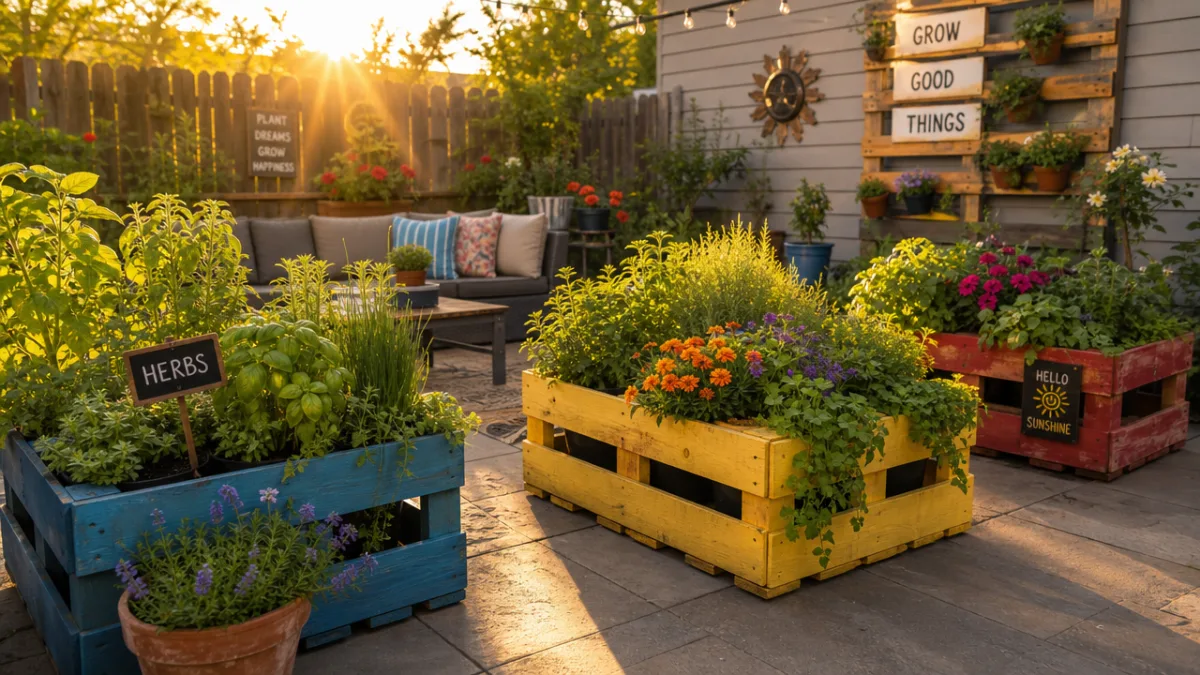
The sheer variety of planter boxes you can build from pallets and reclaimed wood is genuinely staggering. At the simplest end of the spectrum, a single pallet laid flat on the ground and filled with soil between the slats becomes an instant low-profile herb garden. Add a few raised legs cut from two-by-four lumber and you have an elevated version that eliminates bending and kneeling during maintenance. Stack two pallets vertically with soil between them and you create a tiered visual display that works beautifully with cascading plants like petunias, nasturtiums, or strawberries.
Vertical wall planters represent one of the most dramatic applications of pallet wood. A single standard pallet mounted on an exterior wall, lined with fabric, filled with compact plants, and dressed up with a coat of paint can completely transform a dull fence or blank exterior wall into a living tapestry of color and texture. This approach is especially popular for urban gardeners and apartment dwellers with balconies, where horizontal space is at a premium but wall space is available and underused.
For those who want to go beyond the basic pallet format, reclaimed individual boards open up a world of custom planter box construction. You can build square or rectangular planter boxes in virtually any dimension, construct long troughs that run the length of a deck railing, or create multi-tiered stepped planters that climb a wall or staircase. Old fence boards, barn wood, wine crates, wooden cable spools, and even discarded furniture can all be repurposed into distinctive planter containers with character that no commercial product could replicate.
Specialty and Themed Planter Designs
Some of the most eye-catching pallet planter projects go beyond basic boxes into genuinely sculptural territory. A pallet cut and reassembled into a chevron-patterned planter front adds geometric visual interest. A series of small wooden boxes mounted in a grid pattern on a shared backing board creates a modular display wall where individual plants can be rearranged seasonally. Wheel-mounted pallet planters built onto casters can be repositioned to follow sunlight or brought indoors during frost warnings.
Themed planter gardens have become particularly popular on social media and in lifestyle publications. A dedicated herb spiral built from stacked pallet boards creates different microclimates at different heights, perfectly suited to herbs with varying moisture and sun requirements. A cottage garden planter box with decorative trim and a distressed paint finish evokes the charm of an English country garden. A sleek, dark-stained planter with clean lines and minimalist metal hardware fits perfectly into a contemporary or Scandinavian-inspired outdoor space.
Children’s garden projects represent another wonderful category of pallet planter ideas. Low-profile boxes built at child height, perhaps painted with bright colors or decorated with chalkboard paint panels, give young gardeners their own space to plant, tend, and harvest. Growing sunflowers, radishes, cherry tomatoes, and herbs in child-friendly planters is one of the most effective ways to inspire a lifelong love of gardening. The hands-on construction process itself is also a valuable learning experience that children can participate in safely with adult guidance.
Best Plants for Pallet and Wood Planter Boxes
Choosing the right plants for your pallet planter is as important as any design decision. The depth and volume of soil available in a pallet planter is typically more limited than in an in-ground garden bed, which means plant selection should take root depth requirements seriously. Shallow-rooted plants thrive in the slimmer pockets of vertical pallet planters, while deeper custom-built boxes can accommodate a wider range of vegetables and perennials with more ambitious root systems.
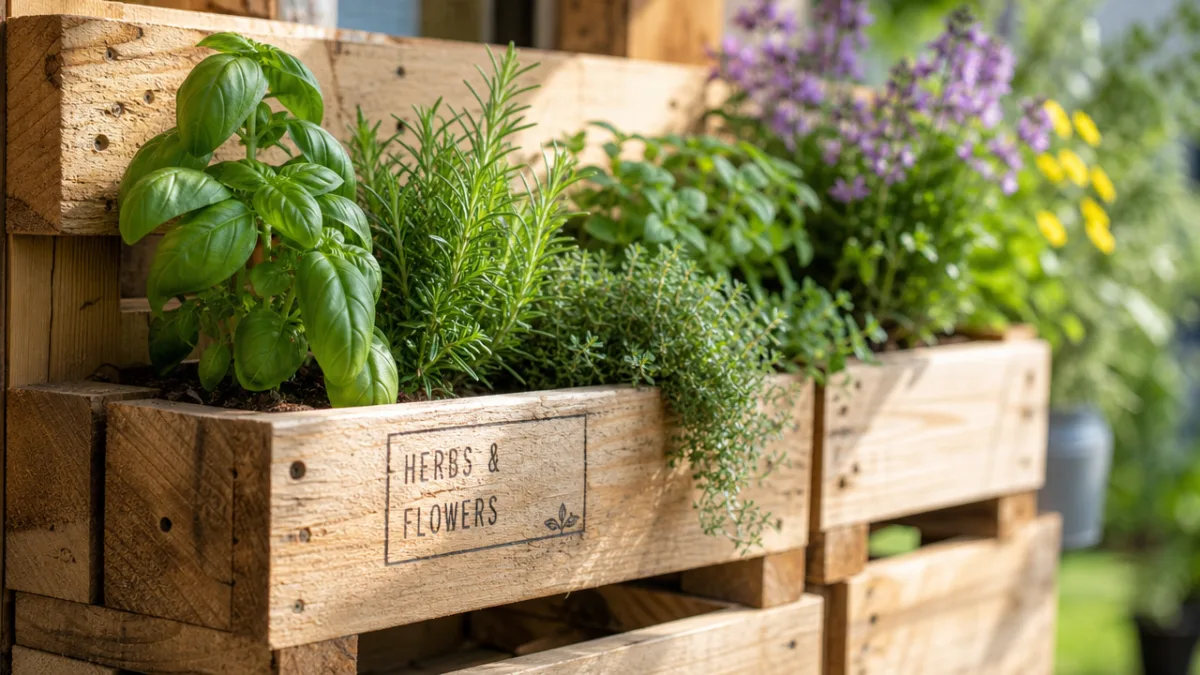
Herbs are universally recognized as the ideal candidates for pallet planters, and with good reason. Basil, parsley, chives, thyme, oregano, mint, rosemary, and cilantro all have compact root systems, tolerate the slightly drier conditions common in raised planters, and benefit enormously from the improved drainage these containers provide. A vertical pallet herb garden mounted near a kitchen door is both beautiful and extraordinarily practical, putting fresh flavoring just steps from the cooking area throughout the growing season.
Flowering annuals bring color and life to wooden planters with minimal fuss. Petunias, marigolds, pansies, impatiens, begonias, and lobelia all perform exceptionally well in planter box conditions. These plants are available in an almost infinite range of colors, bloom reliably from spring through fall, and are forgiving enough for beginning gardeners to succeed with on their first attempt. Mixing trailing varieties with upright ones creates layered visual interest that makes even a simple planter look professionally designed.
Vegetable Gardening in Wood Planter Boxes
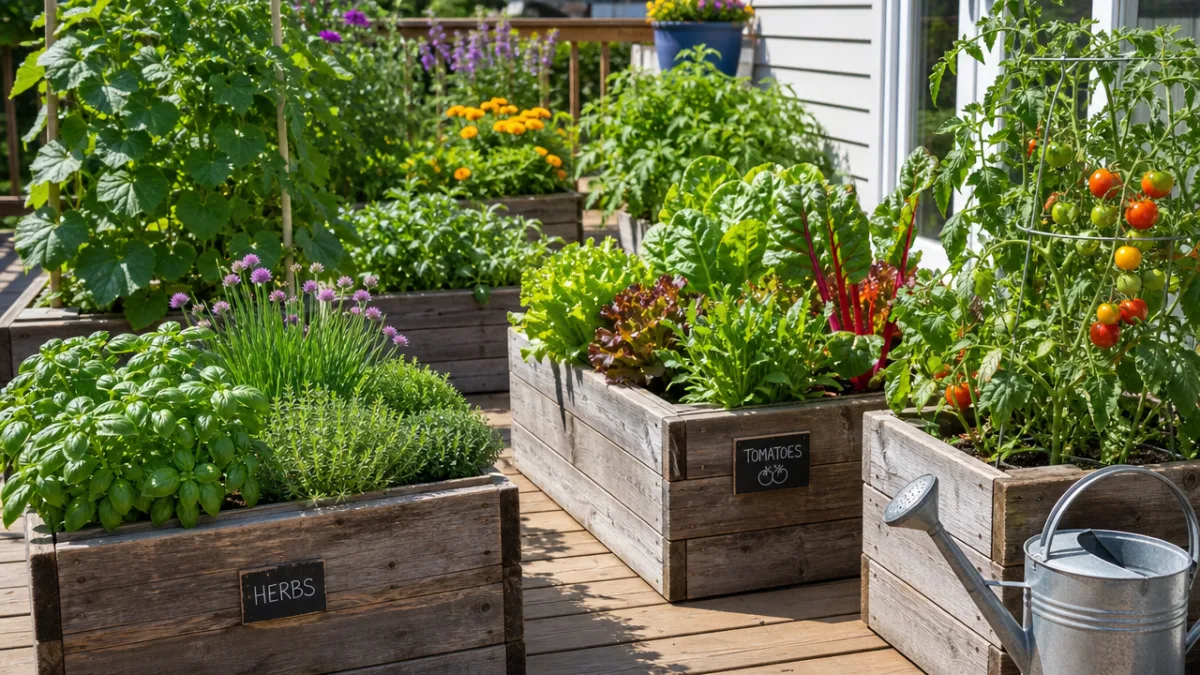
The vegetable garden potential of well-built wood planter boxes extends far beyond just herbs. Lettuce, spinach, arugula, and other salad greens are ideal candidates because of their shallow root systems and their tolerance for partial shade — useful when planters are positioned against walls or fences. Radishes, green onions, and beets all perform admirably in containers of moderate depth. Even compact varieties of tomatoes, peppers, and cucumbers can thrive in larger, deeper planter boxes when watered consistently and fed with a quality fertilizer.
Strawberries deserve special mention as one of the most rewarding plants for pallet planters. The iconic vertical pallet strawberry planter — where plants are tucked into pockets formed between the boards of an upright pallet — has become one of the most shared DIY garden images on platforms like Pinterest for a reason. Strawberries love the excellent drainage, the warmth from the wood, and the room for runners to cascade freely. The visual effect of ripe red berries tumbling down a green-leafed wall of a wooden pallet is genuinely spectacular.
For those interested in year-round growing, pallet and wood planters can be adapted for cool-season vegetables like kale, chard, Brussels sprouts, and broccoli that thrive in the shoulder seasons of spring and autumn. Because raised planters warm up and drain more quickly than ground soil, they are often ready to plant several weeks earlier in spring than an in-ground garden. With the addition of a simple cold frame or row cover, the growing season can be extended even further into winter in many climates.
Recommended vegetables for various planter depths include the following categories. For planters six to eight inches deep, ideal choices are lettuce, spinach, radishes, herbs, and green onions. For planters eight to twelve inches deep, good options include beets, Swiss chard, bush beans, and compact pepper varieties. For planters twelve inches or deeper, you can successfully grow tomatoes, cucumbers, eggplant, and most root vegetables including carrots and parsnips.
Finishing, Maintaining, and Upgrading Your Wood Planters
A beautiful pallet planter deserves a beautiful finish, and the options available to the home craftsperson are more varied and exciting than ever before. Exterior-grade chalk paint gives a matte, farmhouse-style appearance that photographs magnificently and ages gracefully outdoors. Milk paint, made from natural ingredients, provides an authentic vintage look with excellent durability. Standard exterior latex paint in virtually any color from any hardware store offers reliable protection and a clean, polished appearance. For a more natural look, exterior wood stains in tones from honey pine to deep ebony bring out the grain of the wood while providing weather resistance.
Maintenance is the unglamorous but essential companion to any outdoor woodworking project. Even well-sealed planters will need periodic attention to stay looking their best and to remain structurally sound. Inspect your planters each spring for signs of rot, splitting, or loose fasteners. Reapply sealant or a fresh coat of paint every one to two years, paying special attention to the interior walls and any horizontal surfaces where water tends to pool. Replacing individual boards is far less labor-intensive than building an entirely new planter, so addressing small repairs promptly is always worth the effort.
Drainage is a maintenance topic that deserves particular attention. Even if your planter has excellent gaps or drilled drainage holes, these can become clogged with roots, soil compaction, and debris over time. Check drainage regularly during the growing season and clear any blockages promptly. Elevating planters slightly off the ground using pot feet, small stones, or purpose-built risers allows water to escape freely and also improves air circulation beneath the box, which helps prevent rot in the base boards.
Upgrading and Personalizing Your Planter Collection
Once you have built your first pallet planter and caught the creative bug, the possibilities for expanding and upgrading your collection are effectively limitless. Adding trellis panels built from additional pallet slats behind or above a planter box instantly creates vertical growing space for climbing plants like peas, beans, morning glories, and clematis. Installing a simple drip irrigation system through a raised planter bed transforms watering from a daily chore into an almost entirely automated background process, particularly valuable during summer heat waves or vacation periods.
Labeling your planters adds both charm and practicality. Hand-painted signs on small pallet wood offcuts, chalkboard-painted sections of the planter front, or small metal plant stakes with handwritten labels all work beautifully. For herb and vegetable gardens especially, clear labeling helps everyone in the household know what is growing where, when to harvest, and what care each plant requires. These small personalization details are part of what makes a DIY garden feel genuinely your own rather than a generic purchased product.
The community around pallet and wood planter projects is one of the most generous and inspiring in the entire DIY world. Platforms like Pinterest, Instagram, and dedicated woodworking forums are filled with builders freely sharing plans, tips, troubleshooting advice, and photographs of their finished projects. Whether you are a complete beginner looking at your very first set of plans or an experienced builder ready to tackle a complex tiered installation, there has never been a better time to tap into that collective knowledge, pick up your tools, and start building something beautiful for your garden.








What do you think?
It is nice to know your opinion. Leave a comment.