










17 Garden Wood Fence Ideas 2026: Wooden Garden Fence Designs, Gates & DIY Styles
Why Wooden Garden Fences Remain a Timeless Choice in 2026
There is something undeniably warm and inviting about a wooden garden fence. In an era when composite materials, vinyl panels, and metal frameworks dominate the landscaping market, wood continues to hold its own as the material of choice for homeowners who want a garden boundary that feels natural, personal, and deeply rooted in the landscape around it. Whether you are enclosing a cottage herb garden or framing a sweeping suburban backyard, a wood fence adapts to your vision in ways that synthetic alternatives simply cannot replicate.
The appeal of wood goes beyond aesthetics. It is a renewable resource, it weathers gracefully when treated properly, and it offers a tactile richness that no other material can truly match. In 2026, environmental consciousness is shaping design decisions more than ever before, and choosing sustainably sourced timber — whether that is FSC-certified cedar, reclaimed oak, or responsibly harvested pine — means your fence contributes to a greener lifestyle rather than working against it. Homeowners are increasingly asking their suppliers about the origins of their lumber, and suppliers are responding with far more transparency than they offered a decade ago.
Beyond the environmental argument, wood is also extraordinarily forgiving for DIY enthusiasts. Unlike wrought iron or composite paneling, which often require professional installation and specialist tools, a wooden fence can be shaped, cut, stained, and assembled by a motivated homeowner with a weekend to spare and a basic toolkit. This accessibility has kept wood firmly at the center of garden design trends year after year, and 2026 is no exception. The styles available have only grown richer and more varied, blending classic craftsmanship with contemporary design sensibility.
Classic Picket and Panel Fence Designs for Every Garden Style
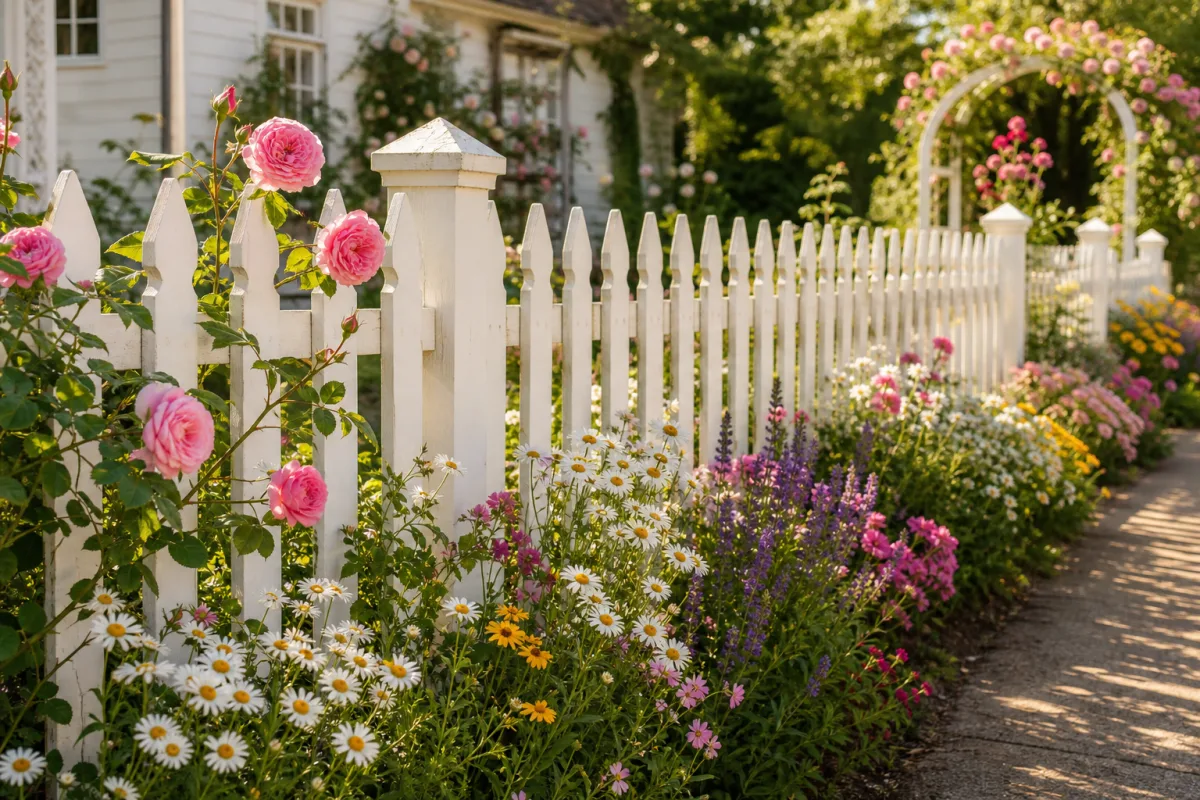
The classic picket fence is perhaps the most iconic wooden garden boundary in existence, and it continues to evolve in 2026 with fresh interpretations that honor tradition while embracing modern taste. The traditional white-painted picket fence with its evenly spaced pointed stakes creates a boundary that feels cheerful and open rather than imposing. It defines a garden edge without blocking light or obscuring views, making it an ideal choice for cottage gardens, front yards, and anywhere you want to signal welcome rather than exclusivity. Modern updates to this style include alternating stake heights for a playful silhouette, or swapping the pointed tip for a rounded or flat-topped profile to achieve a cleaner, more contemporary look.
Panel fences offer a very different aesthetic proposition. Where the picket fence is open and airy, a solid timber panel fence provides genuine privacy and creates a strong visual backdrop against which plants, lighting, and garden ornaments can truly shine. In 2026, the most exciting panel fence designs are moving away from uniform flat boards toward textured arrangements — think horizontal shiplap boards with shadow gaps between them, or vertically arranged boards in alternating widths that create rhythm and visual depth. These designs borrow from architectural cladding trends and translate them beautifully into the garden context.
One of the most enduring combinations in garden design is the mixed-height panel fence: taller solid sections near seating areas or boundaries with neighbors, transitioning to shorter open picket or rail designs along pathways and borders. This approach gives you privacy where you need it without making the entire garden feel enclosed or hemmed in. Staining these fences in warm earth tones — charred black, slate grey, warm walnut, or deep forest green — is one of the defining aesthetic moves of 2026 garden design, replacing the pale natural or white finishes that dominated earlier years.
Contemporary and Minimalist Wooden Fence Styles for Modern Gardens
Minimalism has firmly taken root in garden design, and wooden fences are no exception to this broader aesthetic movement. The defining characteristics of a contemporary minimalist wood fence are clean lines, consistent spacing, a neutral or dark color palette, and an absence of decorative flourishes that might distract from the natural beauty of the timber grain itself. Horizontal board fences — sometimes called horizontal slat or modern ranch fences — have surged in popularity because they draw the eye along the length of the garden rather than upward, creating a sense of expansive width that is particularly effective in narrow or awkward plot shapes.
In 2026, the shadow gap fence has emerged as one of the most sought-after styles among design-conscious homeowners. This design uses boards of consistent width installed with deliberate small gaps between them, allowing slivers of light and air to pass through while still providing significant privacy. The visual effect is sophisticated and almost architectural — the fence reads as a single cohesive surface from a distance, but up close reveals a pleasing geometric precision. When paired with integrated LED strip lighting running along the base or along a top cap rail, the shadow gap fence becomes genuinely spectacular at dusk and into the evening hours.
Another contemporary approach gaining traction is the mixed-material fence, where timber is combined with steel, glass, or even concrete posts to create a boundary that feels high-design rather than purely utilitarian. Corten steel posts flanking horizontal cedar boards, for instance, create a material conversation between the warmth of organic wood and the industrial coolness of weathering steel. These combinations require more planning and sometimes professional installation, but the results can be genuinely transformative — elevating a simple garden boundary into a considered piece of outdoor design that adds real value to the property.
Rustic, Reclaimed, and Natural Wood Fence Ideas
At the opposite end of the design spectrum from polished minimalism sits the gloriously imperfect world of rustic and reclaimed wood fencing. There is a profound authenticity to a fence built from reclaimed timber — old barn boards, salvaged scaffolding planks, weathered oak railway sleepers repurposed as posts — that no new-cut timber can replicate. Every knot, crack, nail hole, and variation in grain tells the story of the wood’s previous life, and that narrative depth is exactly what many garden owners are seeking as a counterpoint to the increasingly screen-dominated, artificially curated visual world around them.
Wattle fencing is one of the oldest forms of garden boundary in existence, and it has experienced a genuine revival in recent years among gardeners interested in traditional craftsmanship and sustainable living. Made by weaving flexible branches — typically hazel, willow, or sweet chestnut — between upright wooden stakes, wattle panels create a wonderfully textured, entirely natural boundary that settles beautifully into a cottage or wildflower garden setting. Modern wattle panels are available from specialist suppliers in standard sizes, making them far more accessible than they once were, and they can be erected quickly and without specialist skills.
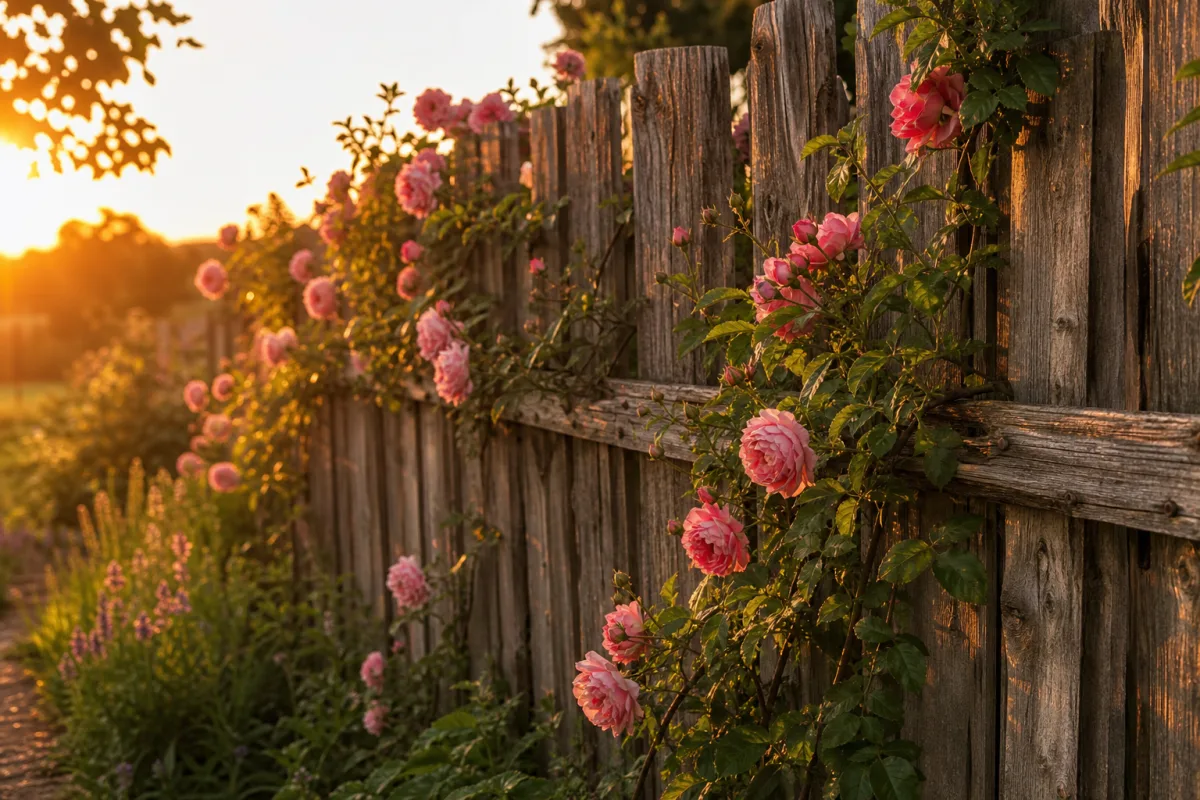
Post and rail fencing, a style long associated with rural paddocks and farm boundaries, has crossed over into residential garden design in a big way. The appeal is its honest simplicity: vertical posts driven into the ground at regular intervals, with two or three horizontal rails running between them. When built from rough-sawn timber or split chestnut poles, the effect is beautifully organic and unpretentious. This style works particularly well as a boundary for large cottage gardens, meadow-style plantings, or any space where you want to suggest an edge rather than assert it forcefully. Climbing roses, honeysuckle, and clematis threading through the rails only amplify the romance of this approach.
Wooden Garden Gate Designs That Make a Statement
A gate is far more than a functional gap in a fence — it is the threshold between the outside world and your personal sanctuary, and in design terms it deserves at least as much attention as the fence panels surrounding it. In 2026, garden gate design has become a genuine area of creative ambition for homeowners and designers alike. The gate sets the tone for everything beyond it, and getting it right means thinking carefully about proportion, material finish, hardware choices, and the relationship between the gate’s design language and that of the fence, the house, and the planting on either side.
For contemporary gardens, a wide, low-slung horizontal board gate hung between chunky square posts makes a bold geometric statement that immediately communicates design intention. These gates are often finished in the same dark stain — black, charcoal, or deep grey-green — as the fence panels they complement, creating visual continuity across the entire boundary. Forged iron or brushed steel hardware, chosen for its restraint rather than its decorativeness, completes the look. Adding integrated lighting to the gateposts — either downlighters recessed into the post tops, or simple wall lanterns mounted at eye height — creates a beautiful and practical welcome after dark.
For more traditional or cottage-style gardens, the arched wooden gate remains enduringly popular. The arch softens the boundary, introduces a romantic curve into what might otherwise be a composition of straight lines, and creates a natural frame for climbers trained over a matching timber arch or pergola structure above. Picket-style gates with decorative top rails, or solid boarded gates with a shaped top profile cut to echo a Tudor arch or Gothic point, all perform this framing role beautifully. The key to making any gate feel intentional rather than incidental is paying proper attention to the hinges, latch, and handle — these small hardware details are the jewelry of gate design, and they repay investment generously.
DIY Wooden Fence Building: Tips, Tools, and Techniques for 2026
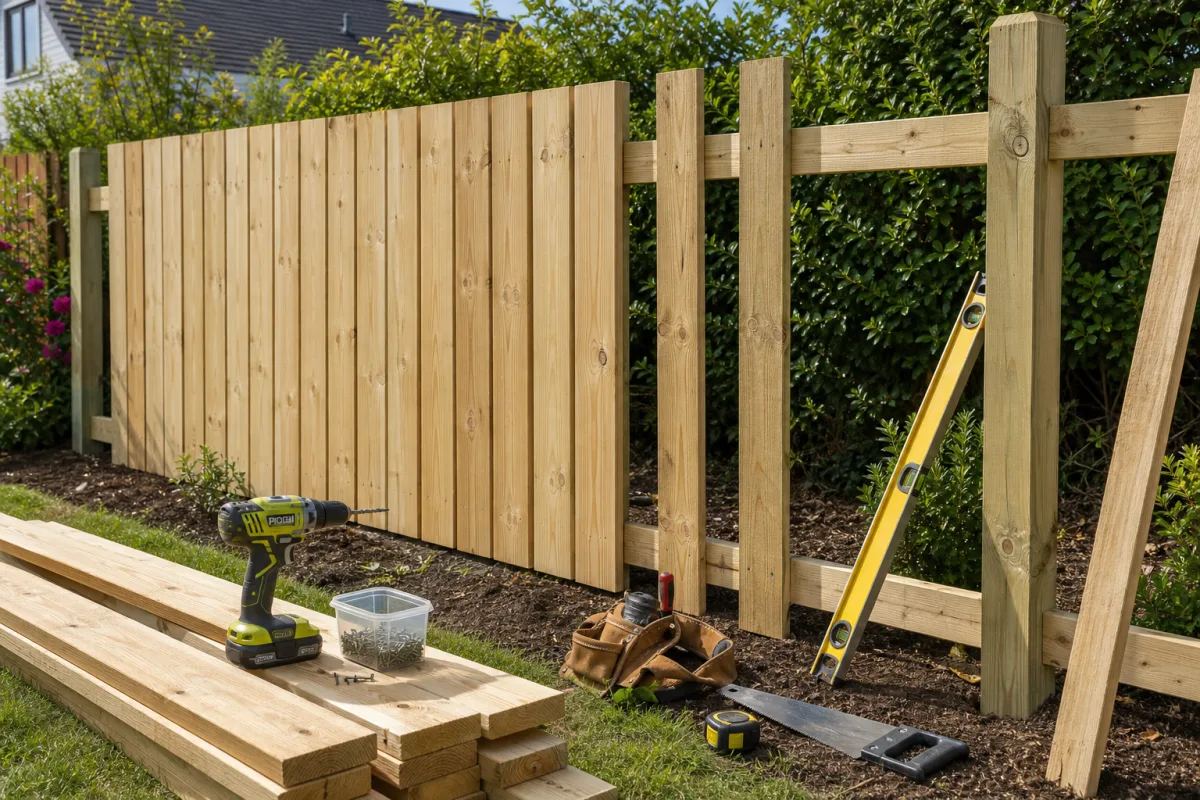
Building your own wooden garden fence is one of the most satisfying DIY projects you can undertake. The learning curve is relatively gentle, the materials are widely available, and the result is a permanent improvement to your outdoor space that you can take genuine pride in every time you look at it. Before you begin, however, it is essential to invest time in proper planning. Measure your boundary carefully, account for gates and access points, check your local planning regulations regarding fence heights (particularly for front garden boundaries), and — critically — speak to your neighbors if the fence sits on or near the boundary line between your properties.
The foundation of a well-built wood fence is proper post installation. This single factor determines whether your fence remains solid and upright for decades or begins to lean and deteriorate within a few years. Posts should be set in concrete at a depth of at least one-third of their total length — so a 1.8-meter fence post should have at least 600mm below ground level. Use a spirit level at every stage of installation, and allow the concrete to cure for at least 48 hours before attaching rails and boards. Choosing the right post material matters too: pressure-treated softwood offers excellent value, while hardwood posts in oak or sweet chestnut will outlast almost anything else you can install.
When it comes to the boards and rails themselves, here are the key considerations every DIY fence builder should keep in mind:
- Timber treatment: Always use pressure-treated timber for any component that will be in ground contact or exposed to persistent moisture. For above-ground boards, a good quality exterior wood stain or preservative applied before installation and topped up every two to three years will dramatically extend the life of your fence.
- Fixing hardware: Use stainless steel or hot-dipped galvanized screws and brackets throughout. Ordinary steel fixings will rust, stain your timber, and weaken over time. This is a small additional cost that pays dividends in longevity.
- Board spacing and direction: Vertical boards are more traditional and shed water efficiently. Horizontal boards offer a contemporary look but require careful detailing at junctions to prevent water pooling on top of rails and accelerating rot.
- Post caps: Always fit post caps to the tops of your fence posts. This simple addition prevents water from sitting on the end grain of the post — the point most vulnerable to moisture ingress — and can double the working life of the post itself.
- Gravel boards: Fitting a gravel board at the base of your fence panels keeps the main boards clear of soil and moisture. Concrete gravel boards are the most durable option; composite gravel boards offer a maintenance-free alternative to timber.
Finishing your fence is where you can really express your personal style, and the range of exterior wood finishes available in 2026 is broader and more impressive than ever before. Traditional linseed oil treatments give a beautiful mellow warmth to natural timber and are completely non-toxic, making them ideal for gardens where children, pets, or wildlife are present. Modern water-based stains in the full spectrum of contemporary colors — from barely-there natural oak tones through to deep inky blacks and rich forest greens — offer excellent durability with very low odor during application. Whichever finish you choose, thorough preparation of the timber surface is the non-negotiable foundation of a good result: clean wood, lightly sanded if necessary, and completely dry before any product is applied.
Integrating Planting, Lighting, and Accessories with Your Wood Fence
A wooden fence becomes something truly special when it is treated not as a boundary in isolation but as a canvas and a structure for the wider garden to grow around and upon. Climbing plants are the most obvious and beloved way to animate a fence — and for good reason. A mature climbing rose in full summer bloom, its canes trained horizontally along fence rails to encourage maximum flower production, transforms a simple board fence into one of the most breathtaking sights in the garden. Clematis offers a dizzying range of flower colors and forms, from the delicate nodding bells of Clematis viticella through to the vast flat blooms of the large-flowered hybrids. Wisteria, jasmine, and passion flower all bring their own distinctive qualities to a fence support structure.
Lighting is the transformative element that most homeowners underestimate when planning their fence design. The same fence that reads as a simple practical boundary in daylight becomes something dramatic and atmospheric after dark when lit thoughtfully. Solar-powered post cap lights require no wiring and are now available in designs that look genuinely elegant rather than utilitarian. Low-voltage LED strip lights installed along the top rail or at the base of the fence create a soft ground-level glow that is simultaneously beautiful and practically useful for navigating the garden after dusk. For a more dramatic effect, directional spotlights placed at the base of the fence and angled upward to wash light across the timber grain create a sophisticated effect that is straight out of high-end landscape design.
Wall-mounted planters, bird boxes, Insect Hotels, and decorative hooks for hanging lanterns or wind chimes are all small additions that can personalize a fence enormously and make it feel like a genuinely inhabited and cared-for part of the garden rather than a purely functional boundary. Horizontal fence rails create natural ledges for the placement of terracotta pots planted with trailing varieties such as nasturtiums, ivy-leaved pelargoniums, or bacopa. A simple shelf bracket screwed to a fence post supports a pot of lavender or herbs at nose height, creating a fragrant moment that catches you pleasantly by surprise as you pass. These small, thoughtful details are what distinguish a garden that has been designed from one that has simply been assembled, and they cost very little beyond time and attention.








What do you think?
It is nice to know your opinion. Leave a comment.