










Easy DIY Gift Ideas: Create Heartfelt, Budget-Friendly Presents for Everyone on Your List
Why Handmade Gifts Are More Meaningful Than Store-Bought Presents
There is something deeply personal about receiving a gift that someone made with their own hands. When you choose to create a DIY gift rather than purchasing something from a store, you are giving far more than an object — you are giving your time, creativity, and thoughtfulness. The recipient instantly understands that you cared enough to invest hours of effort specifically for them, and that emotional weight simply cannot be replicated by even the most expensive retail purchase.
Handmade gifts carry a story. Every stitch, brushstroke, or carefully measured ingredient reflects the maker’s personality and their relationship with the recipient. This narrative quality makes DIY presents truly one-of-a-kind, because no two handmade items will ever be exactly alike. Whether you are crafting a candle, sewing a tote bag, or assembling a custom gift basket, the finished product will bear subtle marks of your unique handiwork that transform it into something irreplaceable.
Beyond the emotional dimension, DIY gifts offer remarkable practical advantages. Crafting your own presents allows you to tailor every detail to the recipient’s tastes, needs, and personality. You are not constrained by what happens to be in stock or on sale; instead, you can choose colors, scents, flavors, and designs that perfectly reflect what you know about your loved one. This level of customization is simply not available with mass-produced items, making handmade gifts an ideal choice for people who are difficult to shop for.
The Psychology Behind Giving and Receiving Handmade Gifts
Research in positive psychology consistently shows that the act of giving thoughtful gifts strengthens social bonds and increases happiness in both the giver and the receiver. When a gift is handmade, these effects are amplified. The recipient perceives greater effort and intentionality, which triggers a deeper sense of appreciation and emotional connection. This psychological dynamic makes DIY gifts especially powerful for maintaining and deepening important relationships in your life.
From the giver’s perspective, the process of making a gift is itself a form of meditation and mindfulness. Focusing on a creative task with a specific person in mind encourages positive thinking and generates warm feelings of affection and generosity. Many crafters report that the act of creating for someone else reduces stress and anxiety while increasing feelings of purpose and fulfillment. This means that the benefits of DIY gifting extend well beyond the moment the present is unwrapped.
There is also a growing cultural movement away from consumerism and toward more intentional, sustainable living. Handmade gifts align perfectly with this shift, as they typically use fewer resources, generate less packaging waste, and support a slower, more deliberate approach to celebration and generosity. By choosing to craft your own presents, you are participating in this broader cultural conversation and modeling values of creativity, sustainability, and thoughtfulness for the people around you.
Essential Supplies and Tools Every DIY Gift Maker Should Own
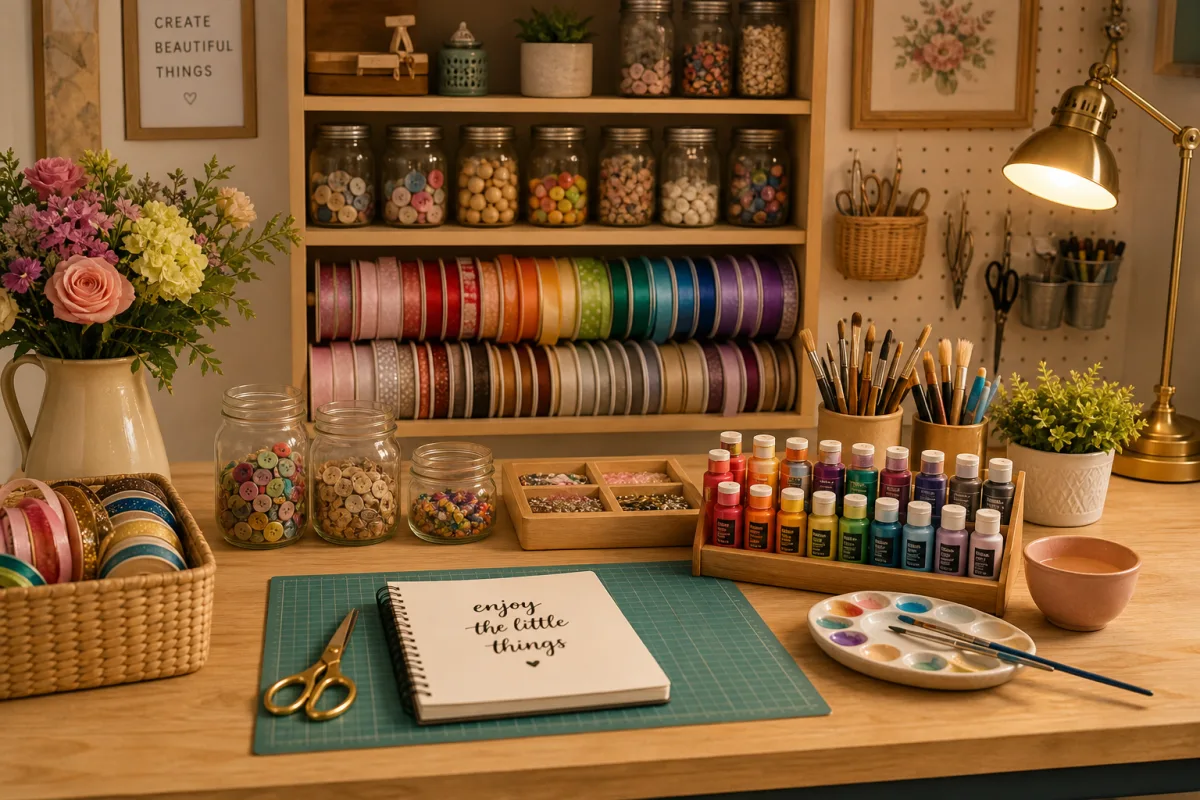
Before diving into specific project ideas, it is worth building a well-stocked crafting toolkit that will serve you across dozens of different gift-making endeavors. Having the right supplies on hand means you can respond spontaneously to gifting opportunities without a last-minute scramble to the craft store. Starting with quality basics ensures your finished projects look polished and professional rather than improvised, which matters enormously when you want your handmade gift to feel special rather than makeshift.
Your foundational supply kit should be organized into categories so you can quickly locate what you need when inspiration strikes. Think about the types of gifts you enjoy making most and tailor your stash accordingly. If you love food-based gifts, invest in quality jars, labels, and pantry staples. If you prefer craft-based projects, stock up on adhesives, cutting tools, and a variety of papers and fabrics. A well-organized crafting space is just as important as the supplies themselves, as clutter and disorganization can stifle creativity and slow down the making process significantly.
Shopping smart for craft supplies can make DIY gifting genuinely budget-friendly. Dollar stores, thrift shops, and online marketplaces often carry excellent materials at a fraction of the retail price. Buying in bulk for items you use frequently, such as ribbon, twine, or mason jars, dramatically reduces per-unit costs. Many crafters also repurpose materials from around the home — old fabric scraps, wine corks, glass bottles, and cardboard tubes can all be transformed into beautiful gift components with a little creativity and effort.
Recommended Basic Supply List
- Hot glue gun and plenty of extra glue sticks for quick, strong bonds across a wide variety of materials
- Sharp scissors in multiple sizes, including fabric scissors that should never be used on paper
- A selection of craft paints in primary colors plus white and black for mixing custom shades
- Assorted ribbons, twine, and washi tape in neutral and seasonal colors for finishing and wrapping
- Mason jars and glass containers in various sizes for candles, food gifts, and bath products
- A cutting mat, metal ruler, and craft knife for precise paper and cardstock work
- Blank labels and a good quality permanent marker or label printer for personalized packaging
- Basic sewing kit including needles, thread in assorted colors, pins, and a seam ripper
Beyond the physical supplies, consider investing in a few skill-building resources. Online tutorial platforms offer thousands of free video guides for almost every craft imaginable, allowing you to teach yourself new techniques at your own pace. Following DIY crafting accounts on social media exposes you to fresh ideas and seasonal inspiration on a regular basis. Building your skills over time means that each successive gift you make will be more impressive and more personalized than the last, creating a virtuous cycle of improvement and creativity.
Top Five Easy DIY Gift Projects Anyone Can Make
One of the biggest barriers to DIY gifting is the mistaken belief that you need to be highly skilled or artistically talented to create something beautiful. In reality, some of the most beloved handmade gifts are incredibly simple to make and require no special training whatsoever. The projects outlined here have been chosen specifically because they are beginner-friendly, require minimal supplies, and consistently impress recipients regardless of the maker’s experience level.
Homemade candles are perhaps the ultimate beginner DIY gift. Soy wax, fragrance oils, wicks, and containers are all widely available and inexpensive, and the basic process of melting wax, adding scent, and pouring into a jar can be mastered in a single afternoon. The resulting candles look gorgeous, smell wonderful, and feel luxurious — no one needs to know how straightforward the process actually was. Customizing the scent to reflect the recipient’s favorite season, memory, or mood adds a deeply personal dimension that makes the gift feel truly thoughtful and considered.
Infused olive oils and flavored salts are wonderful food-based gifts that feel gourmet without requiring any cooking expertise. A beautiful glass bottle filled with high-quality olive oil steeped with rosemary, garlic, and dried chili is as visually striking as it is delicious. Similarly, a small jar of sea salt mixed with lemon zest, lavender, or smoked paprika makes a sophisticated pantry gift that any home cook will adore. These gifts are shelf-stable, easy to transport, and can be assembled in minutes once you have gathered the ingredients.
More Beginner-Friendly Project Ideas
Hand-stamped tea towels are a charming and practical gift that require nothing more than plain cotton flour-sack towels, fabric ink, and a rubber stamp. The towels are inexpensive, the stamps are reusable across many future projects, and the finished product looks professionally designed when stamped cleanly with a bold pattern or meaningful phrase. Wash and dry the towels before stamping to prevent shrinkage, and set the ink with a warm iron to ensure it survives laundering. Bundle two or three coordinating designs together for a cohesive, thoughtful kitchen gift.
Custom photo gifts remain perennially popular because they combine sentimentality with genuine usefulness. Simple options include decoupage photo coasters using printed photographs, Mod Podge, and plain ceramic tiles — a project that costs just a few dollars per set and can be completed in under an hour. Photo gifts work especially well for grandparents, parents, and close friends who genuinely treasure visual reminders of shared memories and experiences. The fact that the gift is also handmade adds an extra layer of meaning that a commercially printed photo product simply cannot match.
Luxurious bath salts are another beginner-friendly project that looks and feels far more expensive than the ingredients actually cost. Combining Epsom salts with sea salt, a few drops of essential oil, dried botanicals like lavender or rose petals, and a touch of carrier oil creates a spa-worthy product that rivals premium retail bath products. Package the salts in a clean glass jar, tie a ribbon around the lid, and attach a handwritten card with simple usage instructions. Recipients who enjoy self-care rituals will genuinely use and appreciate this gift rather than storing it unused in a cupboard.
How to Package and Present Your DIY Gifts Beautifully
No matter how beautiful your handmade creation is, thoughtful packaging elevates the entire gifting experience from pleasant to truly memorable. Presentation signals the care and effort that went into both making and wrapping the gift, reinforcing the message that this person is worth celebrating. Fortunately, gorgeous gift packaging does not require expensive materials — creativity and a few basic supplies can produce results that rival the most elaborately wrapped retail gifts.
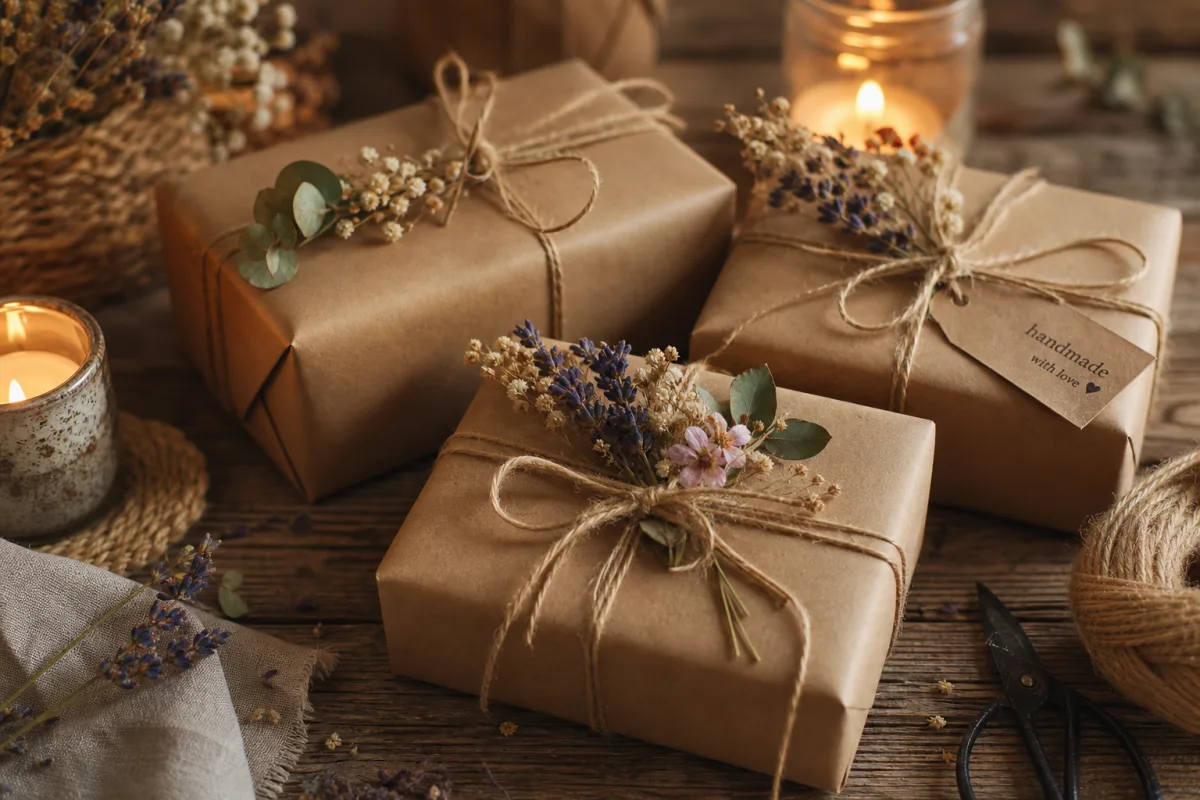
Kraft paper is one of the most versatile and affordable packaging materials available. Its neutral brown tone provides a beautiful backdrop for colorful ribbons, dried flowers, sprigs of greenery, and handwritten tags. A simple package wrapped in kraft paper and tied with natural twine looks effortlessly stylish and deliberately rustic in the best possible way. Stamps, paint pens, or hand-drawn illustrations can transform a plain kraft paper package into a piece of art that the recipient may want to preserve long after the gift itself has been used up or worn out.
Fabric wrapping, inspired by the Japanese art of furoshiki, is a beautiful and sustainable alternative to disposable paper. A square of decorative fabric can be used to wrap almost any shape of gift in an elegant, flowing bundle that becomes a secondary gift in itself. The recipient can use the fabric afterward as a scarf, produce bag, or decorative cloth, making this approach completely waste-free. Choosing fabric that reflects the recipient’s aesthetic preferences adds yet another layer of personalization to the overall gift-giving experience.
Adding Personal Touches to Your Packaging
A handwritten card or tag is arguably the most important component of any gift presentation, yet it is frequently rushed or overlooked. Taking the time to write a genuine, specific message about why you chose to make this particular gift for this particular person transforms a lovely present into an emotional keepsake. Avoid generic phrases and instead reflect on a specific shared memory, an inside joke, or a quality you genuinely admire about the recipient. These few sentences will likely be reread many times and treasured long after the material gift has faded from memory.
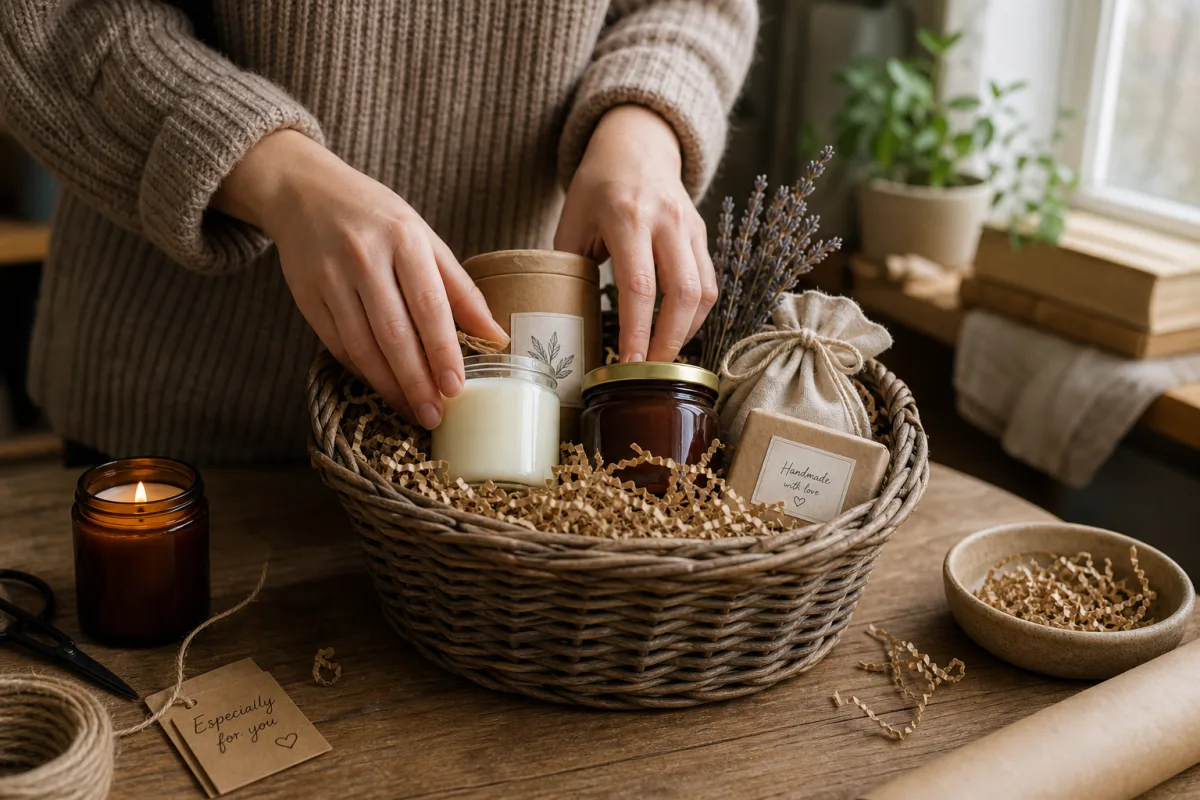
Consider layering your presentation to create a sense of anticipation and discovery. Nestling a small jar of bath salts inside a larger box padded with tissue paper, dried lavender, and a small additional treat creates a miniature unboxing experience that feels generous and abundant even when the total cost is modest. Including a small complementary item alongside your main handmade gift — a box of herbal tea with a homemade honey jar, for example — demonstrates the kind of thoughtful curation that turns a single craft project into a cohesive, generous gift set.
Reusable packaging options serve double duty as both presentation and practical gift. A beautiful wicker basket, a ceramic bowl, a wooden crate, or a fabric tote bag can hold your handmade items during gifting and then continue to serve the recipient as a functional household item. This approach is particularly effective for gift sets, as the container itself ties disparate items together visually while adding genuine value to the overall present. Look for attractive reusable containers at thrift stores, discount shops, and end-of-season sales to keep costs manageable.
Planning a Year-Round DIY Gifting Strategy
One of the biggest mistakes gift-givers make is approaching the entire endeavor reactively, scrambling to create or purchase something in the days immediately before a birthday, holiday, or special occasion. This last-minute approach generates stress, limits your options, and often results in gifts that feel rushed rather than considered. A far better strategy is to approach DIY gifting as a year-round practice, spreading your creative effort across all twelve months so that no single occasion feels overwhelming or financially burdensome.
Start by mapping out all the significant gifting occasions in your personal calendar — birthdays, anniversaries, holidays, graduations, housewarmings, and any other moments when you typically give gifts. Assign each occasion a rough timeline working backward from the date, identifying when you need to start a project to complete it with time for packaging and any necessary drying, curing, or setting time. Some handmade gifts, like infused oils, aged vinegars, or knitted items, require extended preparation time that must be factored into your planning well in advance of the actual occasion.
Batch production is a powerful efficiency strategy for DIY gift makers. When you have gathered supplies and set up your crafting space for one project, making multiples of the same item costs only marginally more time and effort than making a single piece. A session of candle-making might yield a dozen finished candles at once; an afternoon of bath salt blending could produce gifts for every person on your holiday list. Storing completed gifts in a dedicated gift drawer or box ensures they are ready when you need them and frees you from the pressure of last-minute creating.
Building a Sustainable and Joyful Crafting Practice
The most important thing to remember about DIY gifting is that it should feel joyful rather than obligatory. If the process of making gifts generates stress, resentment, or feelings of inadequacy, it is worth reassessing your approach. Choose projects that genuinely excite and engage you creatively, because that enthusiasm will come through in the finished product. A simple gift made with genuine love and excitement will always outshine an elaborate project undertaken out of a sense of duty or the desire to impress.
Give yourself permission to start small and build your skills gradually. Nobody begins their DIY gifting journey as an expert, and the learning process itself is part of what makes crafting so rewarding over time. Document your projects with photographs, take notes on what worked and what you would do differently next time, and celebrate your progress regardless of how the finished product compares to the polished images you might see online. Real handmade gifts have beautiful imperfections that reflect the humanity of their maker, and those imperfections are often exactly what recipients love most.
Finally, remember that the spirit of generosity behind a DIY gift is always more important than technical perfection. A lopsided jar of homemade jam, a slightly uneven pair of knitted socks, or a candle with a minor surface blemish carries infinitely more love and meaning than the most flawlessly executed store-bought present. When you give someone something you made yourself, you are trusting them with a small piece of your creative self — and that vulnerability and generosity is, at its heart, exactly what giving a gift is all about.








What do you think?
It is nice to know your opinion. Leave a comment.