










18 Tie Crochet Patterns: Discover Unique Designs for Stylish Handmade Gifts
The Art of Crochet Ties: A Timeless Craft with Modern Appeal
Crocheted ties are having a real moment right now, and honestly, it makes total sense. There’s something about the combination of that cozy, nostalgic craft feeling with genuinely stylish results that just works. Whether you’ve been crocheting for years or you’re still figuring out which end of the hook to hold, making a tie from yarn opens up creative possibilities you really can’t get from anything hanging on a rack at the mall. Every stitch has personality built right into it, and that transforms a simple accessory into something people actually want to wear and keep.
Part of what makes crochet ties such great gifts is that they communicate something store-bought simply can’t. When you hand someone a tie you made yourself, you’re not just giving them an accessory — you’re giving them your time, your skills, and a little piece of your creativity. That combination carries a kind of sentimental weight that no price tag can replicate. For weddings, Father’s Day, birthdays, or the holidays, a crocheted tie stands out as something the recipient is genuinely likely to hold onto for years.
And the variety is really something. We’re talking slim modern silhouettes, wide retro shapes, breezy cotton designs for spring, richly textured wool pieces for colder months — the range of crochet tie patterns out there is honestly staggering. Exploring them means discovering a whole new side of what crochet can do when it steps away from blankets and dishcloths and into the world of wearable accessories.
Understanding the Essential Materials and Tools for Crochet Tie Projects
Before you jump into any of the 18 patterns, it’s worth getting familiar with the materials that can make or break a crochet tie. Yarn choice is probably the single most important decision you’ll make at the start. If you want a tie that drapes nicely and holds its shape through regular wear, you’ll want something lightweight — fingering-weight cotton, bamboo blends, and silk-infused yarns are all great picks. These fibers give you a smooth, refined fabric that actually behaves a bit like woven fabric, which is exactly what you want in a tie.
Hook size matters just as much. Most tie patterns land somewhere in the 2.0mm to 3.5mm range, though that shifts depending on your yarn weight and how structured you want the final piece to feel. A tighter gauge gives you a stiffer, more shaped tie; a looser tension produces a softer drape. Either way, always work up a gauge swatch before you start — even small differences in tension can throw off your finished dimensions more than you’d expect.
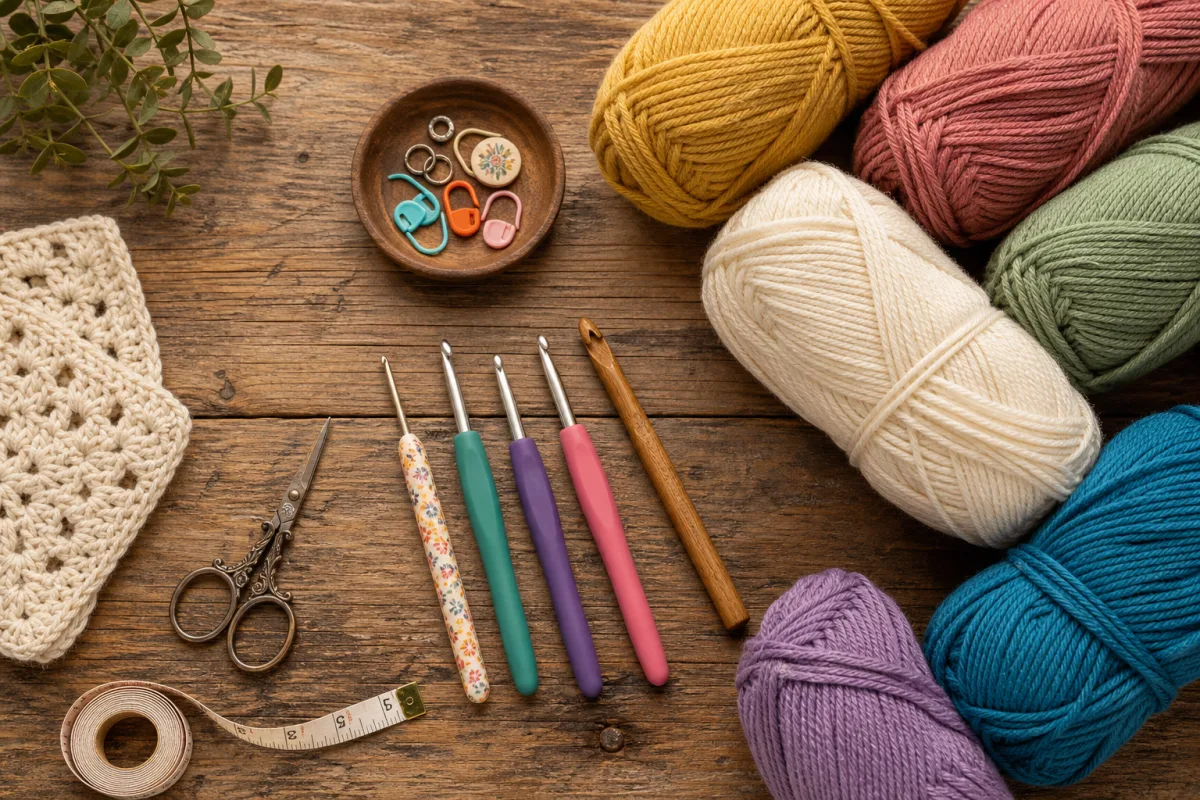
Beyond yarn and hooks, a few extra tools will make the whole process a lot smoother:
- Tapestry needles for weaving in ends and getting a clean finish
- Stitch markers to keep track of pattern repeats and symmetry points
- A flexible tape measure so you can check width and length as you go
- Blocking mats and T-pins for that polished, professional look at the end
- Fine-tipped scissors for trimming yarn tails without any stray fibers
Speaking of blocking — a lot of beginners skip this step, but please don’t. Wet blocking a cotton or plant-based yarn tie lets the stitches relax and line up properly, and the difference it makes is genuinely dramatic. Even a simple pattern looks crisp and intentional after a good blocking session. It’s the step that takes a tie from looking homemade to looking handcrafted, and that distinction matters a lot when you’re gifting something.
Exploring Classic and Traditional Crochet Tie Designs
Of all the 18 patterns worth digging into, the classic four-in-hand shape is probably the most popular starting point — both for makers and for the people receiving these as gifts. That familiar wide-at-the-bottom, narrow-at-the-neck silhouette translates beautifully into crochet when you work it in half double crochet or moss stitch rows. It’s instantly recognizable and genuinely wearable, which makes it a solid pick for gifting to professionals, teachers, or anyone who likes the idea of something handmade but still wants to actually wear it to work.
Shell stitch ties are another classic worth exploring, and they really show off what crochet can do that woven fabric simply can’t. Those fan-shaped clusters create a rhythmic, scalloped texture along the body of the tie that’s completely unique to the craft. In a neutral color — ivory, charcoal, navy — a shell stitch tie reads as genuinely sophisticated and works surprisingly well in semi-formal settings. It’s also a fantastic pattern for beginners who have the basics down and want to produce something that looks impressively complex without actually being all that difficult.
Then there’s filet crochet, which takes things in a more delicate, almost lacy direction. Using open and closed mesh squares to build geometric or pictorial patterns, this technique has roots in 19th-century lacemaking and produces ties with an embroidered, heirloom quality. A fine cotton thread tie with a simple diamond motif looks like it took weeks — but an experienced crocheter can actually knock it out in a weekend. These are the kinds of gifts that make people’s eyes go wide, because the apparent intricacy is genuinely impressive.
Modern and Contemporary Crochet Tie Patterns for Trendsetting Gifts
Contemporary crochet tie design has moved well past traditional shapes and stitches. Today’s patterns embrace bold colorwork, unexpected textures, and fashion-forward silhouettes that genuinely appeal to younger, more trend-aware wearers. Stripes and color blocking are some of the most exciting options here — alternating two or three complementary colors in horizontal bands or diagonal sections creates a graphic, vibrant effect that feels fresh and modern. Cotton yarn is especially great for this approach because it holds color beautifully and washes easily, which matters a lot for something someone’s going to wear regularly.
The skinny tie has been cycling in and out of fashion for decades now, and it translates into crochet with a lot of natural grace. At around 1.5 to 2 inches wide, a skinny crochet tie has a contemporary, slightly casual feel that pairs really well with slim-cut shirts and suits in creative professional environments. Patterns using the waistcoat stitch or linen stitch are especially well-suited here, since both produce a flat, dense fabric with minimal stretch — exactly what you need to keep that narrow shape looking sharp all day.
If you really want to make a statement, textured ties with bobbles, popcorn stitches, or raised cables bring a three-dimensional artisan quality that’s genuinely eye-catching. A single column of cable stitches running down the center of a smooth-background tie is one of those designs that manages to be both interesting and elegant at the same time — it draws your eye without going overboard. These dimensional patterns work best in finer yarns where the stitch definition stays crisp and legible even in complex textures. Gifting one of these is a compliment to the recipient’s taste as much as a showcase of your own skill.
Some designers have pushed even further, adding surface embellishments like small flowers, geometric appliqués, or embroidered details after the main body is finished. These ties live somewhere between accessory and wearable art, and they’re perfect for someone who already has a full tie collection and wants something that stands well outside the mainstream. A tie with a small cluster of crocheted cherry blossoms near the wide end, for instance, could easily become a treasured seasonal piece that comes out every spring.
Seasonal and Themed Crochet Tie Patterns for Every Occasion
One of the most fun things about making crochet ties as gifts is how easy it is to tailor them to a specific season, holiday, or personal theme. Christmas ties — think small intarsia snowflakes, or simply red and green stripes — have become a beloved tradition in a lot of families. People wear them proudly at holiday gatherings as conversation starters and little expressions of festive personality. These ties go beyond their function as clothing and become annual traditions that people genuinely look forward to each December.
Spring and summer occasions call for something lighter and breezier — pastel cotton or linen blends with open lacework, where small eyelets worked at regular intervals keep things airy and comfortable in the heat. These are ideal for warm-weather weddings, graduation ceremonies, or outdoor parties where a heavy silk or polyester tie would feel suffocating. A pale sage linen tie with delicate eyelet detailing captures the mood of a garden wedding in a way that’s hard to beat.
Ties built around personal interests and hobbies are some of the most memorable you can make. A few popular theme directions that work well through color choices, embellishments, or intarsia patterns:
- Music-themed ties in black and white with treble clef or musical note motifs
- Sports team colors in bold stripes for fans who’d actually wear them
- Ocean-inspired designs in aquatic blues and greens with subtle wave patterns
- Academic or school colors for teachers, professors, and graduates
- Nature motifs like leaves, trees, or mountain silhouettes for outdoor enthusiasts
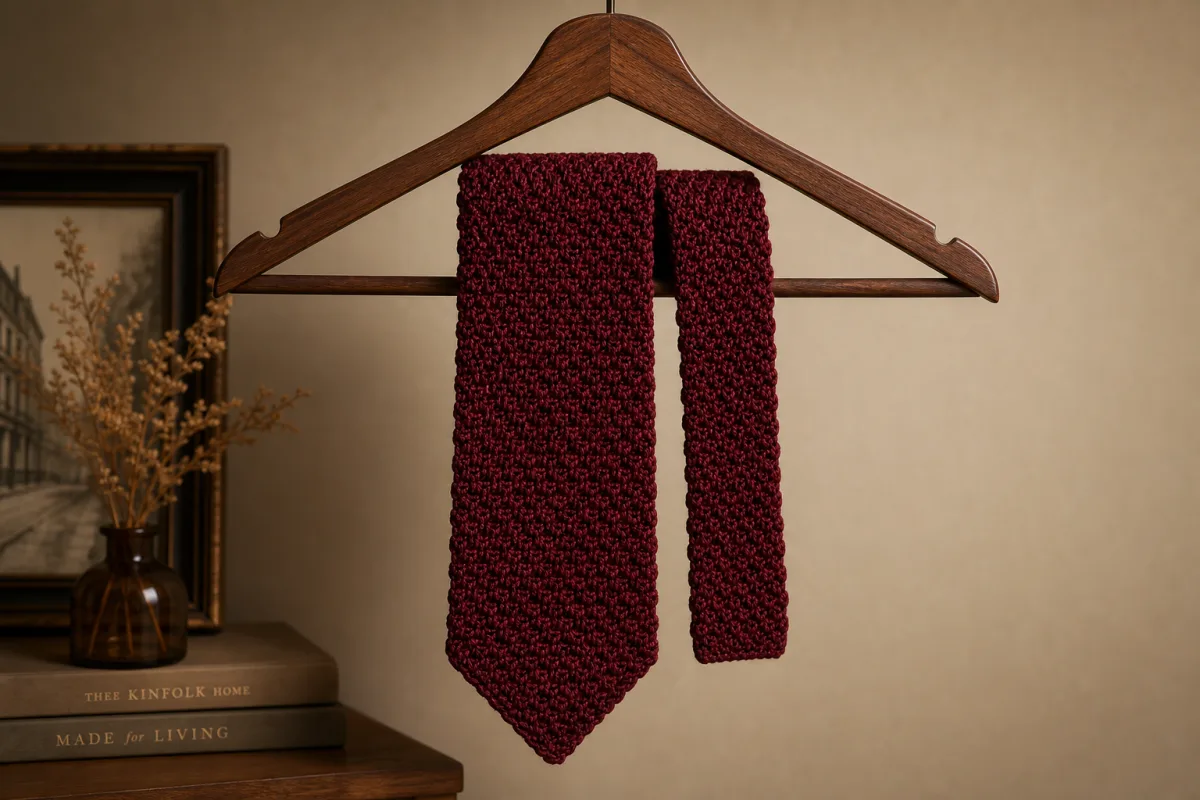
Autumn is honestly one of the best seasons for crochet tie color work. Deep rust, burnt orange, golden yellow, chocolate brown — the fall palette practically begs to be crocheted. A tie worked in a long-stitch mosaic pattern using alternating rows of deep amber and chocolate brown creates a surface that seems to shift and shimmer slightly as the wearer moves, catching light in a really lovely way. These autumnal ties make wonderful Thanksgiving gifts, back-to-school presents, or just a handmade nod to the fact that the season of warm tones and cool mornings has arrived.
Tips for Gifting, Packaging, and Presenting Handmade Crochet Ties
A beautiful crochet tie deserves a presentation that matches the care that went into making it. One of the simplest and most effective approaches is rolling the finished tie around a piece of acid-free tissue paper, securing it with a length of coordinating ribbon, and tucking it into a shallow gift box. It sounds simple, but this kind of packaging evokes the experience of opening something from an artisan boutique — it elevates the whole gift before the recipient has even touched the tie itself.
Adding a small handwritten care card is one of those little touches that recipients really appreciate, and it also helps the tie last longer. On the card, include the fiber content of the yarn, washing instructions — hand wash in cool water, or machine wash on gentle, whatever applies — and any blocking tips for keeping it looking its best over time. This kind of information shows that you’ve thought about the longevity of the gift, and it signals clearly that this isn’t a throwaway item but something worth taking care of.
If you want to build the tie into a larger gift, consider pairing it with complementary pieces. A matching crocheted pocket square in the same yarn, a set of artisan cufflinks, or even a handwritten note with suggestions for how to style the tie with different shirts and jackets can turn a single accessory into a full, curated gift experience. These additions don’t need to cost much — the handwritten note alone can do a lot of heavy lifting in making the whole thing feel complete and genuinely thoughtful.
For makers who create crochet ties regularly — whether as gifts or to sell — developing a consistent personal aesthetic helps build a recognizable identity over time. A signature color palette, a preferred stitch family, a particular finishing technique — whatever it is, that consistency becomes a kind of artistic signature. People start to anticipate the specific quality and character of your work, and giving someone one of your ties stops being just the transfer of an object and starts being the continuation of an ongoing creative relationship between the two of you.
Getting Started: Choosing Your First Crochet Tie Pattern
With 18 patterns to choose from, deciding where to start can feel a little overwhelming in the best possible way. If you’re new to crochet or just new to making ties specifically, the smartest move is to begin with a basic rectangular tie worked in rows of single crochet or half double crochet. These foundational patterns let you focus on the two things that matter most for a good-looking tie — consistent tension and straight edges — without piling on the extra complexity of shaping, colorwork, or intricate stitches that can derail a first project before it really gets going.
If you’re comfortable with the basics and have done some simple shaping, skip ahead to patterns with interesting textures or basic colorwork. These projects are engaging enough to stay fun across the multiple sessions it typically takes to finish a tie. The moss stitch, linen stitch, and basic shell stitch all deliver visually striking results without demanding a huge technical leap, making them perfect second or third tie projects that build on what you know while genuinely teaching you something new.
Advanced crocheters looking for a real challenge will find it in multi-color intarsia ties, fine-thread filet crochet designs, or cables worked in sport-weight merino. These patterns require precision, patience, and a solid grasp of crochet geometry — but the results are extraordinary. We’re talking pieces that rival the visual complexity of the finest woven accessories, with the added satisfaction of knowing you made every single stitch yourself. Whatever level you’re starting from, the world of crochet tie patterns has a path forward that will meet you there and push you further, making each finished tie a genuine achievement worth being proud of.








What do you think?
It is nice to know your opinion. Leave a comment.