










Turquoise Blue Milkweed Vine: A Complete Guide to Growing Tweedia Oxypetalum Caeruleum
Introduction to Tweedia: The Rare Heaven-Born Blue Flower
Among the vast tapestry of flowering plants that grace our gardens, few can claim the extraordinary visual impact of Tweedia oxypetalum caeruleum, commonly known as the Turquoise Blue Milkweed Vine or Blue Tweedia. This remarkable South American native has captivated gardeners, florists, and botanists alike with its impossibly vivid star-shaped blossoms that shift through a breathtaking spectrum of color as they age. From the moment a bud first opens to reveal its petals, Tweedia offers a visual journey that few other garden plants can match.
The plant earns its poetic common name “Heaven Born” through the sheer improbability of its color. True blue flowers are extraordinarily rare in the natural world, making Tweedia a botanical treasure that serious gardeners covet deeply. The blossoms open in a brilliant turquoise that gradually transitions to lavender and then soft violet as they mature, meaning a single plant in full bloom can display multiple hues simultaneously. This natural color-shifting phenomenon makes it endlessly fascinating to observe through the growing season.
Native to southern Brazil and Uruguay, Tweedia oxypetalum belongs to the Apocynaceae family, which includes other well-known plants such as oleander and periwinkle. As a member of the milkweed subfamily, it produces the characteristic milky sap that gives the broader family its name, and it plays an important ecological role as a host and nectar plant for various pollinators. Whether grown as an annual in cooler climates or a perennial in warmer zones, this vine rewards attentive gardeners with months of stunning blossoms that are equally prized in fresh-cut flower arrangements.
Understanding the Botanical Characteristics of Oxypetalum Caeruleum
Tweedia oxypetalum caeruleum is a slender, twining vine that typically reaches between one and three feet in height under garden conditions, though it can climb considerably higher when given adequate support and ideal growing conditions. The stems are soft and somewhat hairy, exhibiting a slightly grayish-green appearance that complements the foliage beautifully. When the stems or leaves are broken, they exude a milky white latex sap, which is typical of the broader Apocynaceae family and serves as a natural defense mechanism against certain herbivores and insects.
The leaves of Tweedia are heart-shaped to oblong, measuring roughly one to two inches in length, and are covered with fine silvery hairs that give the entire plant a soft, velvety texture. This delicate pubescence catches light in an appealing way and lends the foliage an almost ethereal quality that enhances the overall visual presentation of the plant. The leaves are arranged alternately along the stems and remain attractive throughout the growing season, providing a pleasing backdrop for the spectacular flowers that emerge in abundance.
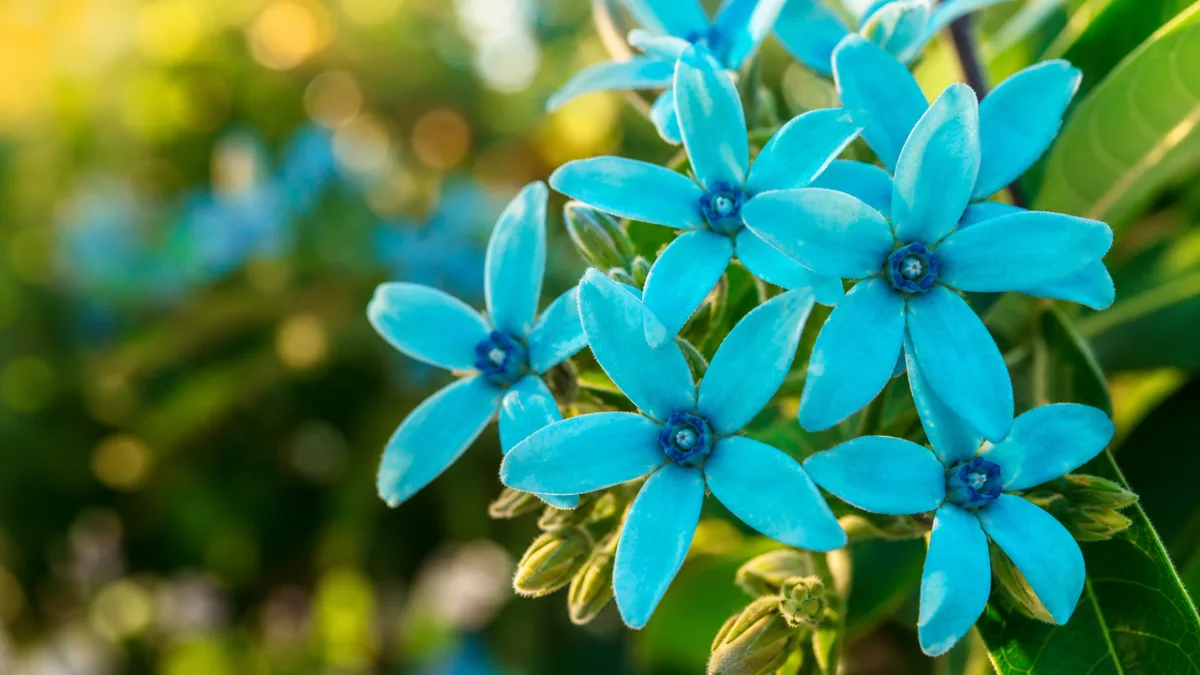
The flowers themselves are the undisputed stars of the show. Each bloom is a perfect five-petaled star measuring approximately half an inch to three-quarters of an inch across, appearing in loose clusters known as cymes. The color progression is what makes this plant truly extraordinary: buds begin as pale green, opening into a vivid turquoise blue before transitioning through periwinkle, soft lavender, and finally a warm mauve-pink as the flower ages. This means that at any given moment, a flowering plant presents a natural bouquet of complementary colors without any human intervention whatsoever.
Growing Conditions and Climate Requirements
Tweedia thrives in full sun to partial shade, with the most prolific flowering occurring when the plant receives at least six hours of direct sunlight each day. In regions with intense summer heat, some afternoon shade can actually benefit the plant by preventing flower fade and heat stress, while still maintaining the vigorous growth that produces abundant blooms. Finding that ideal balance between sufficient light and protection from the most brutal midday heat is key to keeping your Tweedia performing at its peak through the entire warm season.
In terms of hardiness, Tweedia is classified as a tender perennial, typically surviving winters outdoors only in USDA hardiness zones 9 through 11, where temperatures rarely dip below 25 to 30 degrees Fahrenheit. In cooler climates encompassing zones 3 through 8, the plant is best treated as a warm-season annual, started indoors several weeks before the last expected frost and transplanted outside once nighttime temperatures are reliably above 50 degrees Fahrenheit. Gardeners in intermediate zones can also attempt overwintering the plant indoors as a houseplant, keeping it in a bright sunny window until spring returns.
Soil requirements for Tweedia are relatively straightforward, reflecting the plant’s preference for conditions similar to those found in its native South American grasslands and open woodlands. It performs best in well-draining soil with moderate fertility, and it is notably tolerant of sandy or rocky substrates that might challenge more demanding plants. Heavy clay soils should be amended with compost and coarse sand or perlite to improve drainage, as Tweedia is susceptible to root rot in waterlogged conditions. A slightly acidic to neutral pH in the range of 6.0 to 7.0 is ideal for optimal nutrient uptake and vigorous growth.
Planting, Propagation, and Care Instructions
Starting Tweedia from seed is a rewarding process that requires a little patience, as germination can be somewhat variable. Seeds should be sown indoors approximately eight to ten weeks before the last expected frost date in your region. Soak the seeds in warm water for several hours before planting to help soften the seed coat and encourage more uniform germination. Plant seeds about a quarter inch deep in a well-draining seed-starting mix, maintain soil temperatures between 65 and 75 degrees Fahrenheit, and expect germination to occur within ten to twenty-one days, though some seeds may take longer.
Transplanting live plants, such as those purchased from nurseries or specialty growers, is often the preferred method for gardeners who want to enjoy blooms earlier in the season. When transplanting, handle the roots carefully to avoid damage, as Tweedia can be somewhat sensitive to root disturbance. Space plants approximately 12 to 18 inches apart to allow adequate air circulation, which helps prevent fungal diseases. Water the transplants well after planting and consider providing a trellis, bamboo stake, or other support structure immediately, as the twining stems will quickly begin searching for something to climb.
Ongoing care for established Tweedia plants is uncomplicated but consistent attention pays dividends in the form of extended and abundant flowering. Consider the following essential care practices to keep your plant healthy and productive:
- Watering: Water deeply but infrequently, allowing the top inch of soil to dry out between waterings. Consistent moisture encourages blooming, but soggy soil invites root rot and should be avoided at all costs.
- Fertilizing: Apply a balanced, water-soluble fertilizer every two to three weeks during the active growing season, or incorporate a slow-release granular fertilizer into the soil at planting time. Avoid excessive nitrogen, which promotes leafy growth at the expense of flowers.
- Pruning: Light tip pruning encourages bushier growth and more branching, which ultimately results in more flowers. Deadheading spent blooms, while not strictly necessary, can promote continued flower production through the season.
- Pest monitoring: Check regularly for aphids, spider mites, and whiteflies, all of which can colonize Tweedia, particularly in dry or stressed conditions. Early intervention with insecticidal soap or neem oil sprays is highly effective.
- Support: Provide a trellis, wire frame, or other climbing structure early in the season. Tweedia is not a vigorous climber by nature but benefits from gentle guidance and support as it grows.
Tweedia in the Garden: Design and Companion Planting
The unique color palette of Tweedia opens up exceptionally creative possibilities for garden design. The turquoise-to-lavender progression of its blooms pairs magnificently with warm-toned companions such as coral, orange, and golden-yellow flowers, creating vibrant complementary color contrasts that command attention. Consider planting Tweedia near orange lantana, yellow marigolds, or apricot-toned roses for a combination that stops visitors in their tracks. Alternatively, pairing Tweedia with white flowers such as sweet alyssum, bacopa, or white petunias creates a more serene, sophisticated palette that highlights the blue tones especially effectively.
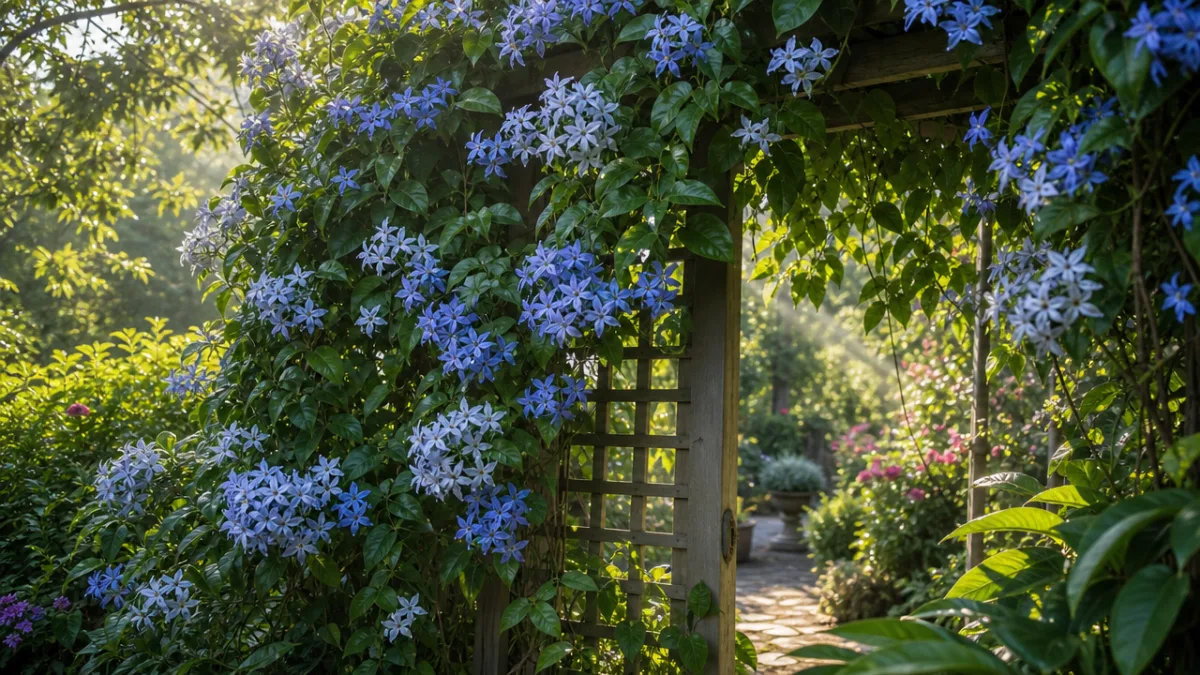
For vertical gardening applications, Tweedia performs beautifully when trained up decorative obelisks, garden arches, or wire tuteurs placed within mixed borders. Its relatively modest size makes it an ideal candidate for container gardening as well, particularly when grown in a pot with a small trellis or cage insert. Containers have the added advantage of allowing gardeners in colder climates to move the plant indoors for winter, potentially extending the life of a particularly beloved specimen from a single season to several years of continuous growth and flowering.
Companion planting with Tweedia also offers practical ecological benefits beyond pure aesthetics. The plant is an excellent attractor of pollinators, particularly bees and certain butterfly species, making it a valuable addition to pollinator garden designs. Because it belongs to the milkweed family, it may also support monarch butterflies and other specialist milkweed feeders to some degree, though it is not a primary monarch host plant. Planting Tweedia near vegetables and fruiting crops can help draw beneficial pollinators into the kitchen garden, improving fruit set and overall productivity in a genuinely meaningful way.
Tweedia as a Cut Flower: Floral Design Applications
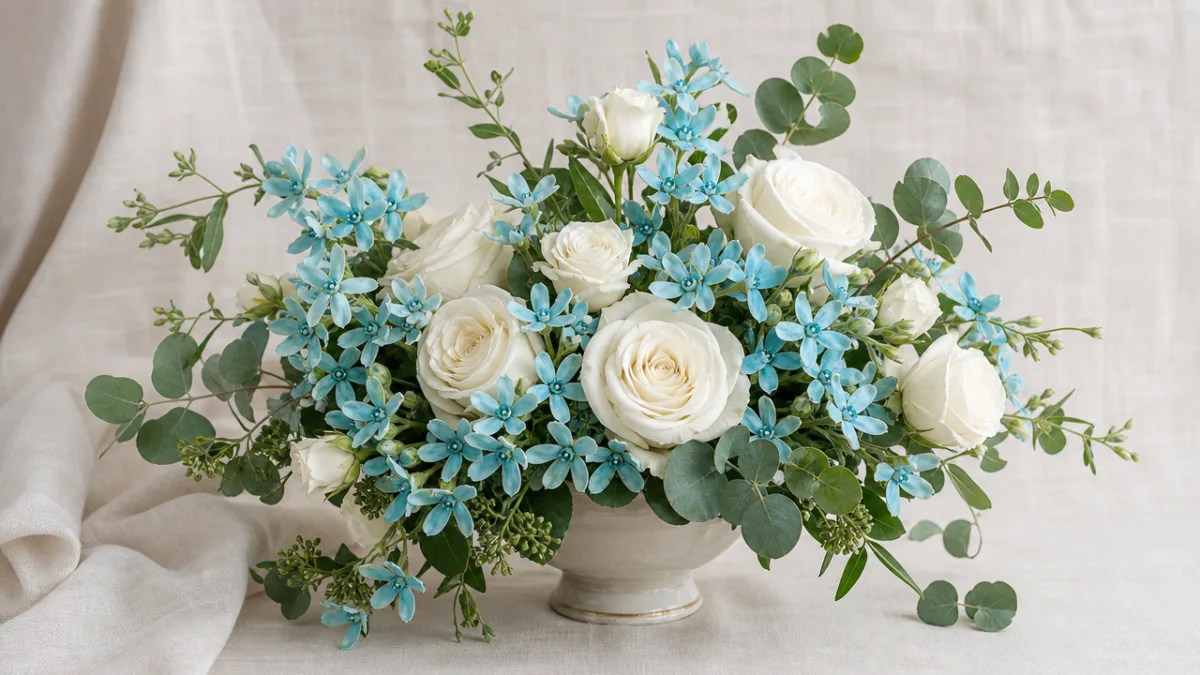
Florists and floral designers have developed a passionate appreciation for Tweedia blossoms over recent decades, and it is not difficult to understand why. The extraordinary color that the flower brings to arrangements is simply unmatched by nearly any other commonly available cut flower, and the fact that individual blooms age through multiple hues means that a single stem can contribute visual complexity and depth that most flowers cannot achieve. High-end wedding florists in particular have embraced Tweedia as a statement element in bouquets, centerpieces, and floral crowns where its distinctive blue-turquoise tones create an unforgettable impression.
Harvesting Tweedia for cutting requires a bit of technique to maximize vase life and minimize the characteristic milky sap flow that can foul water and potentially irritate skin. The best time to cut stems is in the early morning, when the plant is well-hydrated and temperatures are cool. After cutting, immediately plunge the stem ends into a container of warm water to encourage uptake, and change the vase water every day or two to keep it fresh. Some floral designers briefly sear the cut ends over a flame or dip them in boiling water for a few seconds to seal the latex-producing cells, which can extend vase life considerably and keep arrangement water clearer.
Beyond fresh arrangements, Tweedia also lends itself surprisingly well to drying and pressing for craft applications. Pressed Tweedia flowers retain much of their color, particularly the lavender and violet tones, and can be used in botanical art, greeting card making, resin casting, and other paper or mixed-media crafts. The five-pointed star shape of each blossom dries flat and retains its form well under pressing, making it an ideal botanical element for anyone interested in creating lasting keepsakes from garden flowers. Growing a dedicated patch of Tweedia for craft use is a genuinely rewarding pursuit that extends the enjoyment of the plant well beyond the growing season.
Conservation, Sustainability, and the Importance of Responsible Growing
As with any plant that achieves popularity in the horticultural trade, it is important to consider the broader ecological context of growing Tweedia outside its native range. While Tweedia oxypetalum caeruleum is not currently listed as invasive in most regions of North America, Europe, or Australia, gardeners in subtropical and tropical climates should exercise appropriate caution. In warm, moist climates where the plant can establish itself and self-seed freely, it has the potential to naturalize beyond garden boundaries and compete with native vegetation. Responsible gardening practice includes monitoring for unwanted seedlings and removing them before they can spread.
Supporting ethical sourcing when purchasing Tweedia plants or seeds is another meaningful contribution that gardeners can make to the broader cause of plant conservation. Seek out reputable nurseries and specialty growers who propagate their stock through cultivation rather than wild collection, and look for certified organic growing practices when available. The growing popularity of rare and unusual plants like Tweedia creates market pressure that, when channeled responsibly, can actually support conservation efforts by making the commercial cultivation of rare species economically viable and reducing pressure on wild populations in their native South American habitats.
On a more immediate and local level, growing Tweedia in home gardens actively contributes to urban and suburban biodiversity by providing nectar resources for bees, butterflies, and other beneficial insects. In an era of significant global pollinator decline driven by habitat loss, pesticide use, and climate disruption, every garden that incorporates flowering plants attractive to pollinators represents a small but meaningful act of ecological restoration. By choosing plants like Tweedia that are both visually spectacular and ecologically functional, gardeners can enjoy the personal pleasure of a beautiful garden while simultaneously contributing something positive to the living world around them.








What do you think?
It is nice to know your opinion. Leave a comment.