










Red Baron Japanese Blood Grass: A Complete Growing Guide
Introduction to Red Baron Japanese Blood Grass
Red Baron Japanese Blood Grass, known botanically as Imperata cylindrica ‘Red Baron’, is one of the most visually striking ornamental grasses available to home gardeners and landscape designers. Its upright, slender blades emerge green at the base and transition to a brilliant, deep red toward the tips, creating a gradient effect that seems almost painted by nature. This cultivar has become a beloved choice at nurseries like Oakland Nurseries Inc, where it consistently draws admiring glances from visitors seeking plants that offer year-round visual drama.
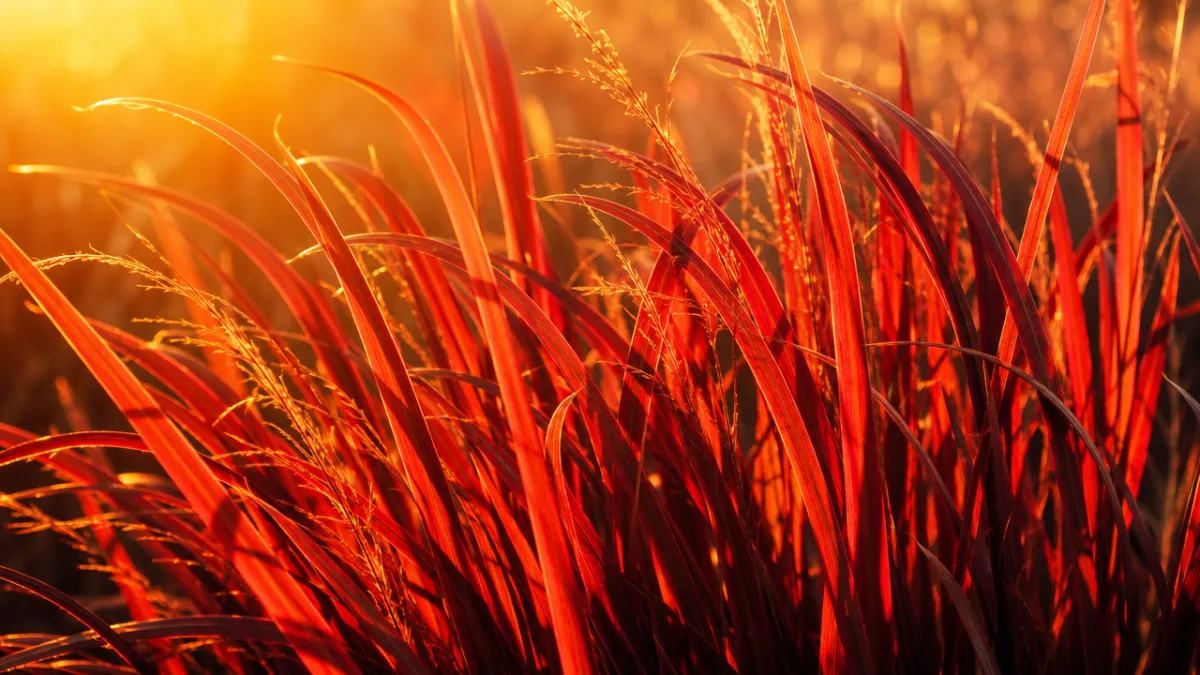
The name “Blood Grass” is entirely apt — when sunlight filters through its translucent red blades, the plant appears to glow from within, as though lit by an internal ember. This luminous quality is at its most spectacular in late afternoon sun, when the slanting rays transform an otherwise modest garden bed into something genuinely theatrical. Few plants deliver such a high-impact visual return for relatively modest maintenance investment, making it a perennial favorite among both novice and experienced gardeners.
Native to Asia, this ornamental cultivar has been carefully selected to highlight the red pigmentation that the straight species occasionally produces. The ‘Red Baron’ variety intensifies and reliably reproduces this coloration, ensuring that gardeners get the dramatic display they expect season after season. Unlike the invasive straight species, ‘Red Baron’ is generally considered a well-behaved garden plant in most temperate zones, though it is always worth checking local regulations before planting any Imperata variety.
Plant Characteristics and Growth Habits
Red Baron Japanese Blood Grass is a warm-season, clump-forming perennial grass that typically reaches a height of 12 to 18 inches, with a spread of roughly 12 inches at maturity. Its growth habit is upright and tidy, making it an excellent choice for border plantings, mass groupings, or container arrangements. The blades are narrow — rarely more than half an inch wide — and their flat, slightly arching form gives the plant a graceful, almost feathery silhouette when viewed in a gentle breeze.
The color evolution of ‘Red Baron’ across the growing season is one of its most celebrated features. New spring growth emerges with green bases and rosy-red tips, and as the season progresses, the red intensifies and travels further down each blade. By midsummer, a well-established clump may appear almost entirely crimson, particularly in full sun conditions. Come autumn, the red deepens into rich burgundy and copper tones, giving the plant a second peak of ornamental interest just as many other garden plants are fading.
Unlike many grasses, ‘Red Baron’ spreads slowly by rhizomes, making it easier to control than more aggressive spreading grasses. In most climates where it is reliably hardy, it will expand gradually into a larger clump over several years but will not become a nuisance. This moderate pace of growth makes it ideal for gardeners who want a defined, intentional planting rather than a sprawling grass meadow. It is rated hardy in USDA zones 5 through 9, covering a broad swath of North America and making it accessible to a wide range of gardeners.
Ideal Growing Conditions and Site Selection
Choosing the right location is essential to coaxing the best color from your Red Baron Japanese Blood Grass. This plant performs most vividly when grown in full sun — defined as six or more hours of direct sunlight per day. The red pigmentation is directly influenced by light intensity, and plants grown in partial shade will often display muted, more greenish tones rather than the intense crimson that makes this grass so desirable. If you have a south- or west-facing bed that receives strong afternoon sun, that is prime real estate for ‘Red Baron’.
Soil preferences for this ornamental grass are refreshingly flexible. It grows well in a range of soil types, from sandy and loamy to moderately clay-heavy soils, provided that drainage is adequate. Consistently waterlogged roots are the most reliable way to stress or kill this plant, so if your site has poor drainage, consider amending with compost or planting on a slight grade to facilitate runoff. The plant is also notably tolerant of average to poor soil fertility, which means excessive fertilization is unnecessary and can actually encourage lush green growth at the expense of the desirable red coloration.
Once established, ‘Red Baron’ demonstrates a commendable degree of drought tolerance, though it performs best with moderate, regular moisture during the active growing season. In regions with hot, dry summers, occasional deep watering will help maintain vigor and color intensity. Conversely, in areas with reliable summer rainfall, supplemental irrigation may rarely be necessary at all. The key is to avoid extremes — neither prolonged drought nor saturated soil will suit this plant, but the wide middle ground between those extremes is comfortably broad.
Planting and Establishment
The best time to plant Red Baron Japanese Blood Grass is in spring, after the last frost date has passed and soil temperatures have begun to warm consistently. As a warm-season grass, ‘Red Baron’ breaks dormancy and begins active growth once the soil reaches approximately 60 degrees Fahrenheit. Planting too early in cold, wet soil can stress young plants and slow establishment, so patience in early spring is rewarded with more vigorous summer growth. Container-grown specimens, such as those available from nurseries like Oakland Nurseries Inc, can also be planted in early autumn in warmer zones.
When preparing the planting hole, dig to a depth of roughly twice the root ball height and two to three times its width. This loosened soil zone gives developing roots an easier path to expand outward and anchor the plant. Set the plant at the same depth it was growing in its nursery container — planting too deeply can encourage crown rot, while planting too shallowly may expose roots and slow establishment. Backfill with the native soil, gently firming it around the root ball to eliminate air pockets, and water thoroughly to settle the soil.
After planting, a 2 to 3-inch layer of organic mulch applied around the base of the plant — but not directly against the crown — will conserve moisture, moderate soil temperature, and suppress competing weeds during the establishment period. Newly planted grasses should be watered consistently for the first growing season until the root system is well developed. Most plants establish fully within a single growing season and require minimal intervention thereafter. Spacing plants approximately 12 to 18 inches apart when using them in mass plantings allows them room to develop their natural clump form without crowding.
- Plant in spring after last frost, or early autumn in warmer climates
- Choose a location with at least 6 hours of direct sun daily
- Ensure well-draining soil to prevent root rot
- Apply mulch to conserve moisture during establishment
- Water consistently for the first full growing season
- Space plants 12 to 18 inches apart for mass plantings
Care, Maintenance, and Seasonal Management
One of the most appealing aspects of Red Baron Japanese Blood Grass is its relatively low maintenance profile once established. The most important annual maintenance task is cutting the clumps back in late winter or very early spring, before new growth begins to emerge. Use clean, sharp pruners or hedge shears to cut the foliage down to within 2 to 4 inches of the ground. This removes the previous year’s weathered blades and encourages the fresh, colorful growth that makes this grass so attractive throughout the warmer months.
Fertilization needs are modest. An application of a balanced, slow-release granular fertilizer in early spring — just as new growth is beginning to show — is generally sufficient to support healthy growth throughout the season. Avoid high-nitrogen formulas, which promote excessive green, leafy growth and can reduce the intensity of the red coloration that is this plant’s signature characteristic. In fertile garden soils, additional fertilization may not be necessary at all, and the plant will perform admirably on its own once its root system is established.
Division is another periodic maintenance consideration, though ‘Red Baron’ typically requires it less frequently than more aggressive grasses. Every three to five years, large clumps can be dug and divided in spring to rejuvenate the planting and create new plants for elsewhere in the garden. This is also an ideal time to remove any sections that appear less vigorous or that have reverted to predominantly green coloration — a reversion that, while uncommon, can occasionally occur and is best managed by removing the green portions promptly.
Common Pests and Diseases
Japanese Blood Grass is generally a robust, pest-resistant plant that suffers from relatively few serious health issues. Aphids and spider mites may occasionally colonize the blades during hot, dry periods, but populations are rarely severe enough to cause lasting damage. A strong spray of water from a garden hose is usually sufficient to dislodge these pests, and chemical intervention is seldom warranted. Good air circulation around the clumps is the best preventive measure against most pest and disease pressures.
Root rot caused by Pythium or other water mold pathogens is the most significant disease threat, and it is almost always linked to poorly drained soil or overwatering. Ensuring proper drainage at planting time is the most effective preventive strategy. Rust diseases can occasionally appear as orange or yellowish pustules on the blades, particularly during humid weather. Removing and disposing of affected foliage and improving air circulation generally resolves mild rust infections without the need for fungicide applications.
Winter Care and Hardiness
In USDA zones 5 and 6, where winters can bring sustained hard freezes, a protective layer of mulch applied over the crown of the plant in late autumn can help insulate the root system and improve overwintering success. In zones 7 and above, the plant is generally reliably hardy without additional protection and will remain semi-evergreen through mild winters, adding a measure of off-season interest to the garden. The dormant blades often take on warm copper and straw tones that provide subtle winter texture.
Gardeners in zone 5 or colder should be aware that severe winters can occasionally kill plants to the ground, and some clumps may not return after exceptionally harsh cold spells. Growing ‘Red Baron’ in a sheltered microclimate — such as near a south-facing wall that retains heat — can extend its reliable performance into marginally cold areas. Container-grown specimens in these colder zones can be overwintered in a cool, frost-free garage or shed, with watering reduced but not eliminated entirely during the dormant period.
Landscape Design Applications
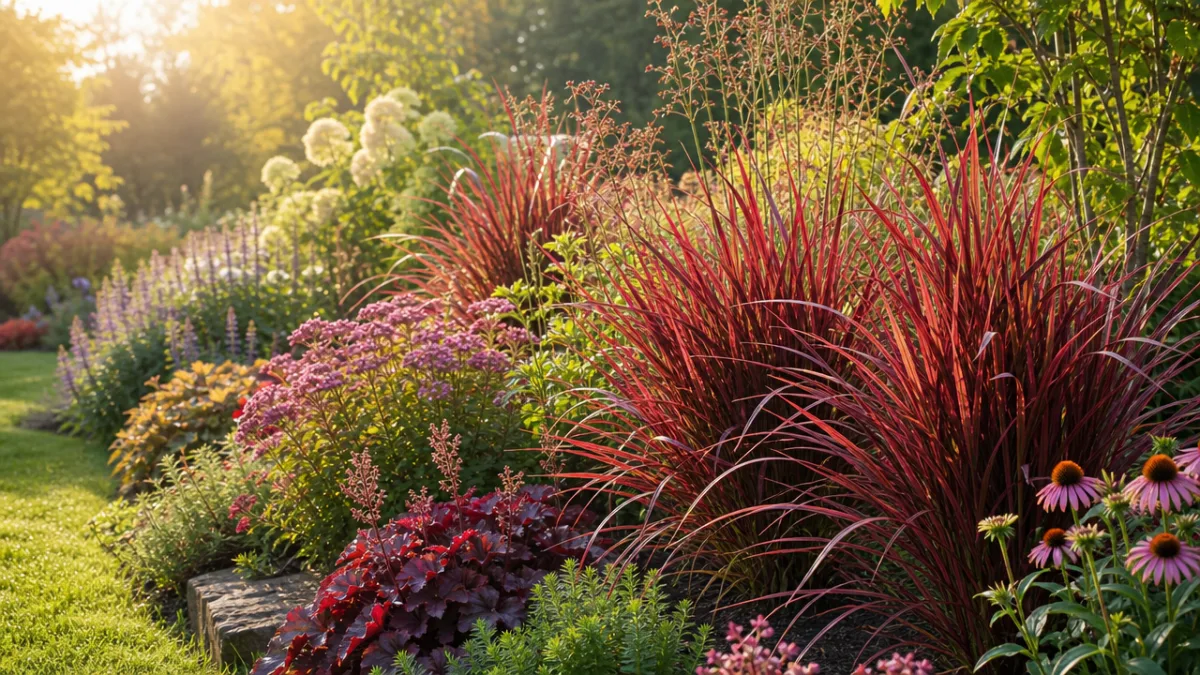
The design versatility of Red Baron Japanese Blood Grass is one of its most valuable qualities for landscape professionals and home gardeners alike. Its upright, narrow form and brilliant color make it an exceptional choice as a specimen plant, where a single clump can serve as a focal point within a mixed border or container arrangement. Planted against a backdrop of silver-foliaged plants like artemisia or lamb’s ear, the red blades create a striking color contrast that draws the eye immediately. It also pairs beautifully with ornamental grasses of contrasting texture, such as the fine-bladed blue fescues.
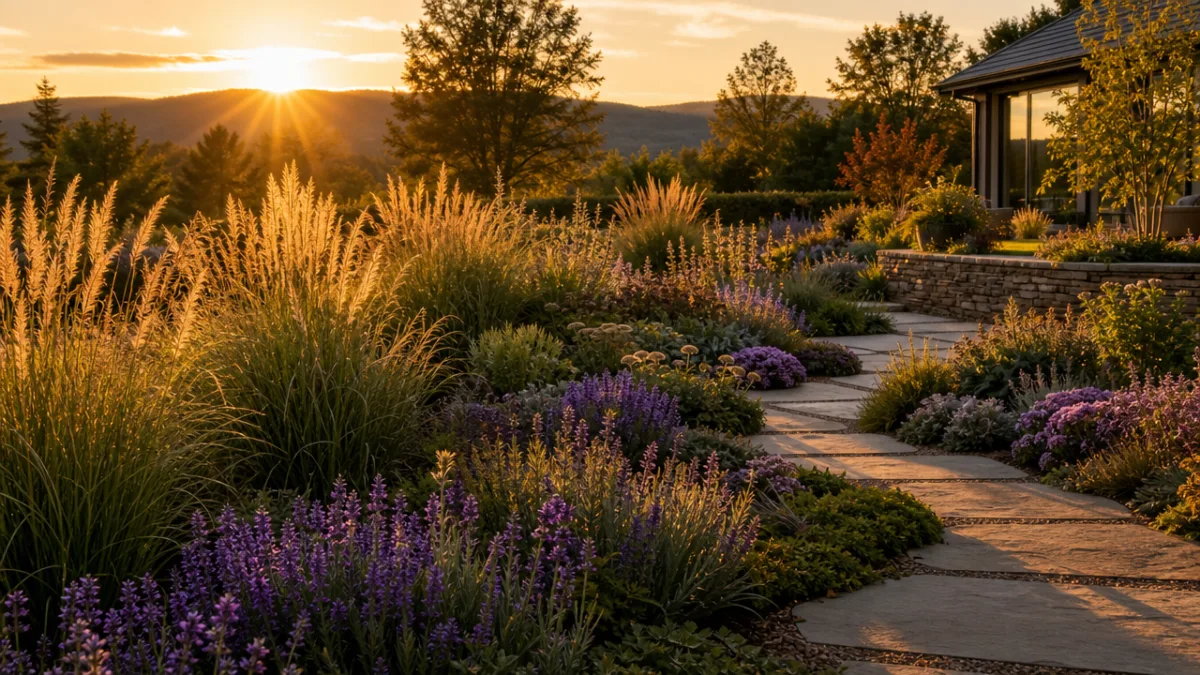
Mass plantings of ‘Red Baron’ are particularly dramatic, especially when positioned where they will be backlit by the setting sun. A drift of a dozen or more plants along a pathway or at the edge of a lawn can create a river of glowing color that stops visitors in their tracks during the golden hour of late afternoon. Combining it with late-season perennials such as black-eyed Susans, coneflowers, and sedums creates a warm-toned autumn garden that remains beautiful well into the cooler months.
For container gardening enthusiasts, ‘Red Baron’ is an outstanding choice for large pots and mixed planters. Its upright habit provides vertical interest and works well when combined with trailing plants like sweet potato vine or creeping jenny at the container’s edge. The plant’s relatively modest size — topping out at 18 inches — means it rarely overwhelms its companion plantings. Containers also offer the practical advantage of allowing gardeners in colder zones to easily move the plant to a protected location before winter arrives.
- Use as a specimen focal point in mixed borders or raised beds
- Plant in drifts along pathways for maximum backlit impact
- Combine with silver or blue foliage plants for striking contrast
- Incorporate into containers with trailing companions
- Pair with autumn-blooming perennials for late-season interest
- Use at water’s edge — it tolerates periodic moisture variation
Purchasing and Sourcing Quality Plants
Finding healthy, well-grown specimens of Red Baron Japanese Blood Grass is the first step toward success in the garden, and reputable local nurseries like Oakland Nurseries Inc are among the best places to start. When selecting plants at a nursery, look for compact, upright clumps with strong color from the base upward. Avoid plants with yellowing, browning at the base beyond normal dormant tissue, or evidence of root rot — visible as dark, mushy roots when you gently slide the plant from its container. Healthy plants will have firm, white to tan roots that fill the pot without being severely rootbound.
Local independent nurseries offer distinct advantages over large box retailers when it comes to ornamental grasses. Knowledgeable staff can advise on regional performance, specific siting considerations for your climate, and companion planting suggestions tailored to your local conditions. Plants sold at independent nurseries are also more likely to have been grown in conditions appropriate for your region, improving their establishment success compared to plants shipped from distant growing operations and acclimatized to very different conditions.
Online mail-order sources can also provide quality plants, particularly for gardeners in areas where ‘Red Baron’ may not be widely stocked locally. When ordering online, prioritize vendors who specialize in ornamental grasses and perennials, ship during appropriate planting seasons, and offer clear guarantees on plant health upon arrival. Inspect mail-order plants immediately upon receipt and contact the vendor promptly if any concerns arise. Whether purchased locally or online, ‘Red Baron’ Japanese Blood Grass represents an outstanding investment in long-lasting ornamental value that will reward gardeners with years of stunning seasonal color.








What do you think?
It is nice to know your opinion. Leave a comment.