










Oceanspray – Holodiscus discolor: A Comprehensive Guide to the Pacific Northwest’s Native Cascade
Introduction to Oceanspray: Identity and Natural Heritage
Oceanspray, known scientifically as Holodiscus discolor, is one of the Pacific Northwest’s most beloved and ecologically significant native shrubs. Its common name perfectly captures the visual drama of its blooming season, when cascading plumes of creamy white flowers billow like sea foam caught in a summer breeze. Native to western North America, this deciduous shrub has been a cornerstone of regional ecosystems, Indigenous cultures, and ornamental gardens for centuries, earning deep respect from botanists, naturalists, and gardeners alike.
Taxonomically, Holodiscus discolor belongs to the rose family, Rosaceae, placing it in distinguished company alongside familiar plants such as roses, apples, and spireas. The genus name Holodiscus derives from the Greek words for “whole” and “disk,” referencing the structure of the plant’s floral disk. The species epithet discolor refers to the two-toned appearance of the leaves, which display a darker green on their upper surfaces and a notably paler, sometimes grayish or woolly underside. This subtle but charming characteristic helps gardeners and naturalists identify the plant even when it is not in bloom.
The plant’s native range spans a broad and varied geography, stretching from British Columbia in the north, southward through Washington, Oregon, and California, and extending eastward into Idaho, Montana, and beyond. Within this range, Oceanspray adapts to an impressive diversity of habitats, from moist coastal forests and streamside thickets to drier inland slopes and open rocky hillsides. This remarkable ecological flexibility speaks to the plant’s resilience and its deep evolutionary roots in the landscapes of western North America.
Physical Characteristics and Seasonal Appearance
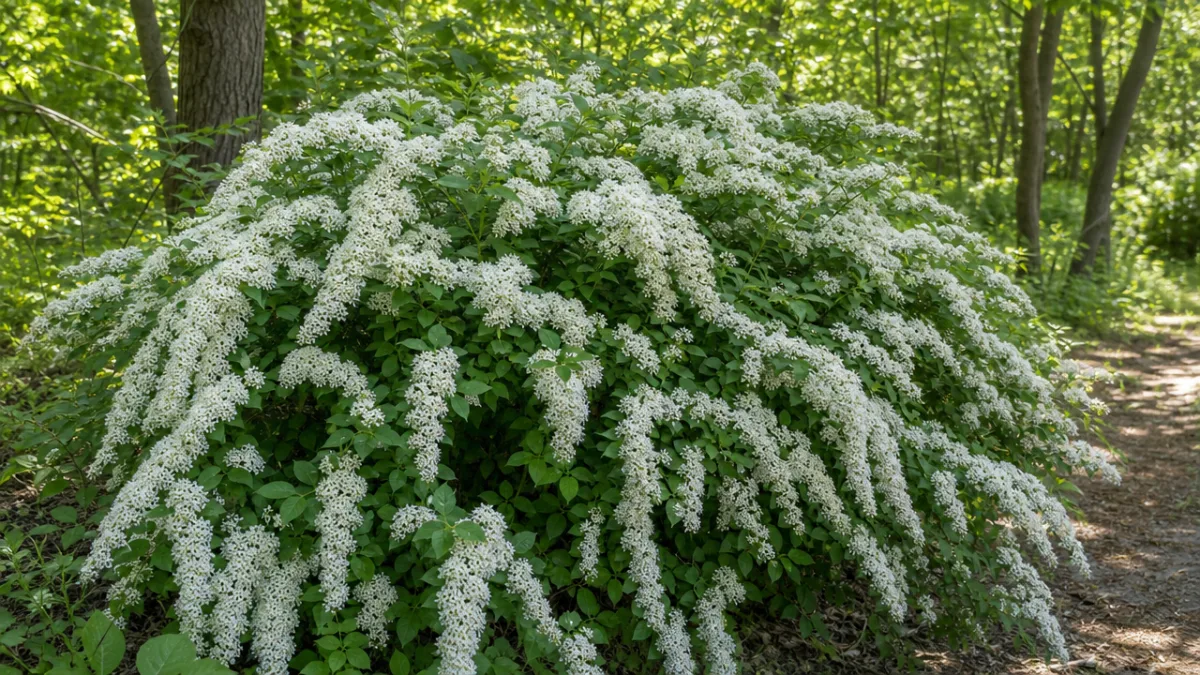
Oceanspray is a multi-stemmed deciduous shrub that typically reaches heights of 3 to 15 feet depending on growing conditions, though exceptional specimens in moist, sheltered locations can occasionally grow taller. The plant develops a graceful, arching habit over time, with older stems becoming stout and woody while younger growth remains more flexible and upright. The overall form of a mature Oceanspray shrub is loosely rounded to slightly irregular, lending it a naturalistic, untamed elegance that makes it especially suitable for wildlife gardens and naturalistic landscape designs.
The leaves of Holodiscus discolor are alternately arranged along the stems and display an ovate to broadly oval shape with irregularly toothed or lobed margins. Each leaf typically measures between 1 and 4 inches in length, with the upper surface presenting a dull to slightly lustrous mid to dark green coloration. The undersides, as the species name suggests, are pale and often covered with fine hairs, creating the characteristic two-toned appearance. In autumn, the foliage transitions to warm shades of russet, orange, and golden yellow before dropping, providing a welcome seasonal farewell before winter dormancy.
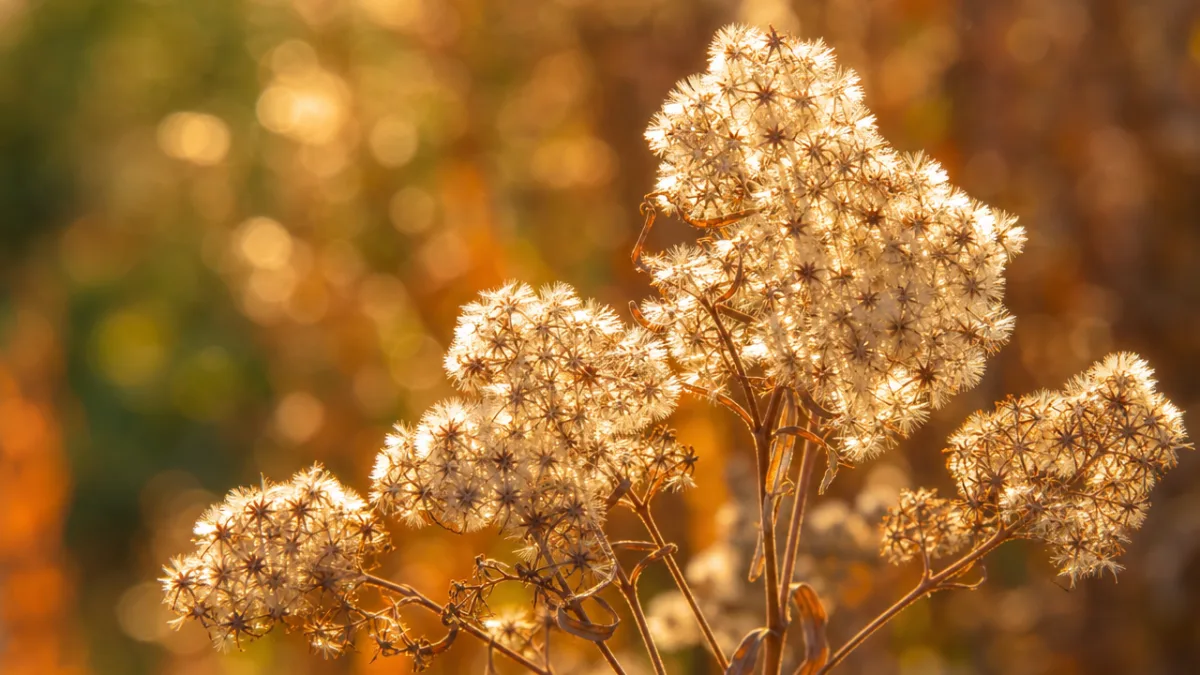
The most spectacular feature of Oceanspray is undoubtedly its flowering display. From late spring through midsummer, typically peaking in June and July across much of its range, the shrub produces large, dense, drooping panicles of tiny cream to white flowers. These flower clusters can reach 4 to 12 inches in length and are so abundantly produced that they can temporarily obscure the foliage beneath. After the blooms fade, the papery, light brown seed heads persist on the plant through autumn and winter, adding textural interest and providing food for seed-eating birds during the colder months.
Ecological Importance and Wildlife Relationships
Few native shrubs in the Pacific Northwest support as wide a range of wildlife as Holodiscus discolor. During its peak blooming period, the flowers function as a critical nectar and pollen resource for an extraordinary diversity of native insects. Bees of many species, from large bumblebees to small native sweat bees, visit the flowers in great numbers. Butterflies, including swallowtails, fritillaries, and various skippers, are frequent visitors, as are a wide variety of native wasps, flies, and beetles. The sheer density of insect activity around a blooming Oceanspray can be genuinely spectacular, making the shrub an irreplaceable hub of pollinator activity in native plant communities.
Beyond its value as a pollinator plant, Oceanspray provides important habitat and food resources for birds and mammals throughout the year. The dense, twiggy structure of mature shrubs offers excellent nesting sites and protective cover for songbirds such as warblers, sparrows, and thrushes. During winter, the persistent seed heads are consumed by finches, towhees, and other seed-eating birds, providing a modest but valuable food source during leaner months. Deer and elk browse the foliage and stems, particularly in spring when fresh growth is nutritious and abundant, though the plant typically regenerates vigorously following such grazing.
The ecological relationships of Holodiscus discolor extend deep into the food web. The larvae of numerous moth and butterfly species feed on Oceanspray foliage, including the larvae of several specialist native moths that depend on the plant as one of their primary larval hosts. This caterpillar production is enormously important for insectivorous birds, particularly during the nesting season when protein-rich insects are essential for raising chicks. Research by entomologist Doug Tallamy and others has highlighted the critical role that native plants like Oceanspray play in supporting these food web connections, underscoring the ecological cost of replacing native vegetation with non-native ornamentals that support far fewer insect species.
The relationship between Oceanspray and the broader plant community is also noteworthy. In natural settings, it commonly grows alongside other native shrubs and trees such as Oregon grape, red-flowering currant, snowberry, osoberry, and various native conifers. It often plays a pioneer or successional role in disturbed areas, establishing quickly and providing shelter and conditions favorable to the regeneration of slower-growing species. In this way, Oceanspray functions not merely as an individual plant but as an active participant in forest succession and ecosystem recovery, particularly in areas recovering from wildfire, logging, or other disturbances.
Cultural and Historical Significance
Long before European settlers arrived in the Pacific Northwest, Indigenous peoples across the region had developed deep and sophisticated knowledge of Holodiscus discolor and its many uses. The wood of Oceanspray is renowned for its exceptional hardness and density, qualities that made it among the most valued materials in the Indigenous toolkit of western North America. Numerous tribes, including the Coast Salish, Nez Perce, Yakama, Nlaka’pamux, and many others, utilized Oceanspray wood for making a remarkable range of tools and implements.
Among the most important traditional uses was the manufacture of arrows and arrow shafts, for which the straight, dense wood of Oceanspray stems was considered exceptionally suitable. The wood’s hardness also made it ideal for crafting digging sticks, used to harvest camas, wapato, and other root vegetables that formed a significant part of the diet. Knitting needles, combs, netting tools, and other fine implements were also fashioned from Oceanspray wood by various tribal groups. In some traditions, Oceanspray wood was used to make the spindles and shafts of hand drills for fire making, taking advantage of its hardness and resistance to wear. These widespread traditional uses across geographically diverse tribes reflect the plant’s broad availability and consistently recognized value throughout the region.
Medicinal applications of Oceanspray were also documented among several Indigenous groups, though these uses varied considerably from tribe to tribe. Some groups prepared infusions from the bark or leaves for treating fever, sore throat, or as a general tonic. Bark preparations were used topically in certain traditions for skin ailments or as a wash. While it is important to approach historical ethnobotanical information with appropriate care and to recognize that traditional knowledge systems are complex and context-dependent, the documentation of these uses reflects the breadth of Indigenous engagement with this plant and the value of traditional ecological knowledge as a source of insight for contemporary plant science and conservation.
Cultivation, Care, and Garden Applications
For gardeners in the Pacific Northwest and beyond, Holodiscus discolor represents an outstanding choice for naturalistic landscapes, wildlife gardens, rain gardens, and native plant restorations. The plant is notably adaptable to a range of soil types, tolerating everything from heavy clay soils to well-draining sandy loams, provided drainage is not completely impeded. It grows best in full sun to partial shade, with the best flowering typically occurring in sunny exposures. Once established, which generally takes one to two growing seasons, Oceanspray is remarkably drought-tolerant, making it particularly well-suited to the summer-dry climates of the Pacific Coast region.
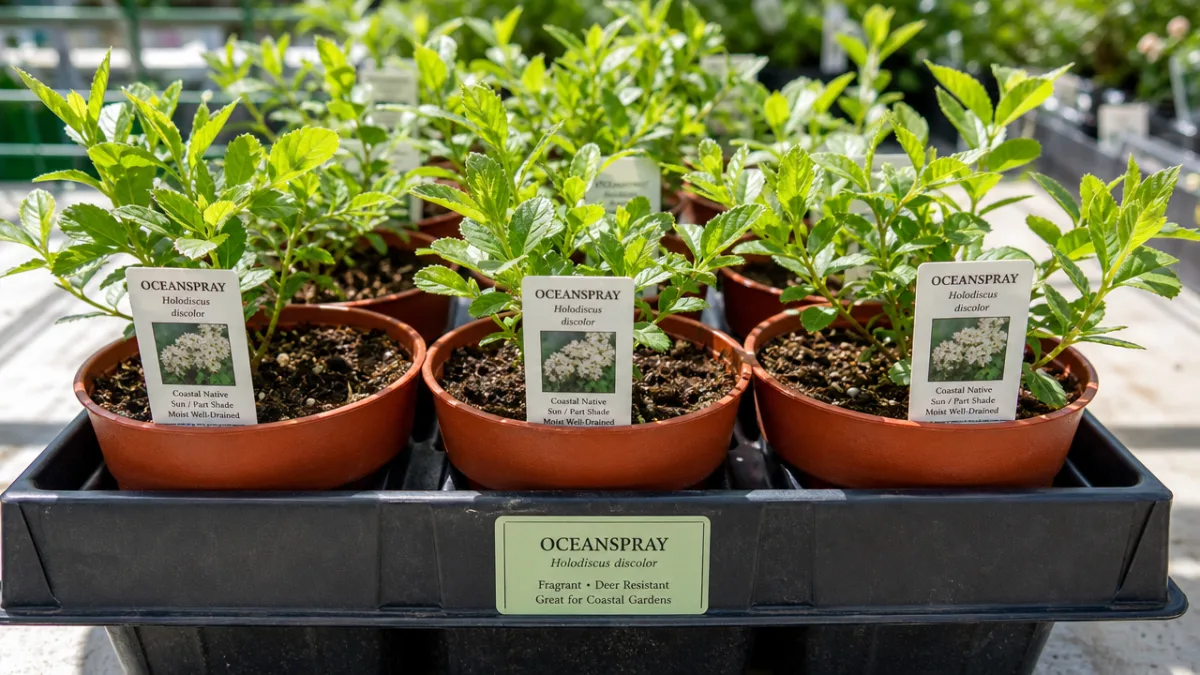
Planting and establishment of Oceanspray is straightforward for most gardeners. Container-grown plants are available from native plant nurseries throughout the Pacific Northwest and can be planted in autumn or early spring for best results. Bare-root stock, when available, should be planted during dormancy in late autumn or early winter. When establishing new plants, consistent watering during the first summer is important, particularly during extended dry spells, to encourage deep root development. Once roots are established, the plant’s inherent drought tolerance takes over and supplemental irrigation becomes largely unnecessary in most Pacific Northwest climates outside of exceptional drought events.
Pruning requirements for Oceanspray are minimal, which makes it an appealing low-maintenance option for native plant gardens. The plant naturally develops a graceful arching form that typically requires little intervention. If shaping or size management is desired, the best time to prune is late winter to early spring before new growth emerges. Hard renewal pruning, cutting mature stems back to near the base, can rejuvenate older plants that have become overly dense or woody, and the vigorous regrowth typically achieves good flowering size within one to two seasons. Deadheading is generally unnecessary and in fact inadvisable, as the persistent seed heads provide winter bird forage and seasonal textural interest.
The garden design applications of Holodiscus discolor are numerous and varied. Consider the following key uses:
- Wildlife gardens and pollinator habitats – Oceanspray is exceptional for attracting native bees, butterflies, and other pollinators, and is a top recommendation for any garden designed with wildlife in mind.
- Naturalistic and informal hedges – Its dense, arching habit makes it effective as an informal screen or hedge, particularly effective in partially shaded woodland margins.
- Slope stabilization and erosion control – The plant’s fibrous root system makes it useful on slopes and embankments where soil stability is a concern.
- Rain gardens and bioswales – Its tolerance of occasional wet conditions while remaining drought-tolerant makes it suitable for low-lying areas with variable moisture.
- Understory planting beneath native conifers – Oceanspray thrives beneath the dappled shade of Douglas fir, western red cedar, and other native conifers, fitting naturally into Pacific Northwest woodland garden designs.
Propagation Methods and Seed Collection
Propagating Holodiscus discolor is accessible to dedicated home gardeners and offers a rewarding way to produce plants for restoration projects, garden expansion, or sharing with the native plant community. Seed propagation is one of the more common approaches and begins with collection of the dry seed heads in late summer or autumn, after the small achene fruits have fully matured and dried on the plant. Seeds can be cleaned by gently rubbing the seed heads over a fine screen and winnowing away the chaff, though a small amount of seed-head material mixed with the seeds is not detrimental to germination.
Seeds of Oceanspray benefit from cold stratification before germination, mimicking the natural conditions of a Pacific Northwest winter. The standard approach involves mixing cleaned seeds with slightly moistened perlite or sand in a sealed plastic bag and refrigerating the mixture at approximately 35 to 40 degrees Fahrenheit for 60 to 90 days. After stratification, seeds can be sown in well-draining seed-starting mix and placed under grow lights or in a bright greenhouse environment. Germination is typically uneven and can be slow, requiring patience, but successful seedlings are robust and grow quickly once they have established their first true leaves.
Vegetative propagation through cuttings is another viable and often faster route to new plants. Softwood cuttings taken in late spring to early summer, from vigorous new growth, can root successfully when treated with a rooting hormone powder or gel and placed in a well-draining rooting medium under consistently humid conditions. Semi-hardwood cuttings taken in late summer are also used by some propagators. Success rates vary, and the process requires attention to maintaining appropriate humidity and preventing fungal issues, but rooted cuttings typically establish quickly once potted and can produce flowering plants somewhat sooner than seed-grown individuals.
Conservation Context and the Importance of Native Plant Gardening
As native habitats across the Pacific Northwest continue to face pressure from urban development, invasive species, climate change, and changing land-use patterns, the role of private gardens and urban green spaces as refugia for native plants and the wildlife they support has never been more important. Holodiscus discolor is not currently a species of conservation concern across most of its range, but the habitats and ecological communities in which it plays a key role are under ongoing stress. Incorporating Oceanspray and other native plants into residential and commercial landscapes represents a meaningful, tangible contribution to regional biodiversity.
The broader movement toward native plant gardening in the Pacific Northwest has gained significant momentum in recent years, driven by growing public awareness of pollinator declines, biodiversity loss, and the ecological shortcomings of conventional ornamental landscapes dominated by non-native species. Native plant societies, conservation organizations, and local governments across the region have developed programs to encourage the transition toward ecologically functional landscapes, and Oceanspray frequently appears on recommended plant lists due to its wildlife value, ease of cultivation, and ornamental appeal. Its inclusion in even small urban gardens can meaningfully extend the network of native habitat patches that wildlife depend on for movement, feeding, and reproduction.
Climate adaptation is an increasingly important consideration in plant selection for Pacific Northwest gardens. Holodiscus discolor‘s inherent drought tolerance and broad ecological adaptability suggest it is well-positioned to remain a functional and attractive garden plant even as summer temperatures increase and precipitation patterns shift under climate change projections. Selecting locally sourced plant material from native plant nurseries that propagate from regional seed sources, known as local ecotypes, is strongly recommended, as these plants are best adapted to local climatic and ecological conditions and support a fuller complement of the specialized insect species that have coevolved with the plant in specific regions.
In summary, Holodiscus discolor stands as a remarkable example of the beauty, utility, and ecological richness that native plants bring to gardens and landscapes. From its spectacular summer bloom to its deep cultural roots, its extraordinary wildlife value, and its graceful adaptability to Pacific Northwest growing conditions, Oceanspray deserves far wider recognition and more frequent planting than it currently receives outside dedicated native plant enthusiast communities. Every Oceanspray planted in a garden is a small act of ecological restoration, a connection to the deep natural and cultural heritage of western North America, and a gift to the countless species of insects, birds, and other wildlife that depend on it.








What do you think?
It is nice to know your opinion. Leave a comment.