










Melampodium: The Complete Guide to Growing and Enjoying Butter Daisy
What Is Melampodium? Understanding the Butter Daisy
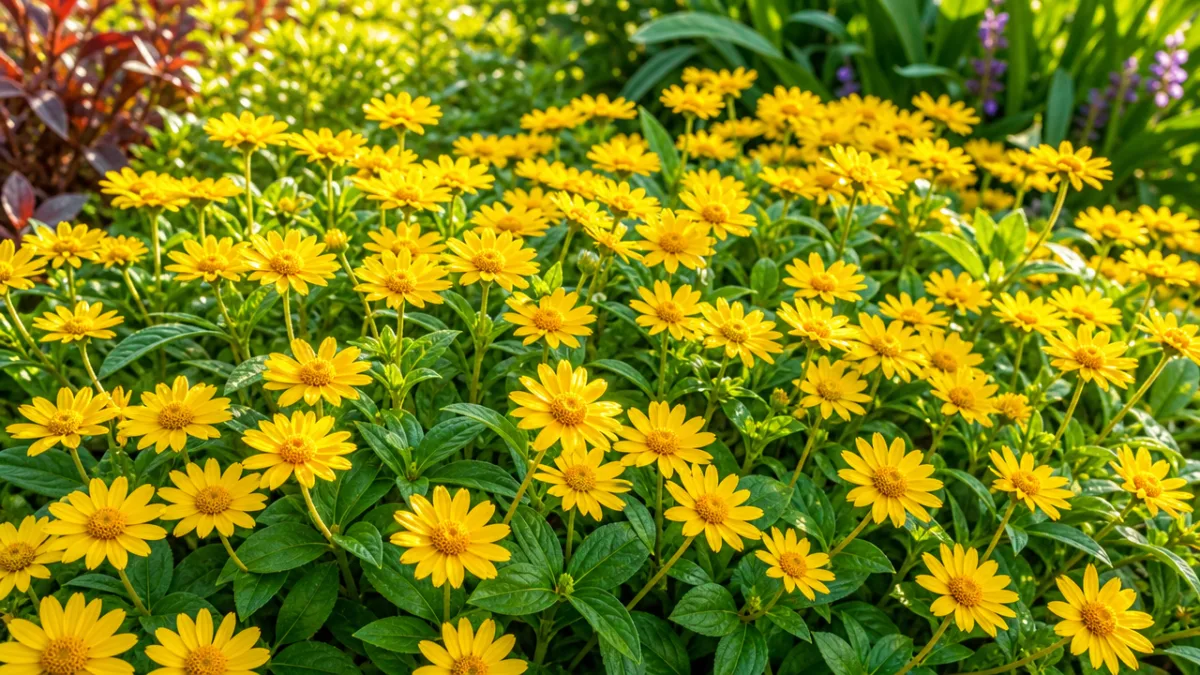
Melampodium, commonly known as butter daisy or blackfoot daisy, is a cheerful, sun-loving annual that has captured the hearts of gardeners across North America and beyond. Belonging to the Asteraceae family, this compact flowering plant produces an abundance of bright yellow, daisy-like blooms that resemble tiny pats of butter scattered across a lush green mound. Native to Mexico and Central America, melampodium has adapted remarkably well to a wide range of climates, making it one of the most versatile and reliable warm-season annuals available to home gardeners today.
The genus Melampodium includes several species, but the most widely cultivated for ornamental purposes is Melampodium paludosum, often sold simply as butter daisy. This particular species grows into a tidy, rounded mound typically reaching 12 to 18 inches in both height and width. The golden-yellow flowers measure about one inch across and feature a yellow center disk surrounded by cheerful ray petals, creating a continuous floral display from late spring all the way through the first frost of autumn. Unlike many flowering plants that bloom in flushes, butter daisy maintains an almost unbroken carpet of color throughout the entire growing season.
One of the most impressive qualities of melampodium is its self-cleaning nature. Unlike many annuals that require regular deadheading to maintain their appearance and encourage reblooming, butter daisy drops its spent flowers naturally and replaces them with fresh blooms without any intervention from the gardener. This characteristic, combined with its dense, mounding growth habit, makes it one of the lowest-maintenance flowering plants you can grow. Whether you are a seasoned horticulturist or a first-time gardener, melampodium rewards minimal effort with maximum visual impact throughout an entire season.
Growing Conditions and Ideal Environment for Butter Daisy
Melampodium is a heat-loving plant that thrives in full sun, requiring a minimum of six to eight hours of direct sunlight each day to perform at its best. In regions with intense afternoon heat, such as the American Southwest or the Gulf Coast states, plants may benefit slightly from a touch of afternoon shade, but as a general rule, more sun translates directly into more flowers. The plant originates from hot, seasonally dry regions of Mexico, and this heritage means it is exceptionally well-suited to warm summers that challenge less resilient flowering plants. Gardeners in USDA hardiness zones 9 through 11 can even grow melampodium as a short-lived perennial in mild winters.
Soil quality and drainage are critical factors in melampodium’s success. This plant performs best in well-draining soil with a slightly acidic to neutral pH ranging from 6.0 to 7.0. It is notably tolerant of poor, sandy soils and does not require rich, heavily amended garden beds to thrive. In fact, overly fertile or consistently wet soils can be detrimental, leading to excessive leafy growth at the expense of flowers or causing root rot. When planting in clay-heavy soils, it is advisable to amend the planting area with generous amounts of coarse sand, perlite, or fine gravel to improve drainage and prevent the waterlogging that can quickly devastate a planting.
Air circulation is another often-overlooked but genuinely important factor in growing healthy melampodium. Because the plant forms a dense mound, humidity can become trapped within the foliage if plants are spaced too closely together or positioned in low-lying areas where air stagnates. Proper spacing of 12 to 18 inches between plants allows adequate airflow, which significantly reduces the risk of fungal diseases such as powdery mildew or botrytis. When selecting a planting site, choose a location with good air movement and avoid placing plants directly against walls or fences that can restrict circulation and trap moisture against the foliage.
Planting Melampodium: Step-by-Step from Seed to Garden Bed
Starting melampodium from seed is an entirely achievable project for gardeners who want to grow large quantities at a fraction of the cost of purchasing transplants. Seeds should be started indoors approximately six to eight weeks before the last expected frost date in your region. Sow seeds in a quality seed-starting mix, pressing them lightly onto the surface of the dampened medium and covering with just a thin layer of vermiculite, as the seeds require some light to germinate well. Maintain soil temperatures between 70 and 75 degrees Fahrenheit for optimal germination, which typically occurs within seven to fourteen days under suitable conditions.
Once seedlings have developed their first true leaves and outdoor temperatures have reliably warmed above 55 degrees Fahrenheit both day and night, transplants can be hardened off and moved to the garden. Hardening off is an essential transition process that involves gradually acclimating indoor-grown seedlings to outdoor conditions over the course of seven to ten days. Begin by setting plants outdoors in a sheltered, partially shaded location for just a few hours per day, progressively increasing their exposure to sun and wind with each passing day. Transplanting without this adjustment period can cause transplant shock, temporarily stunting growth and delaying the onset of flowering.
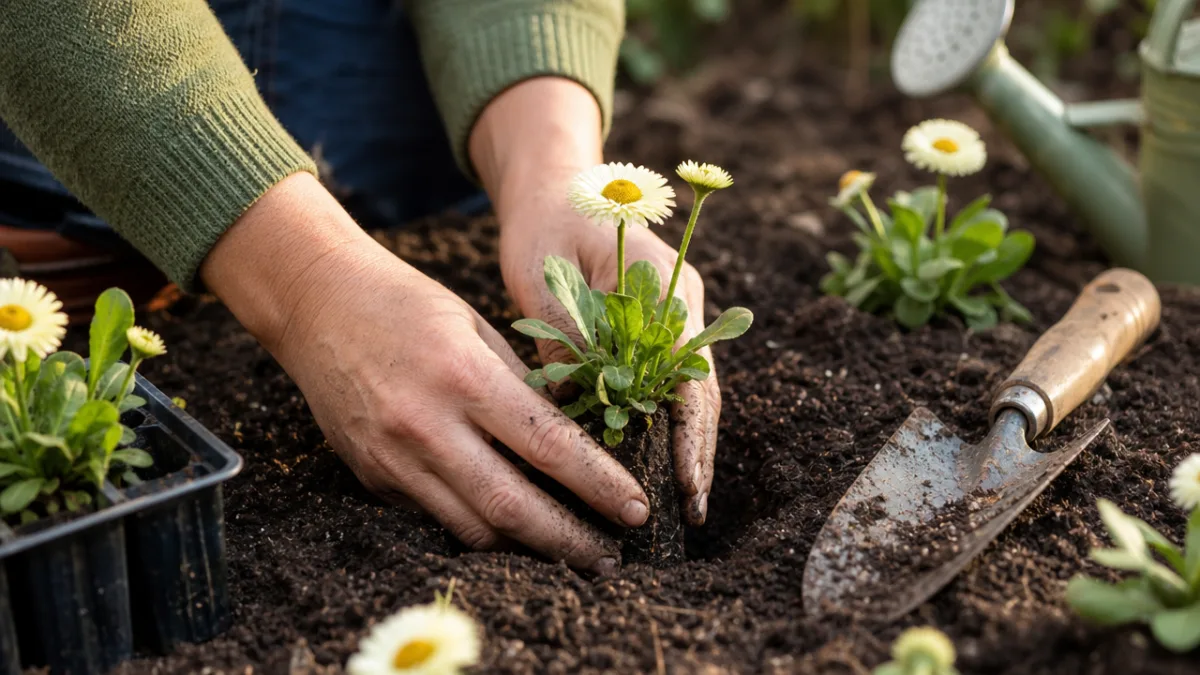
When setting transplants into the garden, dig holes slightly larger than the root ball and position each plant so that its crown sits at or slightly above the surrounding soil level. Planting too deeply can promote crown rot, particularly in heavier soils. Water transplants thoroughly at installation and provide consistent moisture for the first two weeks as roots establish and begin exploring the surrounding soil. After this initial establishment period, butter daisy becomes considerably more drought-tolerant and requires less frequent irrigation. A light application of slow-release granular fertilizer at planting time can provide a gentle nutritional foundation for the growing season ahead without encouraging the lush vegetative growth that excessive fertilization sometimes triggers.
Watering, Fertilizing, and Ongoing Maintenance
One of the great appeals of melampodium is its genuinely low maintenance requirements once it has established itself in the garden. In terms of watering, established plants are quite drought-tolerant and prefer to dry out somewhat between waterings rather than remaining consistently moist. A deep watering once or twice per week during hot, dry weather is generally sufficient for most garden situations. When watering, aim to deliver moisture directly to the root zone rather than overhead irrigation, which can promote fungal disease by keeping foliage wet for extended periods. Drip irrigation or soaker hoses are ideal delivery methods that keep flowers and leaves dry while ensuring roots receive the moisture they need.
Fertilization requirements for butter daisy are modest compared to many other flowering annuals. Because the plant is naturally adapted to lean soils, excessive feeding with nitrogen-rich fertilizers will produce lush, dark green foliage at the direct expense of flowering. A single application of a balanced, slow-release granular fertilizer such as a 10-10-10 formula incorporated into the soil at planting time is often sufficient for the entire season. If plants show signs of nutrient deficiency midseason, such as pale or yellowing leaves, a diluted application of liquid balanced fertilizer can provide a gentle boost. However, restraint is genuinely the better approach with this particular plant.
As mentioned earlier, melampodium is self-cleaning and does not require deadheading to maintain its blooming performance. However, if plants become leggy or overgrown in midsummer, a light shearing back by one-third can reinvigorate growth and encourage a fresh flush of compact new growth and blooms. This pruning is rarely necessary but can be a useful technique in regions with very long growing seasons where plants may tire by late summer. Always use clean, sharp pruning tools to make smooth cuts, and consider pruning in the morning so that cut surfaces have the entire day to dry before cooler, moister nighttime conditions arrive that could promote disease entry through fresh wounds.
Landscape Uses and Design Applications for Melampodium
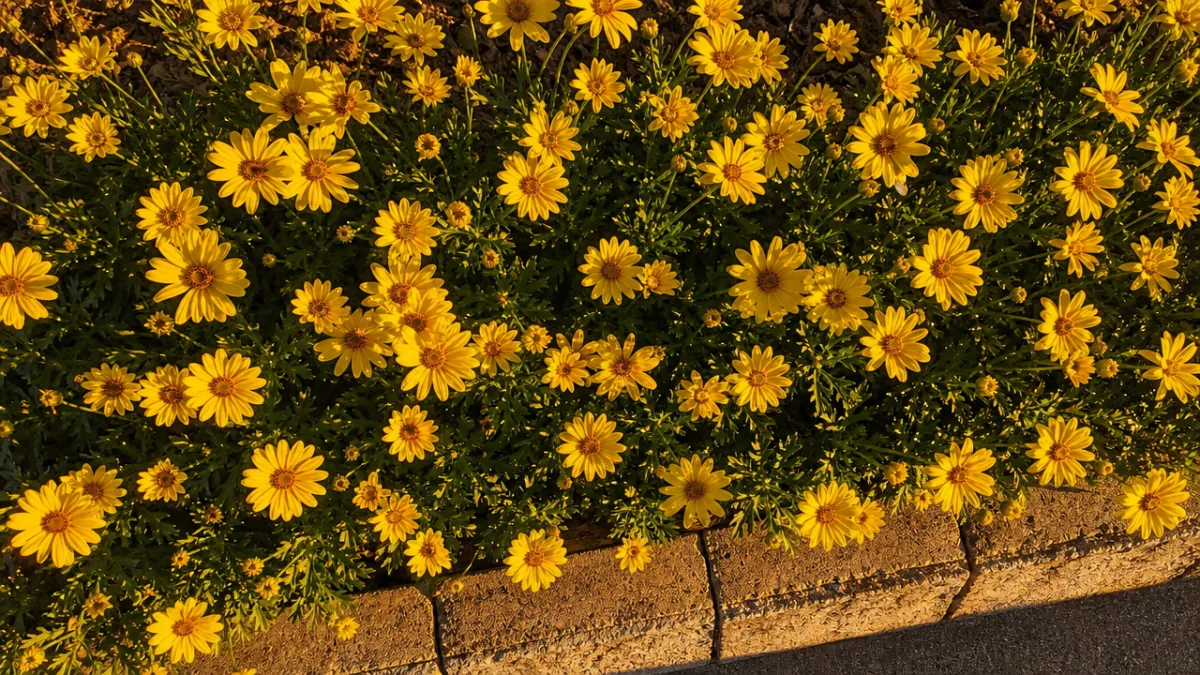
Butter daisy is a remarkably versatile plant in the landscape that lends itself to a wide variety of design applications and companion planting combinations. Its cheerful golden color and compact, mounding habit make it an outstanding choice for massed plantings along borders, pathways, and driveways, where drifts of yellow create bold, eye-catching displays throughout the summer months. The plant’s consistent size and tidy growth habit make it particularly well-suited to formal garden designs that benefit from uniform, predictable plant behavior. When planted in groups of three, five, or seven, melampodium creates visually impactful swaths of continuous color that anchor the landscape throughout the season.
Container gardening is another area where melampodium truly excels. Its compact size, self-cleaning nature, and long bloom season make it an ideal candidate for pots, window boxes, and hanging baskets either as a single-variety planting or as a companion to taller thriller plants and trailing spillers. The bright yellow blooms contrast beautifully with blue or purple flowering companions such as salvia, angelonia, or ageratum, creating color combinations that are visually dynamic and professionally polished. In containers, however, watering frequency must increase significantly compared to in-ground plantings, as pots dry out much more rapidly, particularly in full summer sun.
Melampodium also plays a supportive ecological role in the garden by attracting and supporting pollinating insects. The open, accessible flower structure makes the nectar and pollen readily available to a variety of native bee species, butterflies, and other beneficial insects. Including butter daisy in a pollinator garden or as an edging plant around a vegetable garden can increase the presence of beneficial insects that contribute to the pollination of food crops and the control of pest populations. Below is a summary of the most popular landscape uses for this versatile plant:
- Mass plantings: Use as a ground-covering annual in large beds or along slopes where bold, continuous color is desired throughout summer.
- Border edging: The compact, uniform mounding habit makes melampodium ideal for defining the edges of garden beds, paths, and driveways.
- Container combinations: Pair with taller plants like ornamental grasses or salvia as the “filler” component in thriller-filler-spiller container designs.
- Pollinator gardens: Include in wildlife-friendly garden designs to attract native bees, butterflies, and other beneficial insects.
- Foundation plantings: Use along building foundations to provide long-season color in hot, sunny exposures where many plants struggle.
Common Pests, Diseases, and Troubleshooting Tips
Despite its generally robust constitution, melampodium can occasionally encounter pest and disease challenges that require attention. Powdery mildew is perhaps the most commonly reported disease problem, presenting as a white or gray powdery coating on the surfaces of leaves and stems. This fungal condition is most prevalent during periods of high humidity combined with warm temperatures, particularly when air circulation around plants is poor. Prevention through proper plant spacing and site selection is far more effective than treatment after the fact, but if powdery mildew does appear, applications of neem oil or a potassium bicarbonate-based fungicide can help slow its progression.
In terms of insect pests, melampodium is relatively resistant to most common garden insects, which is one of its significant practical advantages over more susceptible flowering annuals. However, spider mites can become problematic during extended hot, dry spells, particularly when plants are drought-stressed. These tiny pests feed on the undersides of leaves, causing a characteristic stippling or bronzing of foliage as they extract plant cell contents. A strong spray of water applied to the undersides of affected leaves can dislodge and reduce mite populations effectively. In more severe cases, insecticidal soap or neem oil applications provide additional control without harming beneficial insect populations.
Root rot caused by overly wet or waterlogged soil conditions represents the most serious and typically fatal problem that butter daisy gardeners encounter. Plants affected by root rot initially display wilting that does not respond to watering, followed by yellowing and eventual collapse of the entire plant. Unfortunately, once root rot has progressed to the point of visible symptoms, recovery is rarely possible and affected plants should be removed and discarded rather than composted. Prevention is straightforward: plant melampodium only in well-draining soils, avoid overwatering, and never allow standing water to accumulate around plant crowns. Below are the most common problems and their solutions at a glance:
- Powdery mildew: Improve air circulation, reduce overhead watering, and apply neem oil or potassium bicarbonate fungicide if needed.
- Spider mites: Spray foliage undersides with water; apply insecticidal soap or neem oil for heavier infestations.
- Root rot: Improve drainage immediately; remove and discard severely affected plants to prevent spread.
- Leggy growth: Ensure plants receive full sun and avoid excess fertilization; shear back by one-third in midsummer if needed.
- Poor flowering: Check sun exposure and reduce nitrogen fertilizer applications; ensure soil is not overly rich or waterlogged.
Popular Varieties and Cultivar Selection Guide
Plant breeders have developed a number of excellent melampodium cultivars that offer refined characteristics such as improved heat tolerance, more compact growth habits, and enhanced flower production compared to the original species. Understanding the distinctions between available varieties helps gardeners select the right plant for specific landscape applications and regional growing conditions. The variety landscape has expanded considerably over the past two decades, giving consumers meaningful choices when shopping at garden centers or browsing seed catalogs in late winter and early spring.
‘Showstar’ is one of the most widely available and consistently reliable melampodium cultivars, forming a dense mound of 10 to 14 inches with a prolific display of two-inch golden blooms. It is particularly well-regarded for its exceptional heat and drought tolerance, making it an outstanding choice for gardeners in the hotter regions of the Sun Belt states. ‘Million Gold’ is another popular series prized for its compact 10-inch habit and extremely early flowering, which makes it well-suited to shorter northern growing seasons where maximizing bloom time within a compressed window is a priority. ‘Lemon Delight’ offers a softer, lighter yellow flower color that pairs beautifully with white or lavender flowering companions in mixed plantings.
For gardeners seeking taller specimens suitable for the middle or back of a border planting, ‘Medallion’ grows to an impressive 18 to 24 inches and produces large, three-inch flowers that create a bold, tropical-feeling display in the summer garden. When selecting any melampodium variety, consider not only the mature size but also the intended use, companion plants, and the specific climate challenges of your region. Reading variety trials conducted by university cooperative extension programs in your state is an excellent way to identify cultivars that have demonstrated superior performance under local growing conditions before committing to a full-season planting investment.
Saving Seeds and End-of-Season Care
One of the delightful bonuses of growing melampodium is the relative ease with which seeds can be collected at the end of the growing season for replanting the following year. As the season winds down and plants begin to set seed more heavily than they bloom, seed heads can be allowed to mature fully on the plant before collection. The seeds are contained within small, dry achene structures that develop behind each spent flower head. Allow the seed heads to dry completely on the plant, then snip them into a paper bag and crush gently to separate seeds from chaff. Store collected seeds in a cool, dry location inside paper envelopes or small glass jars until planting time arrives the following spring.
It is worth noting that seeds saved from hybrid cultivars may not produce offspring identical to the parent plant, as hybrid varieties are typically bred by crossing two distinct parent lines and the resulting seeds carry genetic variability. Open-pollinated or heirloom varieties, if available, are a better choice for gardeners who prioritize seed saving as part of their gardening practice. Regardless of the variety, fresh seeds collected from the current season consistently outperform older stored seeds in terms of germination rates and seedling vigor, so it is best to use collected seed within one to two years of harvest for optimal results.
As the first frost approaches and melampodium plants begin to decline, there are several end-of-season tasks worth attending to for the benefit of future plantings. Removing spent plant material promptly rather than leaving it in the bed over winter reduces the overwintering habitat available to insect pests and fungal disease spores that might otherwise emerge to challenge next year’s plantings. Turn the garden bed with a fork or spade, incorporating any remaining plant debris into the soil where microbial activity will break it down over the winter months. A light application of compost worked into the bed at this time will restore organic matter and improve soil structure in preparation for the next season of planting and growth.








What do you think?
It is nice to know your opinion. Leave a comment.