










Honeysuckle Flower: A Complete Guide to Nature’s Sweet Treasure
The Enchanting World of Honeysuckle
Few flowers in the natural world capture the imagination quite like honeysuckle. With its delicate, tubular blossoms and intoxicating fragrance that seems to intensify as evening falls, honeysuckle has charmed gardeners, poets, and nature lovers for centuries. Belonging primarily to the genus Lonicera, honeysuckle encompasses more than 180 species of shrubs and climbing vines that grow across temperate regions of the Northern Hemisphere, each offering its own unique variation of beauty and scent.
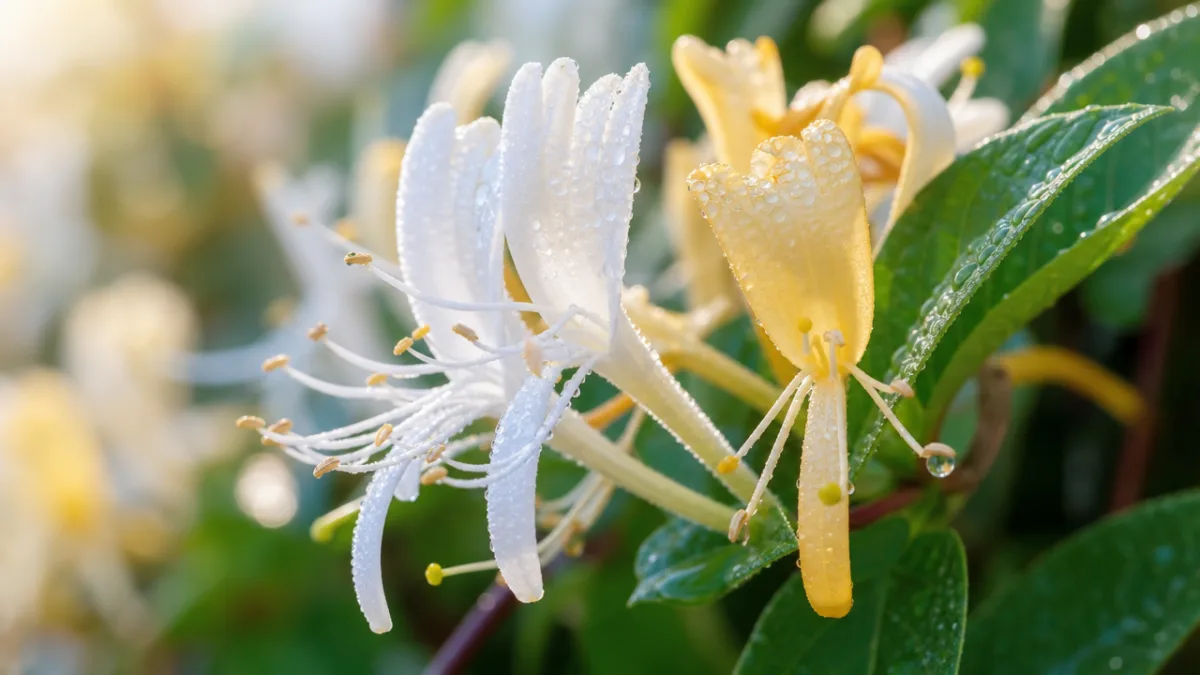
The name “honeysuckle” itself tells a story of childhood wonder and simple pleasures. Children and adults alike have long been drawn to gently pull the pistil through the base of the flower to release a single, sweet drop of nectar — a ritual that connects generations to the natural world in the most direct and sensory way possible. This accessible sweetness, freely offered by the plant to anyone who stops long enough to discover it, makes honeysuckle a uniquely democratic flower, beautiful and rewarding to everyone regardless of horticultural expertise.
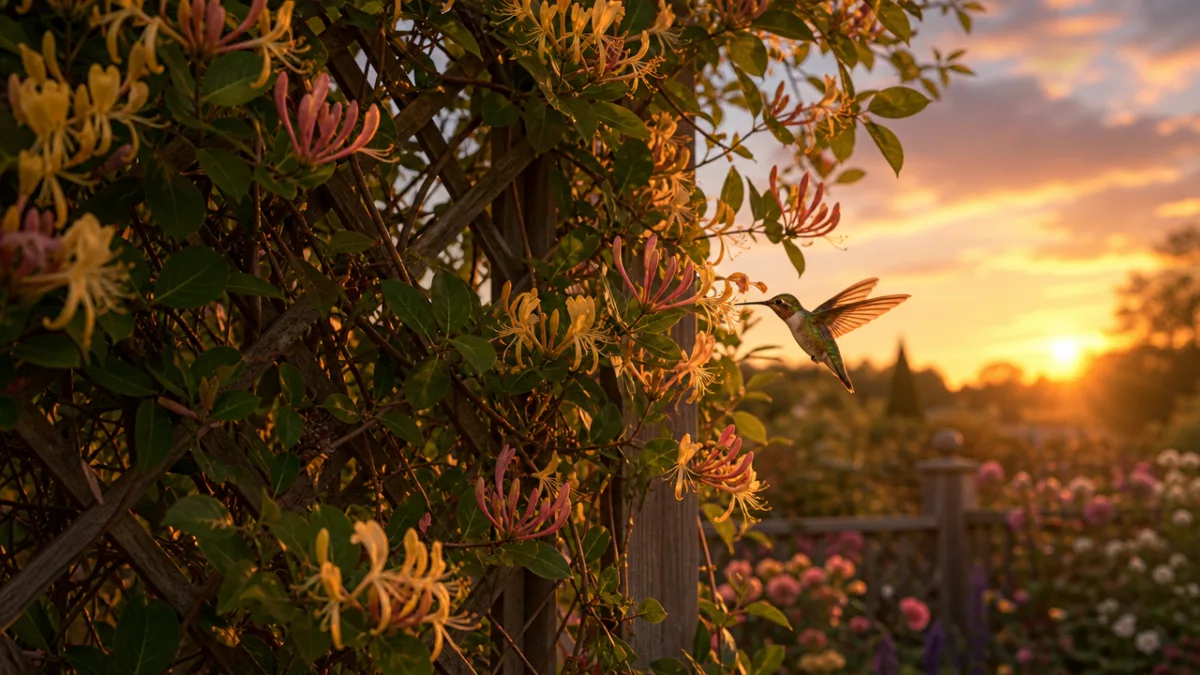
Beyond their immediate sensory appeal, honeysuckle flowers occupy a fascinating ecological niche. Their long, narrow tubes are perfectly shaped for the long tongues and bills of hummingbirds and certain moth species, while their rich nectar stores also attract bees and butterflies. This intricate web of relationships between the flower and its pollinators represents millions of years of co-evolution, a living testament to the extraordinary complexity hidden within what appears, at first glance, to be a simple, cheerful bloom.
Botanical Characteristics and Species Diversity
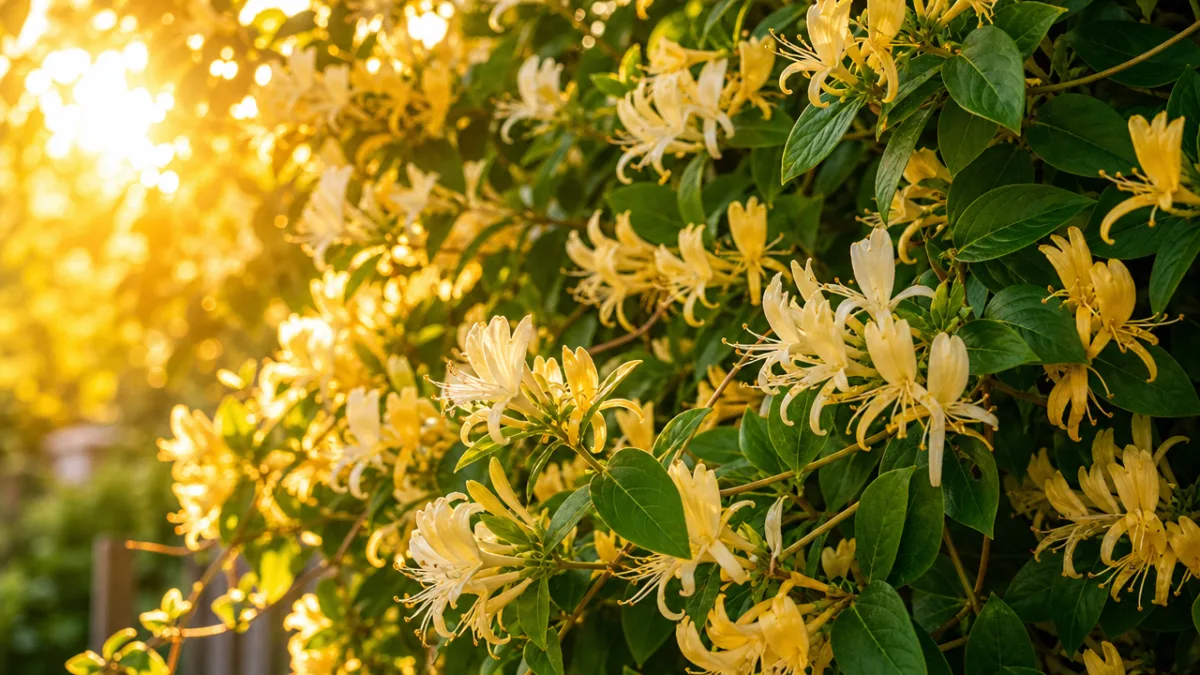
Honeysuckle plants exhibit a remarkable range of growth habits, from vigorous twining climbers that can scale treetops to compact, rounded shrubs suited to formal garden borders. The most commonly encountered species in gardens and wild landscapes include Lonicera japonica, the Japanese honeysuckle with its creamy white and yellow bicolored flowers; Lonicera periclymenum, the native European woodbine with rich pink and cream blossoms; and Lonicera sempervirens, the trumpet honeysuckle bearing spectacular coral-red flowers beloved by hummingbirds across North America.
The leaves of most honeysuckle species are opposite, meaning they emerge in pairs on either side of the stem, and often display a pleasing blue-green hue on their undersides. Some species produce perfoliate leaves near the stem tips, where the stem appears to pass directly through the center of a fused pair of leaves — a distinctive botanical feature that makes certain honeysuckles immediately identifiable even without flowers present. The bark of mature stems develops an attractive shredding or peeling texture that adds winter interest to a garden even after the growing season has ended.
Flowering time varies considerably across species, giving gardeners the opportunity to create a succession of honeysuckle blooms that can extend from late spring well into autumn. Early-blooming varieties begin their display in May, while late-season cultivars such as Lonicera x tellmanniana continue producing flowers deep into summer. Many species also offer the bonus of decorative berries following the flowers — glossy red, orange, black, or blue clusters that provide valuable food for birds during the lean months of autumn and early winter.
Growing Conditions and Cultivation Tips
Honeysuckle is celebrated among gardeners for its accommodating nature and relative ease of cultivation. Most species thrive in a wide range of soil types, from sandy and well-drained to moderately clay-heavy, provided the soil is not waterlogged for extended periods. A neutral to slightly acidic pH generally produces the best results, though many varieties show impressive tolerance for both slightly alkaline soils found in limestone regions and the more acidic conditions typical of woodland gardens and areas with heavy rainfall.
When it comes to light requirements, honeysuckle performs best with its roots in shade and its flowering stems reaching into full sun or dappled light — a preference often described as “head in sun, feet in shade.” This growing habit makes honeysuckle particularly well suited to covering fences, trellises, and pergolas on the sunnier sides of buildings where the base of the structure can be kept cool and moist with the help of a thick mulch layer or the presence of lower-growing companion plants that shade the soil surface effectively.
Watering needs are moderate, with established plants showing considerable drought tolerance once their root systems have had a season or two to develop fully. During the first growing season after planting, regular watering is essential to help the plant establish, particularly during dry spells. After that initial establishment period, rainfall in most temperate climates provides sufficient moisture, though supplementary irrigation during prolonged dry summers will encourage more prolific flowering and help prevent the plant from entering early dormancy before it has had the chance to reach its full seasonal potential.
Feeding honeysuckle is straightforward and rewarding. A balanced granular fertilizer applied in early spring as growth begins, followed by a second application in early summer, supports vigorous growth and abundant flowering. Some gardeners prefer to use a high-potassium feed similar to tomato fertilizer during the flowering season, as the elevated potassium levels encourage flower production and improve the resilience of the plant during periods of stress. Avoid excessive nitrogen feeding, which tends to promote lush leafy growth at the expense of flowers — the opposite of what most gardeners desire.
Pruning, Training, and Maintenance
One of the questions most frequently asked by honeysuckle growers is when and how to prune, as neglected plants can become untidy tangles of old wood that flower poorly and look decidedly uninspiring. The approach to pruning depends largely on the species and its specific flowering habit. Varieties that flower on the current season’s growth should be pruned in late winter or early spring before new growth begins, while those that flower on the previous year’s wood are best pruned lightly immediately after flowering to give the plant a full growing season to develop the stems that will carry next year’s blooms.
For climbing honeysuckles that have become overgrown or congested, a more drastic rejuvenation pruning is sometimes necessary. This involves cutting the entire plant back to within 30 to 60 centimeters of the ground in late winter. While this approach may seem alarming to those who have not tried it, most vigorous honeysuckle species respond with remarkable enthusiasm, producing a flush of strong new growth within weeks and typically returning to full flowering within one to two seasons. This hard pruning also provides an excellent opportunity to retrain the plant against its support in a more organized and aesthetically pleasing manner.
Training climbing honeysuckles correctly from the outset saves considerable effort in later years. Young stems should be tied in regularly using soft garden twine or purpose-made plant ties, guided horizontally or at gentle angles across the support structure wherever possible. Horizontal training encourages the plant to produce flowering side shoots along its entire length rather than concentrating all growth and flowers at the top of a bare, unattractive framework of stems. Regular inspection and adjustment of ties throughout the growing season, combined with the removal of any dead or damaged stems, keeps the plant looking its best with minimal overall effort.
- Tie in new stems every few weeks during the growing season to prevent wind damage and maintain an even coverage across the support structure.
- Remove dead or crossing stems in late winter to improve airflow and reduce the risk of disease.
- Apply a thick mulch of well-rotted compost or bark chips around the base each spring to conserve moisture and suppress weeds.
- Check regularly for signs of aphid infestation, particularly on soft new growth tips, and treat promptly with an appropriate insecticidal spray or by encouraging natural predators such as ladybirds and lacewings.
- Deadhead spent flowers on shrubby species if berries are not desired, to encourage continued flowering rather than seed production.
Medicinal and Culinary Uses Through History
Honeysuckle has occupied an important place in traditional medicine across cultures for thousands of years. In Chinese medicine, Lonicera japonica, known as Jin Yin Hua or “gold-silver flower,” has been used for over a thousand years as an anti-inflammatory and fever-reducing remedy. Traditional practitioners prescribed preparations made from the flowers and leaves to treat respiratory infections, digestive disorders, and skin conditions, as well as to support the body during fevers and to clear what Chinese medical theory describes as heat and toxins from the system.
Western herbal traditions have similarly valued honeysuckle for its therapeutic properties. European herbalists historically recommended preparations of the bark, leaves, and flowers for treating asthma, urinary complaints, and liver disorders. The berries, while toxic when consumed in quantity, were used externally in some folk traditions as a treatment for minor skin irritations. Modern scientific research has begun to validate some of these traditional uses, with studies identifying significant concentrations of compounds including chlorogenic acid, luteolin, and various iridoids that demonstrate genuine antimicrobial, anti-inflammatory, and antioxidant activity in laboratory settings.
In the culinary world, honeysuckle flowers have found a charming niche as an ingredient that brings fragrance and delicate sweetness to a variety of preparations. The flowers can be infused into simple syrups to create the basis for cocktails, lemonades, and sophisticated dessert sauces. They can be used to flavor homemade jellies and jams, or steeped in warm cream before it is churned into ice cream. Some creative bakers incorporate the flowers into cake batters or use them to fragrance whipped cream and buttercream frosting. Honeysuckle flower tea, made by steeping fresh or carefully dried blossoms in hot water, produces a subtly floral, lightly sweet infusion with an aroma that genuinely captures the essence of a warm summer evening.
It is important, however, to approach the culinary use of honeysuckle with appropriate care and knowledge. While the flowers and nectar of most Lonicera species are safe for consumption in moderate quantities, the berries of many species are toxic and should never be eaten. The level of toxicity varies between species, meaning that positive identification of the specific plant before any culinary use is absolutely essential. Foragers and home cooks alike should consult authoritative identification resources and, when in doubt, restrict their use to commercially grown or clearly identified garden plants rather than relying on wild-collected material of uncertain provenance.
Ecological Importance and Wildlife Value
In both cultivated and wild landscapes, honeysuckle plants function as ecological powerhouses that support an extraordinary range of wildlife. The flowers provide nectar and pollen to a diverse community of pollinating insects including bumblebees, honeybees, numerous species of hoverflies, and a variety of butterfly species. Long-tongued moths, particularly the impressive elephant hawk-moth, are especially associated with honeysuckle and are attracted to the flowers by their intensified evening fragrance — a characteristic that makes honeysuckle a particularly valuable plant for supporting nocturnal pollinator populations that are often overlooked in conservation discussions focused primarily on daytime insects.
The dense, twiggy growth habit of both climbing and shrubby honeysuckle species makes them valuable nesting sites for a range of bird species. Blackbirds, song thrushes, robins, and several warbler species all regularly select honeysuckle tangles as nest locations, attracted by the combination of physical shelter and the proximity of insect food sources associated with the plant. The use of honeysuckle bark strips as a nesting material by several small bird and mammal species adds another dimension to the plant’s ecological contributions — dormice, in particular, are known to use strips of honeysuckle bark as a key component in the construction of their spherical summer nests.
The berries that follow the flowers in late summer and autumn represent a vital food resource for migratory and resident birds alike. Warblers, thrushes, and flycatchers consume honeysuckle berries enthusiastically before and during their autumn migrations, using the energy-rich fruits to fuel their journeys. By including honeysuckle in garden planting schemes, even urban gardeners can play a meaningful role in supporting these migratory species at a time of year when natural food supplies are beginning to diminish and the demands of long-distance flight make reliable food sources particularly important for bird survival.
- Plant native honeysuckle species such as Lonicera periclymenum wherever possible, as native species support a greater diversity of associated insects and wildlife than introduced varieties.
- Allow some old stems to remain unpruned through winter to provide shelter and hibernation sites for invertebrates such as ladybirds and lacewing larvae.
- Avoid using systemic pesticides on or near flowering honeysuckle, as these can harm the bees and other beneficial insects that visit the flowers.
- Combine honeysuckle with other native flowering plants to create a year-round succession of nectar and berry resources for wildlife.
Symbolism, Cultural Significance, and Garden Design
Throughout history and across cultures, honeysuckle has accumulated a rich tapestry of symbolic meanings that reflect its sensory abundance and the way it weaves itself through the landscape and through human experience. In the language of flowers, that elaborate Victorian system of floral communication, honeysuckle traditionally represents devoted affection, happiness, and the bonds of love. Its twining nature — the way it wraps itself around supports and other plants in a tenacious, enduring embrace — made it a natural symbol for lasting bonds and faithful attachment, and it appears frequently in the poetry and art of the Romantic period as an emblem of passionate, persevering love.
In Celtic traditions, honeysuckle was associated with protection and good fortune, and it was sometimes planted near homes or woven into garlands to ward off negative influences. Japanese artistic traditions have long celebrated the plant’s graceful form and seasonal beauty, incorporating honeysuckle motifs into textile designs, ceramics, and woodblock prints where it represents the transient pleasures of summer and the rewards of patient attention to the natural world. These rich cultural associations continue to resonate in contemporary garden design and in the way that many people describe their emotional response to encountering honeysuckle in bloom — a combination of nostalgia, pleasure, and a sense of connection to something larger than themselves.
From a practical garden design perspective, honeysuckle offers extraordinary versatility that few other plants can match. Climbing varieties can be used to soften hard architectural features such as walls, fences, and pergolas, creating a living screen that changes character with the seasons. Shrubby species work beautifully as informal hedging, as specimen plants in mixed borders, or as ground cover on banks and slopes where their spreading habit helps control erosion. Fragrant varieties positioned near seating areas, open windows, or garden entrances allow their scent to be enjoyed to the fullest, transforming everyday outdoor spaces into sensory experiences that engage and delight all who pass through them. When combined thoughtfully with complementary climbing plants such as clematis and roses, honeysuckle contributes to garden compositions of remarkable beauty and ecological richness that reward observation throughout the entire growing season.








What do you think?
It is nice to know your opinion. Leave a comment.