










Ludwigia sedioides: The Enchanting Mosaic Flower of Aquatic Gardens
Introduction to Ludwigia sedioides
If you’ve ever come across Ludwigia sedioides — commonly called the Mosaic Flower or Mosaic Plant — floating on the surface of a pond, you probably did a double take. It’s one of those plants that genuinely stops people in their tracks. Native to the freshwater lakes and slow-moving rivers of South America, particularly Venezuela and Brazil, it has been winning over botanists, horticulturists, and backyard pond keepers for generations. And honestly, it’s not hard to see why.
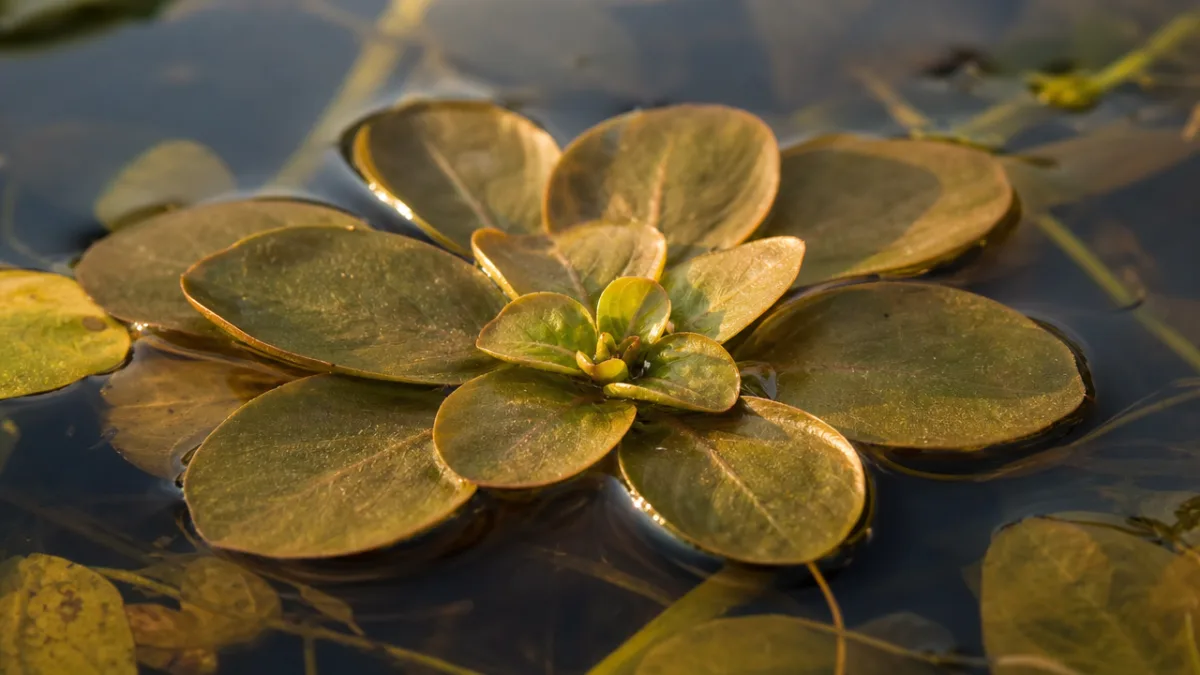
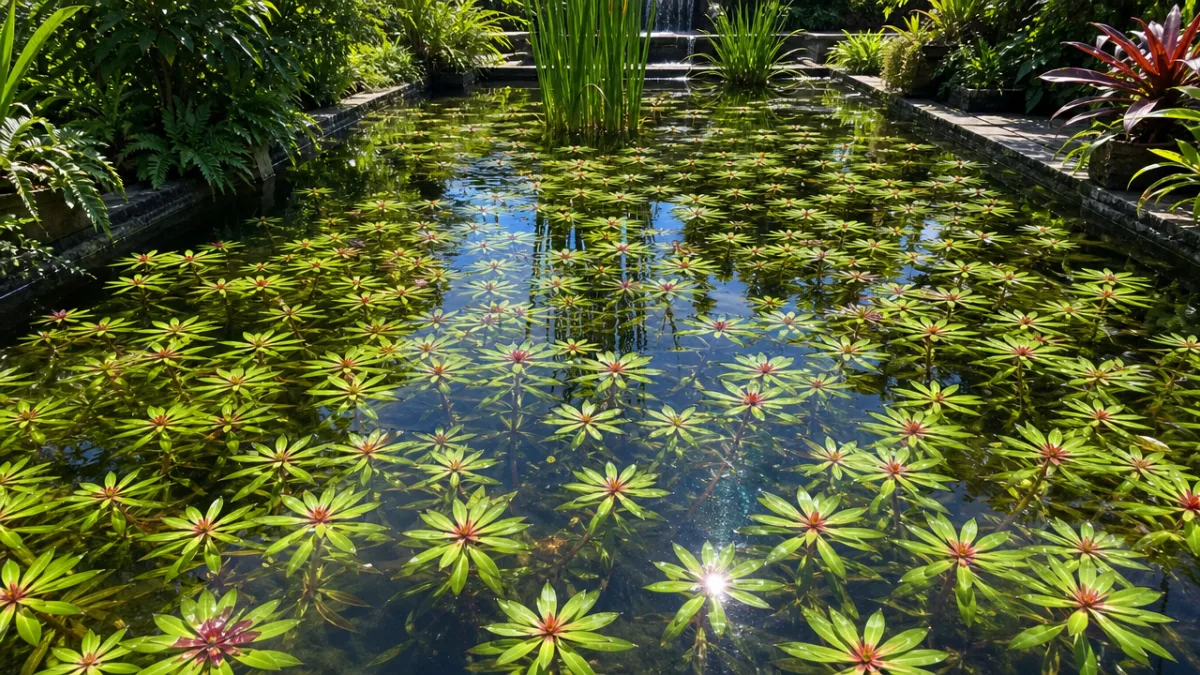
What makes this plant so special is its floating rosette structure. The leaves radiate outward from a central stem in a perfectly symmetrical diamond pattern, creating something that honestly looks too precise to have grown naturally. Those small, red-tipped green leaves lie flat on the water in circular geometric arrangements — almost like a living mandala or an intricately tiled mosaic. It’s the kind of plant that makes you wonder how evolution managed to come up with something so mathematically satisfying.
But the Mosaic Flower isn’t just a pretty face. As a member of the family Onagraceae — the same family as evening primroses and fuchsias — it pulls its ecological weight too. In its native habitats it provides surface cover that keeps algae in check, shelters small aquatic creatures, and helps moderate water temperature. During the growing season it also puts out small yellow flowers above the water’s surface, giving pollinators something to visit. It’s a plant that earns its place in any pond, both visually and ecologically.
Botanical Characteristics and Identification
The signature feature of Ludwigia sedioides is that extraordinary floating rosette, which can reach anywhere from 15 to 30 centimeters across when fully grown. Up close, you can see that it’s made up of many small diamond-shaped leaves, each one typically between 1 and 3 centimeters long, interlocking tightly with its neighbors to build up that geometric mosaic effect. The upper surface of each leaf is a deep, rich green, while the edges and undersides pick up warm shades of red, orange, or bronze — especially when the plant is getting plenty of sun.
The stem is slender and can stretch down into surprisingly deep water while keeping the rosette sitting perfectly level at the surface. This lets the plant grow comfortably in anything from a few centimeters of water to well over a meter. Below the surface, the stem also produces a set of much simpler, smaller leaves that look completely different from the decorative rosette above — a phenomenon called heterophylly, which is pretty common in aquatic plants that need to function in both submerged and surface conditions at the same time.
The flowers are modest but charming. Each one is small and cup-shaped with four bright yellow petals, measuring about 1.5 centimeters across, and they appear one at a time from the leaf axils just above the waterline throughout the warm months. They’re not going to steal the show from that geometric rosette, but the cheerful yellow provides a lovely contrast against all that green and red. After pollination the plant sets small seed capsules, which can enable natural reproduction wherever conditions are right.
- Leaf arrangement: Precisely geometric, diamond-shaped rosette pattern up to 30cm in diameter
- Leaf color: Green upper surface with red, orange, or bronze tones at edges and undersides
- Flower color: Bright yellow, four-petaled, approximately 1.5cm across
- Stem length: Variable, adaptable to water depths from a few centimeters to over one meter
- Family: Onagraceae (related to evening primroses and fuchsias)
- Native range: South America, particularly Venezuela and Brazil
Growing Conditions and Environmental Requirements
Getting Ludwigia sedioides to really thrive means understanding what its life is like back home in South America — warm, shallow, nutrient-rich water with intense tropical sun beating down on it all day. The closer you can get to those conditions, the better it’s going to look. Temperature is probably the single biggest factor to get right. This is a true tropical plant, and it will struggle if water temperatures dip below 18°C. To really see it at its best, you want the water staying consistently between 22°C and 30°C throughout the growing season.
Sun is equally non-negotiable. This is not the plant for a shaded corner of the garden or a dimly lit aquarium. It wants at least six to eight hours of direct sunlight every day. Without enough light, the rosette starts to loosen up and lose its crisp geometric shape, the beautiful red coloration fades out to a rather uninspiring dull green, and growth slows right down. In temperate climates, the long sunny days of midsummer are really when this plant comes alive and puts on its best show.
Water quality matters too. The Mosaic Flower likes slightly acidic to neutral conditions, ideally somewhere between pH 6.0 and 7.5, and it does much better in still or very gently moving water where the rosettes won’t get knocked about by currents. Some fertility in the water is helpful since the plant feeds through its roots and stem, but going overboard with nutrients tends to encourage algae more than it helps the plant — and nobody wants their geometric masterpiece smothered in green slime. Finding that balance is really the art of growing this one successfully over the long term.
Cultivation in Ponds and Water Gardens
In temperate regions, most gardeners treat Ludwigia sedioides as a seasonal annual — putting it out after the last frost when the water has warmed above 20°C, then either bringing it inside before autumn or letting it finish its cycle and starting fresh the following year. In tropical and subtropical climates where it stays warm year-round, the plant can be kept going as a perennial, and established root systems will push out larger, more impressive rosettes with each passing season. Either way, the display you get is well worth the care you put in.
Getting the plant established in a pond is pretty simple. You can place young plants or rooted cuttings into a shallow container of aquatic planting mix sitting at the pond bottom, or you can just float them freely in nutrient-rich water and let them feed directly from the water column. Free-floating plants often take off surprisingly fast under good conditions, branching and spreading until you end up with clusters of interlocking rosettes forming a breathtaking geometric carpet across the water’s surface.
The main maintenance task is keeping growth in check. In warm, sunny conditions with good nutrition, these plants multiply quickly — elongating stems, branching, and potentially covering large stretches of water in a single season. That exuberant spread is part of what makes the display so impressive, but left completely unchecked it can shade out other aquatic plants and reduce oxygen exchange at the surface. Plan on doing some regular thinning, pulling out any dead or tired-looking rosettes, and keeping an eye on overall density so everything stays healthy and balanced.
- Choose a sunny, sheltered location in your pond with minimal water movement
- Wait until water temperatures are consistently above 20°C before introducing plants
- Plant in shallow aquatic substrate or allow to float freely in nutrient-rich water
- Monitor growth regularly and thin plants when rosettes begin to crowd each other
- Watch for signs of nutrient deficiency such as pale coloration or loose rosette structure
- In temperate climates, bring plants indoors before the first autumn frost
Overwintering and Indoor Cultivation
For gardeners in cooler climates, one of the most practical questions around the Mosaic Flower is how to keep it going through winter so you’re not buying new plants every spring. The most reliable approach is to bring a few stems or small plants inside before nighttime temperatures start dropping below 15°C — usually late summer to early autumn depending on where you live. Once inside, they can be kept in a warm aquarium or a large glass container set in the sunniest window you have, or even better, under a good set of full-spectrum grow lights that make up for the lack of outdoor sun.
Wintering them indoors is genuinely doable, though it takes a bit more attention than summer pond life. You’ll need to keep the water temperature consistently above 20°C, which might mean running an aquarium heater if your home runs cool. Lighting is usually the trickier challenge — even the best window simply doesn’t match what the plant gets outside on a summer day. Full-spectrum LED or fluorescent grow lights positioned close to the water surface can bridge that gap well enough to keep your plants in good health and even growing modestly through the darker months.
Getting overwintered plants back outside in spring is one of those genuinely satisfying moments in the water gardening calendar. As the water warms back up past 20°C and the long sunny days return, plants that made it through the winter indoors seem to visibly perk up — the rosettes tighten, the red tipping intensifies, and growth picks up pace as they readjust to real sunlight and warmth. Plants that have been overwintered often hit the ground running in spring and outpace freshly purchased ones, which makes the winter effort feel worthwhile if you’re serious about this plant.
Ecological Significance and Conservation
Back in its native South American waterways, Ludwigia sedioides does a lot more than look beautiful. The dense floating mats that established colonies form are genuinely important habitat for all sorts of small aquatic life — invertebrates, juvenile fish, amphibian larvae — that use the shelter of those root tangles hanging below the surface to hide from predators and find food. So while we tend to grow it for its looks, within its home ecosystem it’s a genuinely functional piece of the puzzle that supports broader freshwater biodiversity.
Unfortunately, like a lot of specialized aquatic plants, it faces real pressure in parts of its native range. Habitat degradation, water pollution, and changes to water flow caused by dams and drainage projects all threaten the shallow, warm, slow-moving waters it depends on — which happen to be exactly the kinds of freshwater habitats that tend to get modified or drained first when land is developed. The species isn’t currently on the global threatened list, but localized losses have been documented where habitat has been heavily altered, and that’s a good reminder that healthy freshwater ecosystems matter for far more than just the species we can see on the surface.
There’s also an interesting flip side to consider. While Ludwigia sedioides struggles in parts of its native range, it could potentially become a problem if it escapes into the wild elsewhere. Several related Ludwigia species have already turned invasive in parts of Europe, North America, and Asia, spreading aggressively through warm freshwater habitats and pushing out native vegetation. It’s worth being mindful of this if you’re growing it in a temperate climate — make sure any discarded plant material gets composted or properly disposed of rather than tipped into a nearby stream or waterway, where it could potentially get a foothold.
Aesthetic Appeal and Design Applications in Water Gardens
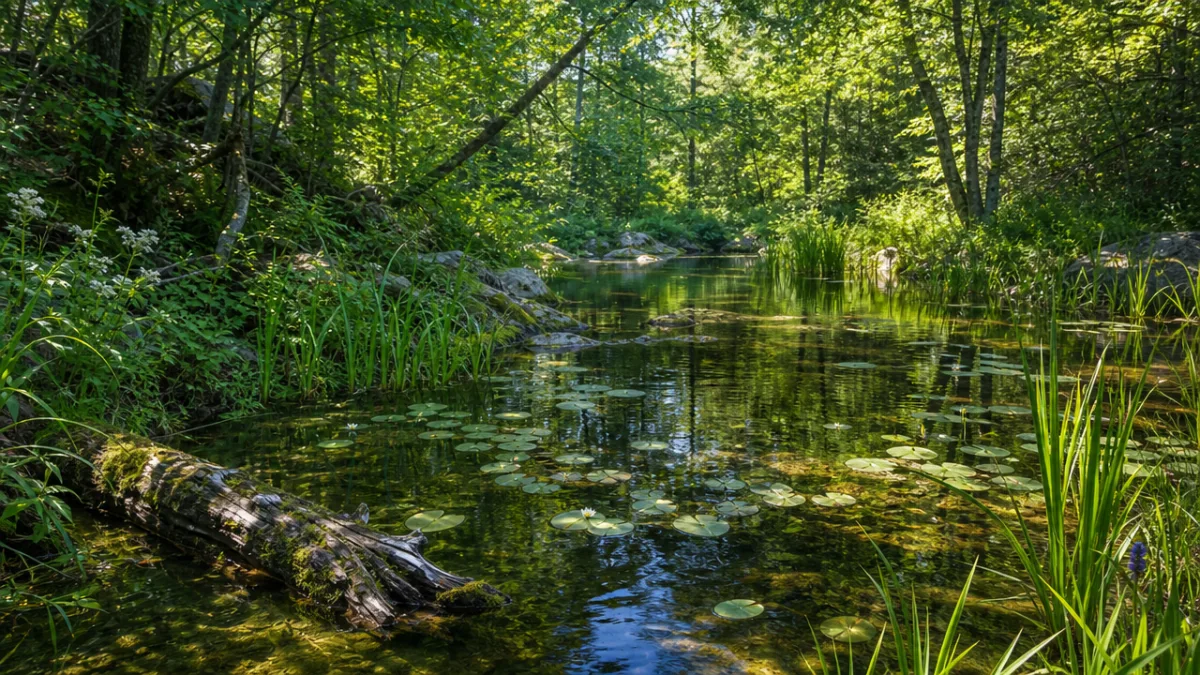
One of the things that makes Ludwigia sedioides such a pleasure to work with in garden design is how versatile it is. Those perfectly geometric rosettes look just as good in a formal, symmetrical pool where clean lines are the whole point as they do in a naturalistic pond setting floating alongside water lilies and lotus. There’s something visually compelling about that precise, almost mathematical leaf arrangement sitting on the fluid, ever-shifting surface of water — it creates a tension between order and movement that landscape designers and garden photographers both tend to find irresistible.
Color-wise, it plays well with others. The warm green-and-red combination of the foliage pairs naturally with the whites, pinks, and yellows of water lily blooms, and the plant’s own small yellow flowers add another note of color when they’re in season. In a small container pond or feature where you can get right up close, the geometric detail of a single rosette becomes genuinely meditative — the kind of thing you can sit and look at for a surprisingly long time, noticing more and more the longer you stay with it.
If you want to build a really memorable water garden display, the Mosaic Flower works beautifully as part of a layered composition with other aquatic and marginal plants. The vertical drama of blue pickerel weed, the bold round leaves of sacred lotus, delicate water ferns, and the striking variegated foliage of water cannas all make excellent companions. Together with the geometric surface coverage of the Mosaic Flower, these plants build up a multi-layered scene that holds your attention from the waterline upward — the kind of immersive, living composition that makes a pond feel less like a garden feature and more like a destination.
- Formal gardens: Use Mosaic Flower as geometric accent in rectangular or circular pools
- Naturalistic ponds: Combine with water lilies and floating heart for layered surface coverage
- Container water gardens: Feature a single large rosette as a dramatic centerpiece
- Photography gardens: Position where sunlight creates reflections and highlights the geometric pattern
- Educational gardens: Use alongside other aquatic plants to demonstrate adaptation and diversity
The good news for anyone who’s been curious about this plant is that it’s much easier to track down than it used to be. What was once the exclusive preserve of serious botanical gardens and dedicated aquatic plant collectors is now available through specialist nurseries and online retailers to pretty much anyone with a sunny pond, a warm climate, or the willingness to bring plants inside for winter. If you can give it the warmth, light, and calm water it’s asking for, the Mosaic Flower pays you back with a display of living geometry that genuinely never gets old — one of those plants that reminds you, every time you look at it, just how extraordinary the natural world can be.








What do you think?
It is nice to know your opinion. Leave a comment.